Best of Kyoto and Tokyo Tour

May 18–24, 2027 · Kyoto & Tokyo

Best of Kyoto and Tokyo Tour

Two cities. Many doors. The best of Japan at the table.

Photography: Matthew Ng
Best of Kyoto and Tokyo Tour

Best of Kyoto and Tokyo Tour

Japan is home to two of the greatest culinary cities in the world.

Kyoto, the spiritual home of Japanese cuisine.

Tokyo, the most dynamic food city on earth.

Together, they offer a way into Japanese food culture that is almost impossible to reach from the outside: kaiseki rooms shaped by season and silence, great sushi counters, tempura served piece by piece, wagyu, yakitori, Toyosu Fish Market, ramen, soba, and the everyday places that make Japan so endlessly rewarding.

The Best of Kyoto and Tokyo Tour is built around access, relationships, and return.

Many of the restaurants we visit are among the most difficult reservations in Japan. Some are booked months or years in advance. Others accept only regular guests. Our access exists because of relationships developed over many years with chefs, restaurants, and people who have welcomed us back again and again.

This is not a checklist of famous names.

It is a journey into the food, craft, and people that define Japan at the table.
The Journey

We begin in Kyoto, where Japanese cuisine becomes quieter, deeper, and more reflective.

Here, kaiseki sits at the center of the experience: season, gesture, ceramics, pacing, and the deep cultural memory of the city. Kyoto asks you to slow down and notice what is almost invisible from the outside.

Then we move to Tokyo.

The rhythm changes.

Tokyo is range, force, precision, and appetite. Great sushi counters. Wagyu. Yakitori over charcoal. Tempura served directly from the fryer. Specialist shops built around one dish, one craft, one lifetime of repetition.

We also visit Toyosu Fish Market, where the day begins before the city wakes up and where many of Japan's greatest ingredients first enter Tokyo's restaurant world.

Kyoto shows us Japan's soul.

Tokyo shows us its force.

Together, they create one of the most complete culinary journeys we offer.

I’ve read enough. Take me to registration!
Sushi

Sushi

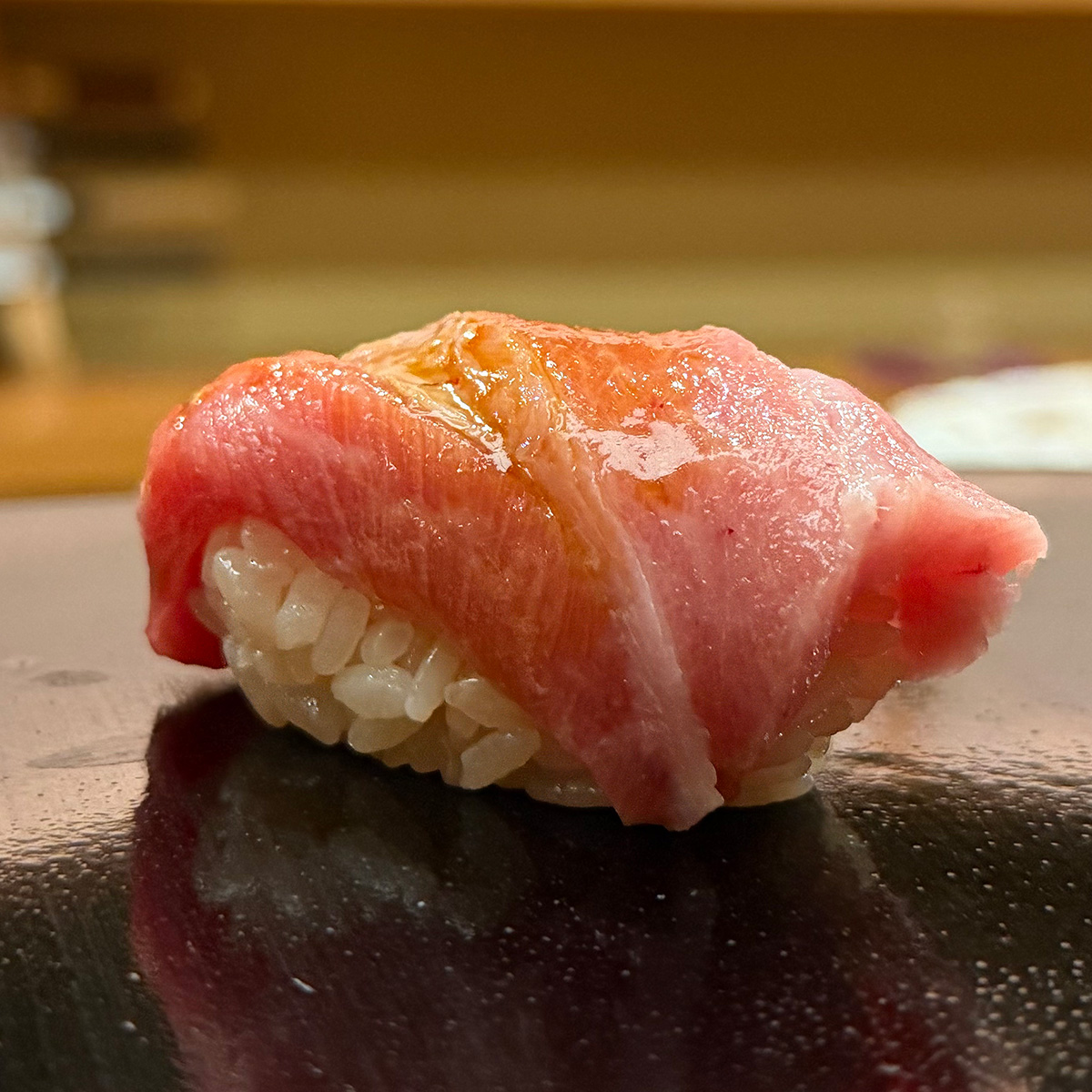
At the highest level, sushi is one of the most demanding culinary arts in the world. What appears simple, rice and fish, is built on thousands of decisions: the temperature of the rice, the balance of vinegar, the aging of the fish, the cut, the pressure of the hand, and the exact second each piece is placed before the guest. Tokyo is home to the greatest sushi counters on earth, and sushi is one of the defining pillars of this journey. Restaurants that represent the level we pursue include Sushi Saito, Sugita, Arai, Namba, Hakkoku, Hatou, Harutaka, Sushi Sho Kiu, Tenzushi, and Sushi Sho Masa.

Kaiseki

Kaiseki

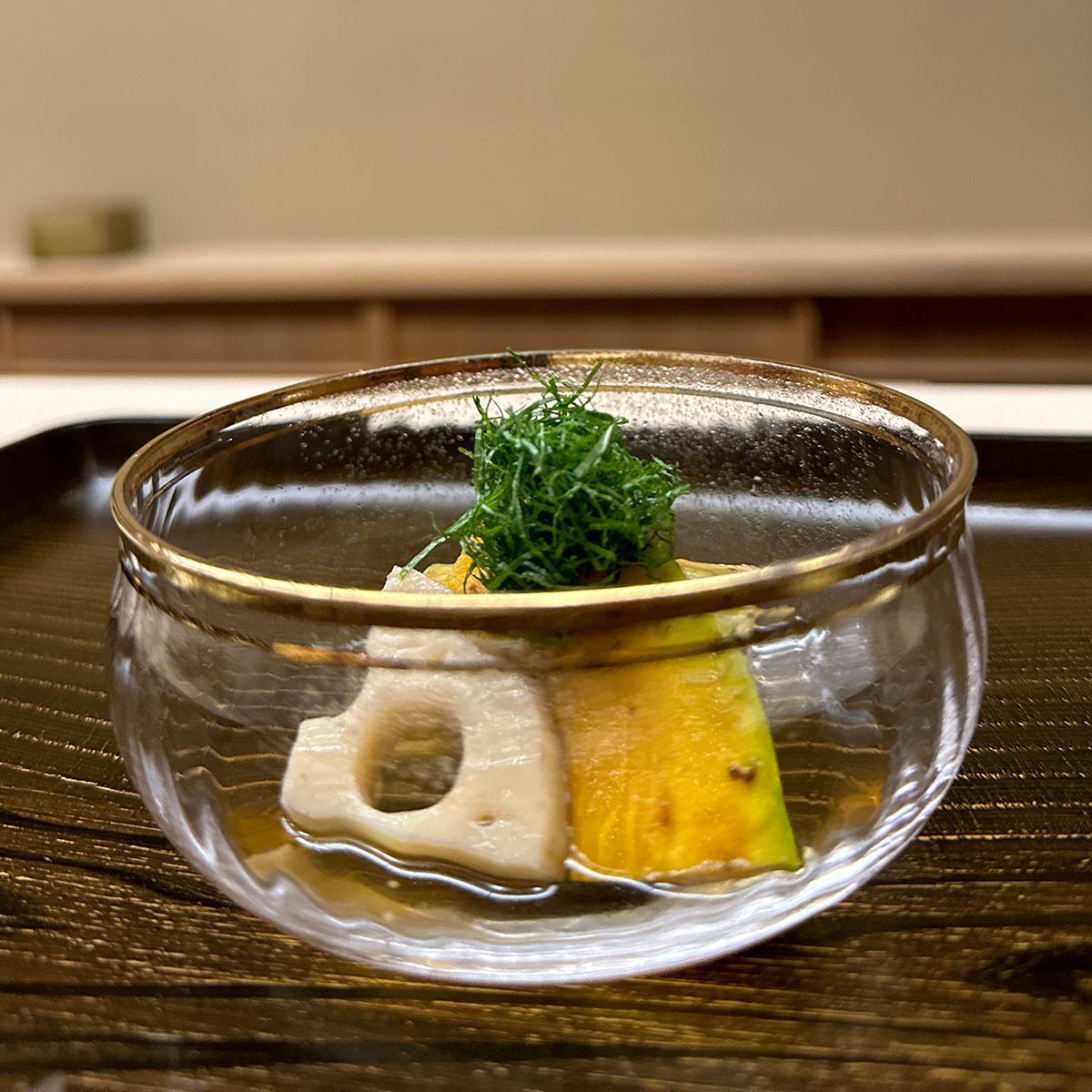
If sushi represents precision, kaiseki represents the philosophical heart of Japanese cuisine. Kyoto is the spiritual home of kaiseki, where food, season, ceramics, space, and silence come together in a way that is deeply Japanese. Each dish reflects a moment in the year. Each ingredient is treated with restraint and respect. Restaurants and masters that represent the level we pursue include Ogata, Maeda, and Yamagishi.

Tempura

Tempura

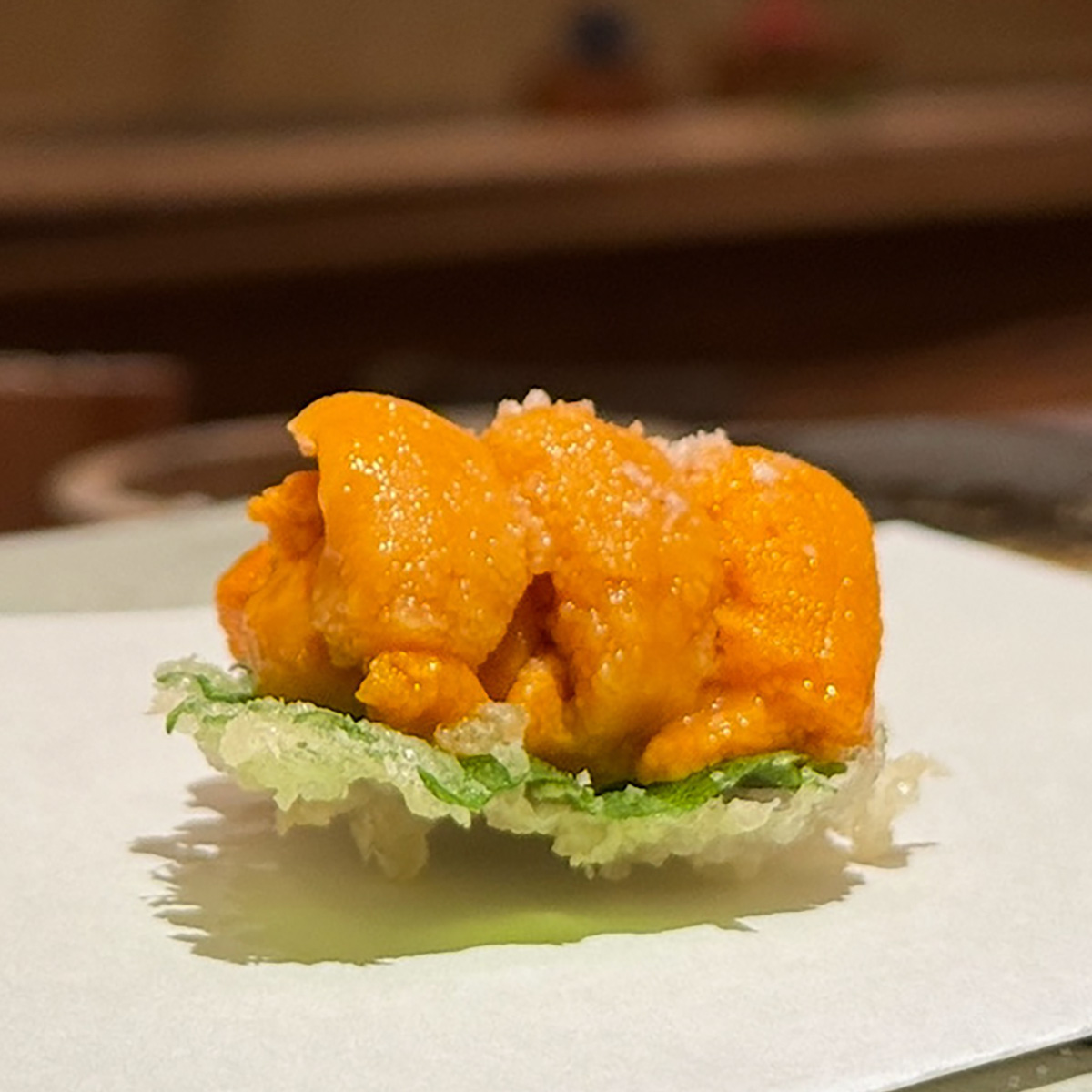
Tempura is the art of timing. Seafood and vegetables are coated in a delicate batter and fried for only moments, producing textures that are crisp, light, and almost weightless. At the highest level, tempura requires extraordinary control: the temperature of the oil, the composition of the batter, the moisture of the ingredient, and the timing of each piece. Masters who represent the level we pursue include Motoyoshi, Takiya, and Kondo.

Wagyu

Wagyu

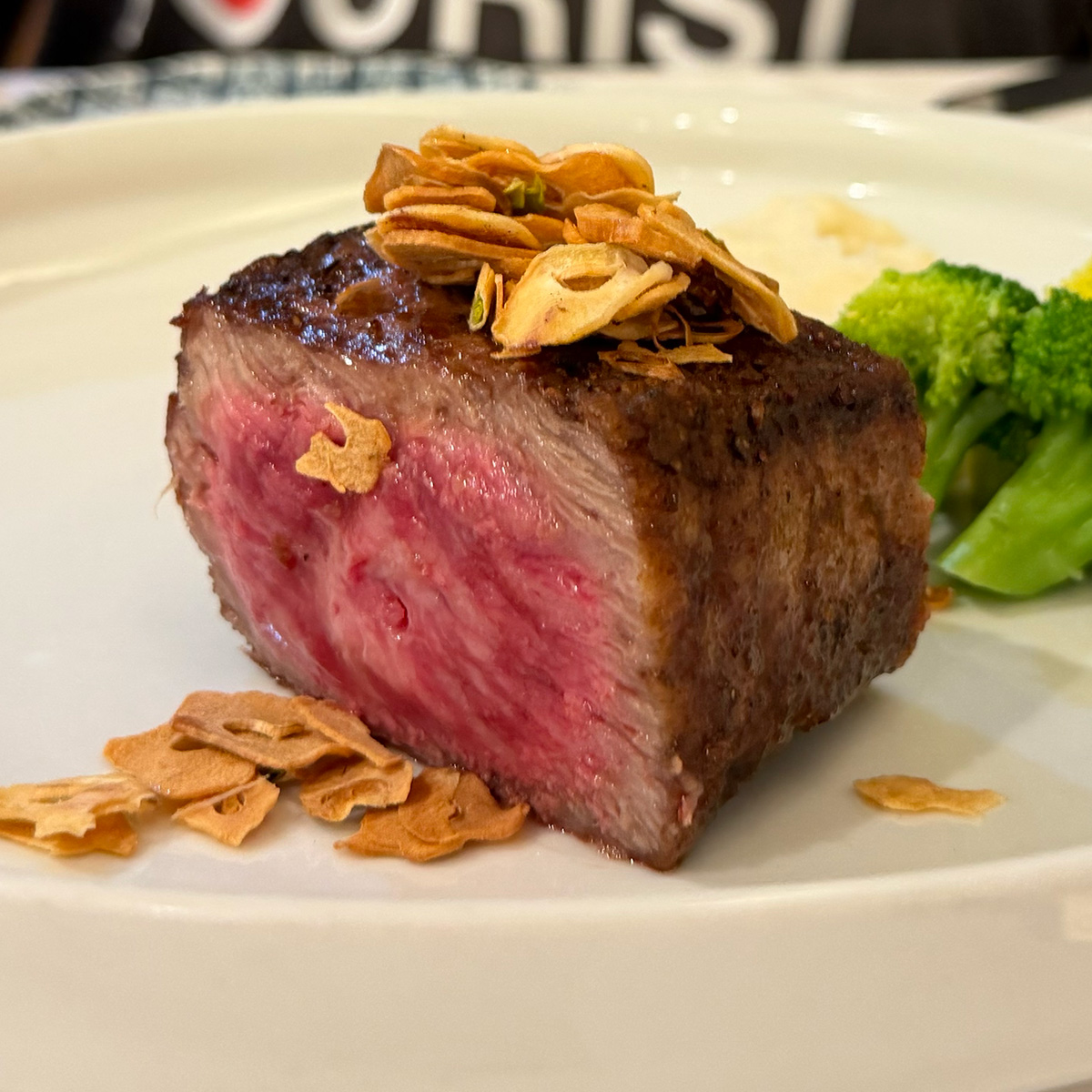
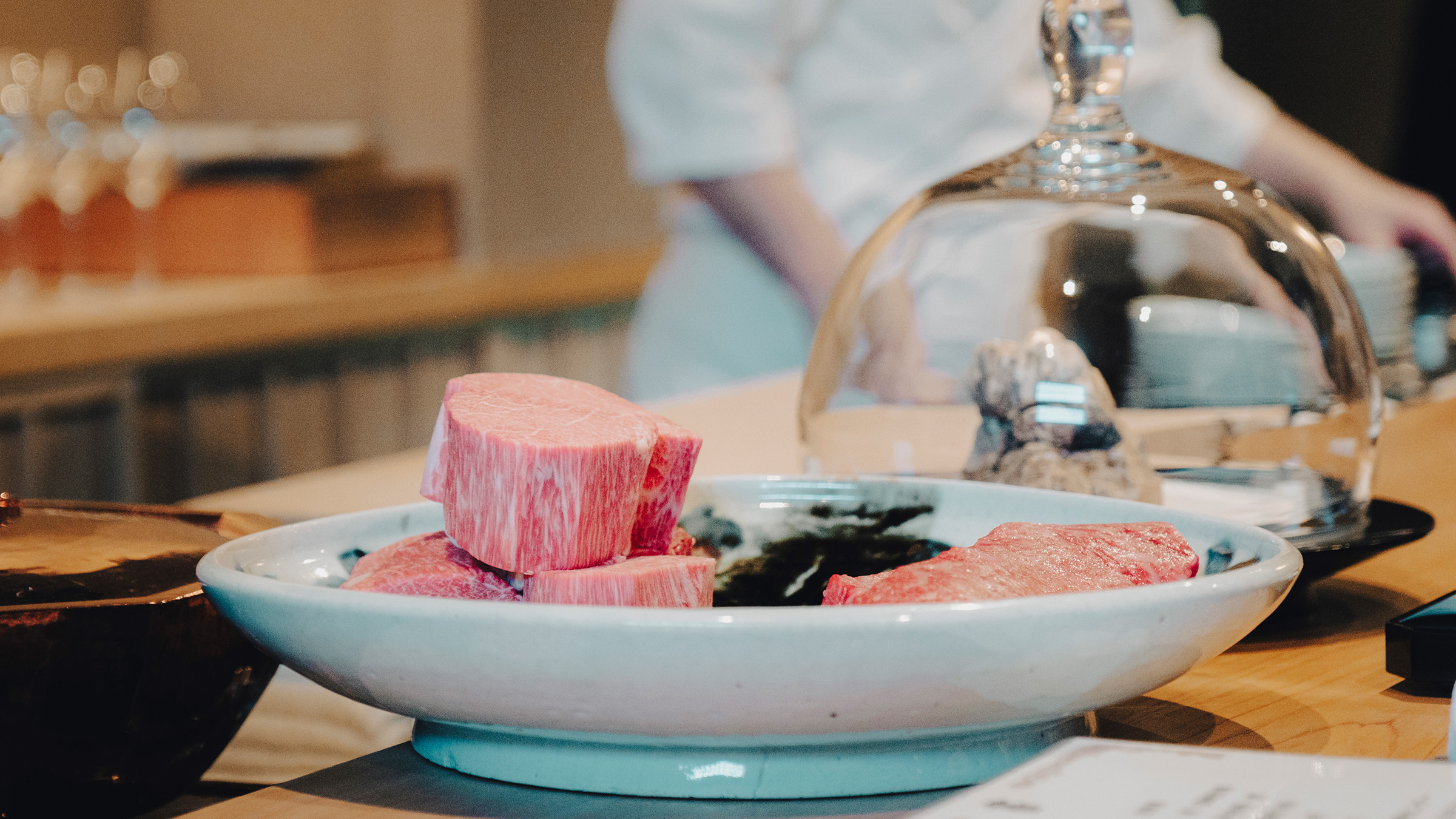
Japanese wagyu is famous everywhere, but eating it in Japan is something else. In Tokyo, beef is treated with the same seriousness and precision usually associated with sushi. Restaurants that represent the level we pursue include Yoroniku, Shima, Yakiniku Jumbo, Vesta, Miyoshi, and Nikuya Tanaka.

Yakitori

Yakitori

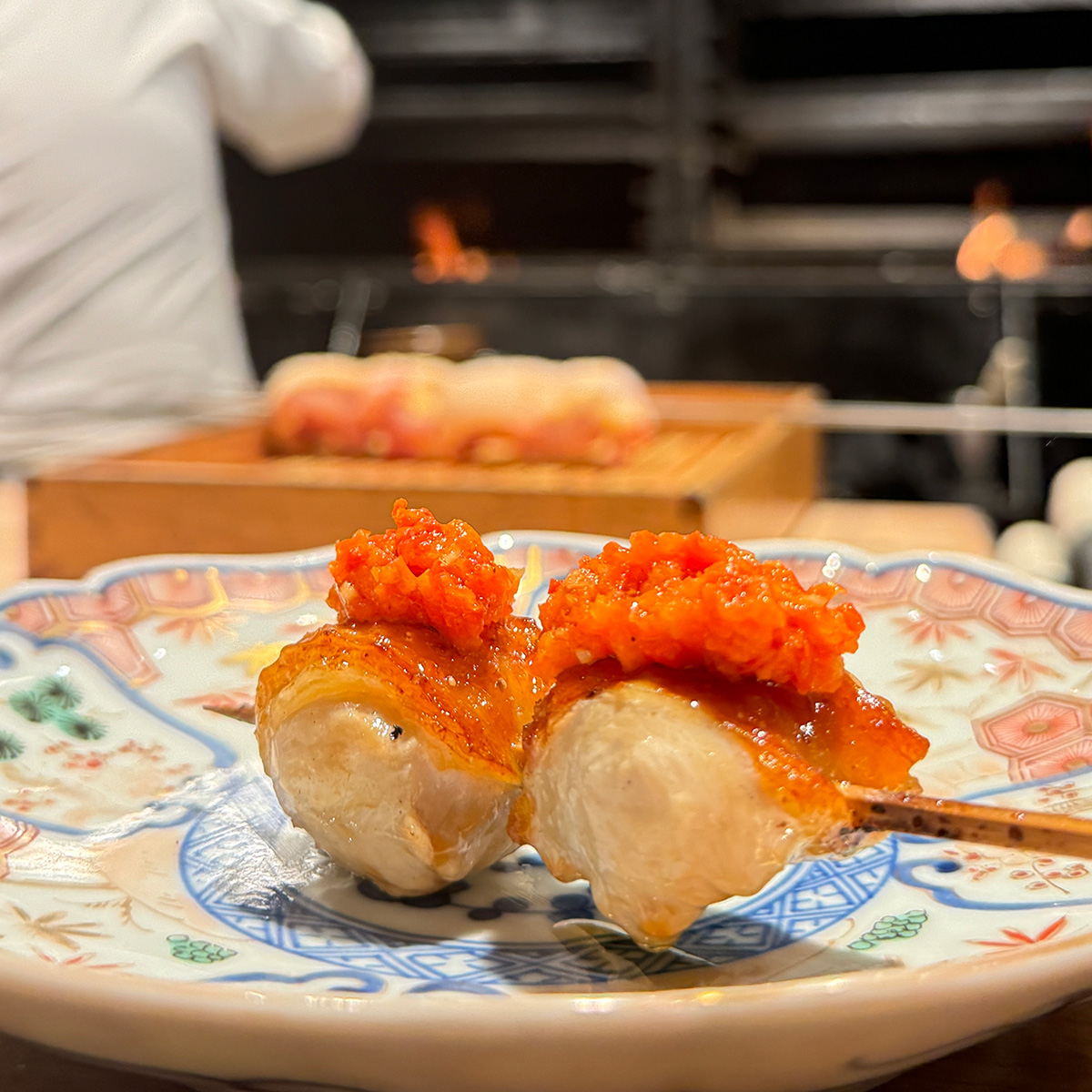
Yakitori is one of the purest expressions of Japanese cooking. Chicken. Charcoal. Salt. Sauce. At its highest level, yakitori is defined by knife work, fire control, and deep knowledge of every part of the bird. Restaurants that represent this world include Sora, Makitori Shinkobe, Torishiki, Eiki, Torikado, and Shinohara.

Tokyo Beyond Michelin

Tokyo Beyond Michelin

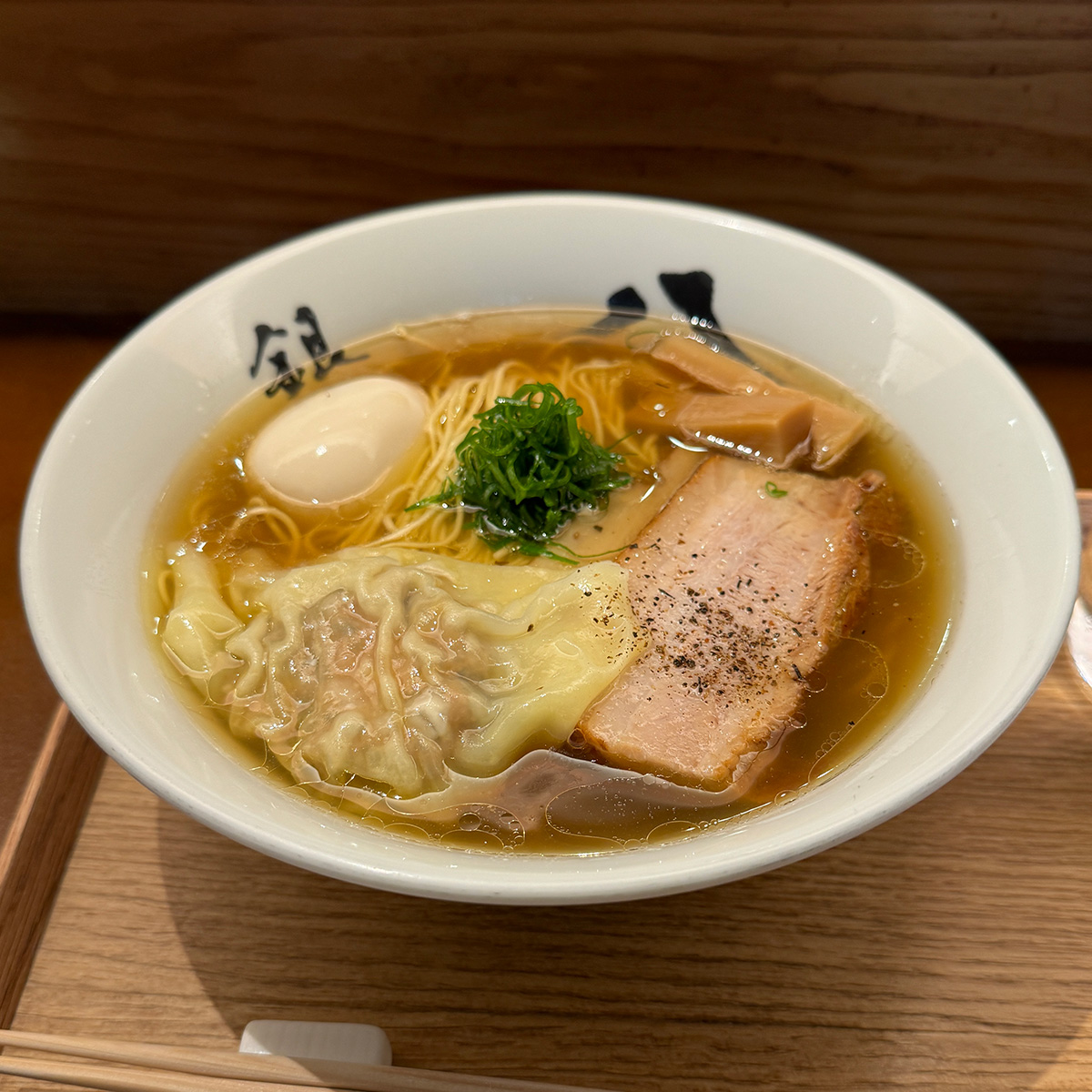
Tokyo's greatness does not live only in rare counters and formal dining rooms. It lives in bowls of ramen perfected over decades, handmade soba served with quiet precision, eel grilled over charcoal, and Japanese curry rice. These dishes represent the everyday genius of Tokyo.

Toyosu Fish Market

Toyosu Fish Market

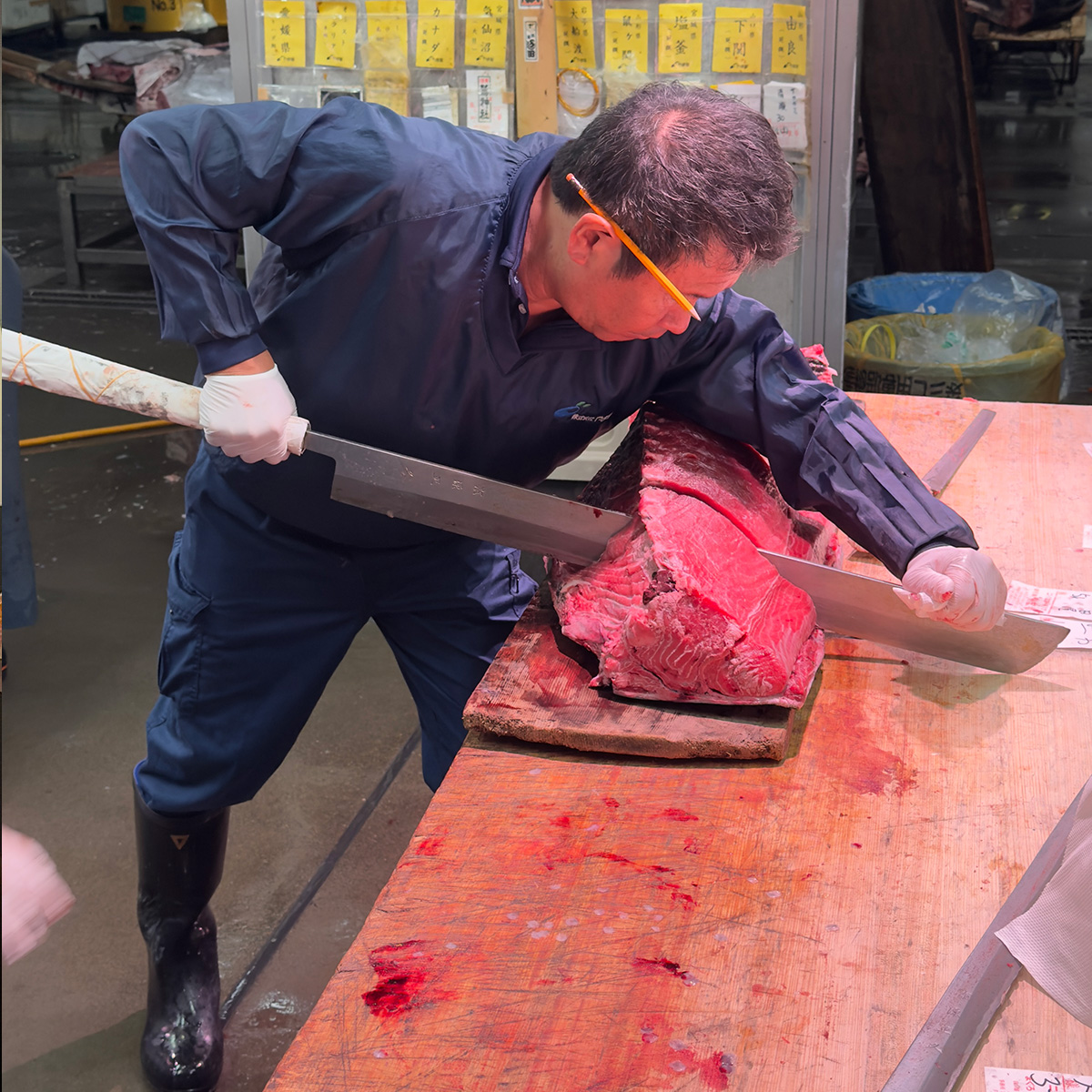
No serious exploration of Tokyo's culinary culture is complete without Toyosu Fish Market. Before dawn, extraordinary seafood from across Japan and around the world arrives here. Through our relationships, we aim to give guests a deeper look into the world behind the counter and a better understanding of how the finest ingredients move from ocean to chef.

The Food of Japan, at Its Highest Level

Japanese cuisine is a world of disciplines.

Each has its own rhythm, rules, masters, and language.

A sushi chef may spend a lifetime refining rice and fish. A tempura chef studies oil, batter, heat, and timing. A kaiseki chef expresses the season through ingredients, ceramics, and restraint. A yakitori master learns every part of the bird and every behavior of the fire.

During this journey, we move through these worlds with care.

Not to collect names.

To understand what makes them matter.

Where We Stay

The Gate Hotel Kyoto Takasegawa by HULIC

The Gate Hotel Kyoto Takasegawa by HULIC

Check-in
Tuesday, May 18, 2027
Check-out
May 20, 2027

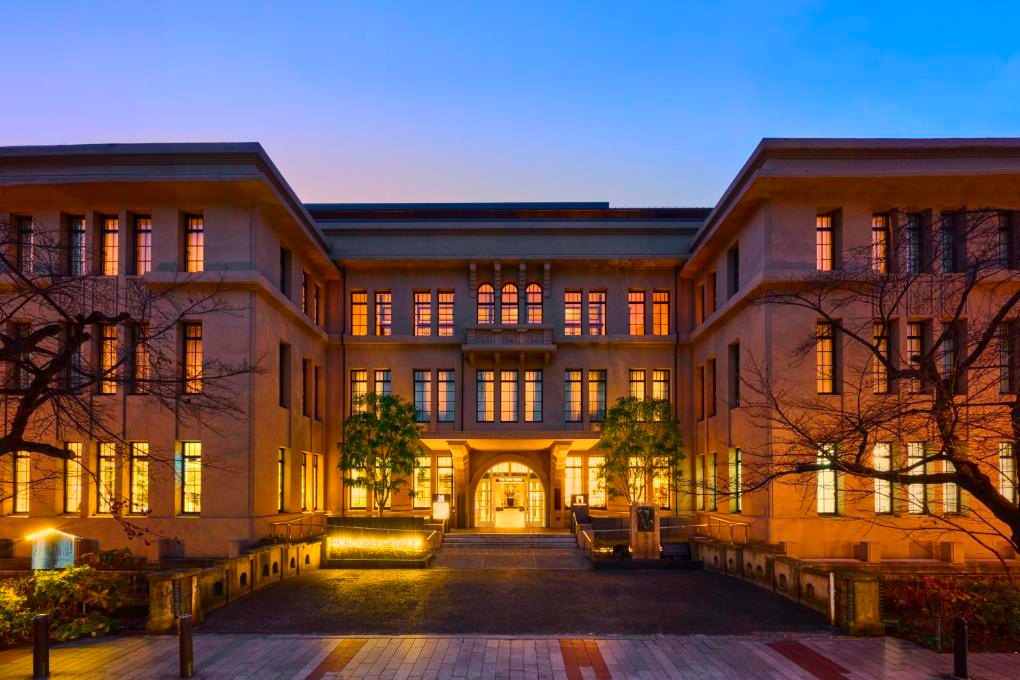
The Gate Hotel Kyoto Takasegawa by HULIC is a modern Kyoto hotel with a strong sense of place. Its location gives guests easy access to some of the city's most meaningful neighborhoods, including Gion, Higashiyama, and the historic streets that make Kyoto such a pleasure to explore. Kyoto asks for a slower rhythm from the very beginning. This is where that rhythm begins.

The Tokyo EDITION, Toranomon

The Tokyo EDITION, Toranomon

Check-in
May 20, 2027
Check-out
Monday, May 24, 2027

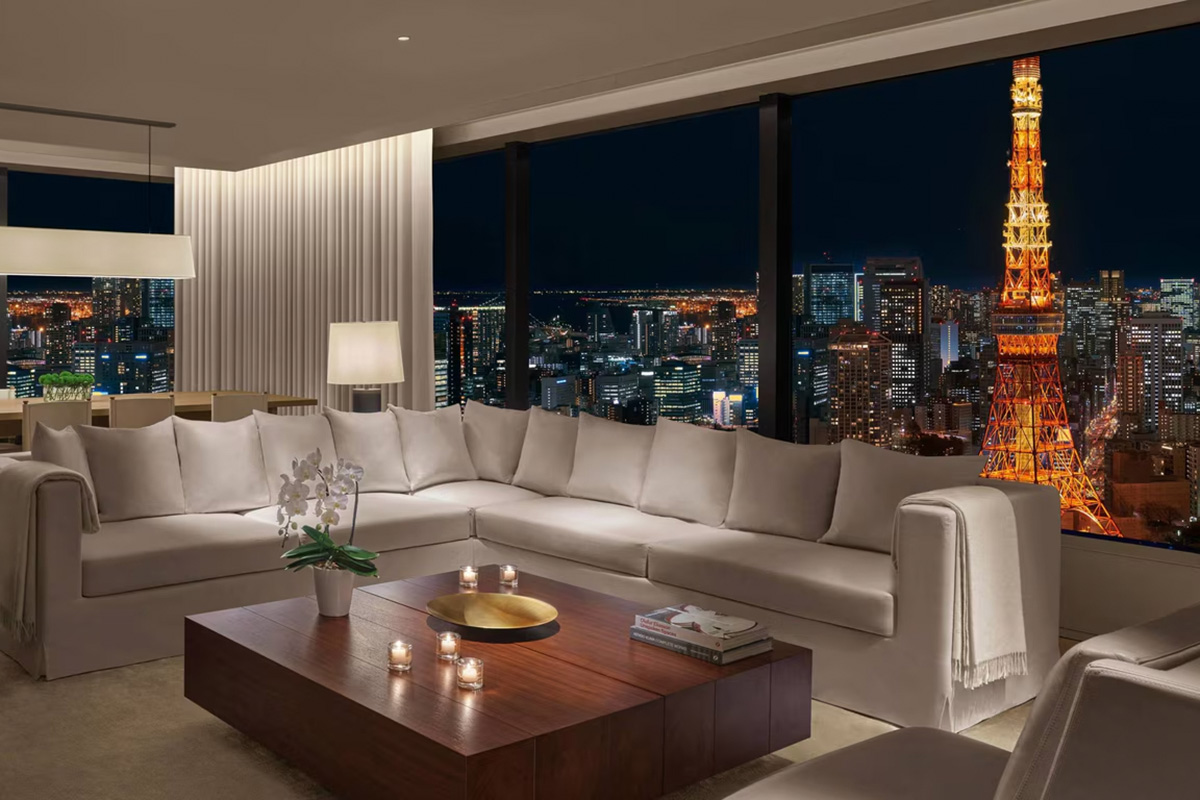
The Tokyo EDITION, Toranomon brings together the energy of modern Tokyo with the calm of a beautifully designed urban hotel. Designed by Kengo Kuma with the vision of Ian Schrager, the hotel sits high above the city with views toward Tokyo Tower and Tokyo Bay. It is elegant, contemporary, and perfectly positioned for the way we move through Tokyo during the tour.

The Essentials

Check-in
Tuesday, May 18, 2027
Check-out
Monday, May 24, 2027
First meal
Dinner on Tuesday, May 18, 2027
Last meal
Lunch on Monday, May 24, 2027

A full timetable of meals and activities will be emailed to participants before the tour.

A Note on Set Menus
The menus offered during the tour are selected by The Hungry Tourist in collaboration with our local partners. We believe they represent the best culinary fare the region has to offer. Guests may order outside of these menus at their own expense.
Transportation

Tour Fees

Per person, shared room: USD 11,250
Single occupancy supplement: USD 2,750

Price includes all food, beverages, taxes, service charges, a Shinkasen one way ticket from Kyoto to Tokyo, and 6 nights of accommodation (not eligible for loyalty program points).

Price does not include airfare, transportation in Kyoto and Tokyo, or any travel or medical insurance.

Extra nights before or after the tour can be booked in advance at a special rate.

If this feels like your journey

This will be one of the most special journeys we have ever created.

If this feels like your journey, fill out the form below and we’ll come back to you personally.

Payment

A non-refundable deposit of USD 2,500 per person will be charged upon reservation.

The balance must be paid no later than 60 days prior to the first day of the tour.

Payments are preferred by bank transfer.

Payments by Credit Card will incur a 4.5% surcharge.

Cancellation Policy

If cancellation is received more than 30 days before departure, the deposit is forfeited.

If cancellation is received between 30 and 10 days before departure, 50% of the remaining balance will be charged.

They were there

Stories from the guests who joined us at the table, travelled with us, and became part of the journey.