The Very Best Korean Food Tour

The Very Best Korean Food Tour

A deep, delicious immersion into Seoul’s most unforgettable tables.

Seoul - As Good As A Food Destination Can Get

Seoul does not reveal itself slowly.

It hits you immediately: the markets, the smoke, the heat, the sound of scissors cutting meat at the table, the smell of sesame oil and charcoal, the deep comfort of noodles and dumplings, the precision of modern Korean cooking, and the feeling that food here is never separate from daily life.

But to really understand Seoul, you need more than a list of famous restaurants.

You need someone who knows how the city eats. Someone who knows which rooms matter, which dishes to order, which chefs are saying something important, and how to move between street food, barbecue, temple cuisine, fermentation, fine dining, and the old flavors Koreans return to again and again.

That is why this journey is guided by Anica Kim.

Anica’s roots, relationships, and intuitive understanding of Seoul’s food culture make this experience possible. She does not simply book restaurants. She gives the journey meaning. She connects chefs to guests, stories to plates, and tradition to the present moment.

For many of the world’s great chefs who come to Seoul for inspiration, Anica is the person they call.

Together, we move through the city the way serious eaters should: with appetite, curiosity, context, and the right person leading us from table to table.

This is not a greatest-hits tour.

It is Seoul, from the market to the grill, from fermentation to fine dining, from the old flavors to the new Korean table.

The Journey

This journey moves through Seoul by contrast.

We begin with the city’s essential food language: markets, street food, fire, noodles, dumplings, barbecue, and the everyday dishes that explain how Koreans really eat.

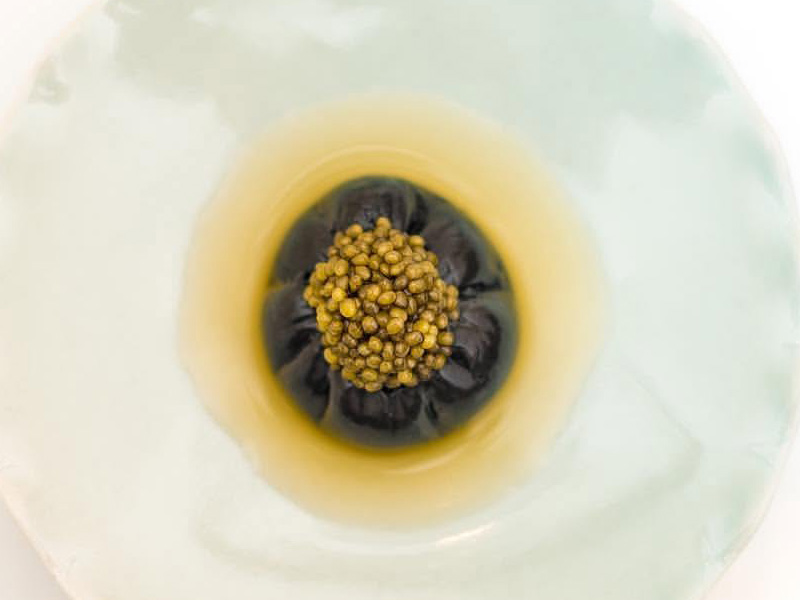
Then we move deeper: fermentation at 7th Door, temple cuisine and restraint at Bium, smoke and pleasure at Gold Pig, and modern Korean cooking at Mosu, Mingles, and Eatanic Garden.

And then there is Born & Bred, where Hanwoo becomes the final argument.

Throughout the journey, Anica is the thread. She makes the city legible, gives every meal context, and helps guests understand why Seoul has become one of the most exciting food cities in the world.

This is Seoul, table by table.

I’ve read enough. Take me to registration!
Mosu

Mosu Michelin starMichelin star

Mosu is one of the restaurants that changed the way people outside Korea look at modern Korean cuisine. It is ambitious, personal, and precise, but what matters most is that it does not feel disconnected from Korea. The cooking carries memory, ingredients, and emotion into a more contemporary language.

A meal here gives the journey one of its high points. Not because of awards or rankings, but because Mosu helps explain what is happening in Seoul right now: Korean chefs are no longer only preserving tradition. They are expanding it, questioning it, and showing how powerful it can be on a global stage.

Mingles

Mingles Michelin starMichelin starMichelin star

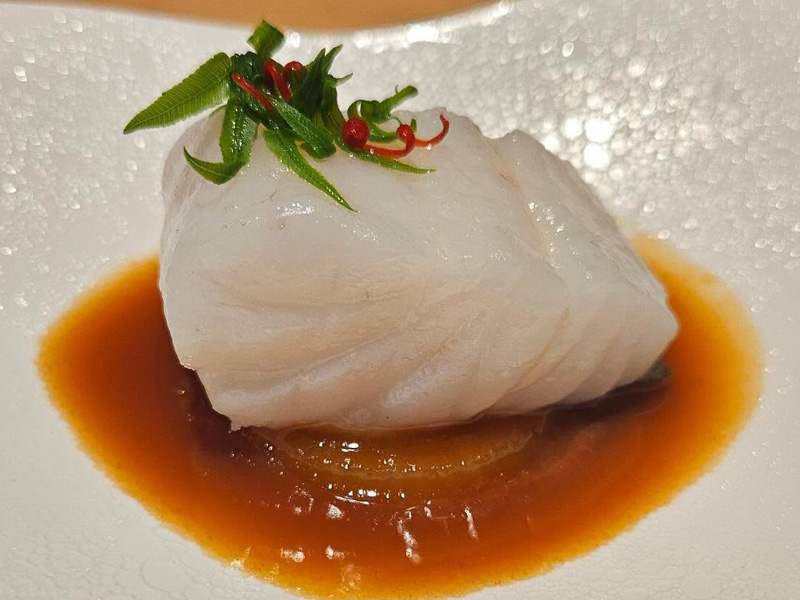
Mingles is one of Seoul’s defining modern Korean tables. It has polish, elegance, and control, but beneath that refinement is something very Korean: fermentation, seasonality, sauces, memory, and a constant conversation between old flavors and new forms.

For this journey, Mingles is important because it shows how graceful modern Korean cuisine can be. Nothing feels accidental. The dishes carry intelligence without losing pleasure. It is a restaurant that helps guests understand why Seoul is no longer an emerging food city. It is already one of the great ones.

7th Door

7th Door Michelin star

7th Door is one of Seoul’s clearest expressions of modern Korean cooking built around aging and fermentation. The meal does not treat Korean tradition as decoration. It goes directly into the deep structures of flavor: time, preservation, sauces, grains, fermentation, and the memory of old Korean techniques.

This is exactly why it belongs at the beginning of the journey. Seoul is not only smoke and spice and speed. It is also patience. It is ingredients transformed by time. It is a cuisine that knows how to wait. At 7th Door, guests begin to understand that Korean food has another dimension beneath the surface.

Born & Bred

Born & Bred

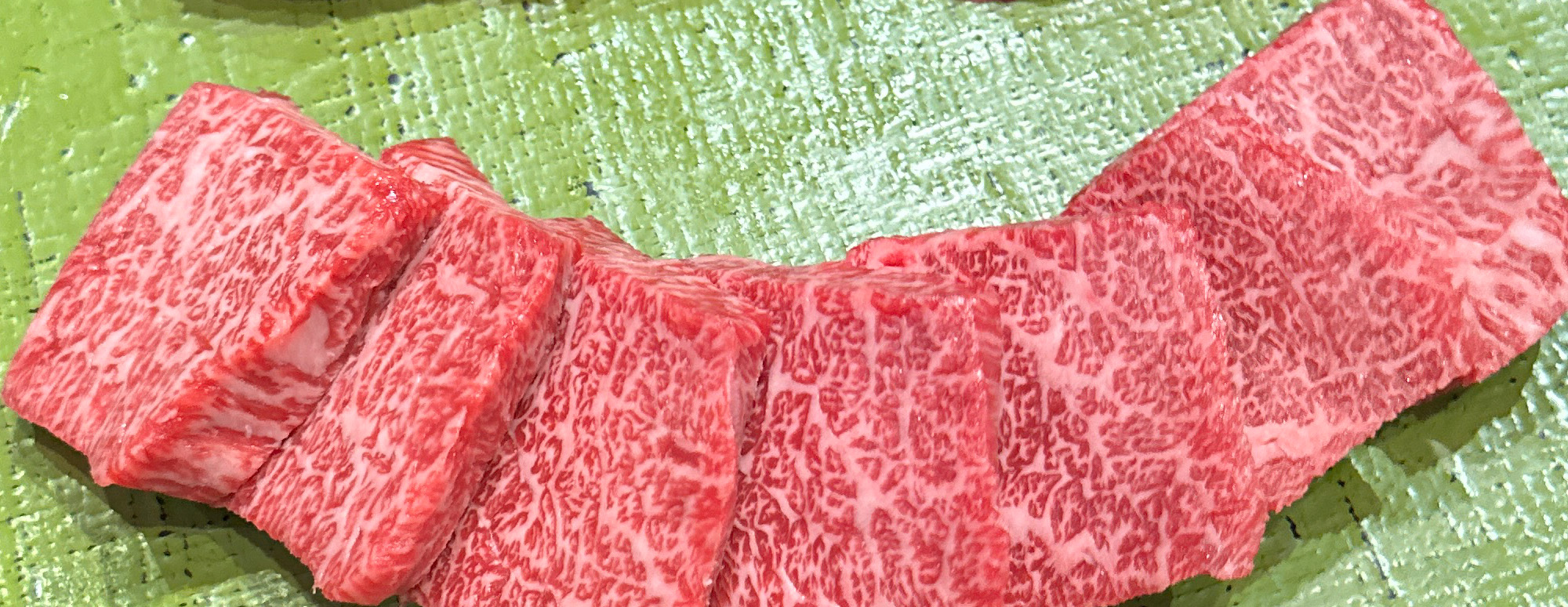
Born & Bred is the Hanwoo moment.

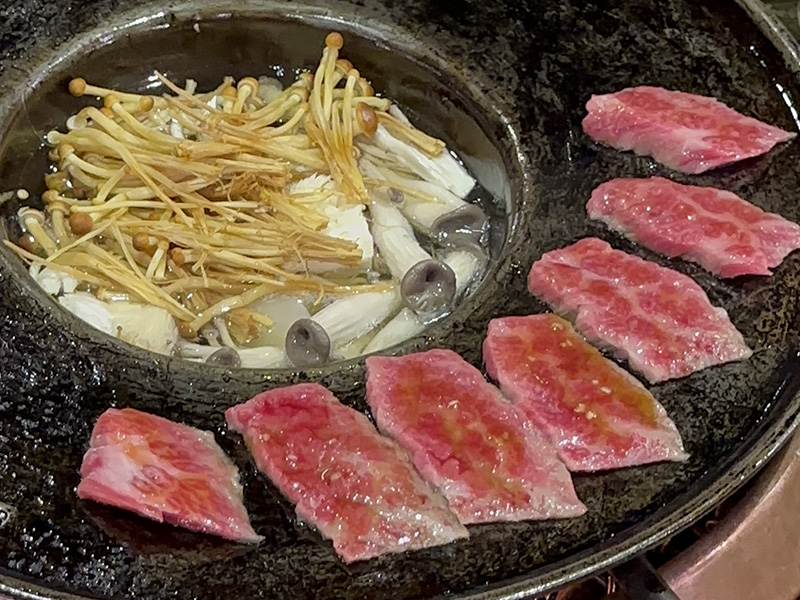
Korean beef has its own character, its own texture, its own sweetness, and its own place in the country’s food culture. At Born & Bred, the meal is built around that obsession: sourcing, cutting, grilling, sequencing, and understanding how different parts of the animal behave over fire.

This is a perfect final table for Seoul because it is generous, focused, and unmistakably Korean. After days of markets, fermentation, temple cuisine, barbecue, and modern fine dining, Born & Bred brings everything back to the table in the most direct way possible: great beef, great fire, and people who are very happy to be eating together.

Eatanic Garden

Eatanic Garden Michelin star

Eatanic Garden brings another rhythm to the journey. Set inside Josun Palace, it is refined, composed, and deeply connected to the new confidence of Seoul dining. The room, the view, the pacing, and the food all create a sense of Seoul looking forward.

What makes it interesting is not only that it is elegant. It is that it belongs to this moment in Korea, where chefs are thinking about their own ingredients, their own memories, and their own food culture with fresh eyes. Eatanic Garden gives the journey a beautiful, contemporary Seoul chapter.

Bium

Bium

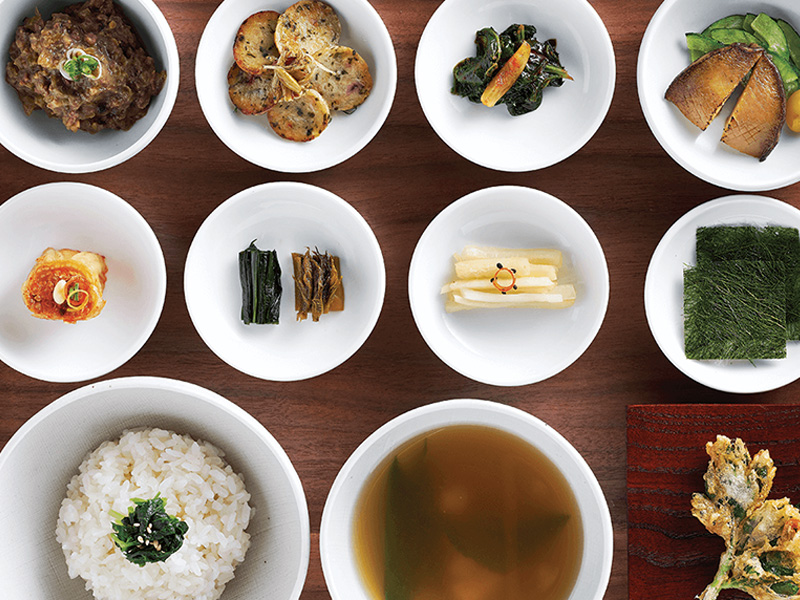
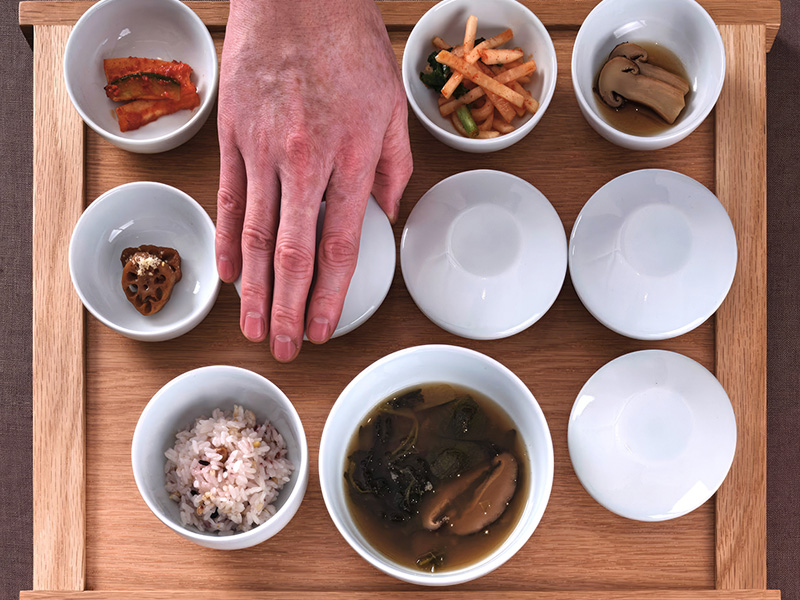
Bium gives the journey a quieter and more contemplative register. After the intensity of the market, this is a different kind of Korean meal: calmer, more restrained, and rooted in the traditions of temple cuisine and vegetable-based cooking.

I like having a table like this in Seoul because it widens the story. Korean cuisine is not only barbecue, spice, and fermentation. It also has silence, balance, restraint, and a deep respect for ingredients. Bium helps guests feel that side of Korea, the side that does not need to shout.

Gold Pig

Gold Pig

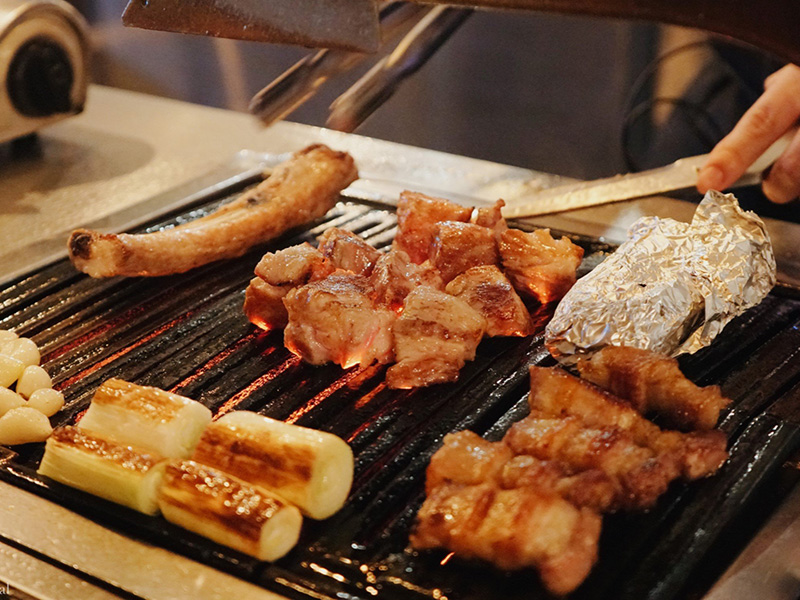
Gold Pig is the kind of place that reminds you why eating in Seoul can be so much fun. The table is direct. The pleasure is immediate. Fire, pork, smoke, scissors, grill, sauce, and the simple joy of sitting together around meat that has been handled properly.

This is not the polished face of Seoul. It is the hungry one. The one that smells like charcoal, moves quickly, and makes everybody at the table pay attention. A serious food journey needs this kind of meal because it keeps everything grounded in appetite.

Gwangjang Market

Gwangjang Market

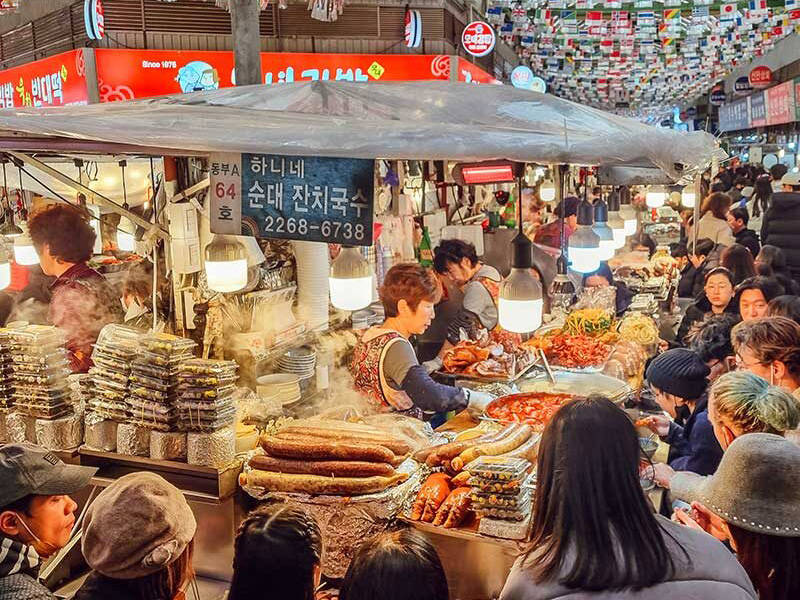
Gwangjang Market is Seoul with the volume turned up. It is crowded, generous, loud, delicious, and immediate. You do not go there to sit quietly and analyze. You go to taste, move, watch, compare, and let the city feed you.

Markets matter because they tell the truth about a food culture. Before the fine dining rooms, before the beautiful plates, before the tasting menus, there is this: people eating what they love, standing close together, returning to the same stalls, trusting the same hands. Gwangjang gives the journey its pulse.

Where We Stay

Josun Palace, a Luxury Collection Hotel, Seoul Gangnam

Josun Palace, a Luxury Collection Hotel, Seoul Gangnam

Check-in
Apr 28, 2027
Check-out
May 3, 2027

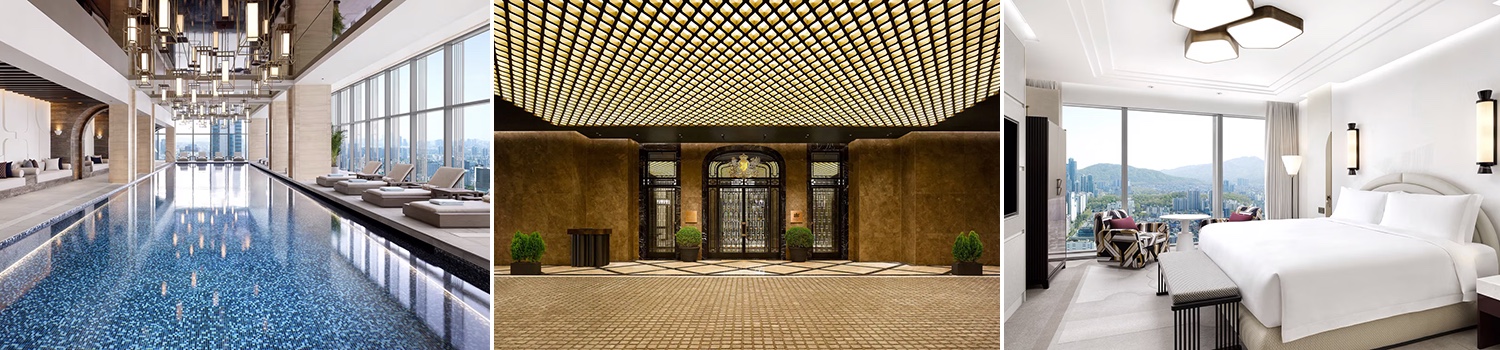
The Josun Palace provides a calm and elegant base for the journey in the middle of Seoul. Set in Gangnam, it is polished, comfortable, and well placed for the rhythm of the tour.

After long meals, late nights, markets, smoke, fire, and full days of eating, the hotel gives guests exactly what they need: space, quiet, good service, and a soft landing before the next table.

The Essentials

Check-in
Apr 28, 2027
Check-out
May 3, 2027
First meal
Dinner on Apr 28
Last meal
Lunch on May 3

A full timetable of meals and activities will be emailed to participants before the tour.

A Note on Set Menus
The menus offered during the tour are selected by The Hungry Tourist in collaboration with our local partners. We believe they represent the best culinary fare the region has to offer. Guests may order outside of these menus at their own expense.
Transportation
[PLACEHOLDER — transportation note not supplied]

Tour Fees

Per person, shared room: USD 8,450
Single occupancy supplement: USD 1,750

Price includes all food, beverages, taxes, service charges, and 5 nights of accommodation (not eligible for loyalty program points).

Price does not include airfare, transportation in Seoul, or any travel or medical insurance.

Extra nights before or after the tour can be booked in advance at a special rate.

If this feels like your journey

This will be one of the most special journeys we have ever created.

If this feels like your journey, fill out the form below and we’ll come back to you personally.

Payment

A non-refundable deposit of USD 2,500 per person will be charged upon reservation.

The balance must be paid no later than 60 days prior to the first day of the tour.

Payments are preferred by bank transfer.

Payments by Credit Card will incur a 4.5% surcharge.

Cancellation Policy

If cancellation is received more than 30 days before departure, the deposit is forfeited.

If cancellation is received between 30 and 10 days before departure, 50% of the remaining balance will be charged.

They were there

Stories from the guests who joined us at the table, travelled with us, and became part of the journey.