The Grand Japan Tour group

February 2–11, 2027 · Tokyo & Kyoto

The Grand Japan Tour

There are Japan tours. And then there is this.

Photography: Matthew Ng
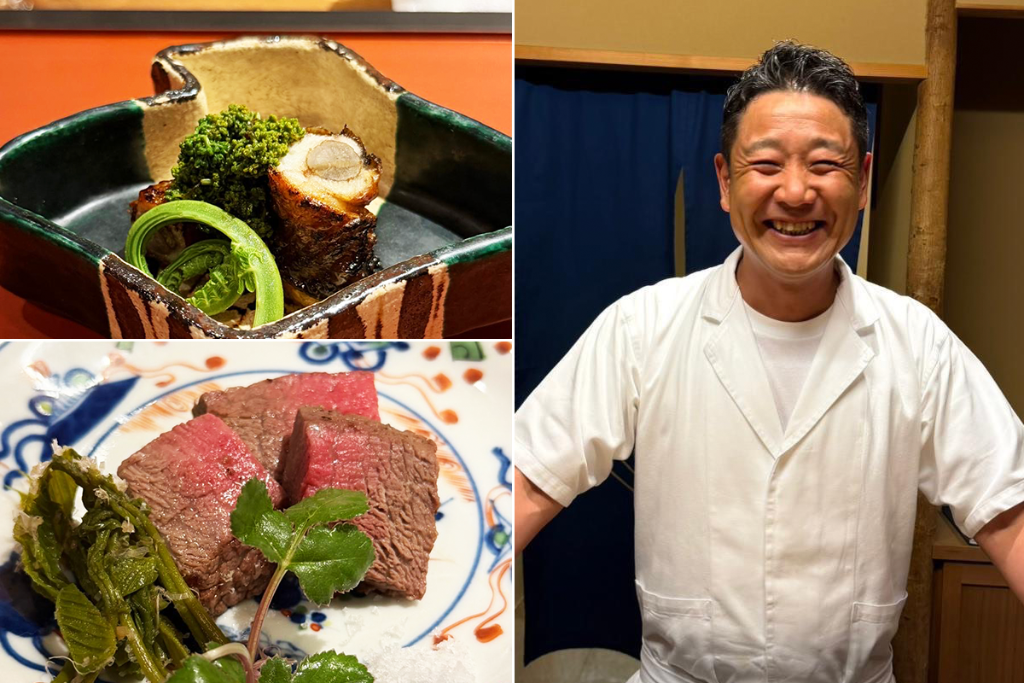
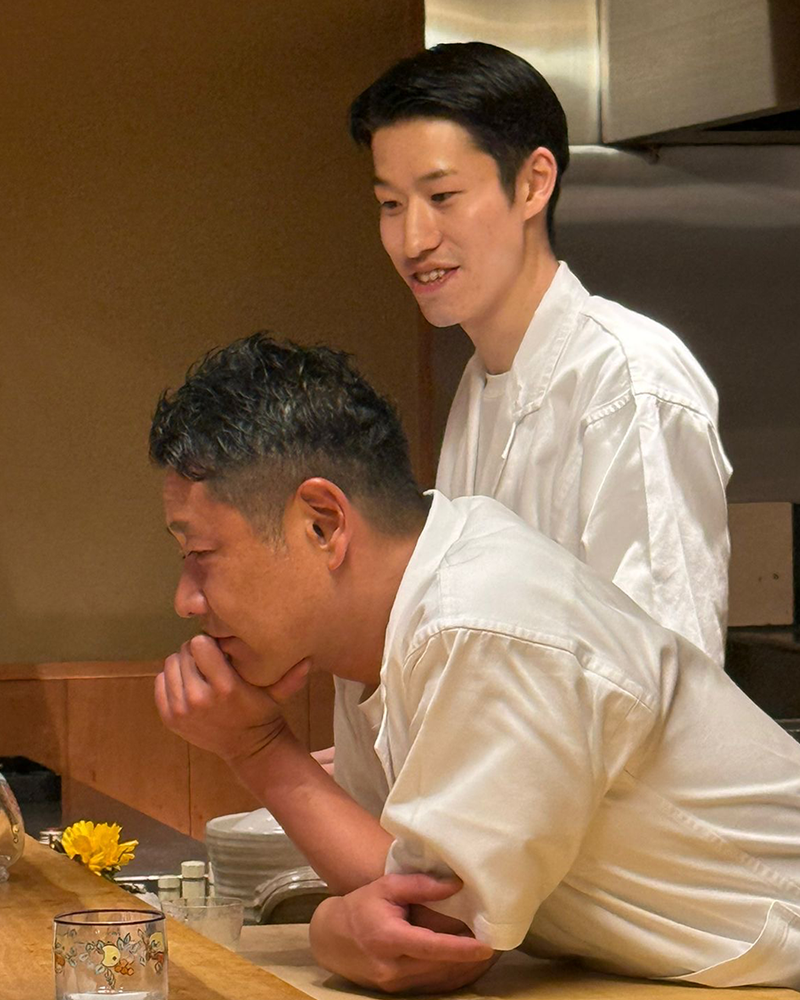
Maeda-san and Gaku-san at Maeda, Kyoto

For years, I have been dreaming about creating something bigger in Japan. Not just another Tokyo tour. Not just Tokyo and Kyoto. Not just the famous counters.

A journey that feels like the Japan I have been lucky enough to discover slowly, over many years, through chefs, friendships, markets, trains, mistakes, surprises, and meals that somehow stay inside you forever.

I think we finally found it.

And strangely enough, it started at Maeda.

The Night Maeda-san Invented Our Kyoto Chapter

That night was, without question, our greatest Maeda experience ever.

The food was delicious to the point of tears.

The sake flowed like water.

And every single person around the counter had that silly smile glued to their face for hours.

At some point during dinner, Maeda-san suddenly looked at me and asked:

“Davido… where are you eating tomorrow?”

“Lunch at Tempura Matsu. Dinner at an izakaya called Fubata.”

“Fubata?” he said.

Then he turned to Gaku-san, his sous chef.

“Do you know it?”

Gaku shook his head.

No clue.

Then Maeda-san looked back at me and said:

“Davido… you know I can cook you izakaya food here.”

And then he started naming all my favorite izakaya dishes one by one.

“We’ll do it one night. And the following day we’ll cook you our normal seasonal menu.”

He had me at hello.

That was the moment.
The Journey

Every meal on this journey has a reason.

Some are legendary counters.

Some are nearly impossible reservations.

Some are personal relationships.

Some are moments that could only happen because of years of showing up.

This is not a checklist.

This is a story.

I’ve read enough. Take me to registration!

Tokyo

Sugita

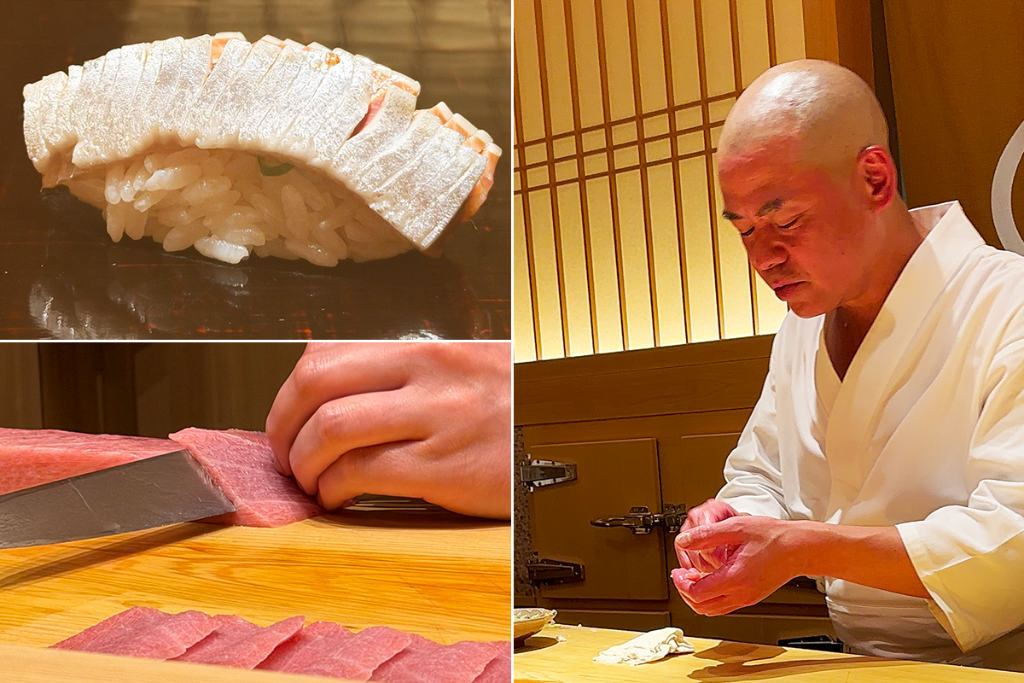
I have no idea how many times I have stood in front of Sugita’s door. What I do know is that every time, I feel that same small electricity I felt the first time. At Sugita, time seems to stop.

I feel as if I am in a theatre, watching the precise movements of a Zen master: slicing fish, caressing rice, producing perfect nigiri with his eyes almost closed. Nothing is there by accident. The room is quiet, the gestures exact, and the emotion is never forced. Over the years, Sugita has become one of the counters by which I measure sushi: humility, beauty, discipline, and the privilege of being allowed to sit there. Again and again, it moves me.

Sugita sushi counter, Tokyo

Saito

Saito, probably the most famous sushi master in the world, needs very little explanation. Some sushi counters are famous. A few become part of the reason people travel to Japan in the first place. Saito is one of them. But for me, Saito has always also been a merry place, full of warmth behind the precision.

Still, I have rarely seen Saito-san connect with anyone as quickly as he did with Emir Özsüer. The last session was wild: laughter, joy, and that beautiful feeling when a counter stops being formal and becomes alive. So we decided, right there, to create this dinner around Emir’s birthday. Great sushi is one thing. Great sushi on a night like this, with that chemistry already in the room, and free-flowing alcohol? God, you do not want to miss it.

Saito sushi counter, Tokyo

Arai

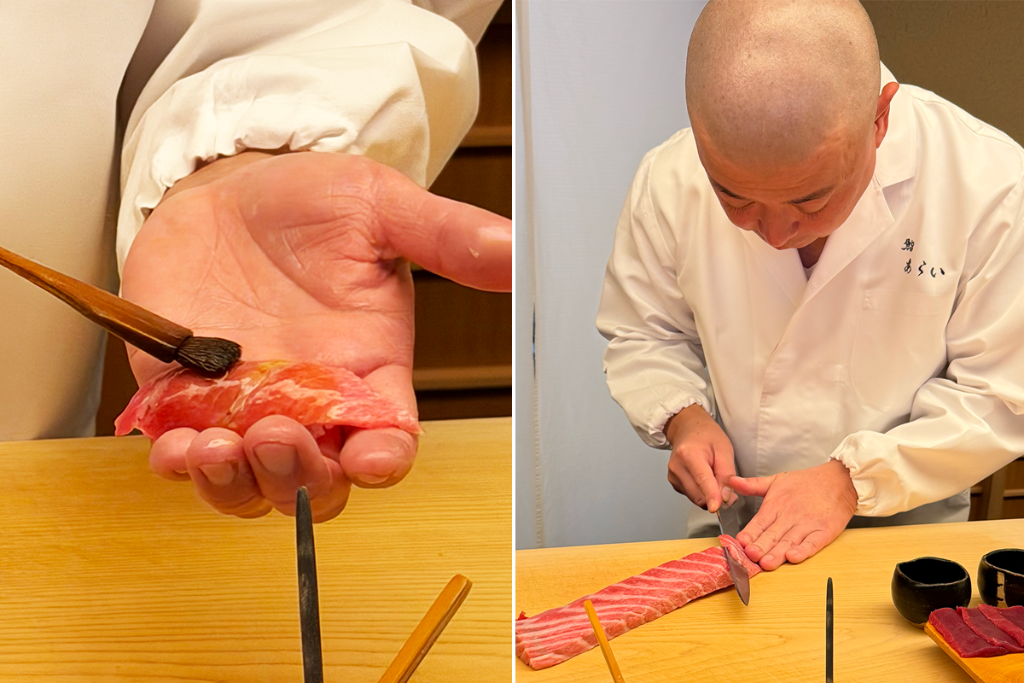
There is something very special about returning to a Tokyo counter for almost a decade and realizing that the restaurant remembers your story too. I started going to Arai nine years ago, only one year after he opened, when he already had two Michelin stars and was being spoken about as Japan’s new sushi wunderkind.

To me, the Arai experience is one of the most intimate, joyful, precise, and simply oishii sushi experiences in Tokyo. It is the kind of place I could visit every week. Arai-san is known for the extraordinary quality of his fish, especially the tuna he sources from Yamayuki, and for those irresistible signature triple chutoro nigiri that somehow make everyone around the counter smile. Today, Arai is one of the defining sushi masters of his generation, but what moves me most is the continuity: the warmth, the memory, and the quiet privilege of still being welcomed back.

Arai counter, Tokyo

Sora

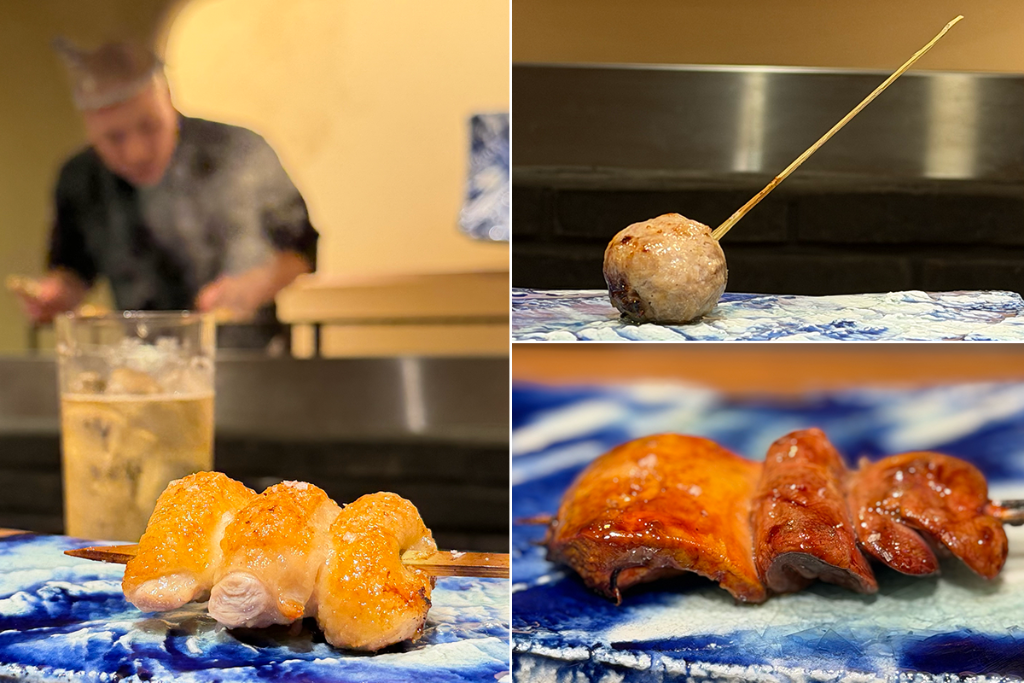
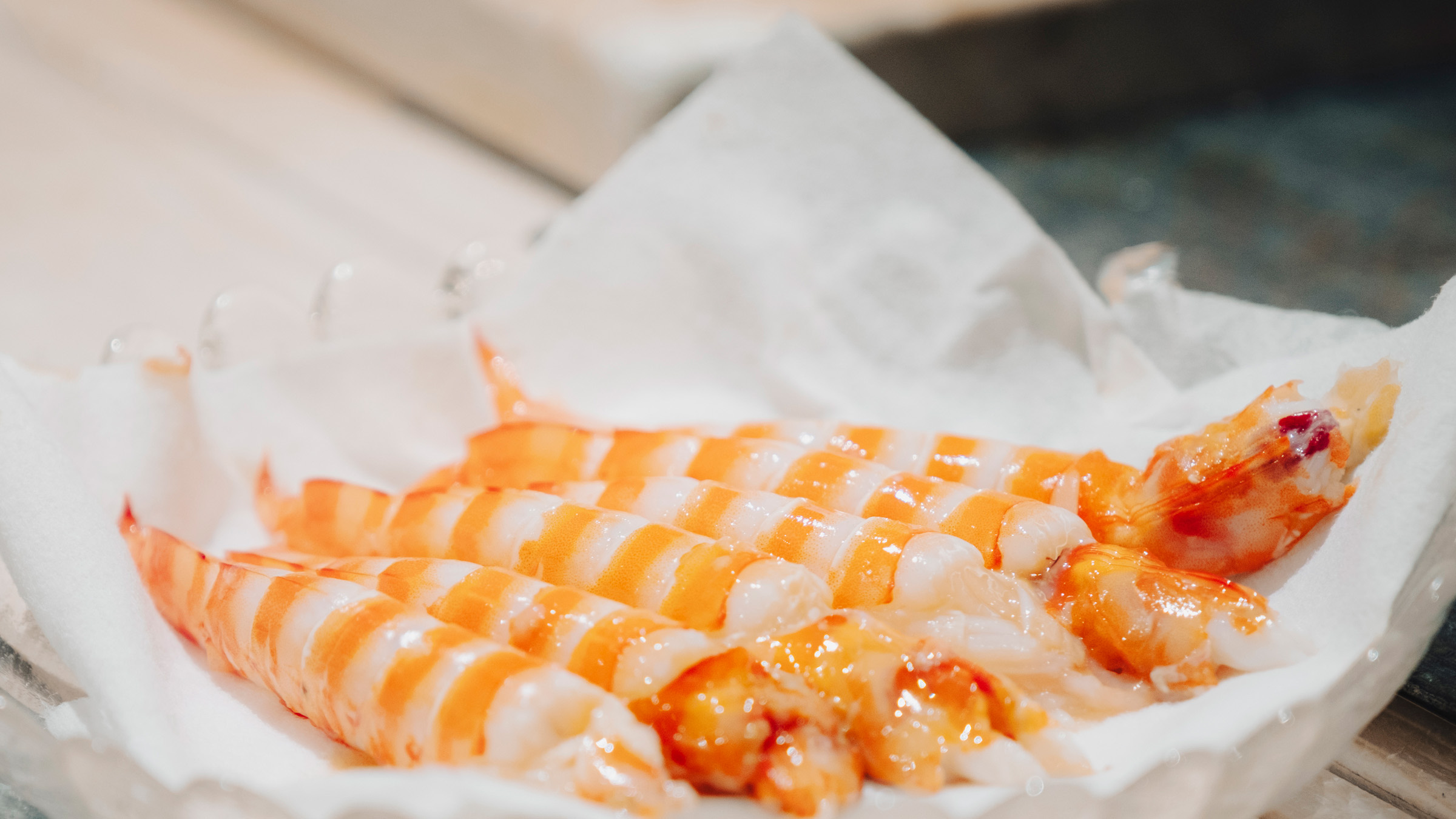
I first heard about Sora last October while dining with Makoto Suetomi at DiverXO. The magician of fire told me he was opening a new eight-seat yakitori place. Knowing that every Suetomi project becomes fully booked for years, I immediately booked the counter for March, and again for May.

That was a smart move. Suetomi-san created a yakitori restaurant unlike anything I had seen before: eight seats, a giant robata raised like a stage, and Junji Suzaki, a master from Nagoya, standing at the fire with the extraordinary chickens Nagoya is famous for. Each skewer is impossibly beautiful, served on century-old tableware, and delicious to the point of tears. It is intimate, theatrical, precise, and deeply joyful.

Sora yakitori, Tokyo

Motoyoshi

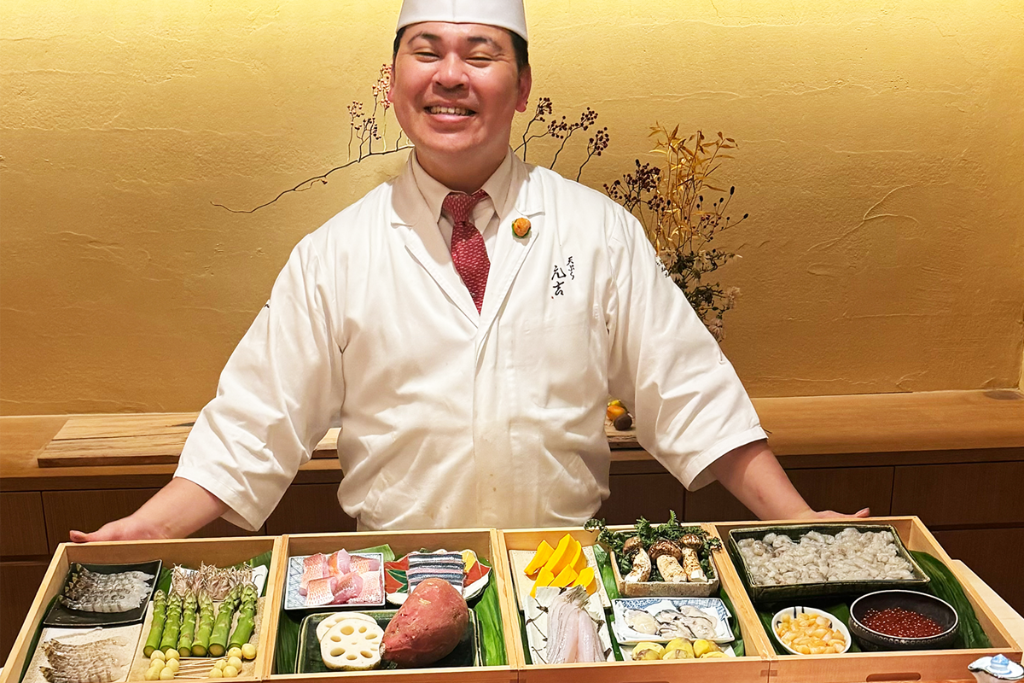
I began going to Motoyoshi nine years ago, at his old place in Aoyama, and immediately fell in love with this gentle man who always seems to have a smile on his face. Over the years, I slowly understood the depth of his greatness: the infinite creativity, the absolute aesthetic sensitivity, the way he designs everything, from the small cherry garden at the entrance to the chopsticks and ikebana.

Motoyoshi’s tempura is pure. Always made with the season’s top-grade ingredients, many delivered directly by the growers themselves. Nothing is heavy. Everything is precise, light, and deeply delicious. And yet the room is relaxed, warm, full of laughter. Greatness without stiffness. That is Motoyoshi.

Tempura Motoyoshi, Tokyo

Shima

My love affair with Oshima-san, and later with his charming wife, began more than ten years ago because of a mistake on my bill. The next morning, the hotel front desk told me Mr. Oshima had come after midnight to apologize. I had been charged ¥13,126 too much. He left an envelope with that exact amount. All I could think was: this can only happen in Japan.

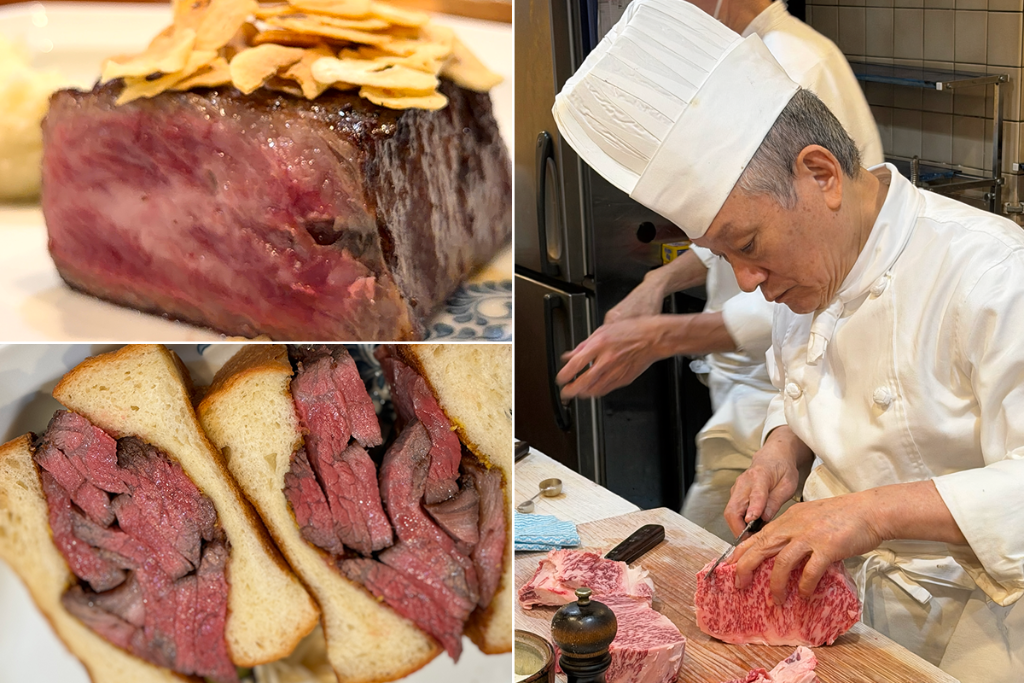
Over the years, we have brought hundreds of new fans to this shrine of Japanese steak. Always the best wagyu, but never A5. Too fatty, according to the master. A4 or A3 make the best steaks, he says, and we all agree. Together, we even created the off-menu “Califa Special” wagyu sando, available only to us.

Shima Steak, Tokyo

Kyoto

Maeda

Maeda is one of the great Kyoto restaurants of our time: a kaiseki-kappo counter that was awarded three Michelin stars and then, like quite a few serious Japanese shokunin, decided to give them back and continue on its own path. But unlike many kaiseki places, which can feel very serious and take a long time to unfold, Maeda is relaxed, generous, and full of bold flavors.

The atmosphere is helped, of course, by the ever-flowing sake we always seem to enjoy with Maeda-san and his two chefs. For this tour, we return twice: one night for the almost impossible three-star izakaya night, born from Maeda-san’s own idea, and one night for the full seasonal Maeda experience.

Maeda seasonal menu, Kyoto

Tempura Matsu

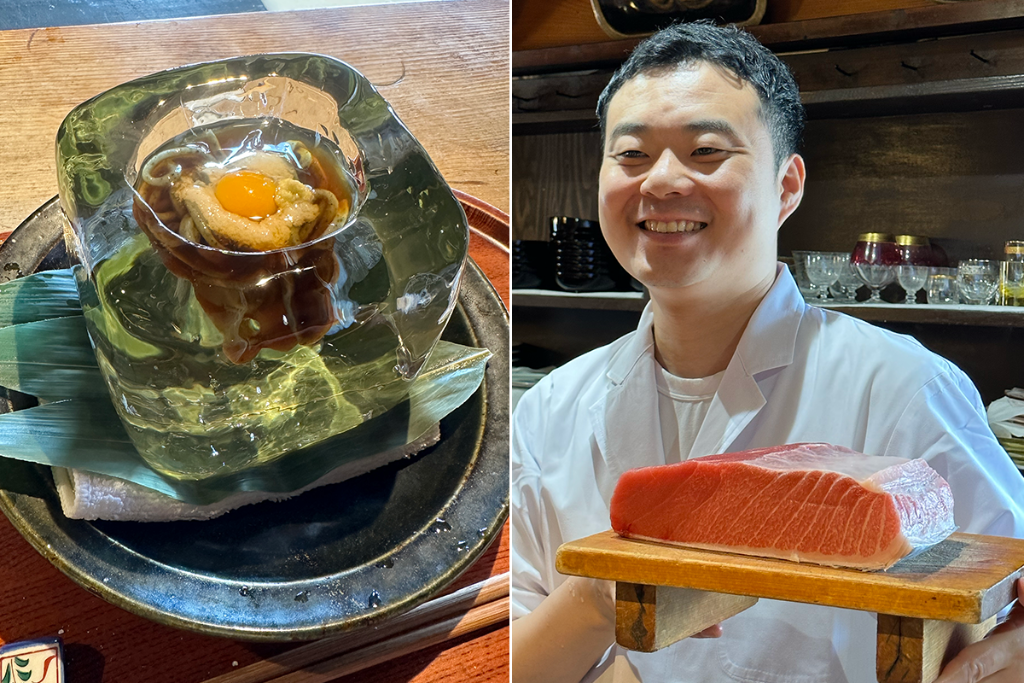
Tempura Matsu opened more than 50 years ago by Toshi-san’s father, but became one of Kyoto’s great kappo counters when Toshi took over. He kept the name as a tribute to his father, even though today only a few pieces of tempura appear inside a glorious omakase meal. It is still very much a family restaurant, with Toshi’s charming mother running the front.

When we visited last May, I asked Toshi how his sister Mariko was doing. He told me she had married and moved with her husband to their bamboo farm. Then he casually added that, from time to time, he goes to the market, buys ingredients, and cooks BBQ lunches there. That was the moment I knew the tour was complete.

So Tempura Matsu will appear twice on this journey, in two completely different ways: first at Mariko’s bamboo farm, where Toshi-san will cook a special BBQ lunch for us, and then again at Tempura Matsu itself, for the full Kyoto experience by the river.

Tempura Matsu, Kyoto

Tokyo

Toyosu Fish Market

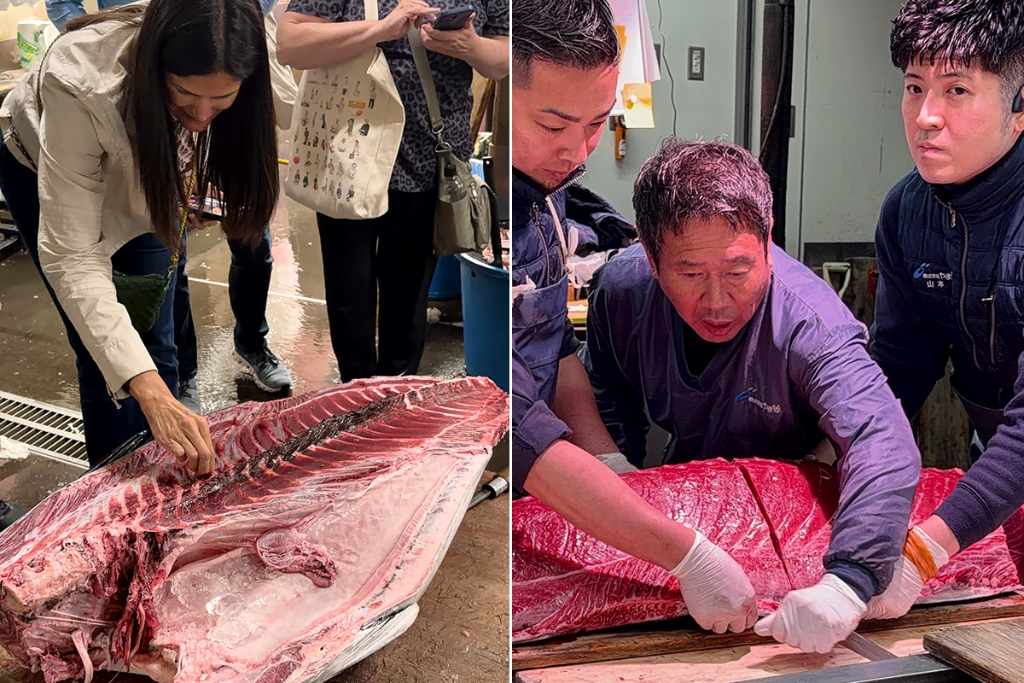
Toyosu is not just a fish market. It is a microcosm of Japan: precision, hierarchy, speed, silence, trust, obsession, and the invisible relationships that decide what ends up on the greatest counters in the country. To walk through Toyosu properly is to understand that Japanese food begins long before the restaurant. It begins with judgment: eyes, hands, timing, season, reputation, and people who have spent their lives learning what most of us will never see.

And at the center of that world stands Yamaguchi-san, my friend, the King of Tuna and head of Yamayuki, the most important and revered tuna company in the market. When Japan’s greatest sushi chefs serve tuna, very often the story passed through his hands first.

On any morning, walking through Toyosu’s corridors, you meet many of Japan’s great chefs. Not because they have to wake up early and be there. Because they want to. Toyosu is where relationships are kept alive: small talk, friendships, trust, the social fabric behind the food. That is why it matters.

Toyosu Fish Market, Tokyo

Where We Stay

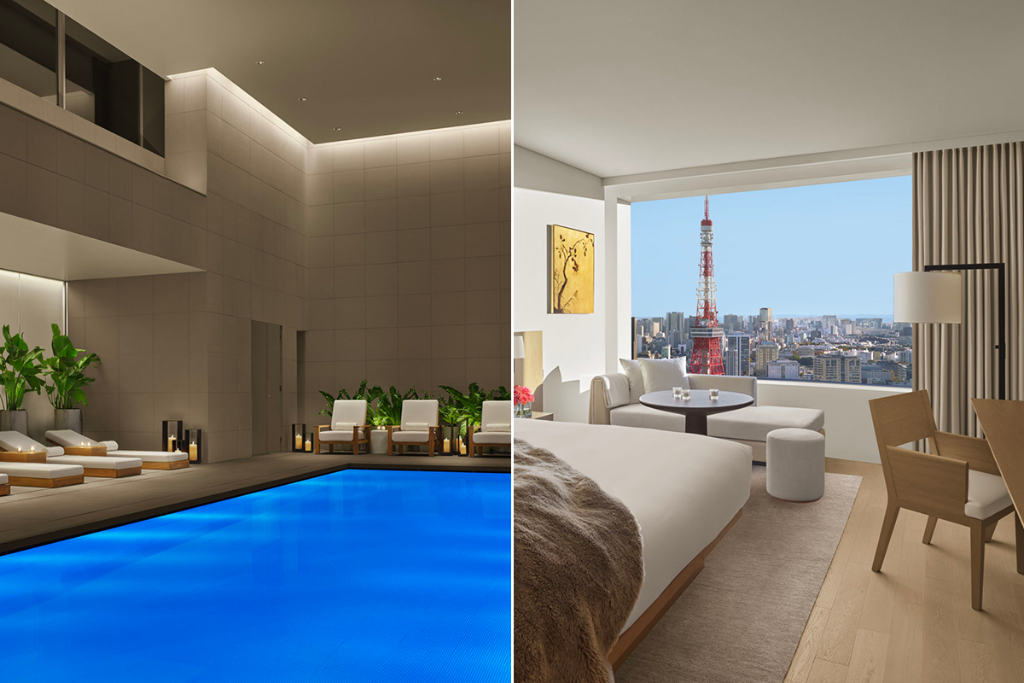
The Tokyo EDITION Hotel

The Tokyo EDITION Hotel

Check-in
Tuesday, February 2, 2027
Check-out
Sunday, February 7, 2027

The Tokyo EDITION, Toranomon has been our Tokyo home for the last five years. Sleek, calm, beautifully designed by Kengo Kuma with Ian Schrager’s vision, it sits perfectly between old Tokyo and the city’s new skyline. From the rooms, Tokyo Tower feels almost close enough to touch. For us, it is not just a hotel. It is where our Japan journeys begin.

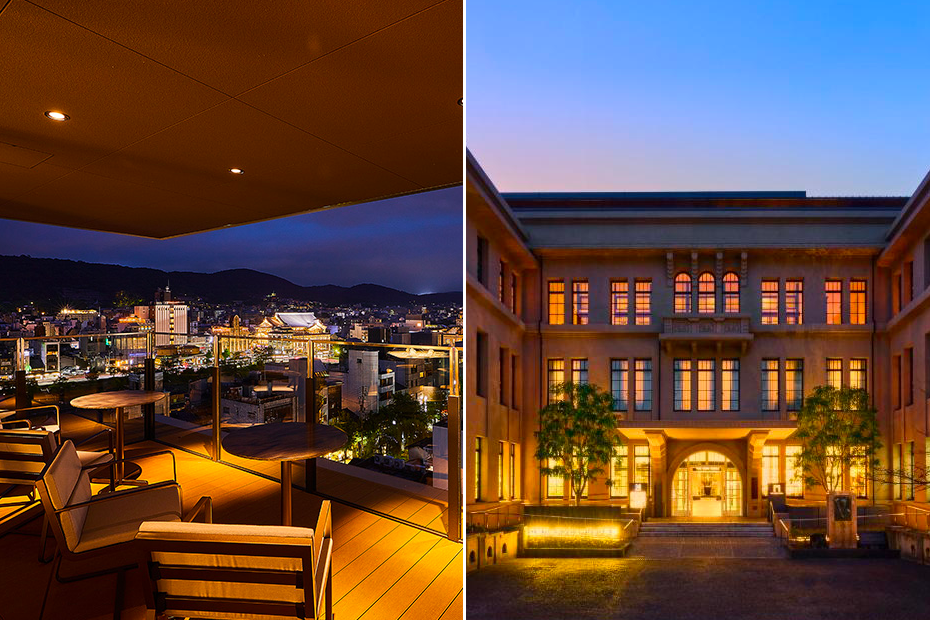
The Gate Hotel Kyoto

The Gate Hotel Kyoto

Check-in
Sunday, February 7, 2027
Check-out
Thursday, February 11, 2027

The Gate Hotel Kyoto Takasegawa by HULIC will be our Kyoto base: calm, elegant, and perfectly placed between the old city and the Kyoto we love to wander through. Steps from Gion, Pontocho, and the river, it gives us exactly what we need after long meals and long days: comfort, quiet, and the feeling that Kyoto is just outside the door.

The Essentials

First meal
Dinner on Tuesday, February 2, 2027.
Last meal
Dinner on Wednesday, February 10, 2027.
Full timetable
The full timetable of meals and activities will be emailed to participants ahead of the tour.
Tour Fees
Per person, shared room: USD 13,850
Single occupancy supplement: USD 3,350
Price includes
All food, beverages, taxes, service charges, one-way first-class Shinkansen ticket from Tokyo to Kyoto, and nine nights of accommodation.

Hotel stays booked as part of the tour are not eligible for loyalty program points.

Price does not include
  • Airfare to and from Japan
  • Local transportation outside the official tour program
  • Travel insurance
  • Medical insurance
  • Personal expenses

If this feels like your journey

This will be one of the most special Japan journeys we have ever created.

If this feels like your Japan, fill out the form below and we’ll come back to you personally.

A Note on Set Menus

The menus offered during the tour are selected by The Hungry Tourist with the help of our local partners.

We believe they represent the best culinary experiences Japan has to offer.

Guests may order outside of these menus at their own expense.

Unless stated otherwise, aperitifs and digestifs, including pre-dinner champagne, cocktails, and after-dinner drinks, are not included in the wine pairings and should be settled directly by the guest.

Payment

A non-refundable deposit of USD 2,500 per person will be charged upon reservation.

The remaining balance must be paid no later than 60 days before the first day of the tour.

Payment by bank transfer is preferred.

Credit card payments are subject to a 4.5% processing supplement.

Cancellation Policy and Penalties

The deposit is non-refundable in all cases.

If cancellation is received more than 30 days before the first day of the tour, the deposit will be forfeited.

If cancellation is received between 30 and 10 days before the first day of the tour, 50% of the total tour fee will be charged, and any remaining balance paid will be refunded.

If cancellation is received within 10 days of the first day of the tour, or if the guest is a no-show, the full tour fee will be charged.

They were there

A few words from people who were actually at Maeda the night this tour was born.