Maeda
Visited Fri, Nov 27, 2026 · Dinner
Maeda
The Art of Knowing You
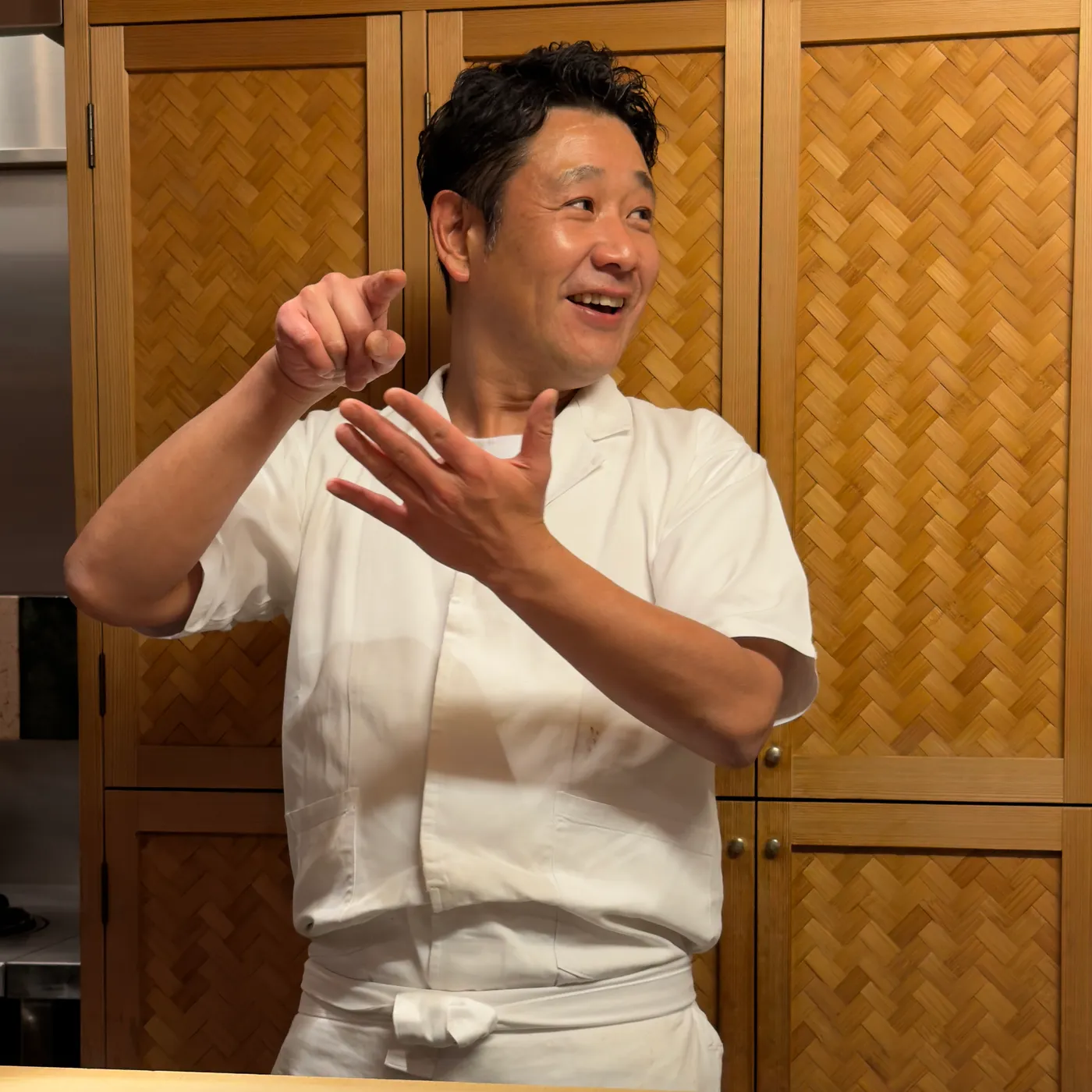
One of the pleasures of eating at Maeda is that I never quite know what this wonderful Kyoto chef is going to surprise me with. Sometimes it's tonkatsu. Yes, tonkatsu! And on this evening, it was going to be unagi don, one of my favorite things to eat in Japan.
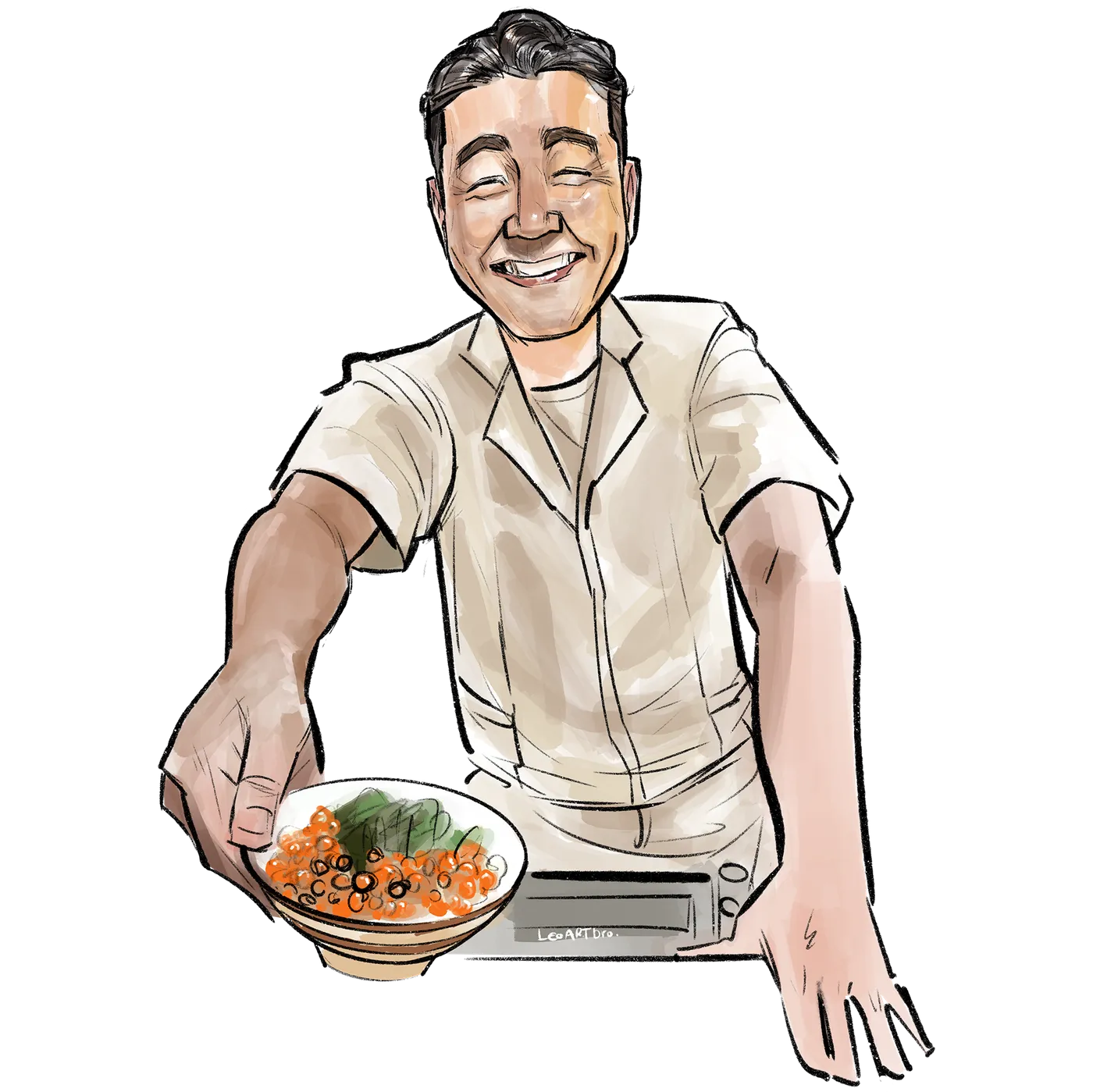
When I told Maeda san that the following day I would be leaving for my periodic detox in Austria, he jokingly suggested that perhaps we should cancel the unagi. His assistant Gaku then explained that they had prepared it because I had mentioned during my previous visit how much I wanted to try Maeda san's unagi. “You remember!” I said to Maeda san.
Over the years, I have come to realize that there is something about eating at Maeda that gives me enormous pleasure, quite apart from the deliciousness of his food. It is the feeling of sitting in front of someone who knows me. During our conversation that evening, I discovered how much thought goes into creating that feeling.
What we ate
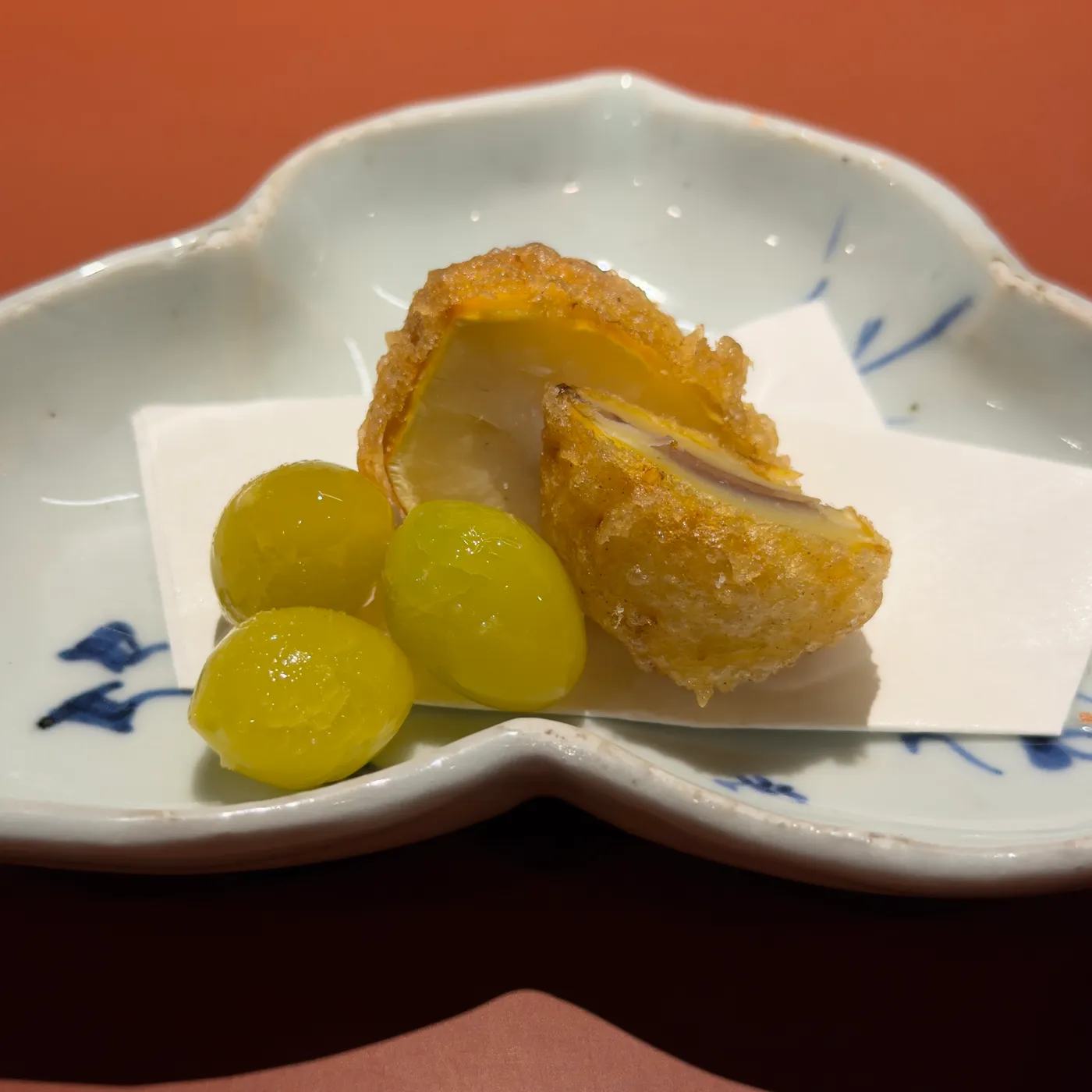
Ginnan & Kuri — 銀杏と栗
Two of the great ingredients of the Japanese autumn. Fried ginkgo nuts alongside a chestnut that had first been simmered in dashi before being fried. I love the idea of introducing the savory flavor of dashi into something we normally associate with sweetness.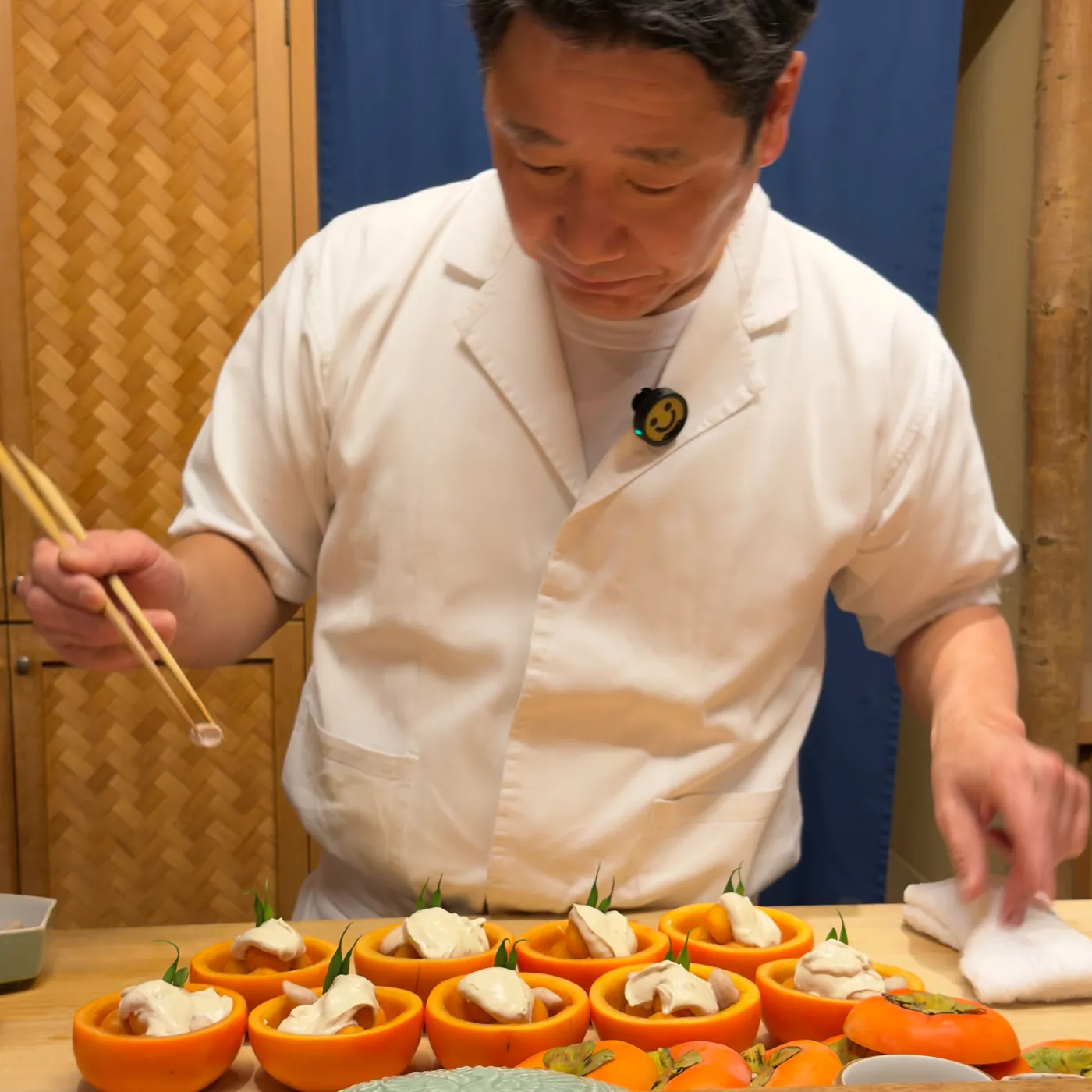
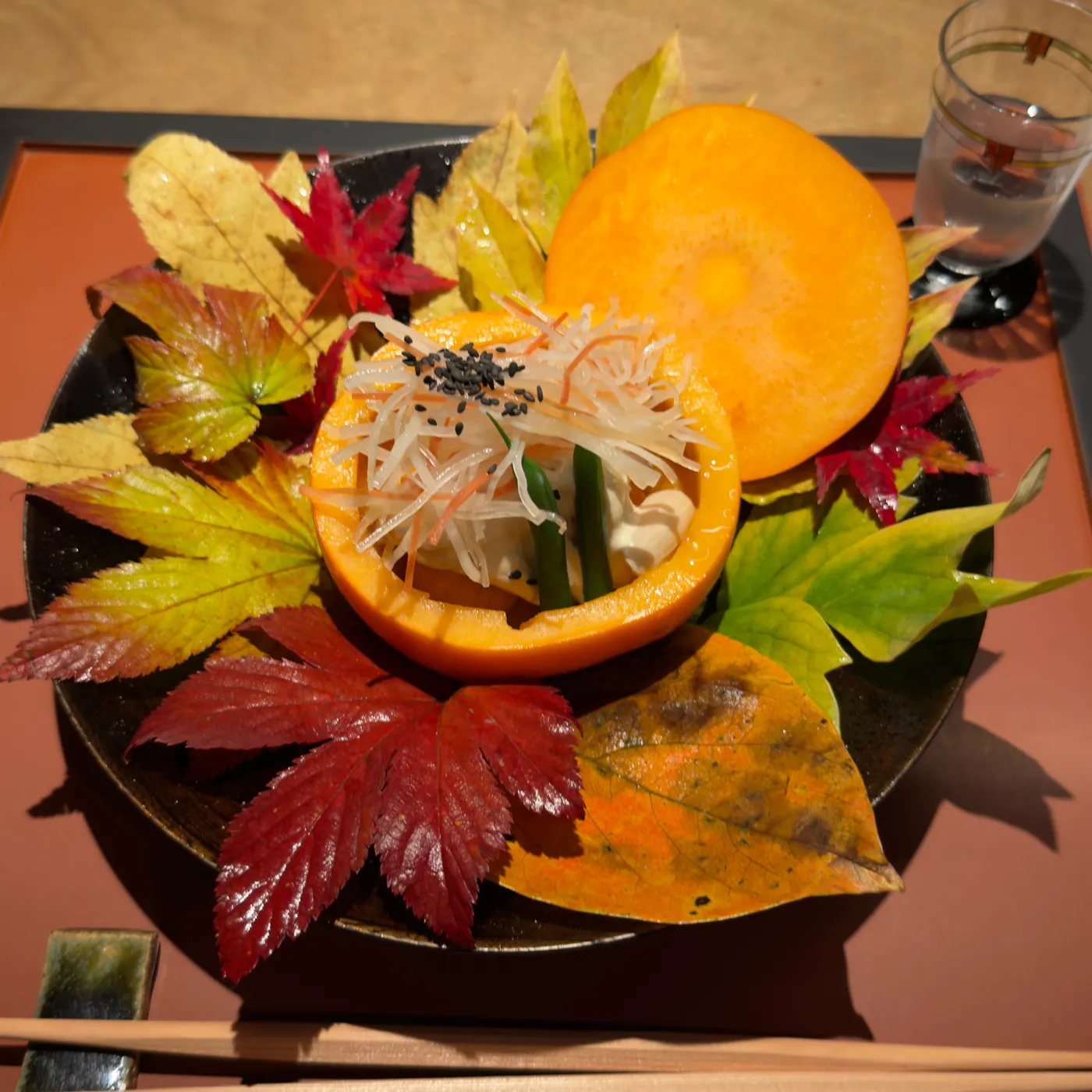
Kaki Namasu — 柿なます
Autumn in Kyoto on a plate. Hollowed-out persimmons filled with little balls of persimmon, yuba cream, peanuts, green beans, daikon, carrot, black sesame, dashi and vinegar. The sweetness of the persimmon, the creaminess of the yuba, the acidity of the vinegar and the texture of the peanuts made for a lovely combination. And just look at those autumn leaves!Anago & Kabu — 穴子と蕪のお椀
Conger eel and turnip in a bowl of dashi, with kikurage mushrooms and fragrant yuzu. The owan is always one of the courses I look forward to when eating Japanese cuisine in Kyoto.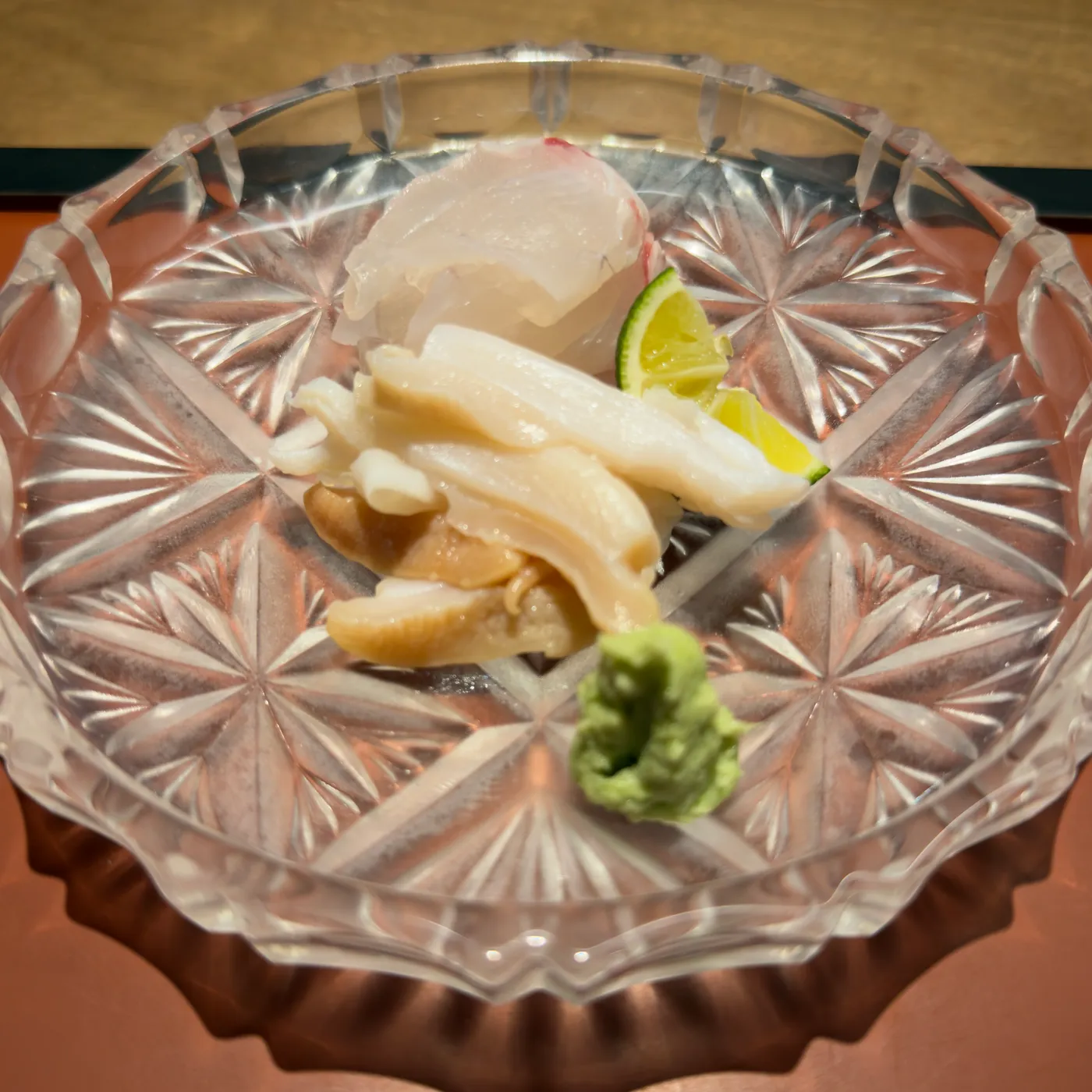
Sashimi — 鯛・白バイ貝・雲丹
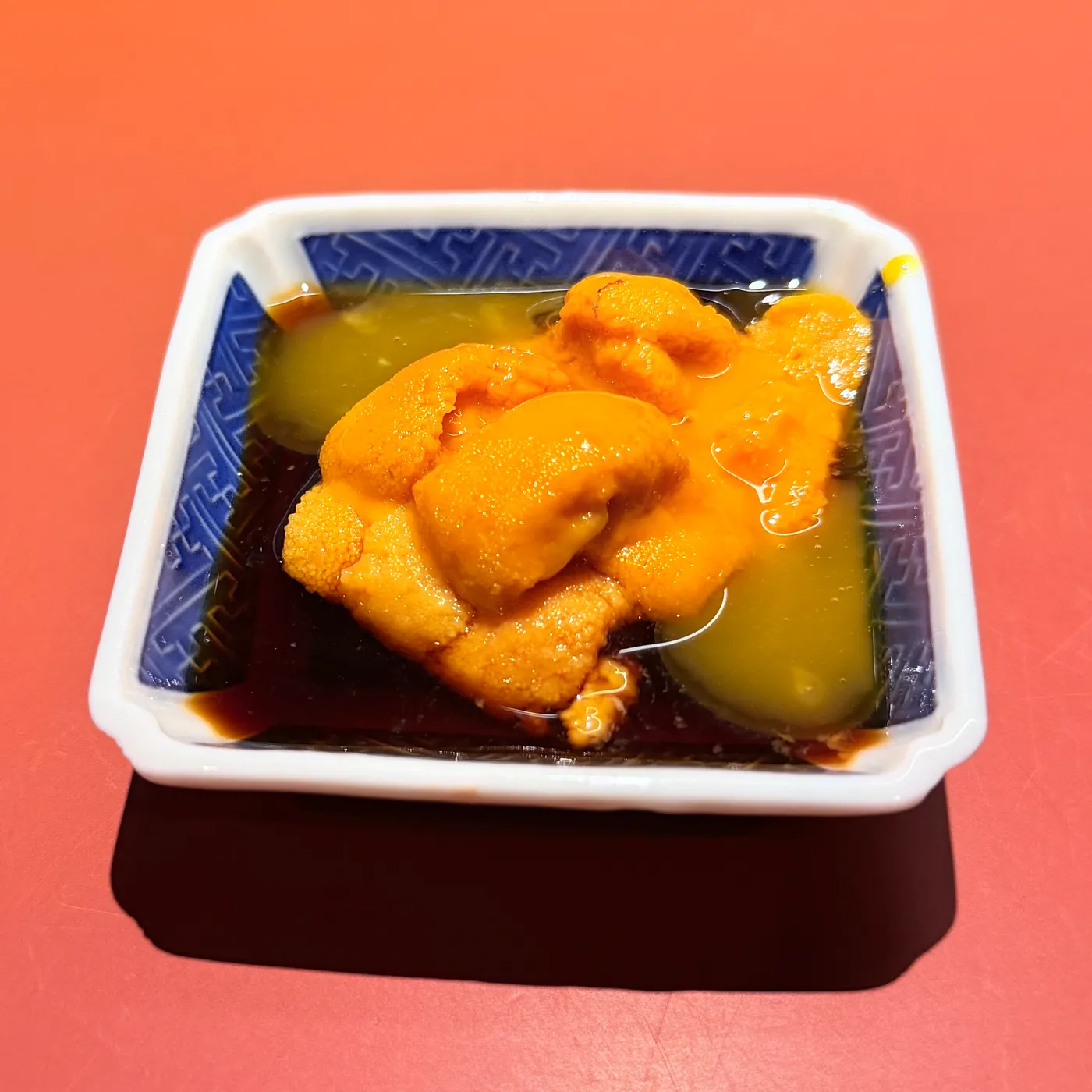
Tai and shirobaigai, Japanese sea bream and white whelk, served with wasabi and citrus. To accompany the sashimi, Maeda san gave us a generous serving of uni with soy sauce and egg yolk. Using uni as a dipping sauce for sashimi is my kind of extravagance. :)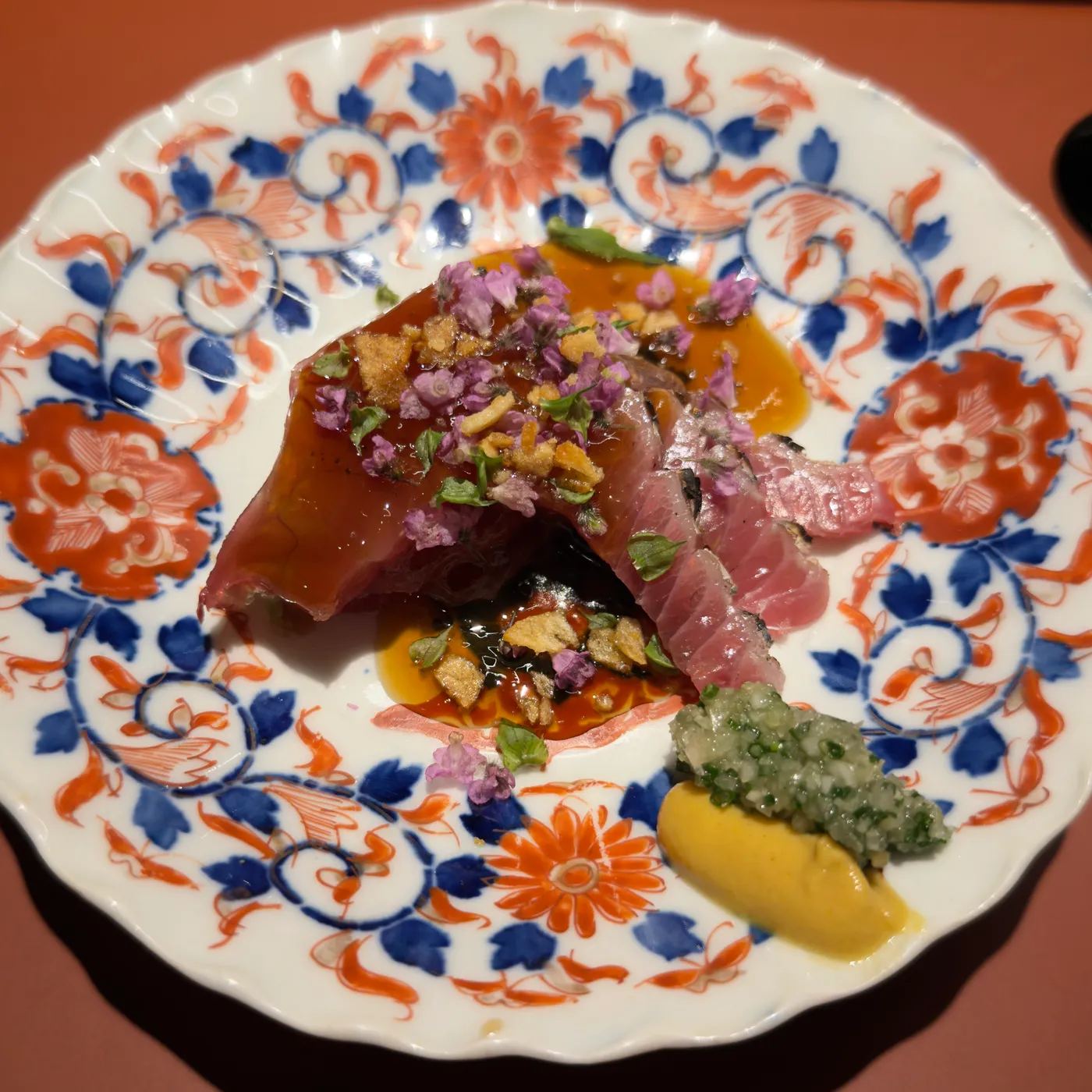
Katsuo Tataki — 鰹のたたき
Seared skipjack tuna with onions, negi, ginger, ponzu, crispy garlic chips and little purple shiso flowers. On the side were Japanese mustard and a mixture of chopped ginger and green onions. I enjoyed changing the combination of condiments with each piece of katsuo.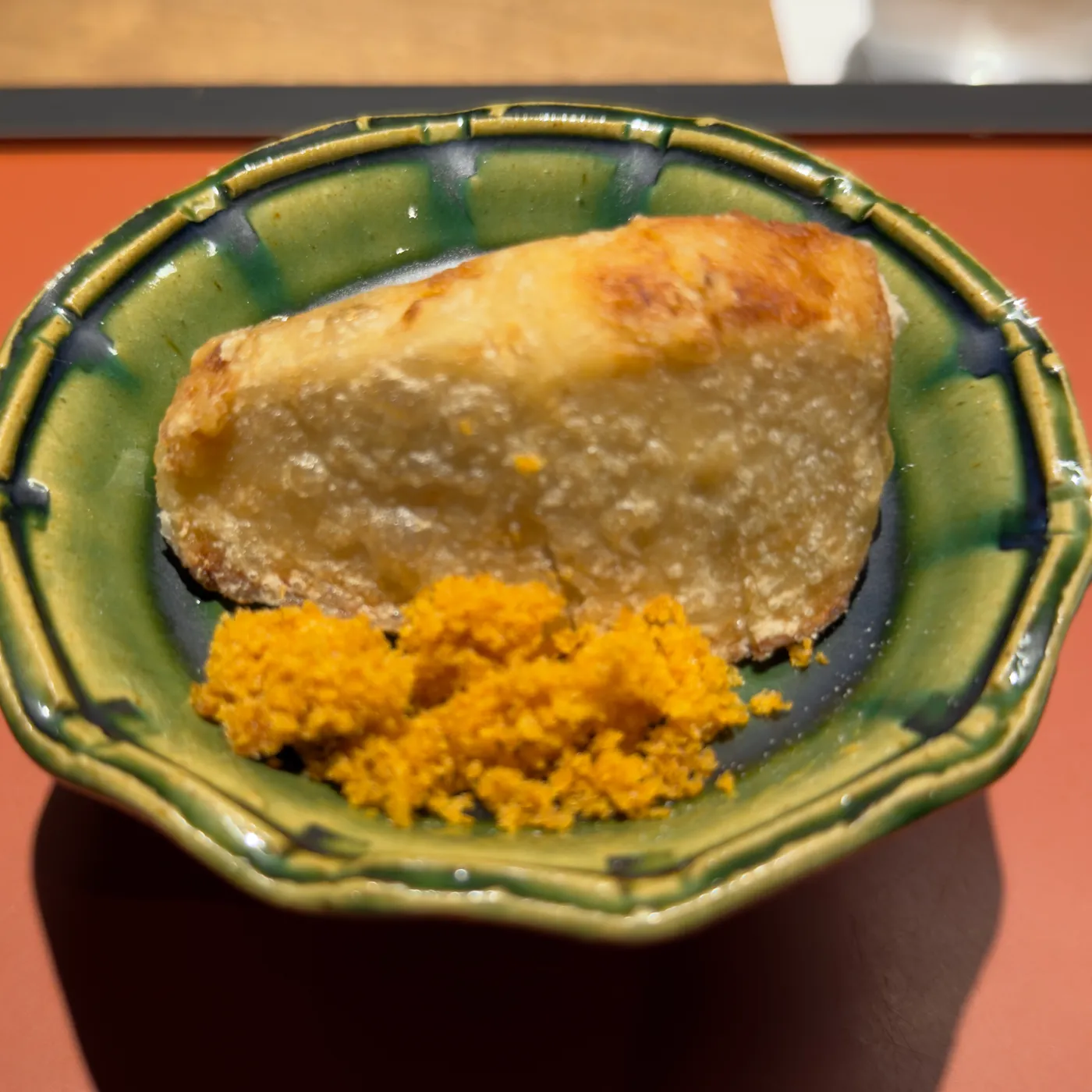
Ebi-imo & Karasumi — 海老芋と唐墨
Ebi-imo, a traditional Kyoto variety of taro, steamed, simmered in dashi and finally fried. Instead of salt, Maeda san served it with grated karasumi, cured mullet roe. The combination of this humble root vegetable and the concentrated richness of karasumi was delicious.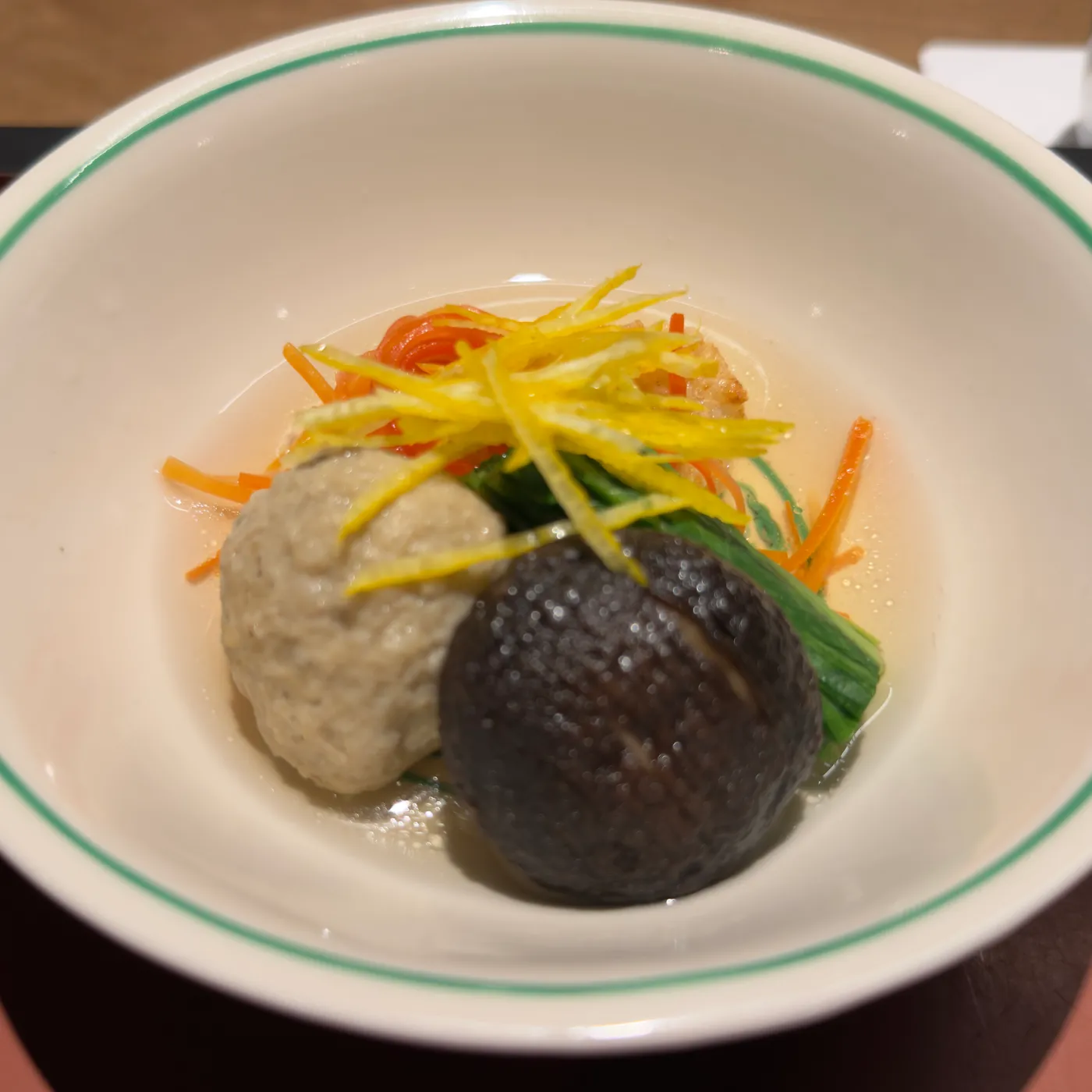
Takiawase — 炊き合わせ
A lotus root manjū, Kyoto mibuna greens, shiitake, carrots marinated in umeboshi and a meatball made from duck and chicken with sansho, finished with yuzu. Maeda san wanted us to understand the meaning of takiawase, a classical Japanese preparation in which the ingredients are cooked and seasoned separately before being brought together in the same bowl. He feels that fewer Japanese restaurants are preparing dishes in this traditional manner today, and throughout the course he reminded his staff to explain it to us.Shiro-amadai — 白甘鯛
White tilefish prepared with sake and soy sauce, accompanied by shishito peppers. A simple preparation for one of Japan's most prized fish.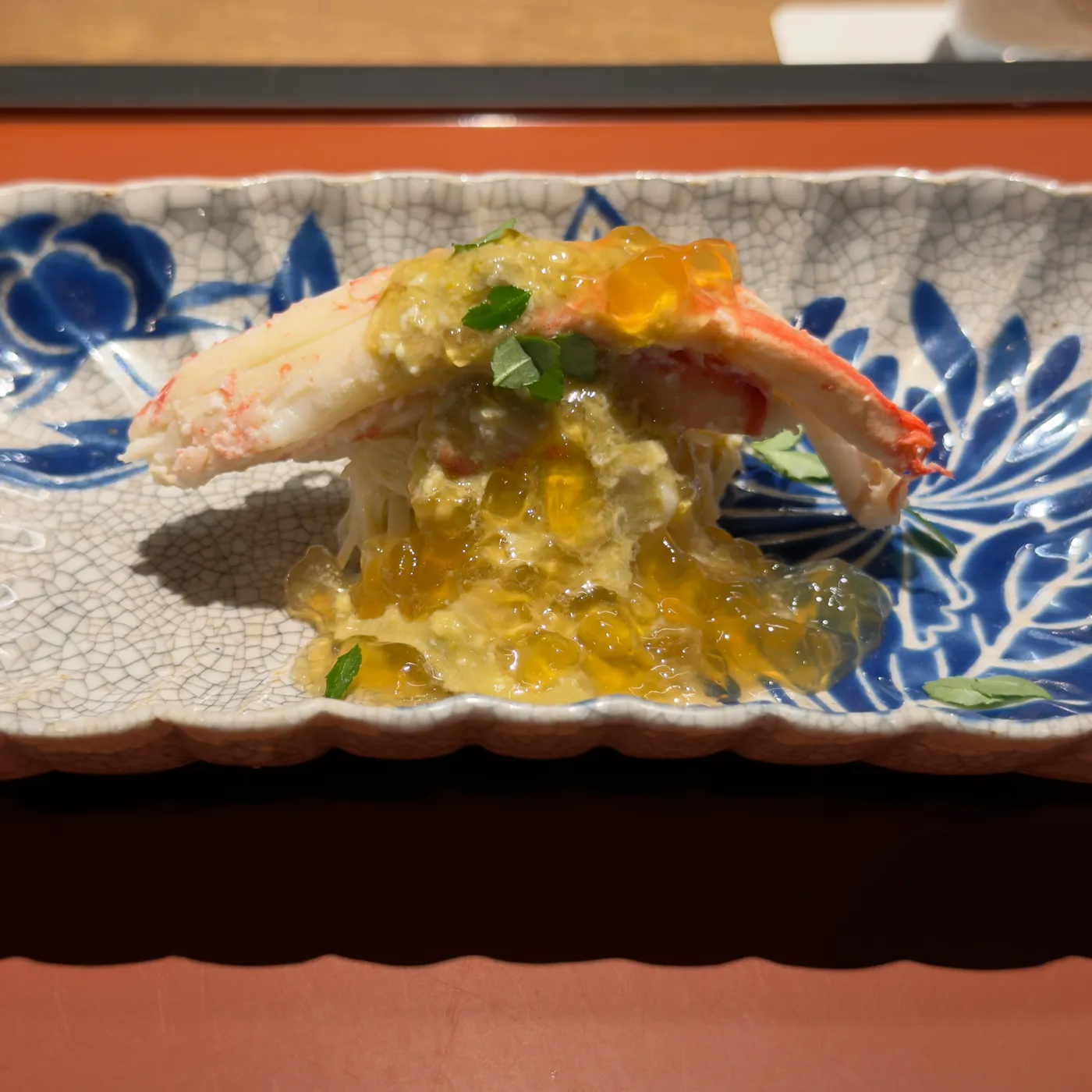
Crab — 蟹
Crab meat and leg, served with kanimiso, kinome and a jelly made with vinegar and dashi. The jelly allowed us to enjoy the acidity of the vinegar, the umami of the dashi and the sweetness of the crab in the same mouthful.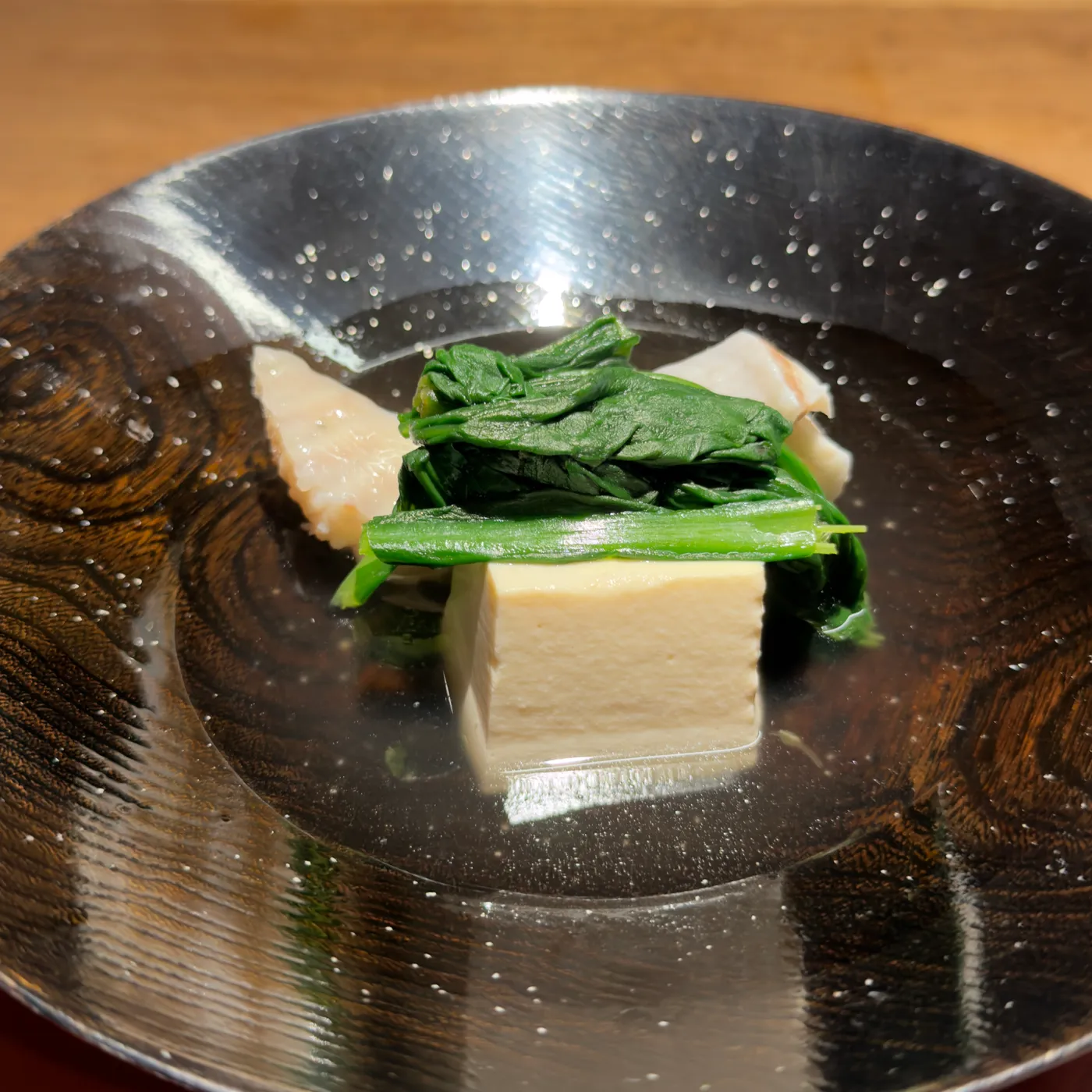
Kue — クエ
Steamed longtooth grouper with tofu, Kyoto kikuna greens and dashi made from the fish itself. The tofu had been made for the restaurant that day by a Kyoto tofu maker. We enjoyed the fish with ponzu and grated daikon.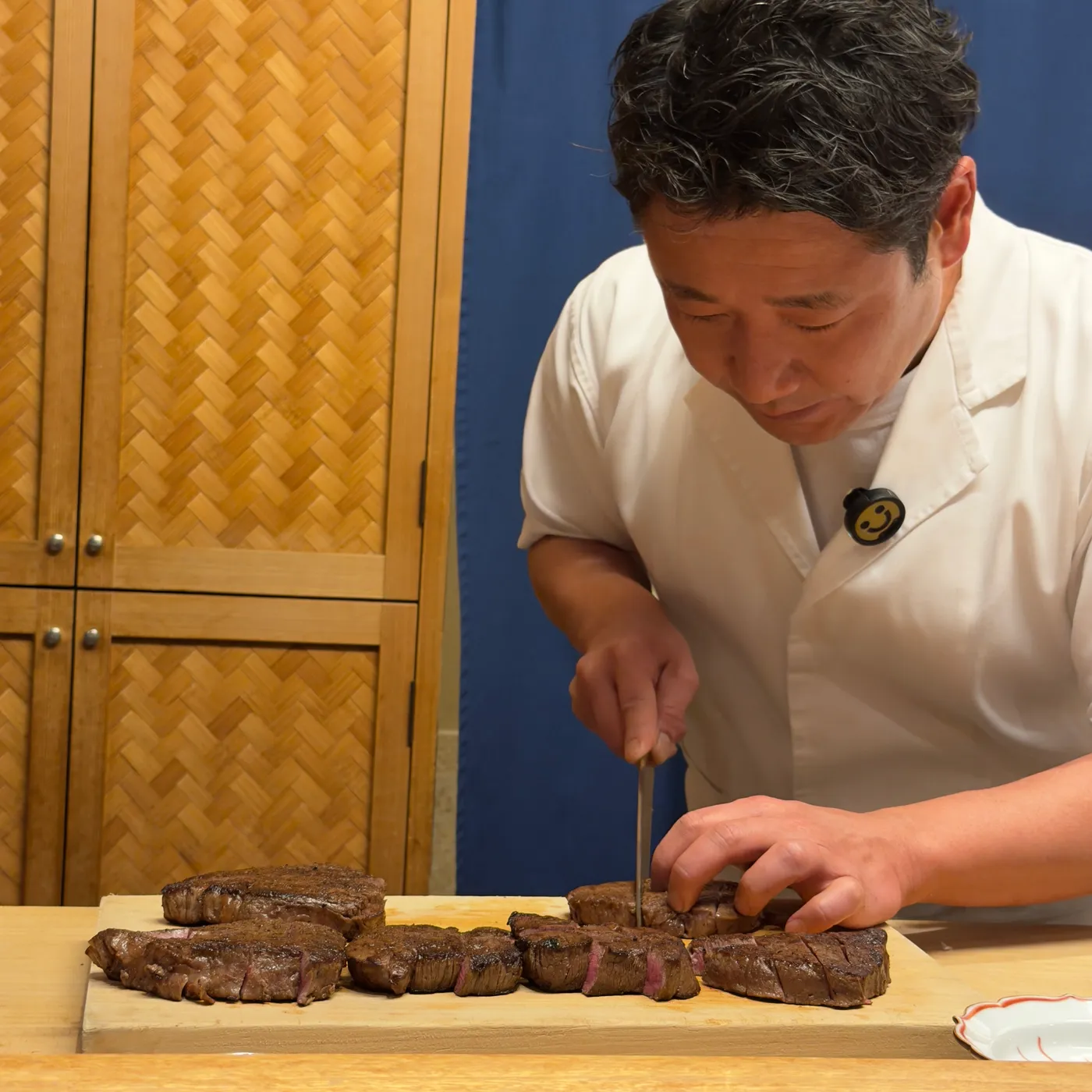
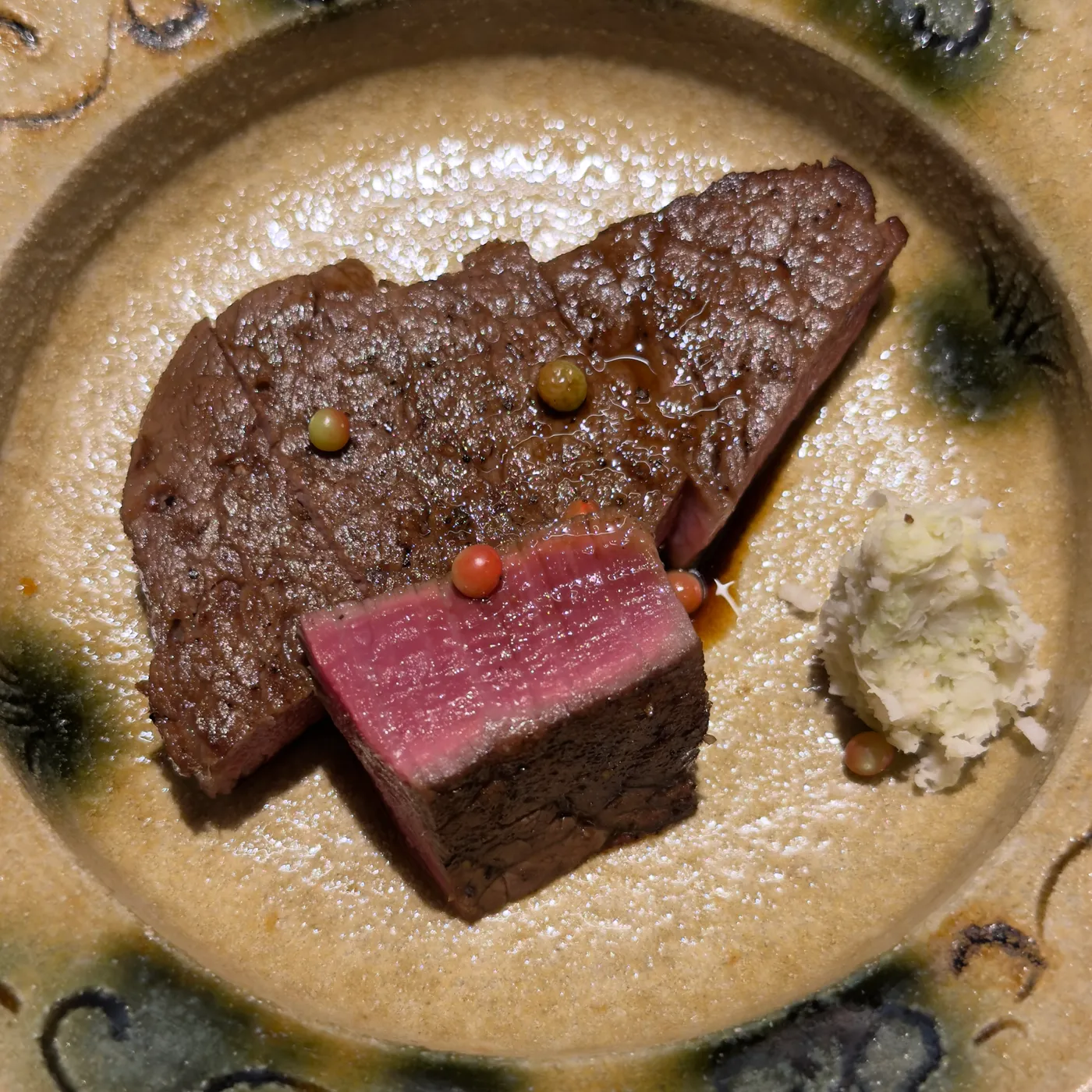
Ōmi Beef Fillet — 近江牛のヒレ
Califa Special No. 1 :) Fillet from Ōmi beef, from neighboring Shiga Prefecture, served with a mixture of Hokkaido horseradish and Shizuoka wasabi, fresh pink pepper, soy sauce and crystal salt. I love that Maeda san is just as happy to cook me a steak as he is to prepare a dish of classical Kyoto cuisine.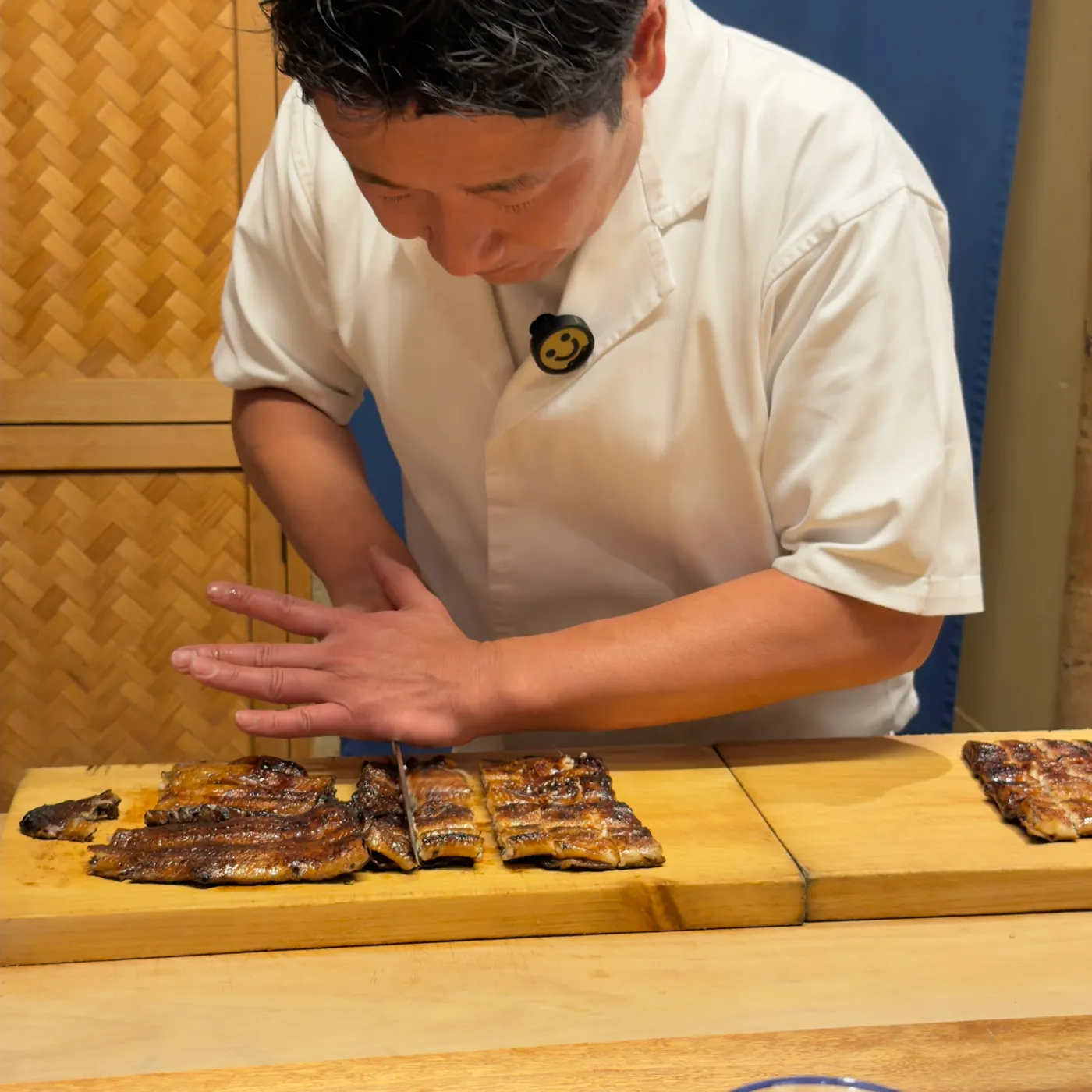
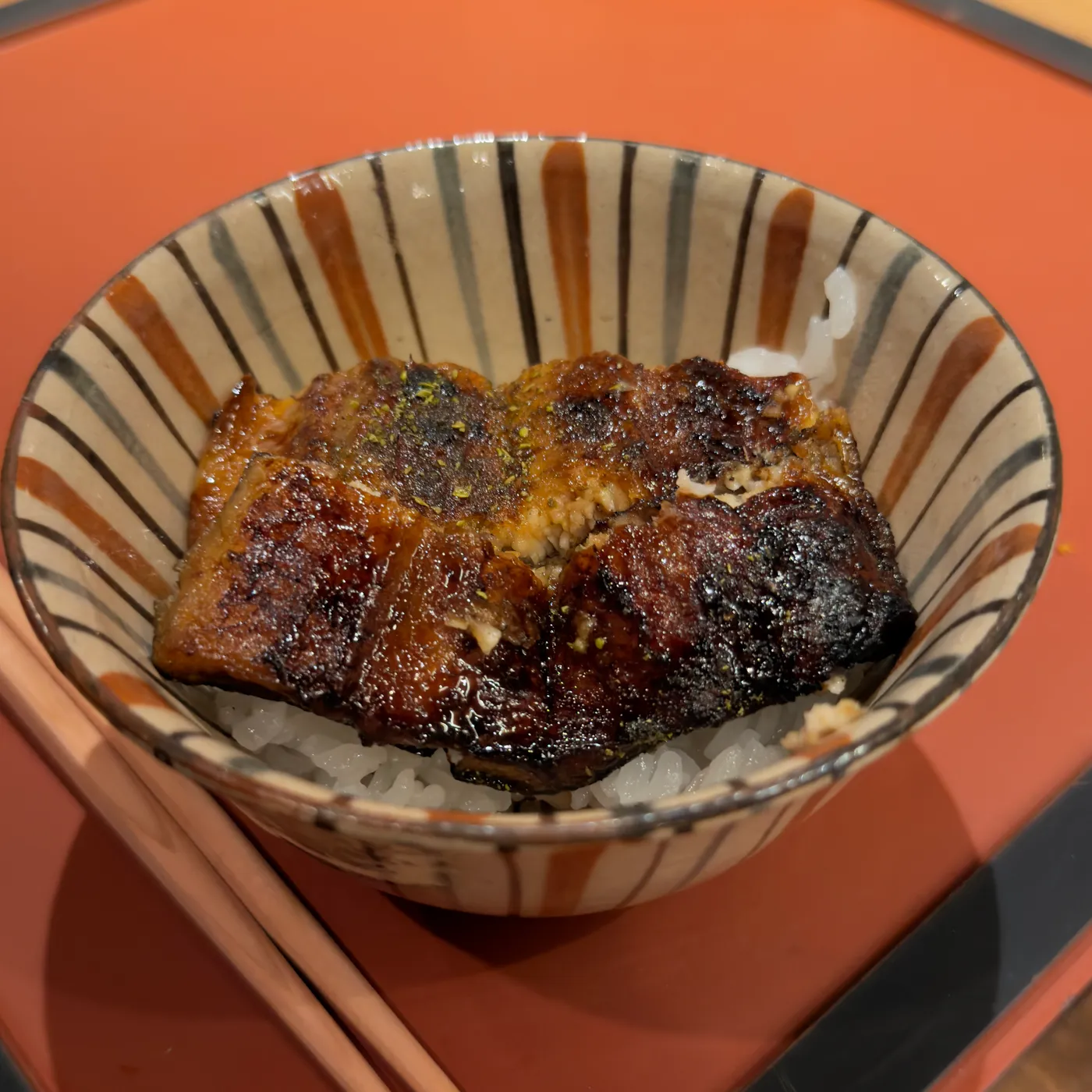
Unagi Don — 鰻丼
Califa Special No. 2 :) And here it was. Grilled freshwater eel, glazed with tare, sprinkled with sansho and served over rice. Few things in Japanese cuisine give me as much pleasure as a good bowl of unagi and rice. Maeda san explained that he had deliberately given the preceding dishes gentler flavors, knowing that beef and unagi would be served towards the end. The two Califa specials had influenced the composition of the entire dinner.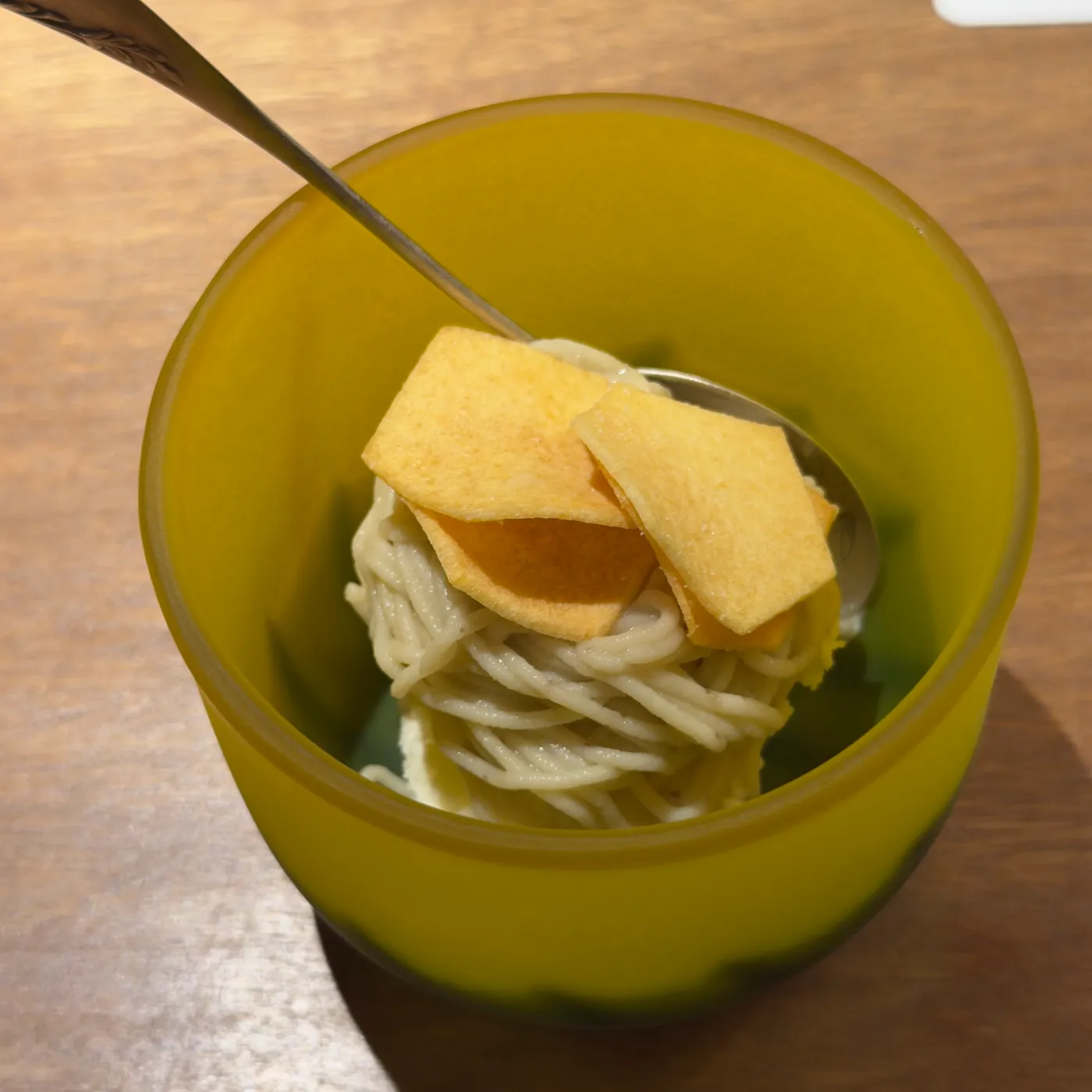
Mont Blanc — モンブラン
Maeda san's Mont Blanc, with fine strands of chestnut cream, vanilla ice cream and crispy chips made from kuwai, Japanese arrowhead. The kuwai added a Japanese touch and a lovely contrast in texture.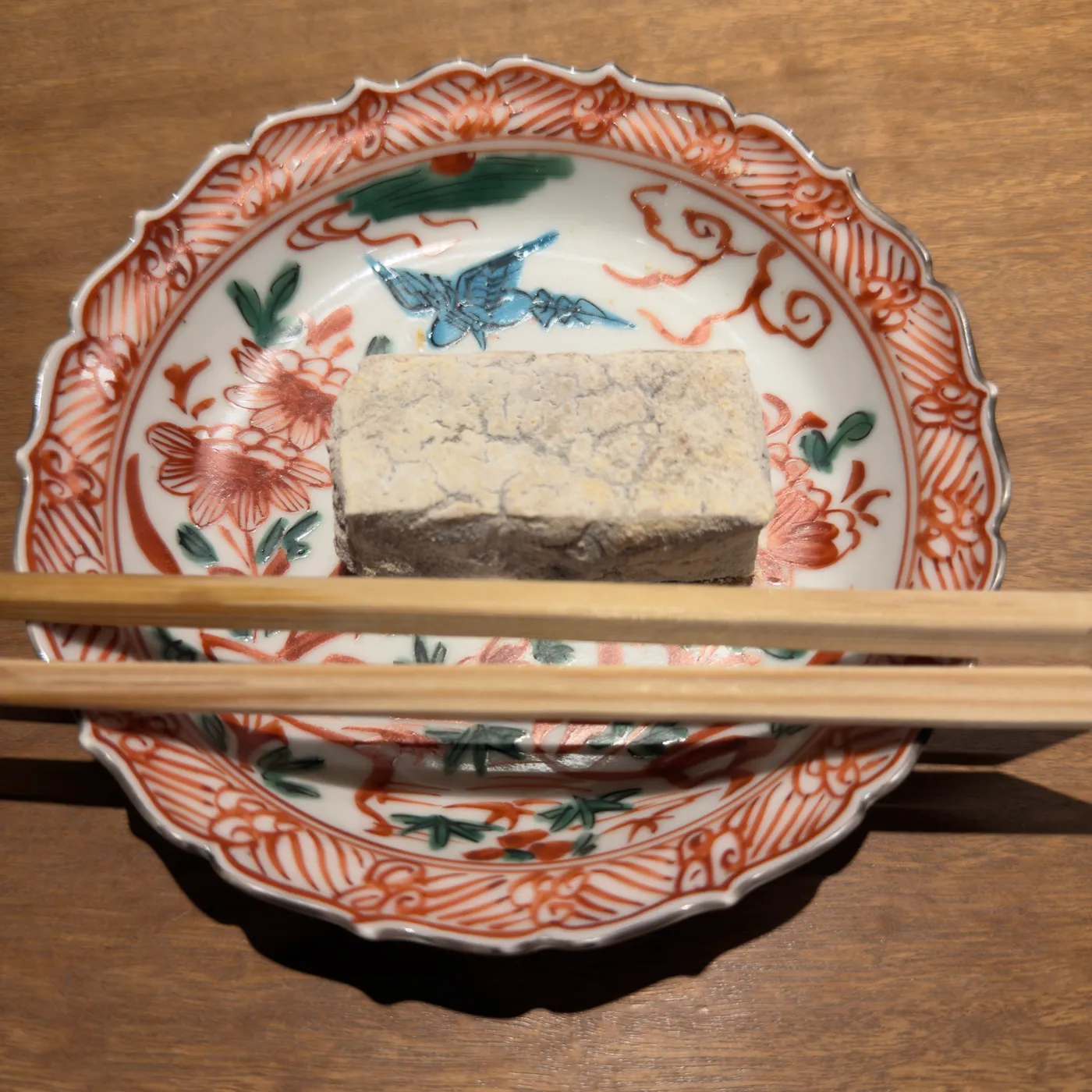
Kuzuyaki — 葛焼き
A traditional Japanese sweet made with just four ingredients: azuki beans, kudzu starch, sugar and water. According to Maeda san, the cooking temperature is the key.What we drank
Drinking sake with Maeda san is very much part of the experience of eating at his restaurant. In fact, I cannot imagine a dinner here without the two of us constantly filling each other's glasses. He loves his sake, and drinking with him often means discovering bottles I have never encountered before. There is always something new to learn and another reason to say kanpai. :)
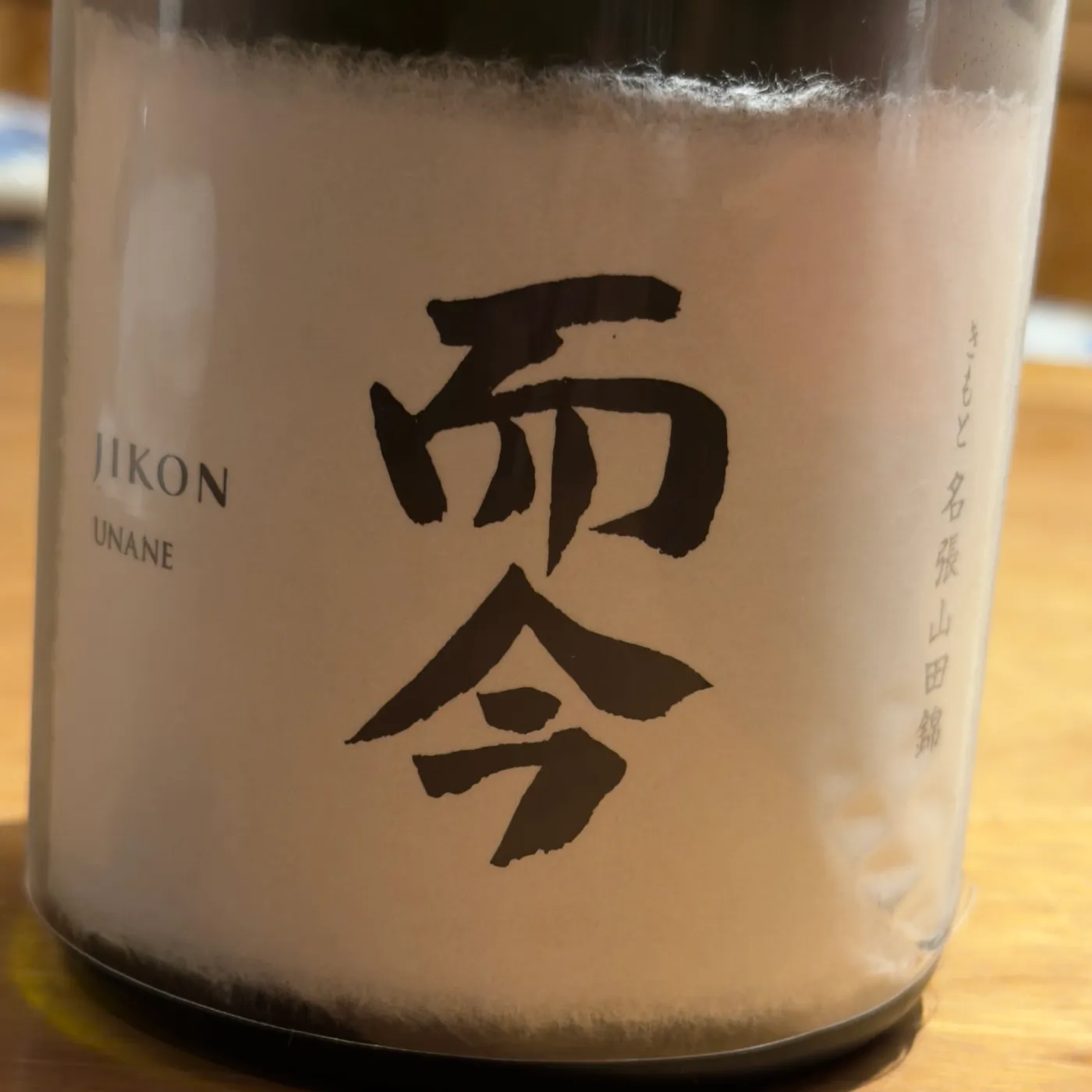
而今 UNANE — Jikon Unane
Kiyasho Brewery | Mie Prefecture
I have enjoyed many expressions of Jikon over the years. This one is made with Yamada Nishiki grown in Nabari, the town where Kiyasho has been brewing sake since 1818, and employs the traditional kimoto method.
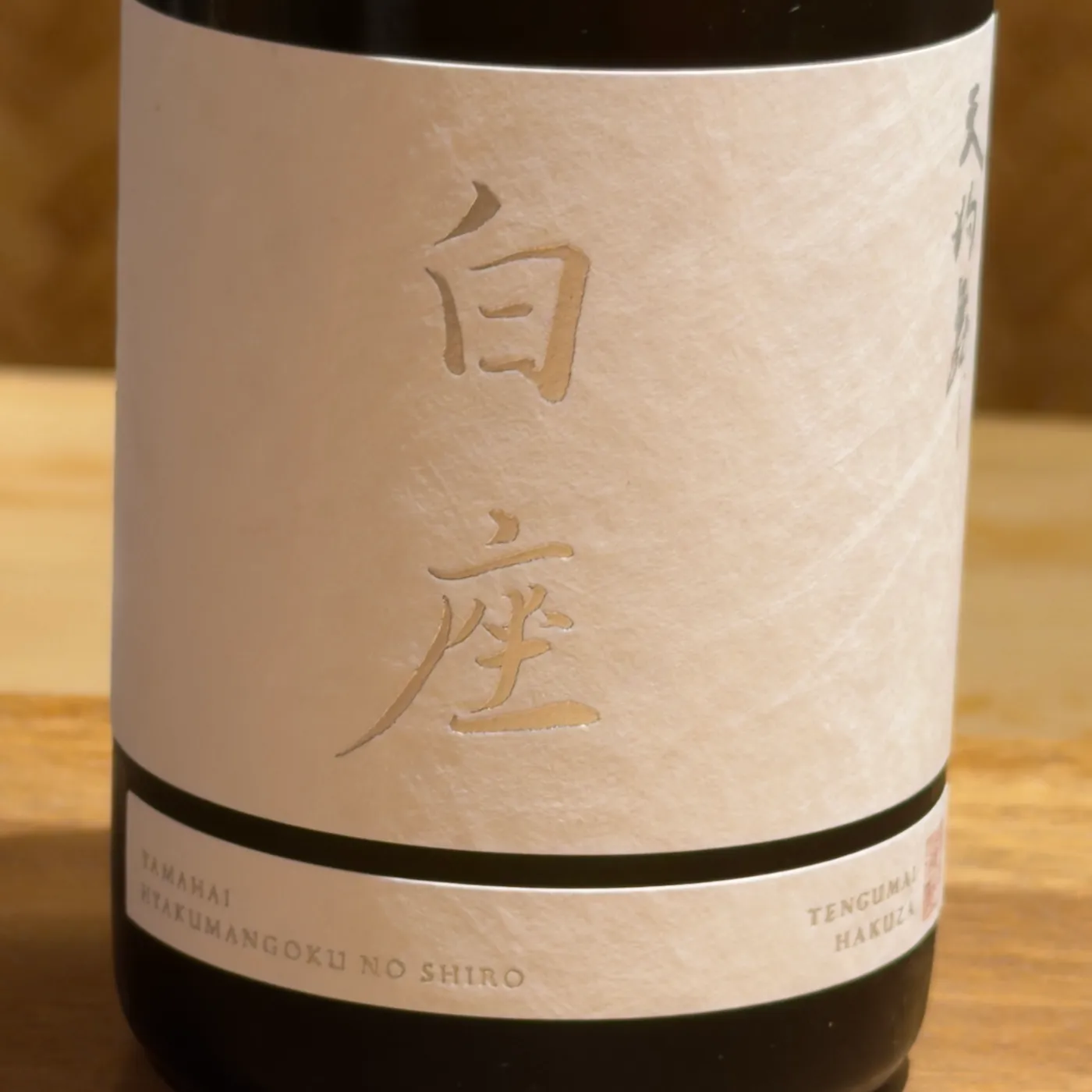
天狗舞 白座 — Tengumai Hakuza
Shata Brewery | Ishikawa Prefecture
I was happy to see this bottle again, having recently written about it in another story. Hakuza explores new possibilities within the brewery's traditional yamahai method, using Ishikawa's Hyakumangoku no Shiro rice. I immediately pulled out my phone and showed Maeda san our Japanese article. :)
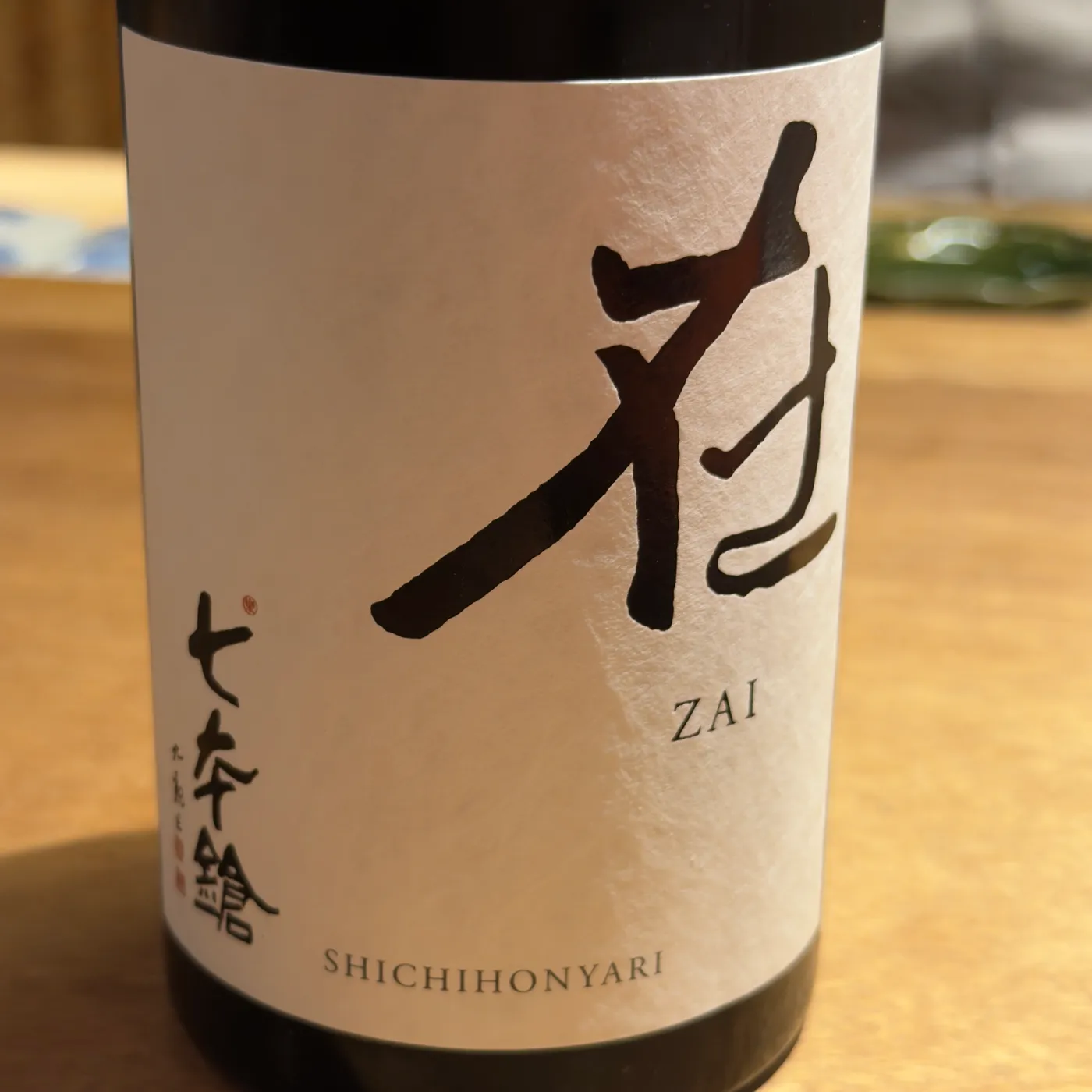
七本鎗 在 — Shichihonyari ZAI
Tomita Brewery | Shiga Prefecture
From Kinomoto, north of Lake Biwa, Tomita Brewery works closely with local rice farmers. Maeda san explained that the rice used for this bottle came from a single farmer.
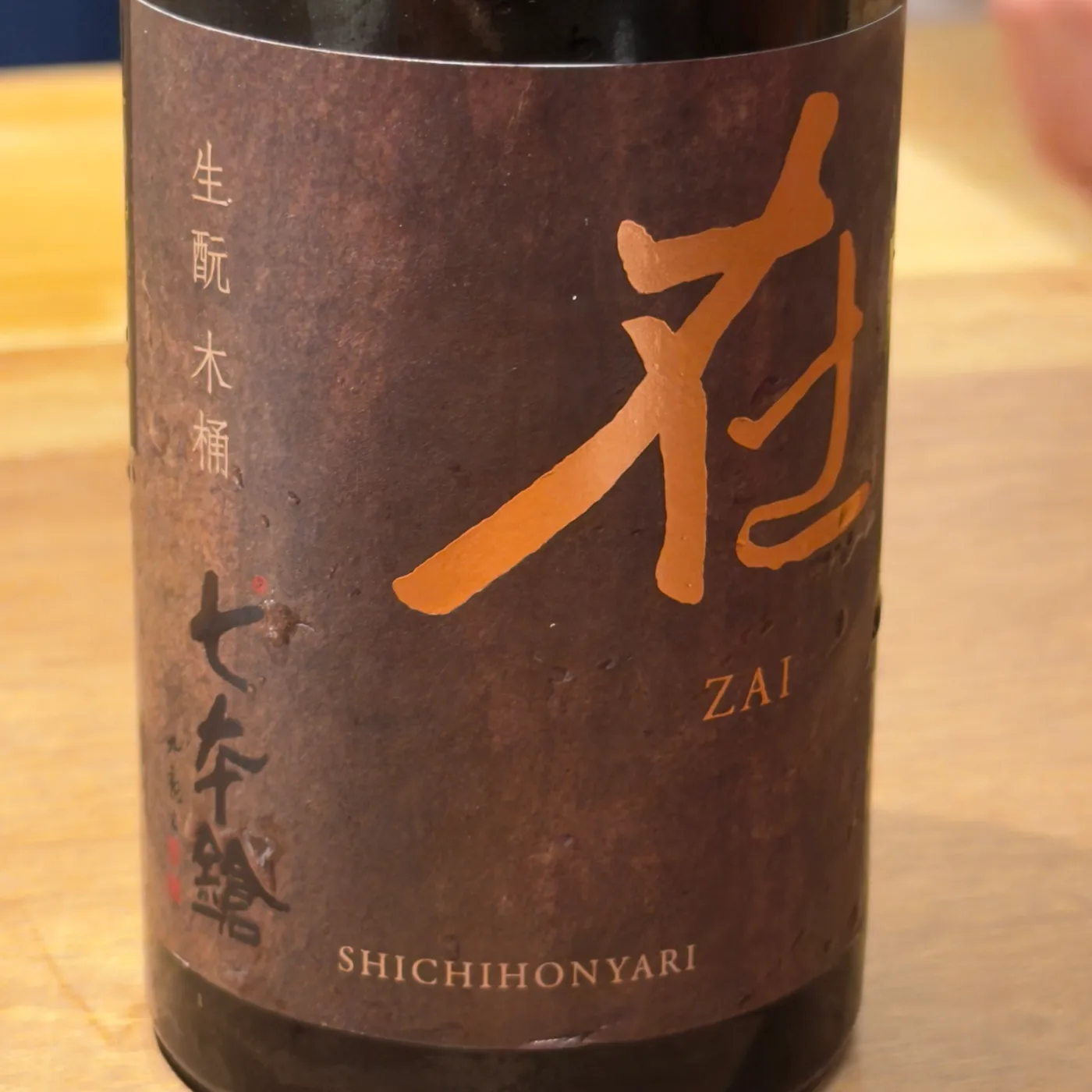
七本鎗 在 生酛木桶 — Shichihonyari ZAI Kimoto Kioke
Tomita Brewery | Shiga Prefecture
The second ZAI combines sake made from rice grown by three different farmers, Maeda san explained. It also employs kimoto and wooden brewing vessels. Drinking the two bottles alongside each other while listening to him explain the differences made for a little sake lesson.
His Mother's Umeshu
One of my guests was drinking Maeda san's homemade umeshu, and I asked how long he had been making it. He started when he became a professional chef at eighteen. He is now fifty, which would make it thirty-two years. But the original base, he explained, was more than forty years old.
It was his mother who had started making it. Maeda san continued what she had started, adding each year's new preparation to what remained from the previous years. And he hasn't always used the same alcohol. Some years he used shochu, other years Hennessy XO, and on other occasions Napoleon brandy.
Imagine all those years, all those different preparations, and somewhere in that glass of umeshu, something that Maeda san's mother made when he was still a little boy.
The Kyoto of His Childhood
After dinner, I asked Maeda san what cooking in Kyoto meant to him personally. As a child, his father would take him once a year to a very expensive sushi restaurant. He remembers the delicious toro, served two pieces at a time, and the traditional Kyoto dishes that preceded the sushi. Today, he incorporates some of those old Kyoto dishes into his own courses.
He is delighted when a customer tells him that his version of a familiar dish is a level or two above what they remember eating elsewhere. But what makes him happier still is when someone tells him that it is something they remember eating as a child.
Listening to Maeda san, I thought about the different kinds of satisfaction a chef can derive from his work. There is the pleasure of creating something nobody has ever eaten before, and there is the pleasure of giving someone back a taste of their childhood.
The Other Side of the Reservation Book
I told Maeda san that two of the most important things I had learned from Japan were respect and patience. In response, he told me about his reservation book and explained that approximately two weeks before his guests arrive, he starts thinking about their dinner. Who is coming? Who are they bringing? What might they enjoy eating?
「作っては消して、作っては消して。」
Putting together a menu and erasing it. Putting it together and erasing it.
I had never really considered what happens on the other side of that reservation book. For me, a reservation at Maeda means having something wonderful to look forward to. For Maeda san, it means having someone to think about.
The Freedom to Be a Little Selfish
Maeda san told me that the way I conduct myself at his counter reminds him of the older Kyoto gentlemen who used to sit at the counter when he first started working as a young chef. “Old Japanese,” he said, smiling. “My father, same.” I couldn't have asked for a nicer compliment.
We talked about tonkatsu, curry rice, spaghetti with meat sauce and oden. During that conversation, Maeda san said something I loved.
「カウンターはわがままを言う空間やから。」
“The counter is a place where you're allowed to be selfish.”
Now, please don't misunderstand him. This is not an invitation to walk into a Japanese restaurant and make unreasonable demands. What I understood from his words was that, within a relationship that has developed over time, the counter should be a place where you feel comfortable saying what you would love to eat.
I also asked him how his relationship with longstanding customers changes over the years. As his customers grow older and eat smaller quantities, he explained, he tries to serve them the best ingredients available that day, prepared in the simplest and most classical ways.
Many, Many Oishii — Again
The previous day, over lunch at Sushi Saito, I had asked Saito san how he feels when someone tells him that his sushi is delicious. His answer, “Many, many oishii,” gave me the title of my story about him, and I wanted to know whether Maeda san felt the same way.
「美味しい言うてくれたらやっぱすごい嬉しい、やっぱすごくテンション上がるよね。」
“When someone tells me it's delicious, it makes me really happy. It really lifts my spirits.”
Gaku later told me how much they appreciate that our guests don't wear perfume, respect Japanese dining etiquette and make sure the people preparing their food know how much they are enjoying it. It makes them happy, he said, and helps them do a better job. It was gratifying to hear that the things we discuss with our guests before visiting Japanese restaurants make a difference on the other side of the counter.
Don't Underestimate Oden!
When I invited Maeda san to join me for sushi at Sugita in February, he declined. He would be preparing a special dinner of obanzai and oden for us and wanted to devote his time to the preparations.
「おでんなめんなよ。」
“Don't underestimate oden!” he said.
As much as he loves Sugita's sushi, our oden was more important to him. His words touched me.
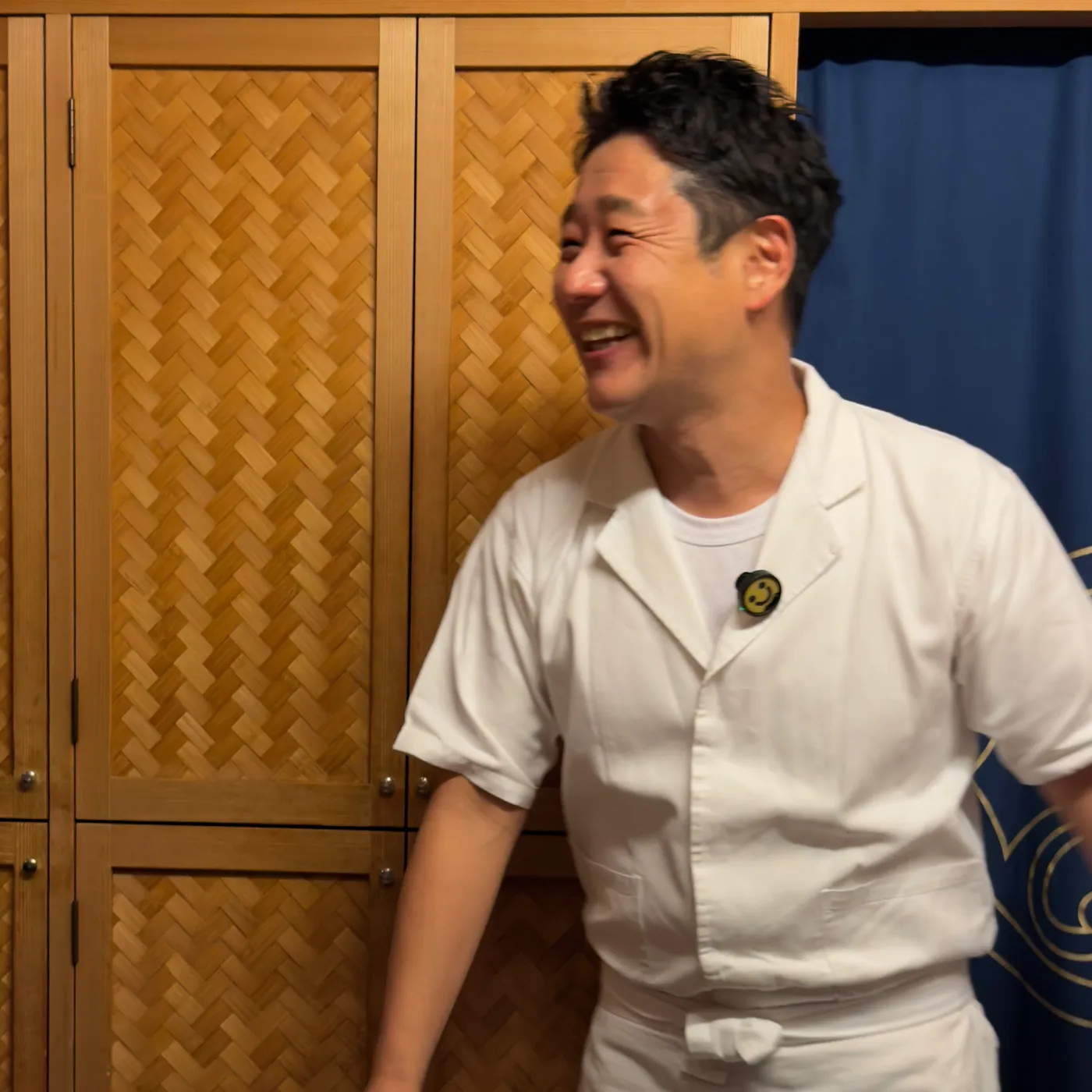
Thank you, Maeda san, for the food, the surprises, the laughter, the many glasses of sake and, most importantly, your friendship. I can't wait for that oden. ❤️
I AM A HUNGRY TOURIST.