Ristorante del Fagioli
Visited Fri, Nov 6, 2026 · Lunch
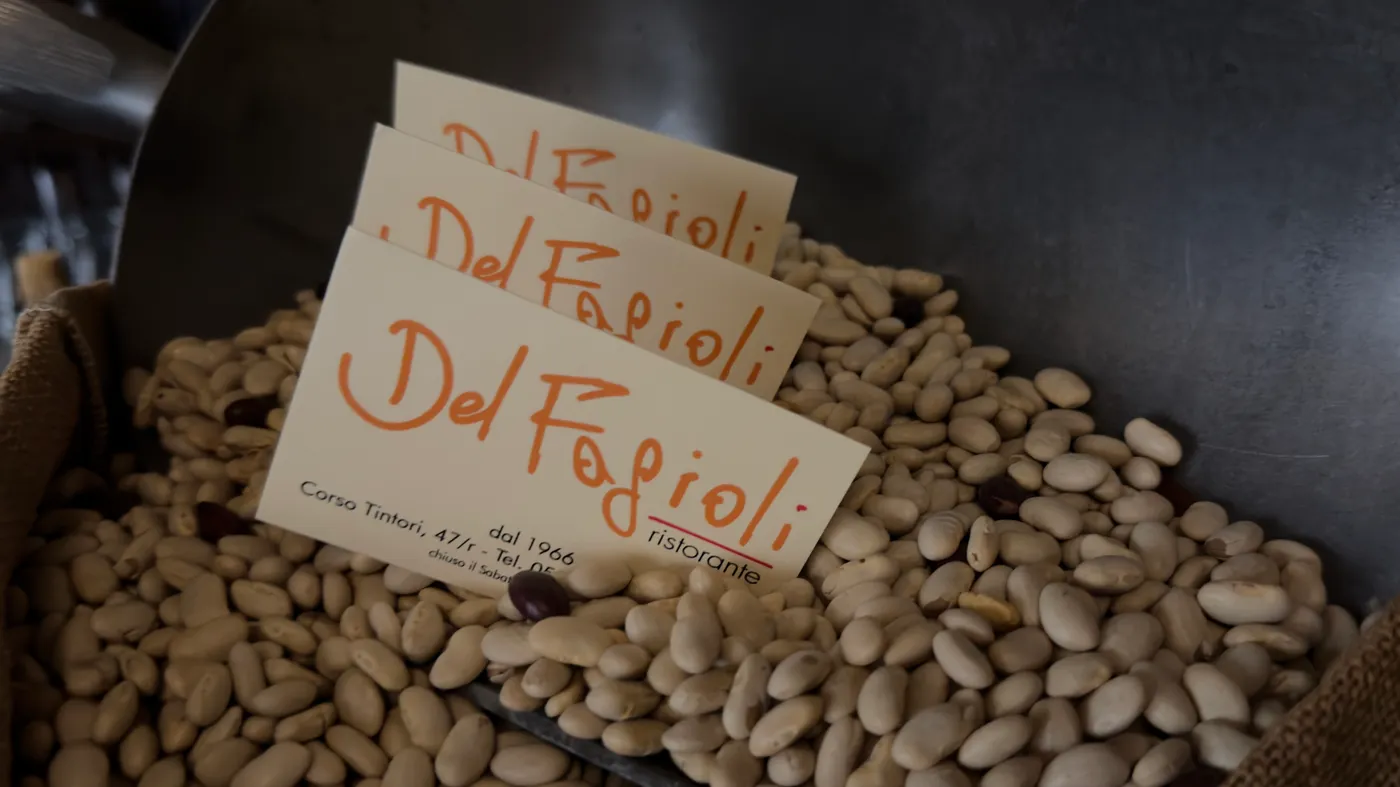
My Florentine Happy Place
Ristorante del Fagioli
My Florentine Happy Place
There are restaurants you visit.
And there are restaurants that somehow become part of your life.
For me, Ristorante del Fagioli belongs firmly in the second category.
I've been coming here for almost twenty years.
And whenever I know I'm returning to Florence, one of the first things I think about is coming back to this little restaurant on Corso dei Tintori.
I simply cannot imagine visiting Florence without eating here.
Not because it's fashionable. Not because someone has told me I should.
Because after all these years, it still makes me happy.
The room is small, lively, and completely unpretentious. The cooking is traditional, the portions are generous, and the food tastes the way I remember it.
That last point matters enormously to me.
There is something comforting about returning to a place after months, sometimes years, and finding those familiar flavors waiting for you.
For me, this is what great Florentine cooking is about.
Not elaborate presentations. Not clever reinterpretations of dishes that never needed reinventing.
Just wonderful food, prepared with knowledge, care, and respect for the traditions that gave it life.
And behind it all is a family.
During our visit, I spent some time talking with Simone Zucchini about the restaurant, its history, and the dishes we were about to eat.
The story he told me made this place even more special.
The Family Behind Del Fagioli
According to Simone, the restaurant's name goes back to a figure called Fagioli, a cook and comic performer associated with the Medici court.
He told me that, in the days of the Medici, there was a small theater on Corso dei Tintori where this character entertained people with poems and comedies full of Florentine humor.
Much later, in 1967, shortly after the devastating flood of Florence, Simone's father opened the restaurant.
His idea was straightforward: to cook the traditional food of Florence and Tuscany.
And that is exactly what the family has continued doing.
Today, Simone and his brother Antonio represent the second generation.
Their father has retired, but the restaurant continues in the hands of the family.
And now there is a third generation too.
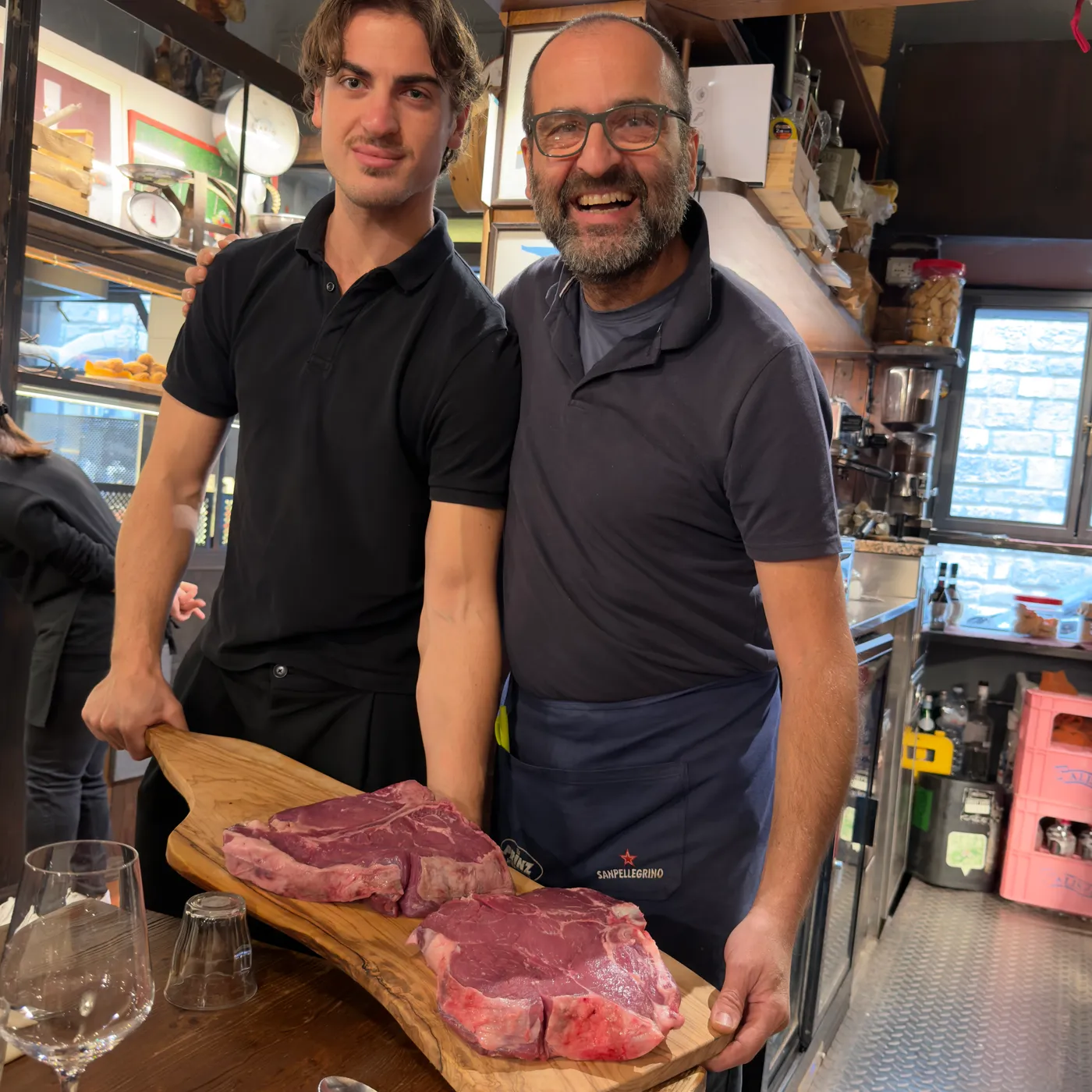
Generations 2 and 3
One of my favorite moments was seeing Simone standing beside his son, proudly presenting two beautiful pieces of beef.
Three generations, almost sixty years of history, and a family still deeply involved in the daily life of the restaurant.
When I told Simone I'd been coming here for twenty years, he remembered.
And he told me something beautiful.
They have customers who return to Florence after twenty or even thirty years, looking for the same dishes they remember from earlier visits.
I understand those people completely.
Because I'm one of them.
And I hope to remain one for another twenty years.
What we ate
Ribollita alla Fiorentina | Traditional Tuscan Bread and Vegetable Soup
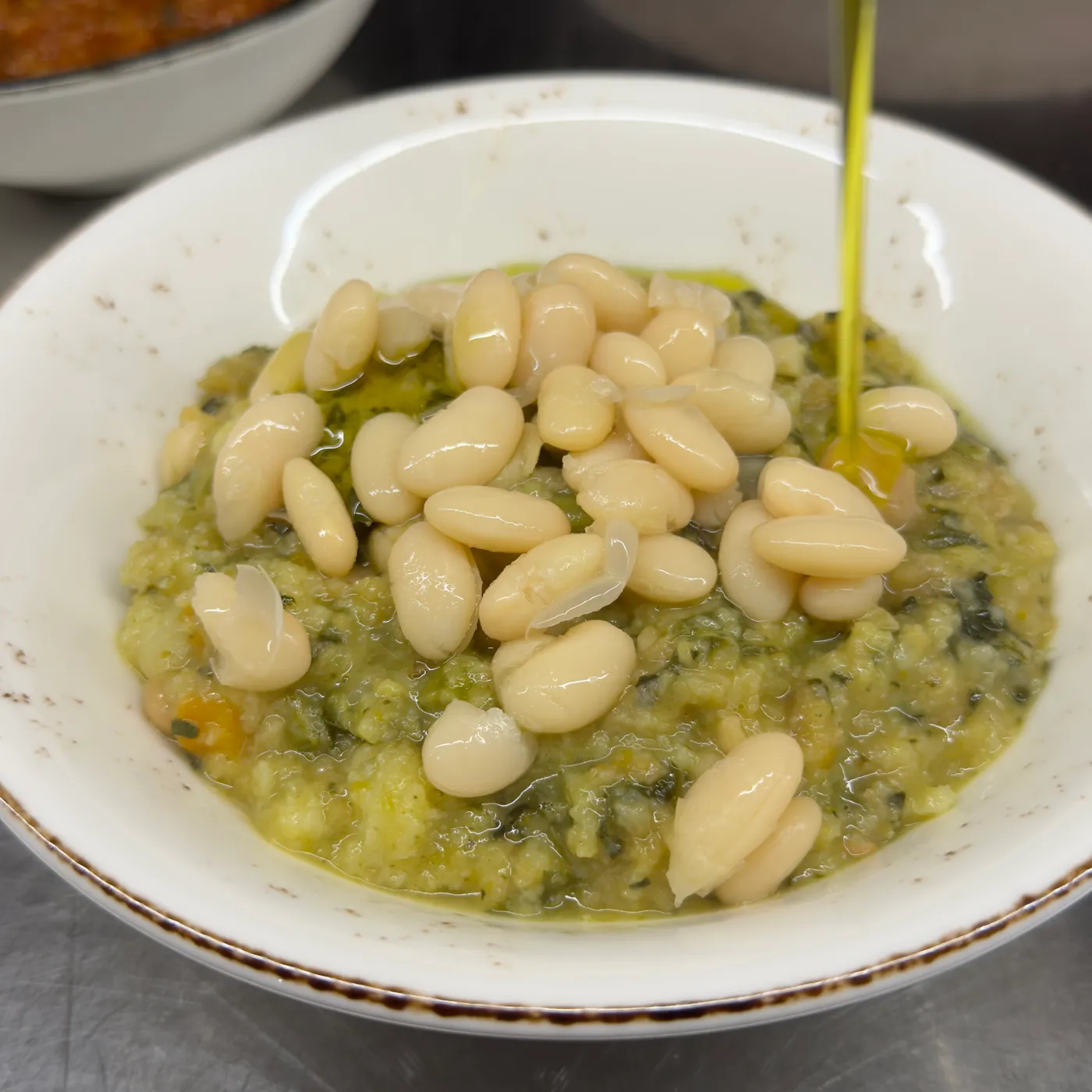
We began with one of the dishes that, for me, belongs to the very soul of Tuscan home cooking. Ribollita. A thick, comforting preparation built around bread, beans, and vegetables. The name refers to reheating or boiling again, a reminder of the practical, resourceful cooking from which this dish developed. At Del Fagioli, ours arrived thick and generous, topped with beautiful cannellini beans. And then came the olive oil. Fresh Tuscan olive oil, poured generously over the beans and the vegetable mixture beneath. Simone explained that the oil comes from a small local farm that supplies the restaurant. It was the new season's oil, freshly produced from the 2026 harvest. That stream of golden oil falling onto the ribollita was one of those little moments that make me love eating in Italy. Bread, beans, vegetables, olive oil. The simplest ingredients imaginable. And a dish I could happily eat every time I come to Florence.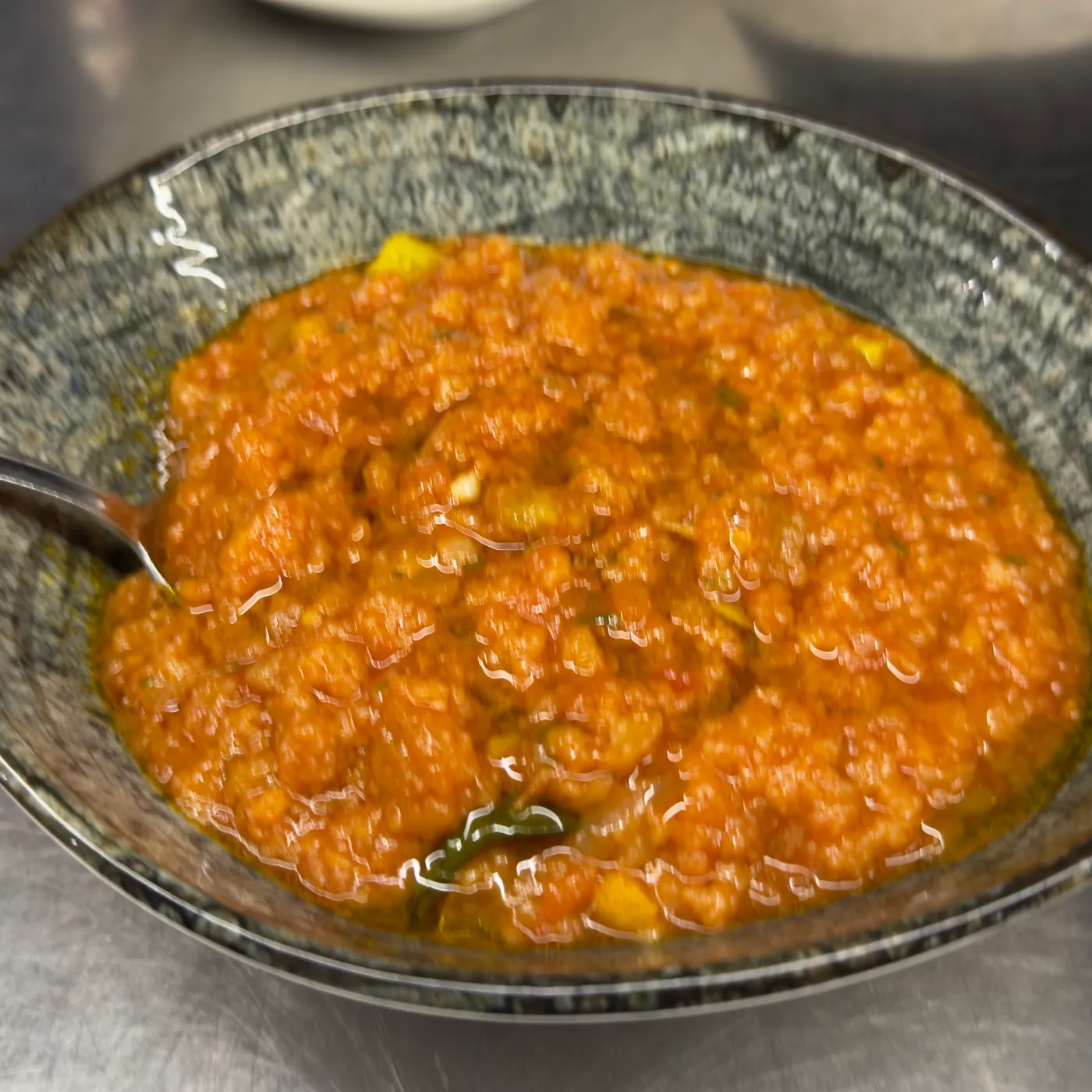
Pappa al Pomodoro | Florentine Tomato and Bread Soup
Another great Tuscan classic. Pappa al pomodoro. Simone described the preparation with the sort of affection reserved for something deeply familiar. Stale Tuscan bread is cooked with tomatoes, basil, olive oil, and a gently prepared soffritto of garlic, onion, and leek. A little pepper completes the dish. The bread absorbs the tomato and the cooking juices, transforming everything into a thick, soft, almost spoonable preparation. Our pappa arrived in a beautiful bowl, bright red-orange and glistening with olive oil. It is one of those dishes that makes perfect sense once you understand the philosophy behind traditional Tuscan cooking. Nothing is wasted. Yesterday's bread becomes today's lunch. And in the hands of someone who knows what they're doing, the result is something I look forward to every time I return.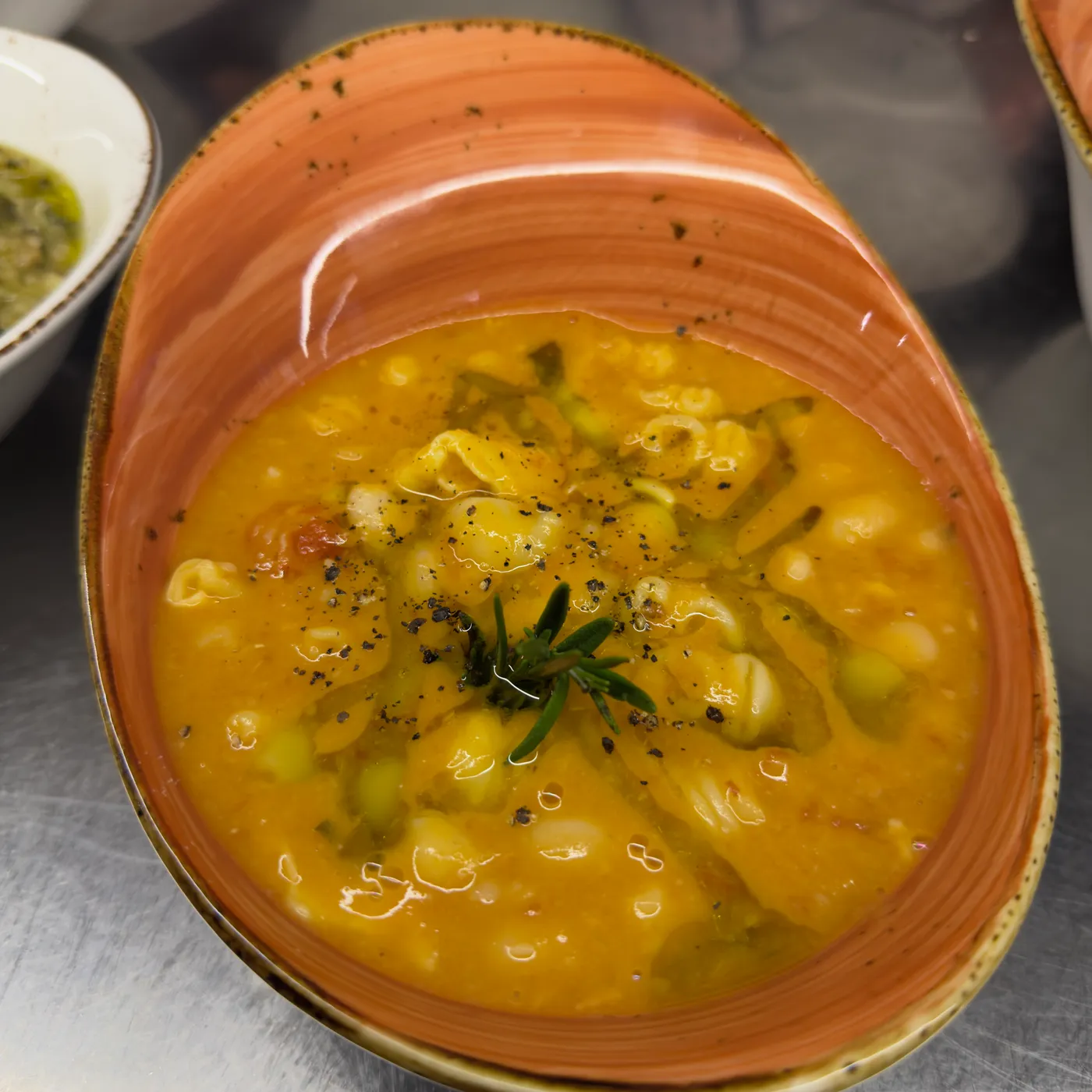
Pasta e Fagioli | Fresh Pasta with Cannellini Beans
How could we possibly come to a restaurant called Del Fagioli without eating pasta e fagioli? Simone certainly wasn't going to let that happen. He prepares it with fresh pasta and cannellini beans, finishing the dish with Tuscan olive oil and freshly ground pepper. The version we ate arrived in a rich, golden-orange broth, with pasta and beans nestled together. A little rosemary completed the presentation. This is substantial, deeply comforting food. A dish where pasta and beans are treated as equal partners rather than one simply accompanying the other. And again, the new olive oil brings everything together. Simone described pasta e fagioli as something essential. I couldn't agree more.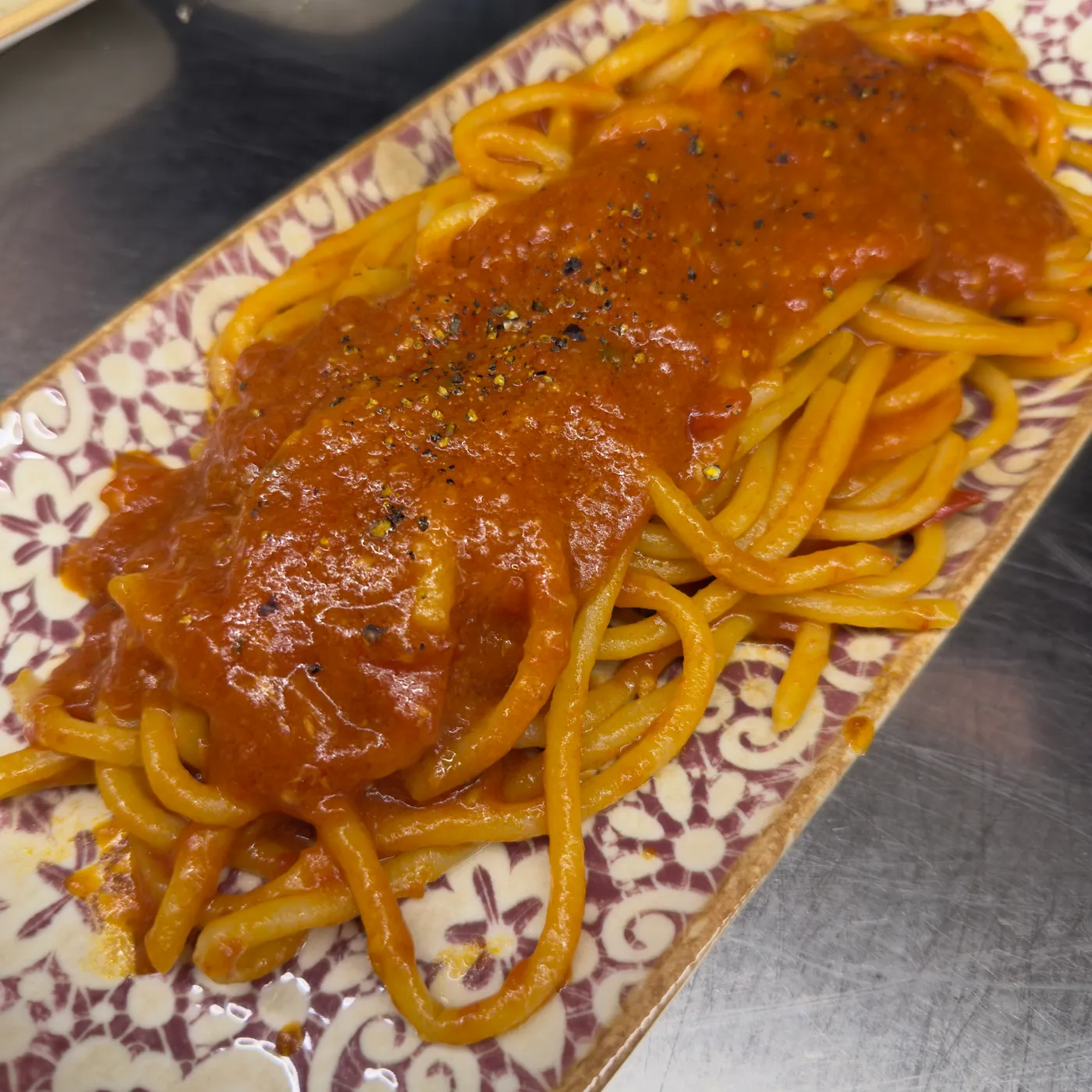
Pici all'Aglione | Hand-Rolled Tuscan Pasta with Aglione and Tomato
When Simone mentioned pici all'aglione, I knew we had to have it. Pici are those wonderful thick strands of Tuscan pasta, with a satisfying texture and enough substance to carry a generous sauce. And then there's the aglione. Simone was almost evangelical about it. He explained that aglione is a particularly sweet, gentle type of garlic, much less aggressive than ordinary small garlic cloves. He combines it with fresh tomatoes to create the sauce. The result is simple, but full of character. Our pici arrived on a long platter, coated in a rich tomato sauce with the pasta clearly visible beneath. I love garlic. And after listening to Simone talk about aglione, I loved it even more.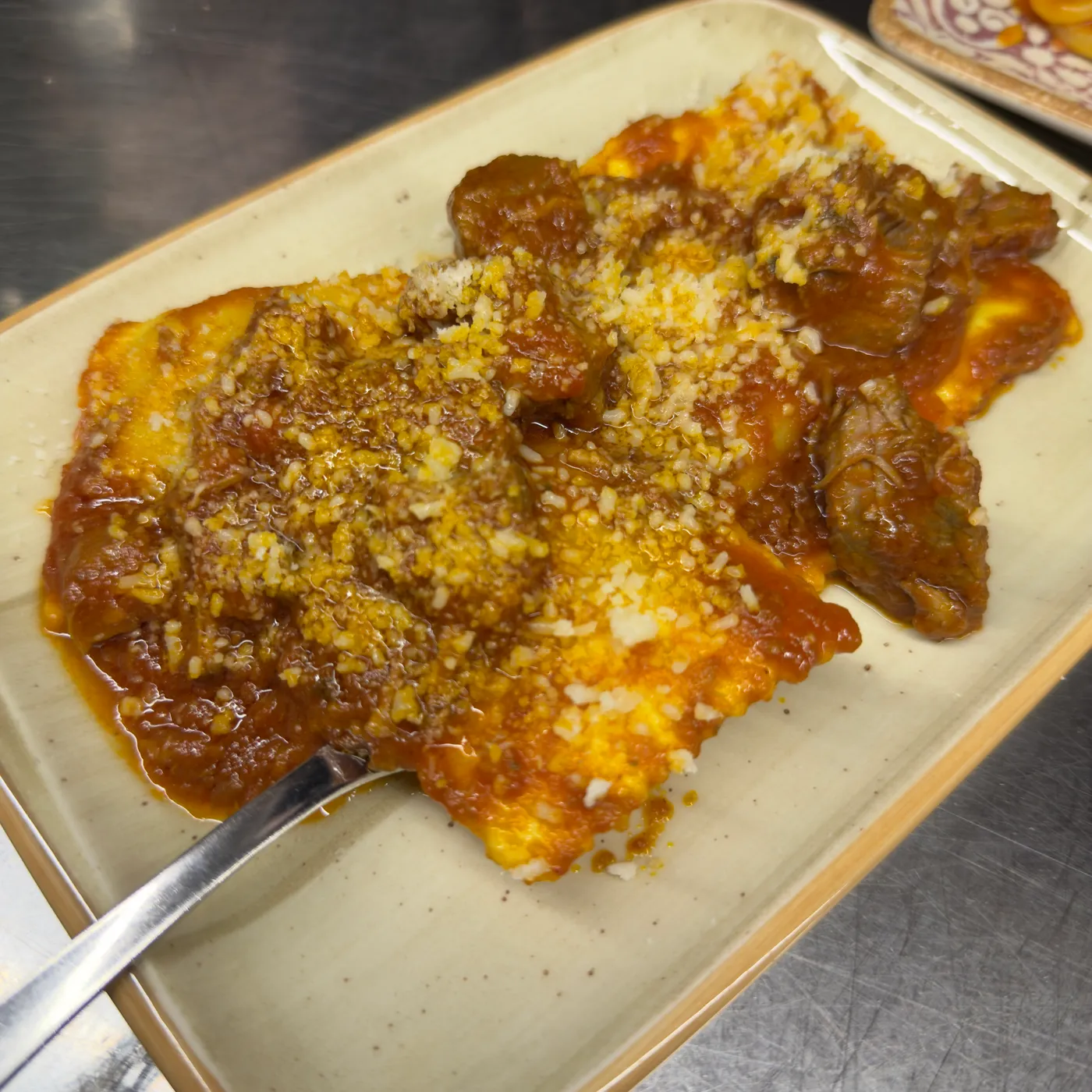
Tortelli di Patate al Sugo di Stracotto | Potato Tortelli with Slow-Cooked Beef Sauce
Another plate of pasta that explains why I keep returning to Tuscany. Tortelli di patate. Large filled pasta parcels, made with potato and served with a rich sugo di stracotto. Simone explained that the sauce is made from beef cooked slowly until it becomes tender and deeply flavored. The finished dish is topped with grated pecorino. Our tortelli arrived generously covered in the meat sauce, with the pasta beneath still holding its shape. There's something enormously satisfying about the combination of soft potato filling, fresh pasta, slow-cooked meat, and aged cheese. It is substantial food. Food that makes you want to sit down, forget the time, and enjoy the company around your table.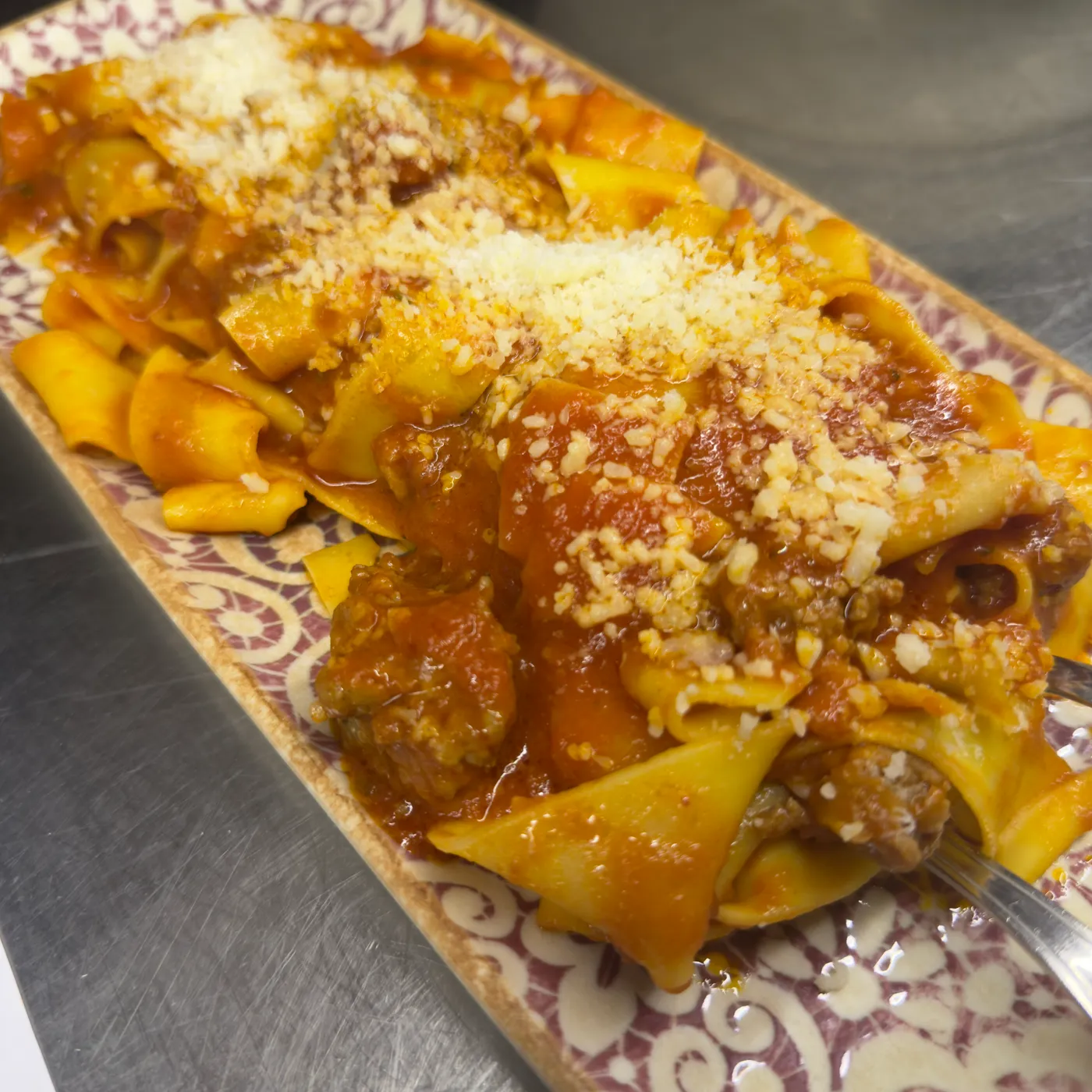
Pappardelle al Ragù di Salsiccia | Pappardelle with Tuscan Sausage Ragù
And because one plate of pasta is never enough for a group of Hungry Tourists, we continued. Pappardelle with sausage ragù. Simone described the preparation as fresh pappardelle served with a sauce of pork sausage, tomato, and pecorino. The broad pasta ribbons provide plenty of surface for the meat and sauce to cling to. Our plate arrived with generous pieces of sausage distributed throughout the tomato-rich ragù, finished with grated cheese. This is exactly the kind of pasta I want when I come to Tuscany. Rich, uncomplicated, and made to be eaten with enthusiasm. And yes, we were only getting started.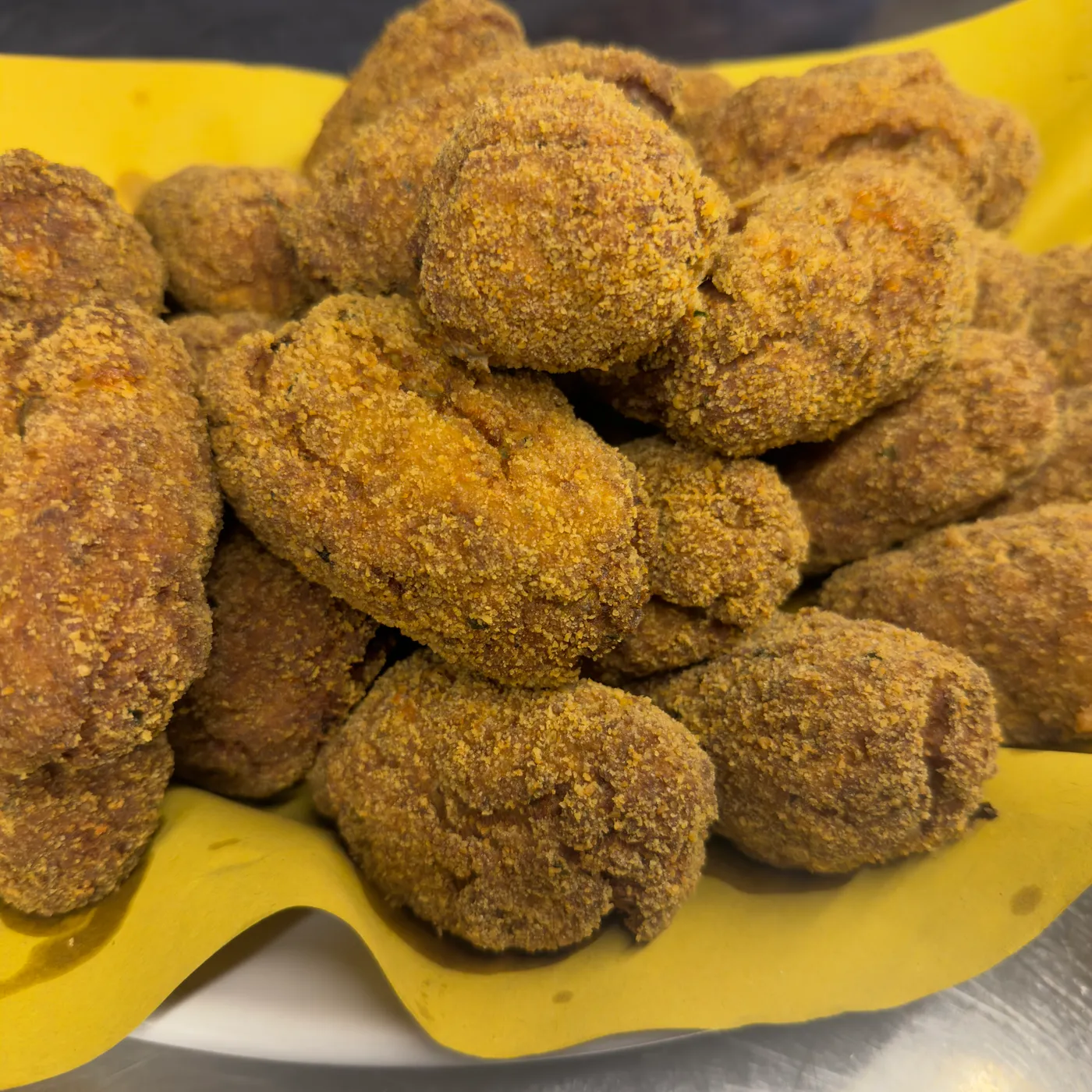
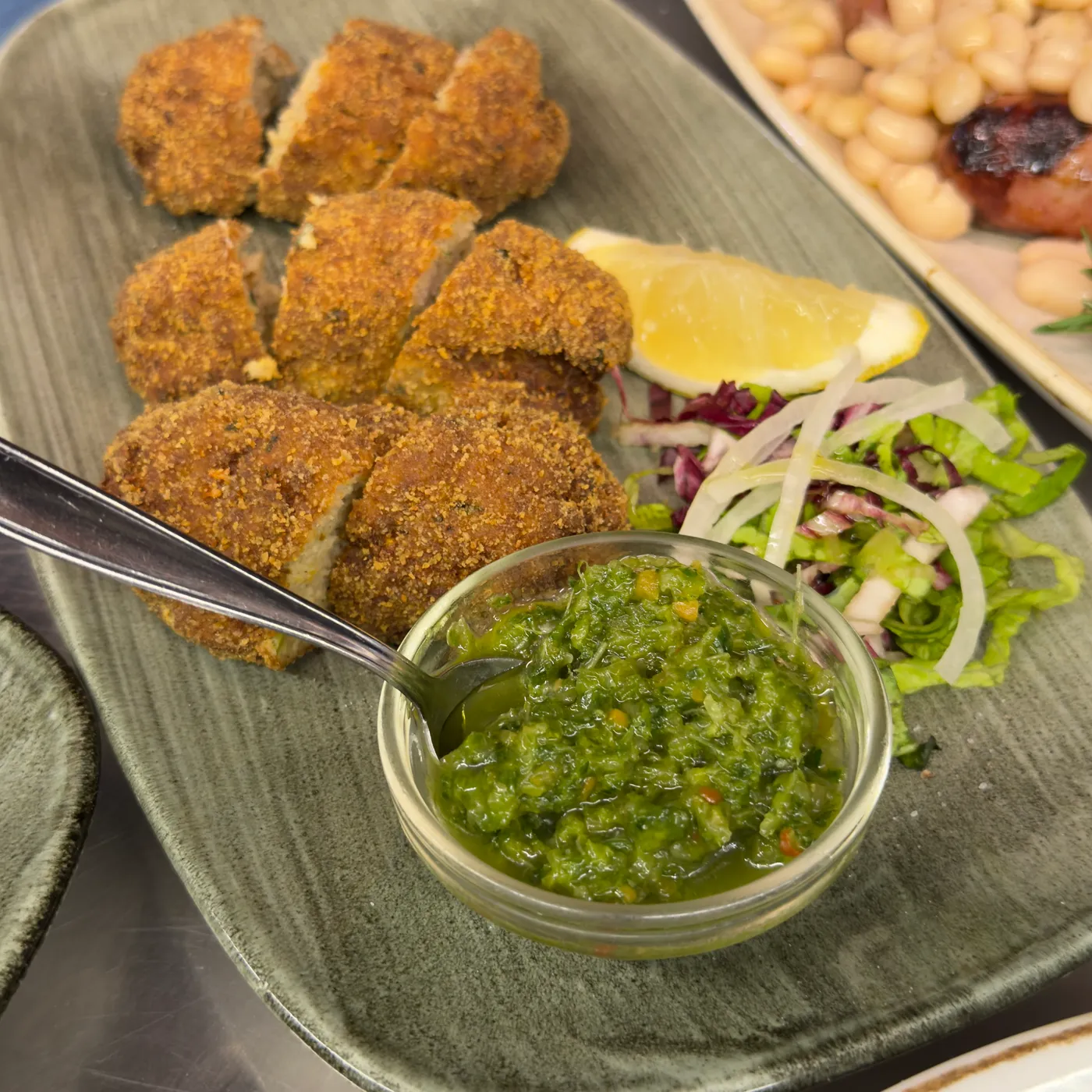
Polpette | Breaded Meatballs
A generous pile of breaded meatballs, golden and crisp on the outside. The first photograph shows them whole, piled high on yellow paper. In the second, they have been cut open and served alongside a vivid green sauce, a little salad, and lemon. I love seeing the contrast between the crisp exterior and the softer filling inside. It's precisely the sort of straightforward preparation that feels at home in a Florentine trattoria. Something to put in the middle of the table and share. Simone's recorded explanations do not specify the meat mixture, seasoning, or ingredients of the green sauce, so I will leave those details to the kitchen rather than invent them.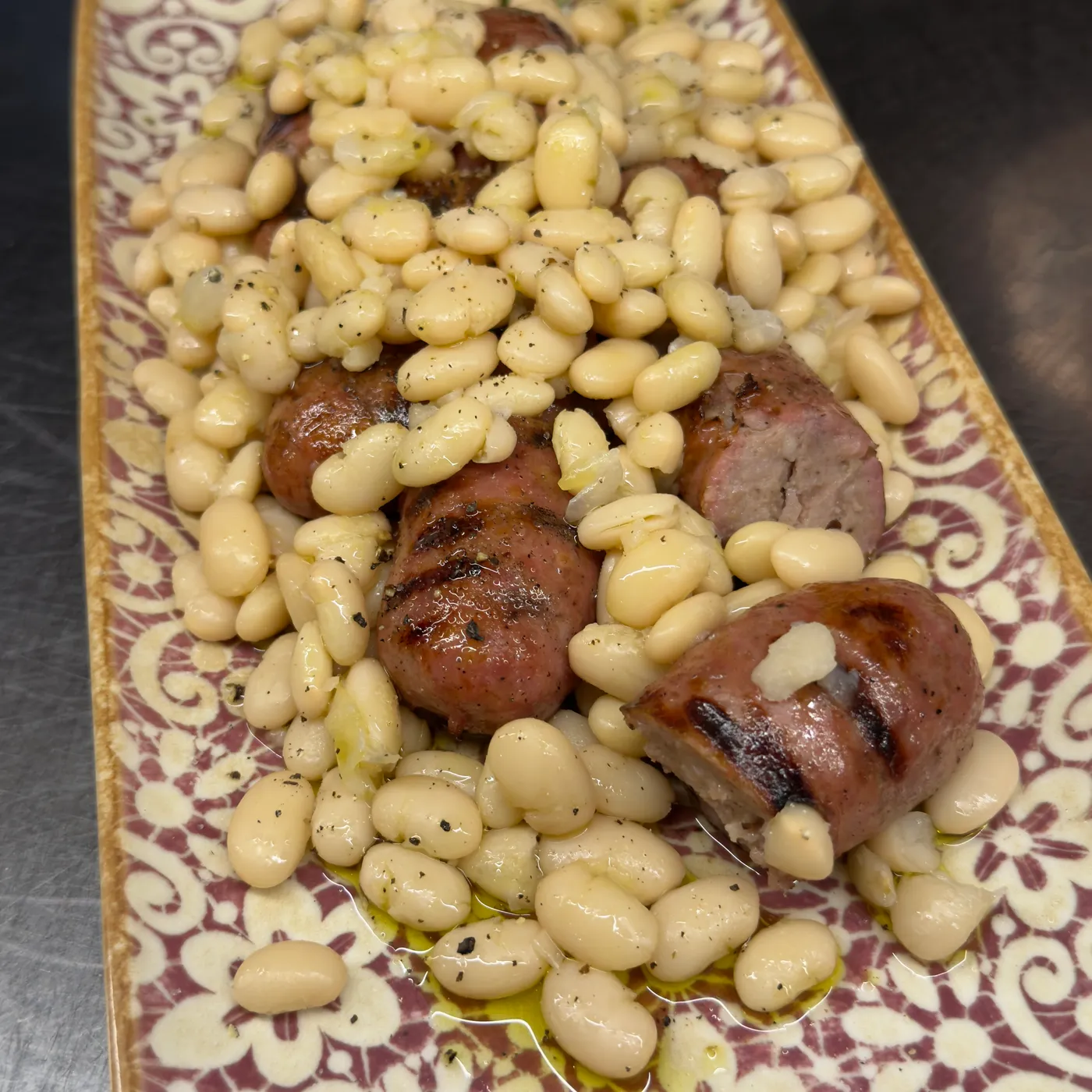
Salsicce alla Griglia con Fagioli | Grilled Tuscan Sausages with Cannellini Beans
Another combination that could hardly be more Tuscan. Grilled sausages and cannellini beans. Simone told us how much he loves serving beans with meat, particularly with bistecca alla Fiorentina. For this dish, the sausages are grilled and served with beautiful white beans, dressed with olive oil, salt, and pepper. The sausages arrive with their browned skins and generous, juicy interiors, surrounded by the beans. It is a wonderfully direct combination. Meat, beans, oil, pepper. No unnecessary decoration, no elaborate sauce. Just good cooking and the pleasure of sharing it.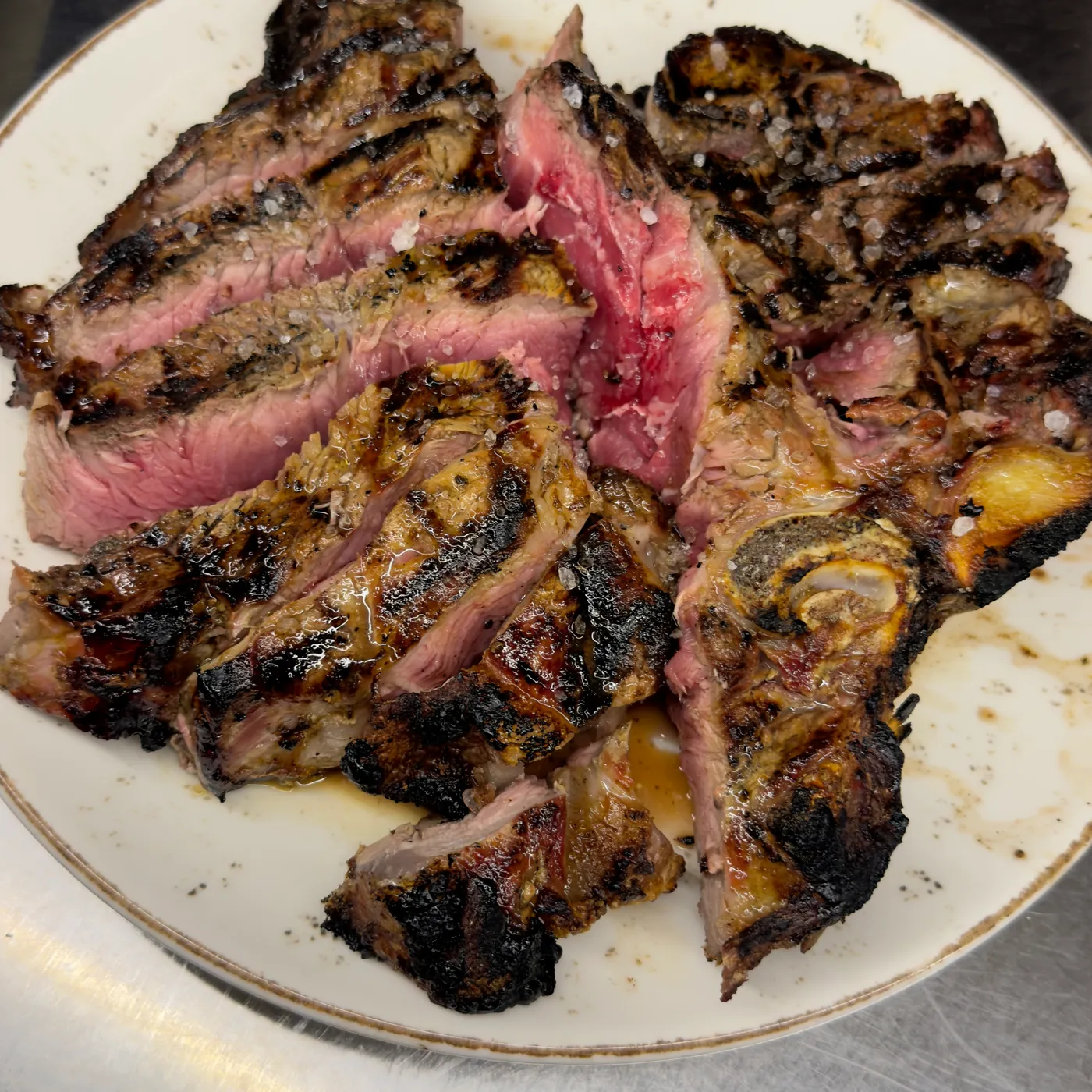
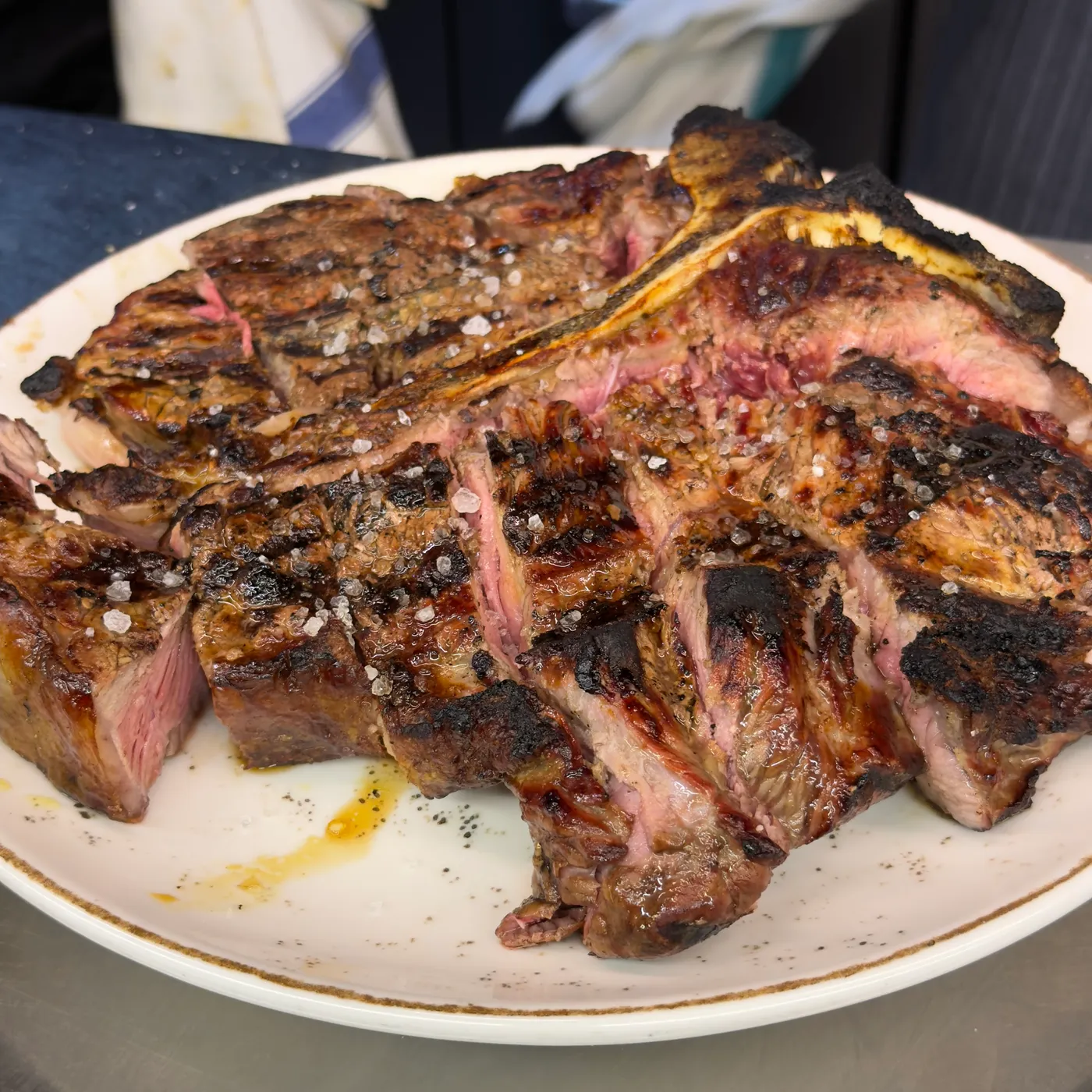
Bistecca alla Fiorentina | Two Magnificent 2 kg Steaks
And then came the steaks. Not one, but two magnificent bistecche alla Fiorentina, each weighing approximately two kilograms. For me, this is one of the great rituals of eating in Florence. Simone told us that the restaurant uses Chianina beef, sourced through a trusted local butcher with whom the family has worked for around forty years. He named the butcher as Saccardi e Panichi, describing it as one of Florence's longstanding butcher businesses. That kind of relationship matters. A restaurant that has worked with the same supplier for decades knows what it wants and knows whom to trust. The steaks arrived sliced, their deeply browned exteriors contrasting with the pink meat inside. The large bones remained on the platters, and coarse salt was scattered across the surface. No elaborate accompaniment was required. Just beautiful beef, fire, and the knowledge of how to cook it. I have eaten many bistecche alla Fiorentina over the years. And there is something especially satisfying about eating one in a place that has been part of my Florence routine for two decades.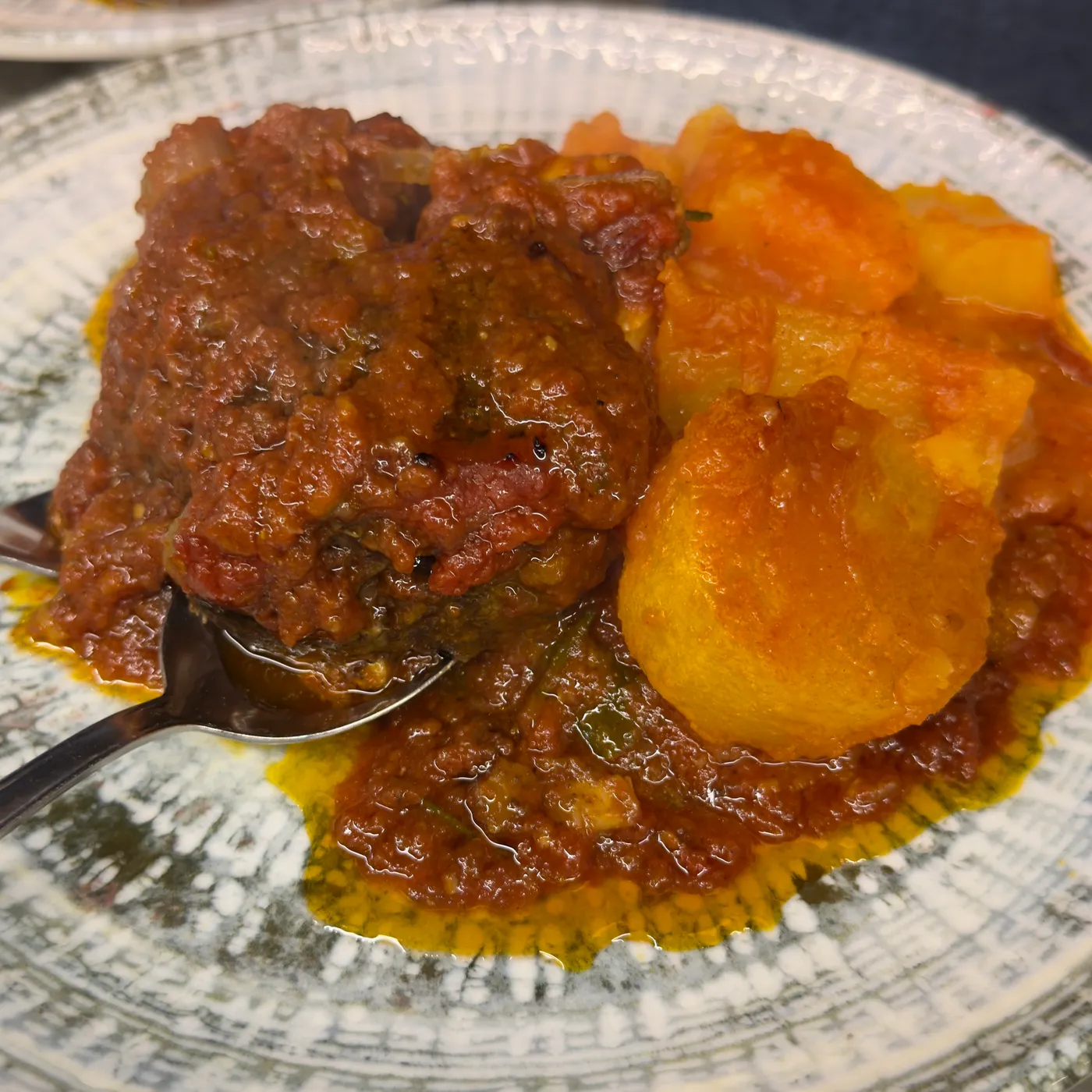
Ossobuco con Patate alla Fiorentina | Slow-Cooked Ossobuco with Florentine Potatoes
Simone wanted us to taste the ossobuco. And he was very clear about what should accompany it. Potatoes cooked in the Florentine style. He described a preparation with tomato, sage, rosemary, and a little garlic. The combination, he told us, is one of his favorites. Our ossobuco arrived in a generous red sauce, with large pieces of potato alongside. This is food built around time. Time for the meat to soften. Time for the sauce to develop. Time for the potatoes to absorb the flavors around them. Nothing about it is designed to impress through appearance alone. It is the kind of traditional cooking I return to Italy to eat.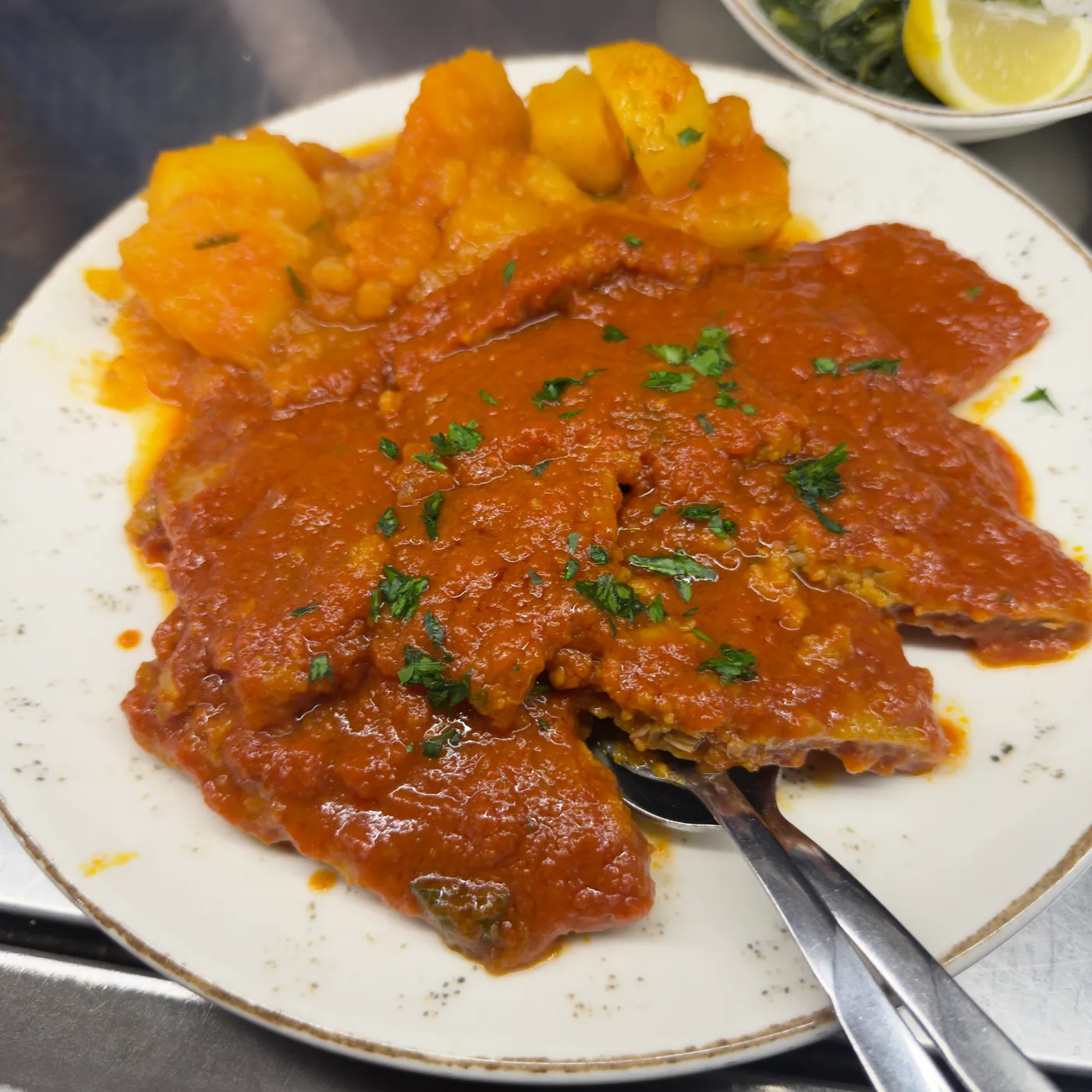
Braciola della Casa | Grandmother's Fried Beef Cutlet, Finished in Tomato Sauce
This dish came with one of my favorite stories of the meal. Simone called it braciola della casa. But he also called it grandmother's braciola. He explained that his grandmother would prepare fried beef cutlets for lunch. Then, in the evening, rather than simply serving the leftovers again, she would cook the remaining cutlets in tomato sauce and serve them with country-style potatoes. A completely different dish from the same preparation. It was a way of making good use of food, but also of bringing something new to the table. Our braciola arrived covered in a rich tomato sauce, with potatoes alongside. This is the kind of cooking that carries memories through generations. And the reason I was so happy that Simone told us the story is that I would never have understood it simply by looking at the plate.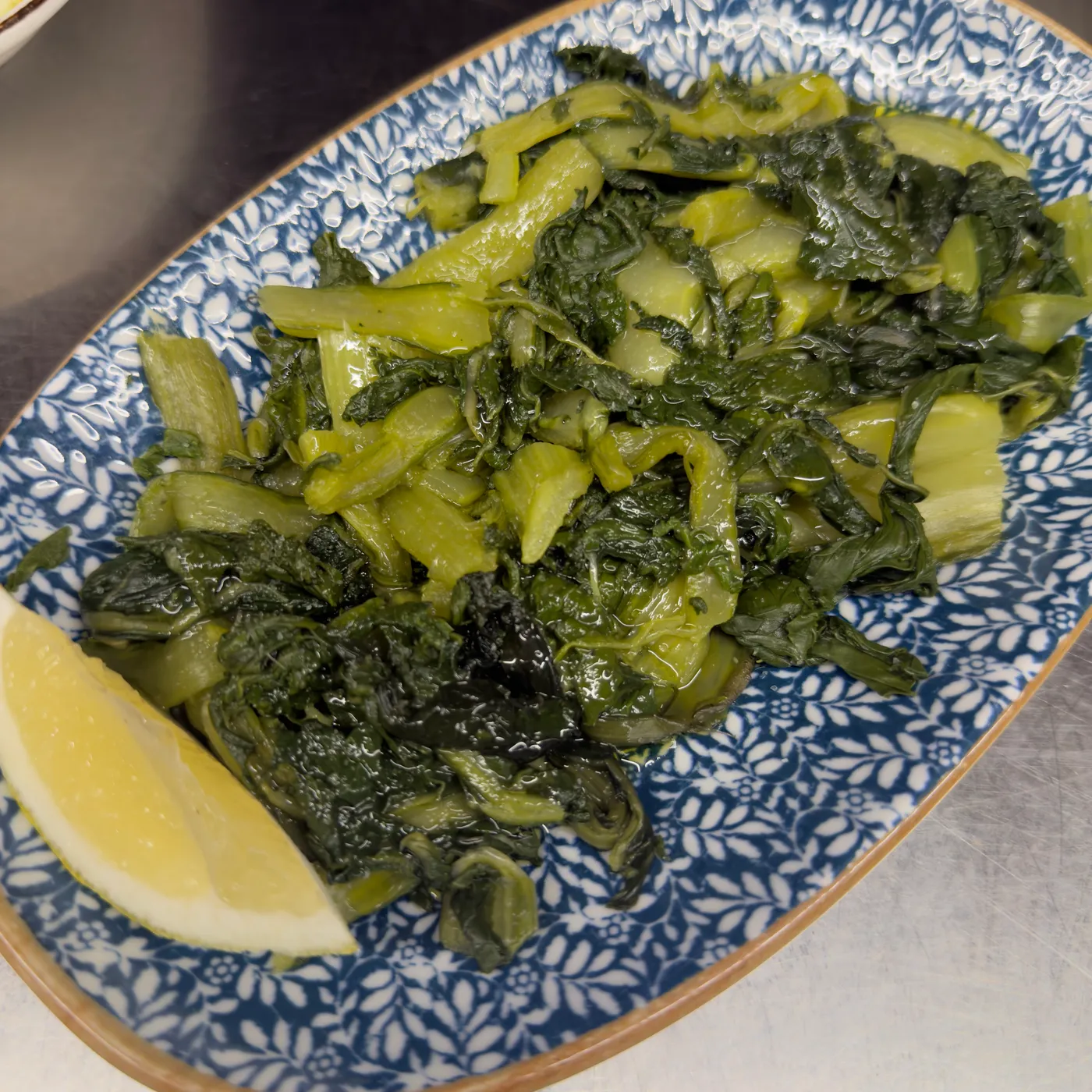
Bietoline all'Agro | Tuscan Chard with Olive Oil and Lemon
After all that meat and pasta, something green. Bietoline all'agro. Simone explained that these Tuscan greens are sweeter than spinach. They are simply boiled and dressed with salt, olive oil, and lemon. Our plate arrived with the leaves and tender stems still clearly recognizable, accompanied by a wedge of lemon. Nothing complicated. Just vegetables, treated with respect. I love this side of Tuscan cooking. The confidence to serve something completely simple because the ingredient itself is worth eating. And after two enormous bistecche alla Fiorentina, these greens were particularly welcome.Desserts
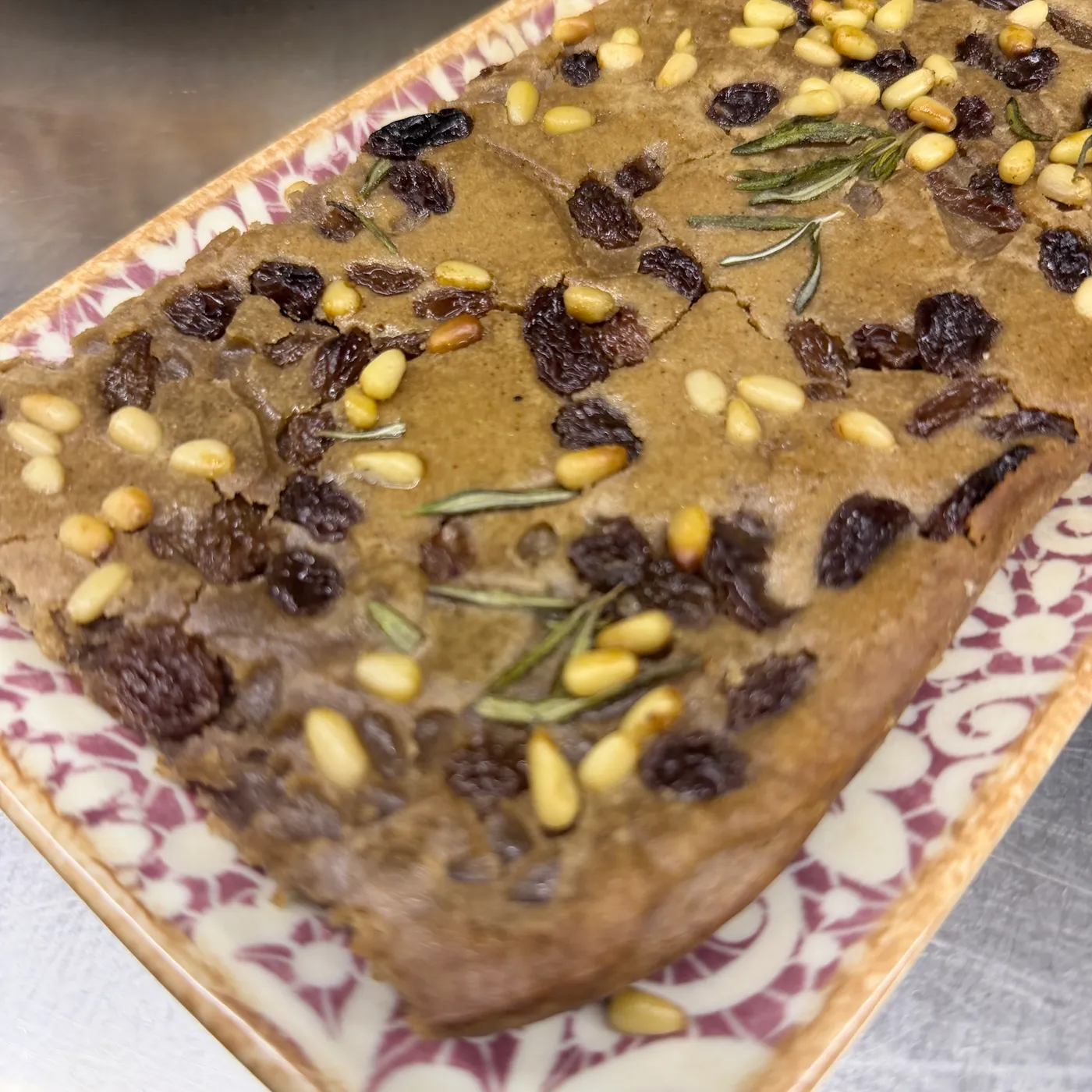
Castagnaccio | Traditional Tuscan Chestnut Cake
One of Tuscany's most distinctive traditional desserts. Castagnaccio. Simone explained that theirs is made using fresh chestnut flour from this year's harvest, together with raisins, pine nuts, rosemary, and sugar. The finished cake is dense and rustic, its surface dotted with raisins, pine nuts, and sprigs of rosemary. Chestnut flour gives it a character very different from an ordinary cake made with wheat flour. This is a dessert deeply connected to the ingredients and traditions of the Tuscan countryside. And it feels perfectly at home at Del Fagioli.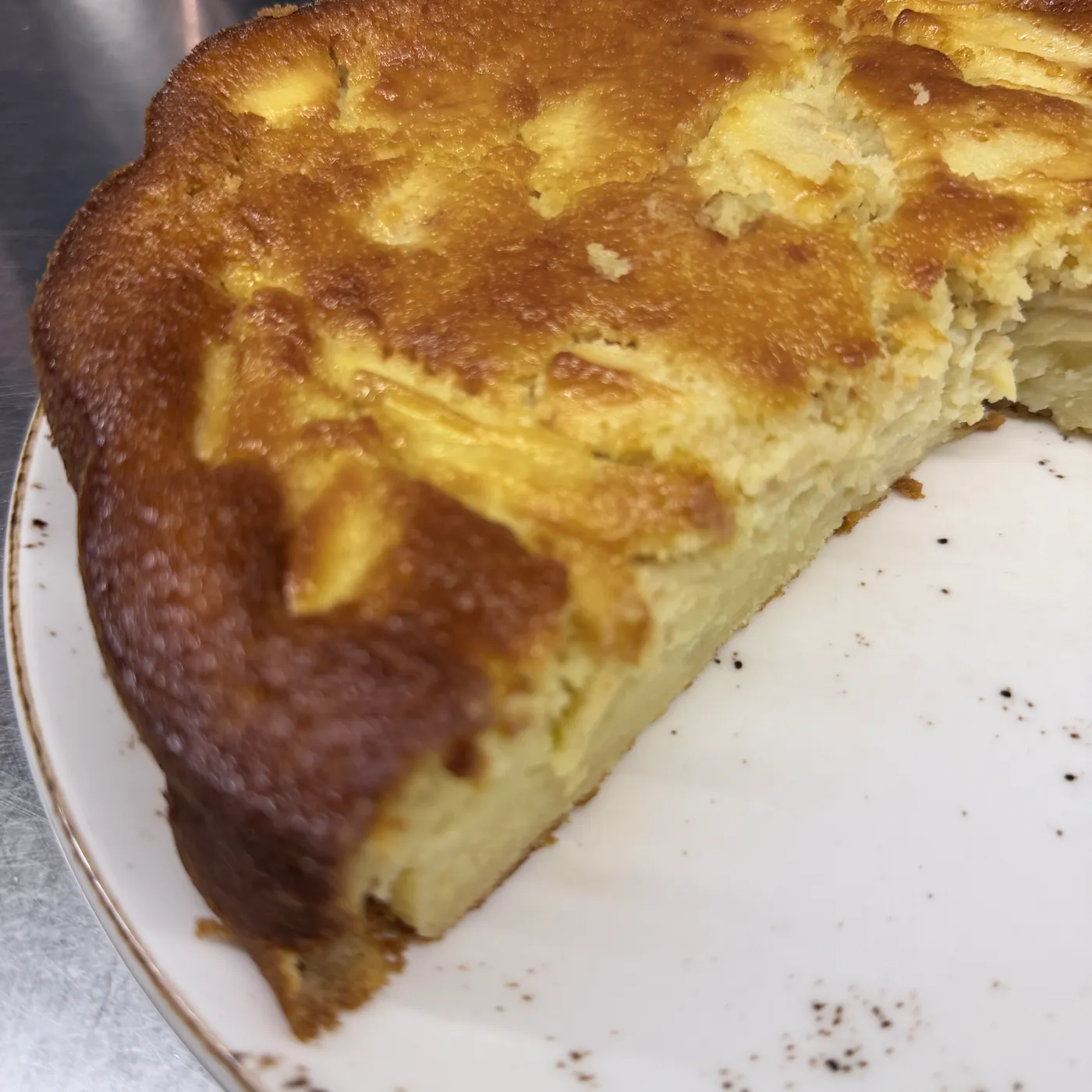
Torta di Mele, Ricotta e Vin Santo | Homemade Apple, Ricotta and Vin Santo Cake
Simone described this as a homemade cake prepared with apples, their ricotta, and sweet Vin Santo. A dessert rooted in the same domestic cooking tradition that defines so much of the restaurant's menu. The cake arrived golden and substantial, with a pale interior and visible pieces of apple. There is something especially comforting about a dessert like this. A slice of cake made in the kitchen, with familiar ingredients and no attempt to turn it into something else. Exactly the sort of ending I want in a trattoria.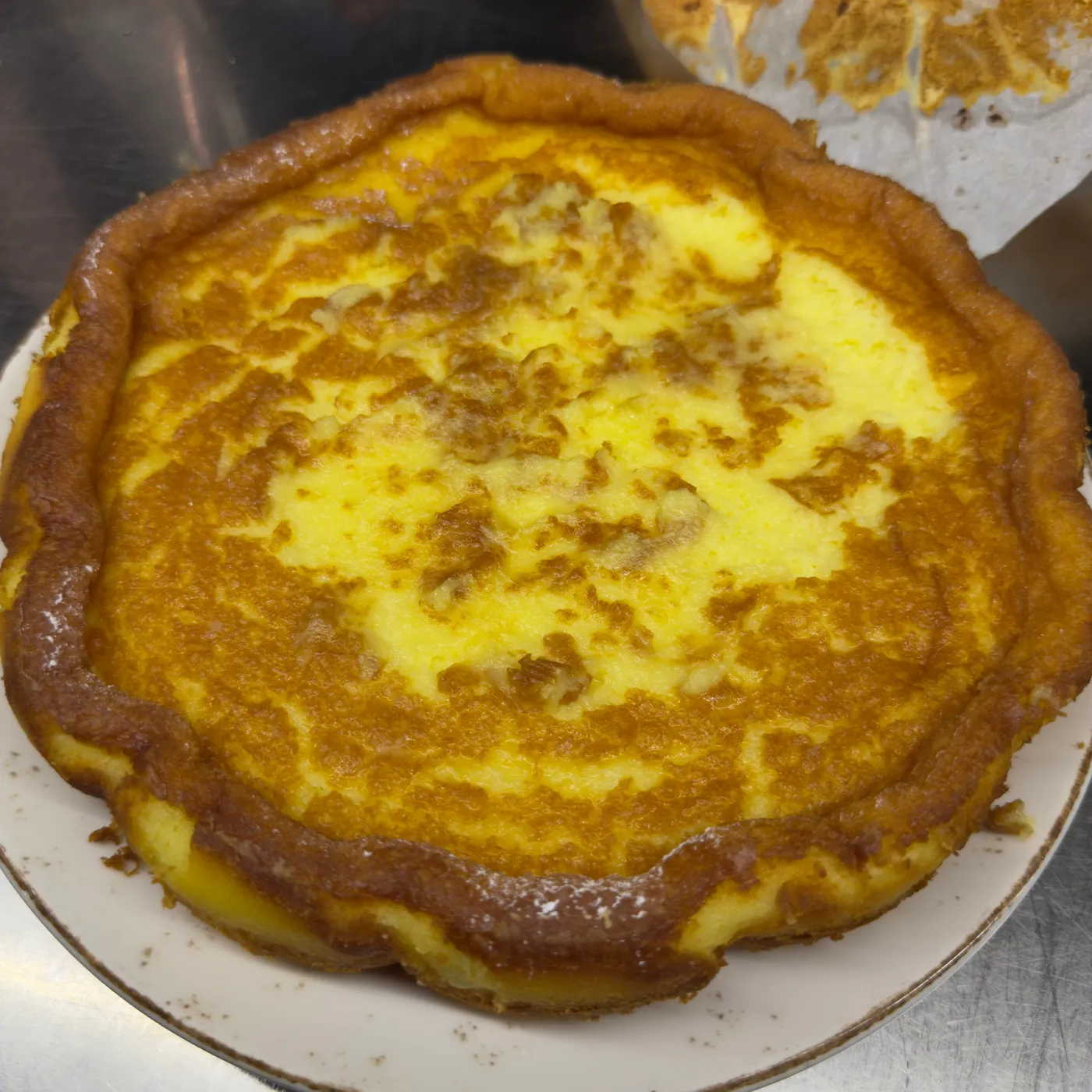
Torta di Crema | Baked Cheesecake
Simone called this the restaurant's torta di crema. He described it as a cheesecake made with cream cheese and sugar, cooked in the oven. The cake has a golden, slightly browned surface, with a softer, pale interior. It's the kind of dessert that needs very little explanation. Cheese, sugar, heat. And the pleasure of a familiar preparation made in the restaurant's own kitchen. Simone seemed particularly proud of it. And I love that kind of pride in something so simple.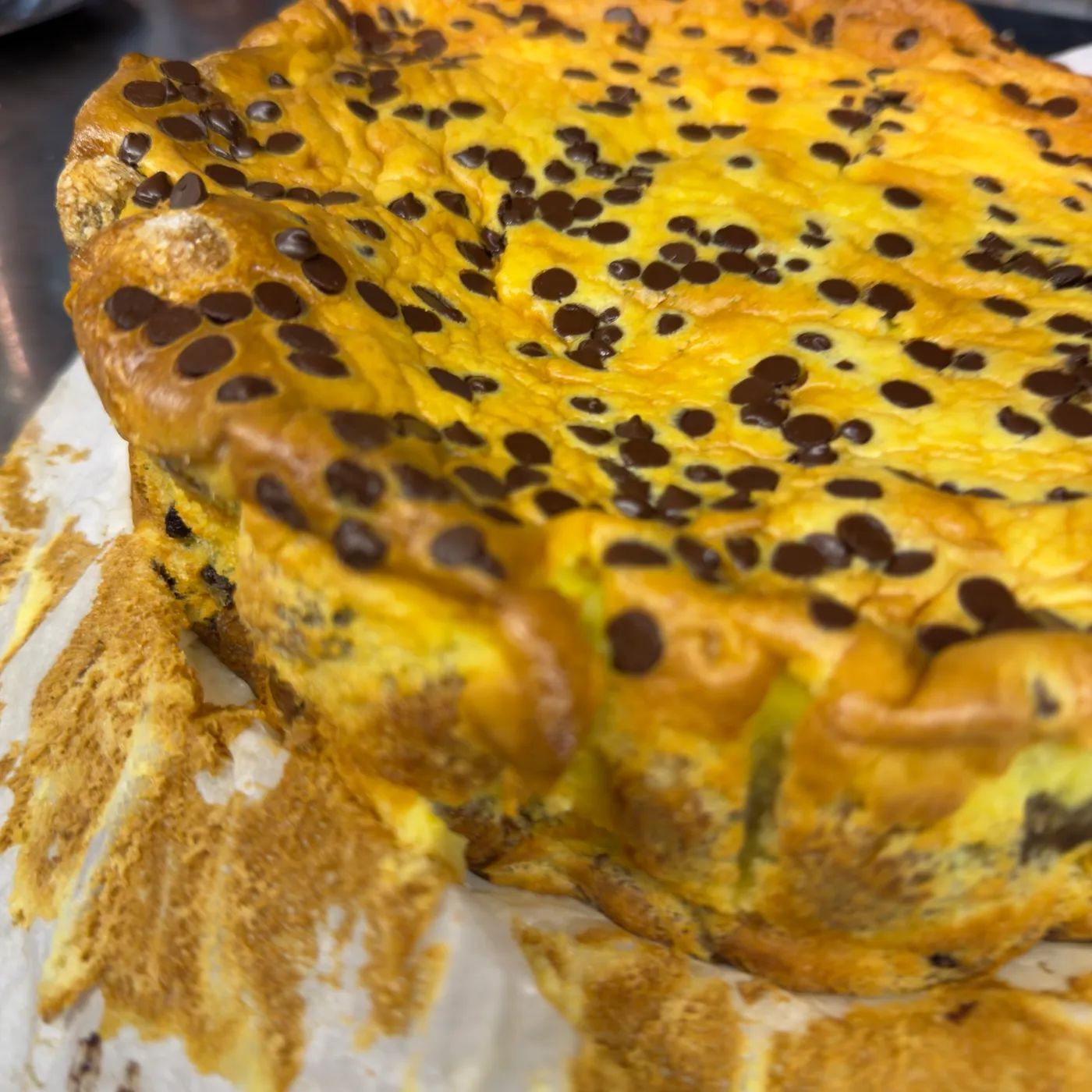
Tiramisù Cotto al Forno | Oven-Baked Tiramisu
Now this was something Simone was especially eager to explain. Their tiramisu is cooked in the oven. He told us that the restaurant uses the familiar ingredients of tiramisu, but prepares the dessert by baking it rather than serving it cold in the usual way. He also described it as a preparation particular to their kitchen. The finished cake arrived with a beautifully browned surface, dotted with chocolate pieces. This is not the familiar layered, chilled tiramisu most people expect. It is Simone's family's interpretation of a dessert everyone knows. Another small example of how traditional cooking can develop its own character within a particular restaurant.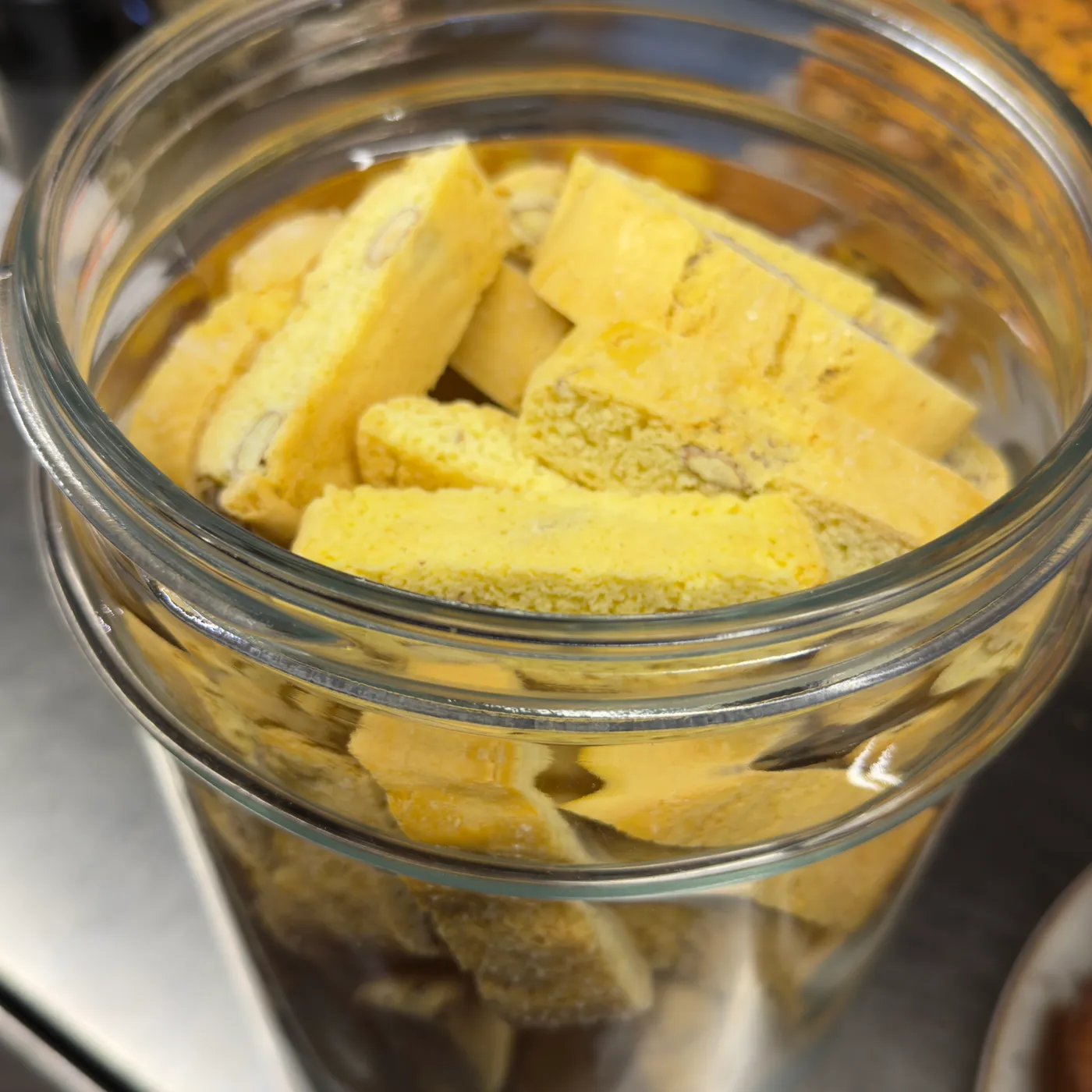
Cantuccini con Vin Santo | Tuscan Almond Biscotti with Sweet Wine
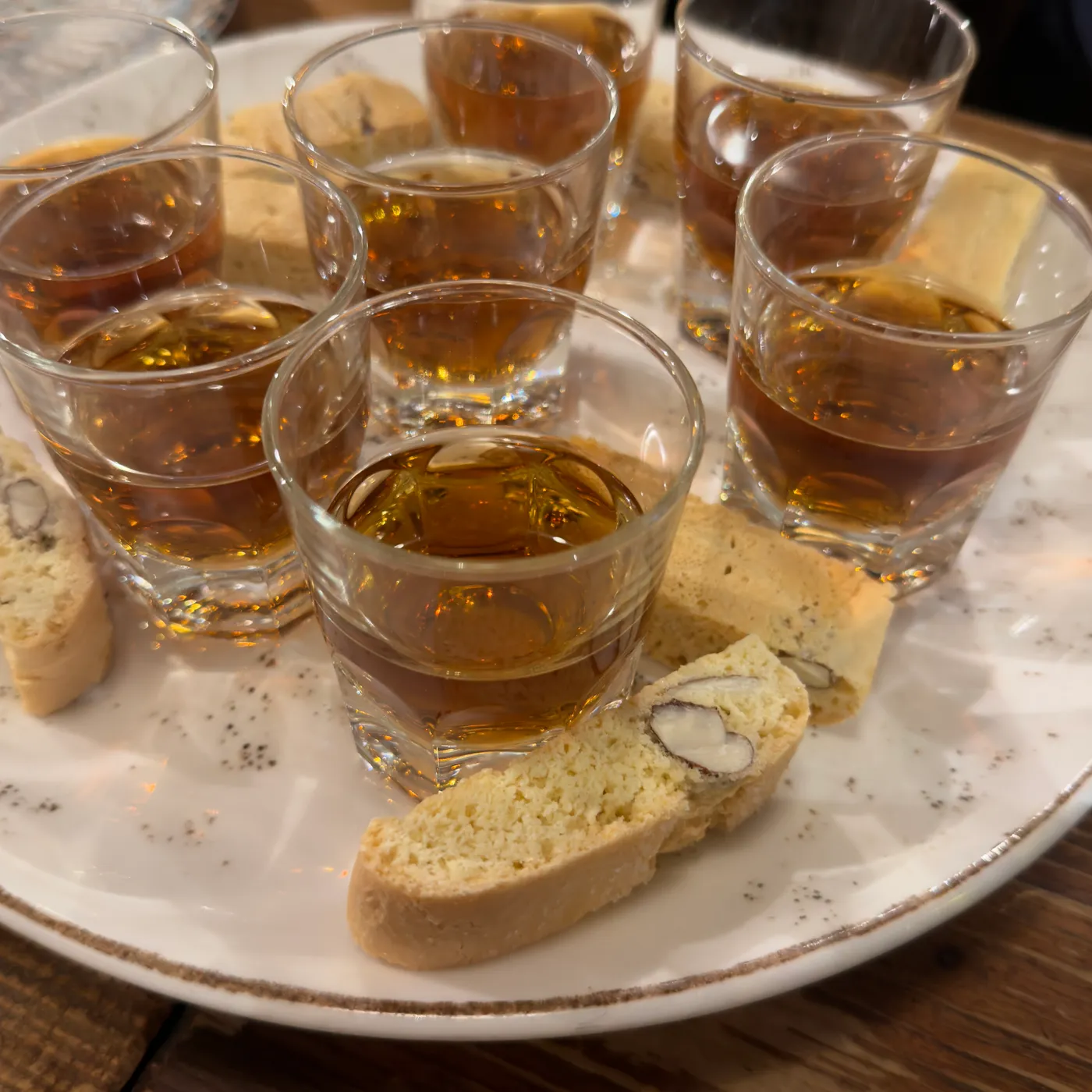
And finally, the most Tuscan way imaginable to end a meal. Cantuccini and Vin Santo. Simone explained that the almond biscuits are made at the restaurant. They are served with sweet Vin Santo, which he described affectionately as good wine from a local farmer. The cantuccini are dry, crisp almond biscuits, traditionally dipped into the wine to soften them. Our photographs show the biscuits waiting in a large glass jar, followed by small glasses of amber-colored Vin Santo served with slices of cantuccini. After everything we'd eaten, this was a fitting conclusion. A little sweetness. A final glass. And the pleasure of lingering at the table just a little longer.What we drank
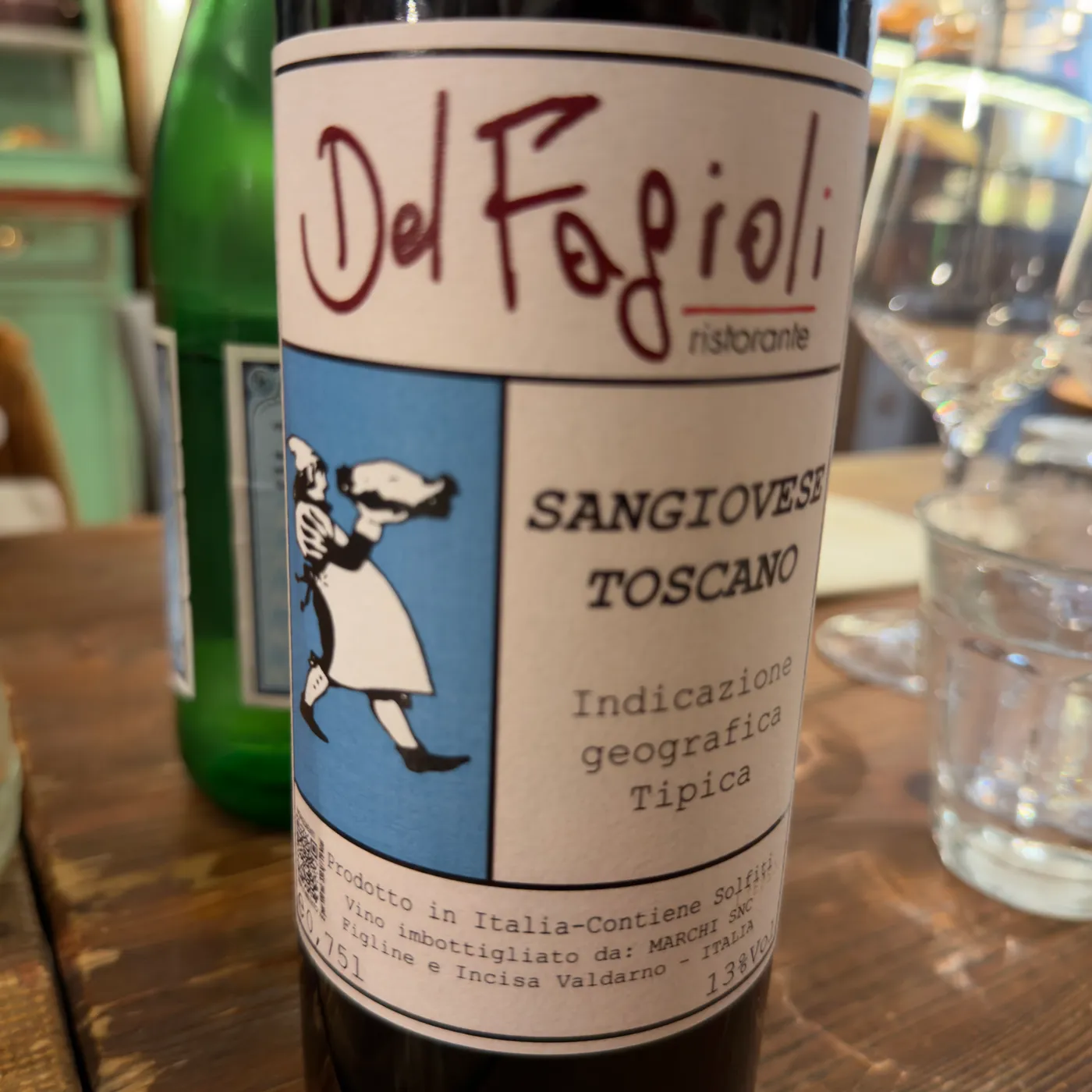
Del Fagioli Sangiovese Toscano IGT | Tuscany
The restaurant's own-label Sangiovese Toscano, bottled by Marchi SNC in Figline e Incisa Valdarno, Tuscany.
A fitting choice for a traditional Florentine table, where wine belongs naturally alongside the food.
The label identifies Sangiovese and the Tuscan IGT designation but gives no visible vintage or further winemaking details.
At Del Fagioli, there was no need to make the wine more complicated than the meal itself.
A bottle on the table, glasses passed around, and another long lunch in Florence.