Coming Home to Japan

November 22–28, 2026 · Tokyo & Kyoto

Coming Home to Japan

The country that shaped The Hungry Tourist.

Photography: Matthew Ng
Coming Home to Japan

Some cities shape your life.

For The Hungry Tourist, Tokyo is one of them.

It is the city that taught us what devotion looks like at the table. The discipline. The silence. The precision. The respect for craft carried so far that a single piece of sushi, a skewer of chicken, or a piece of tempura can feel like the result of a lifetime.

Many of the restaurants we visit are among the most difficult reservations in the world. Some are booked months or years in advance. Others accept only regular guests. Our access exists because of relationships built slowly, over many years, with the chefs and people behind these rooms.

But this journey is not about collecting impossible reservations.

It is about returning to a city that shaped us.

For our 10th anniversary, we wanted to create one Tokyo journey for the THT family. A week that goes deeper than usual. A week built around sushi, kaiseki, tempura, yakitori, wagyu, markets, late nights, and the kind of moments that only happen when trust already exists.

Tokyo is the greatest food city on earth. Not because it has the most restaurants, but because nowhere else is culinary mastery pursued with such intensity, discipline, and devotion.

This is our way of opening that world again.

Not as tourists.

As guests.
The Journey

Every meal on this journey has a reason.

Some are legendary counters.

Some are nearly impossible reservations.

Some are personal relationships.

Some are places we return to again and again because every visit deepens the trust.

Tokyo rewards attention. It does not reveal itself all at once. A perfect piece of sushi, a tempura course served at exactly the right second, a yakitori skewer cooked over binchotan, a bowl of rice, a quiet chef, a market morning before the city is fully awake, these are not separate experiences. Together, they tell the story of a food culture built on discipline, repetition, humility, and time.

For our 10th anniversary, we are not trying to show you everything.

We are trying to bring you close to the things that matter most.

This is not a checklist.

This is Tokyo, with the doors opened properly.

This feels like my Tokyo. Take me to registration!

The Culinary Worlds of Tokyo

Tokyo is not one cuisine.

It is many worlds living side by side: sushi counters, kaiseki rooms, tempura bars, yakitori counters, wagyu specialists, markets, ramen shops, curry houses, soba masters, unagi restaurants, and late-night places that could only exist in this city.

During this journey, we move through the most important of these worlds, not to collect categories, but to understand how each one expresses a different kind of Japanese devotion.

Sushi

SushiThe Crown Jewel of Tokyo

At the pinnacle of Japanese cuisine stands sushi.

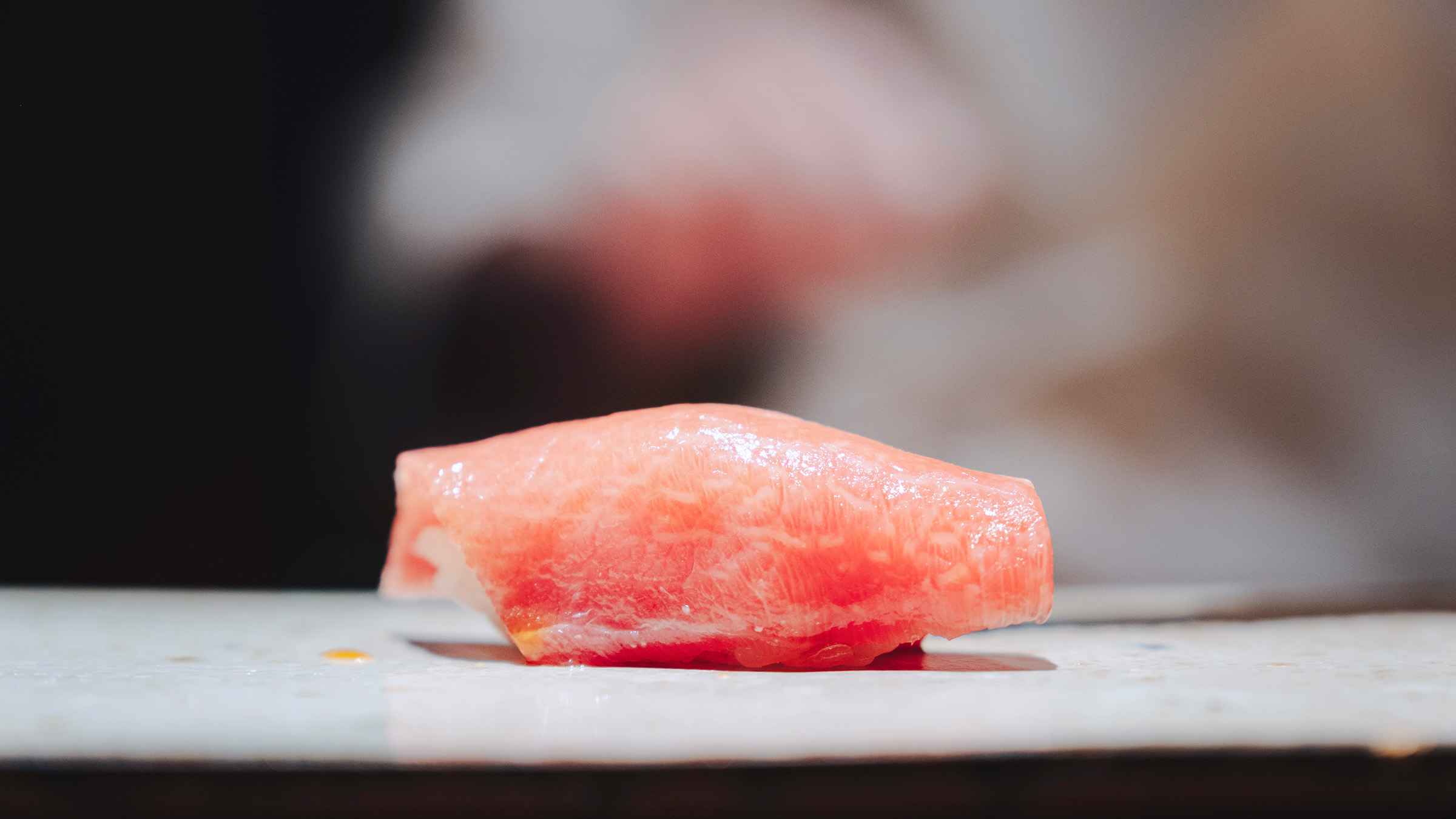
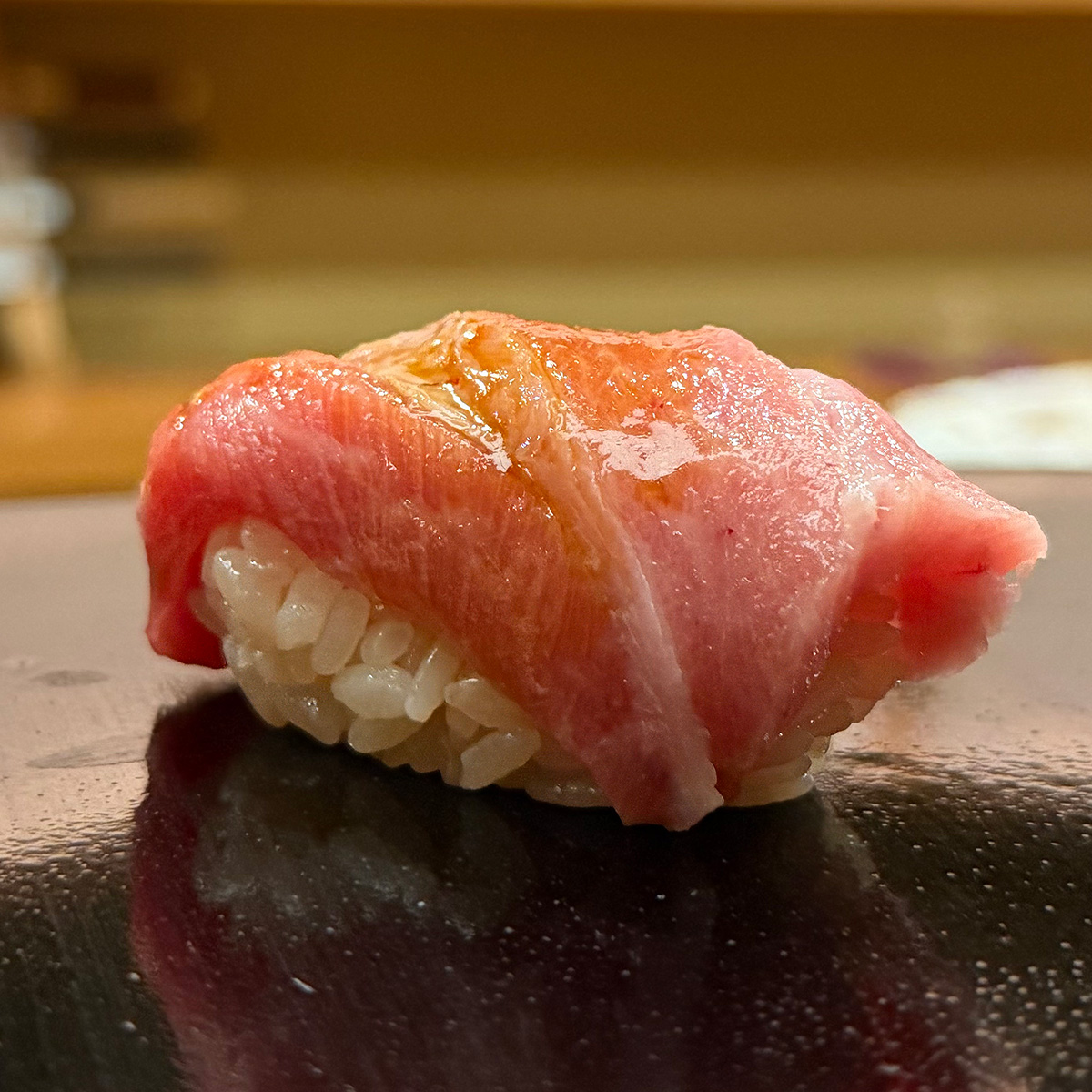
What appears simple, rice and fish, is in fact one of the most demanding culinary arts in the world. Every detail matters. The temperature of the rice, the balance of vinegar, the cut of the fish, and the timing of each piece placed before the guest.

At the finest counters, sushi becomes a quiet performance. A choreography of hands, knives, and ingredients perfected over decades.

Tokyo is home to the greatest sushi masters on earth, and experiencing several of these extraordinary counters is one of the defining highlights of this journey.

During the tour, guests will typically experience multiple elite sushi establishments, each offering a different philosophy, technique, and personality.

Examples of restaurants that represent the level we pursue include: Saito, Sugita, Arai, Namba, Hakkoku, Hatou, Harutaka, Sushi Sho Kiu, Tenzushi, Sushi Sho Masa.

Every sushi meal is unique, shaped by seasonality, availability, and the rhythm of the city. What never changes is the standard.

The pursuit of the very best.

Kaiseki

Kaiseki

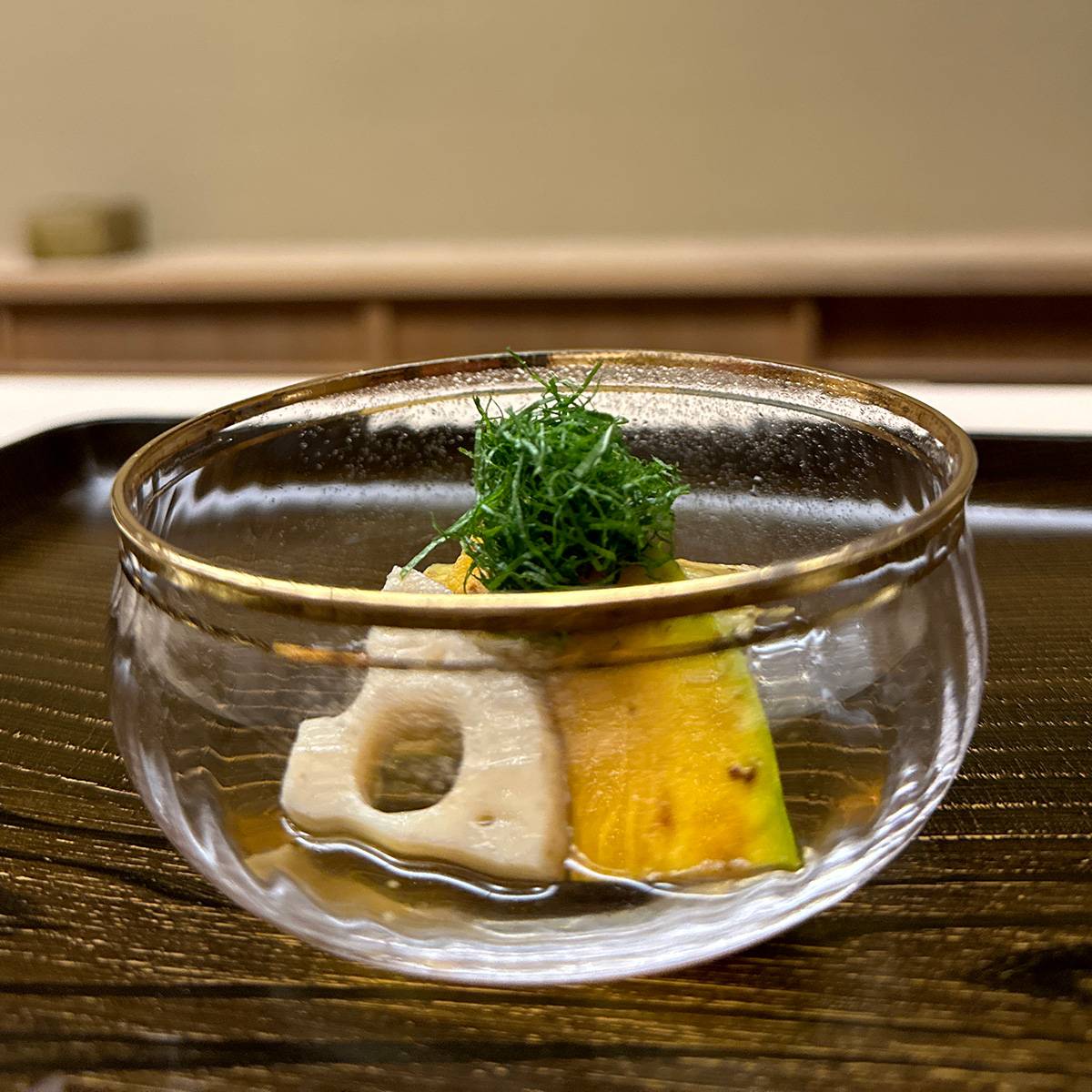
If sushi represents purity and precision, kaiseki represents the philosophical heart of Japanese cuisine.

Rooted in centuries of tradition, kaiseki is a seasonal tasting experience that celebrates nature, balance, and beauty. Every ingredient reflects the time of year. Every dish expresses restraint, harmony, and craftsmanship.

In the finest kaiseki restaurants, dining becomes something deeper than a meal. It becomes an encounter with Japanese culture itself. The chefs who practice kaiseki are among the most respected culinary artists in Japan.

Examples of masters that represent the level of dining we seek to experience include: Ogata, Maeda, Guchokuni, Ishikawa, Miyasaka.

These restaurants are not simply places to eat. They are living expressions of Japanese aesthetics.

Tempura

Tempura

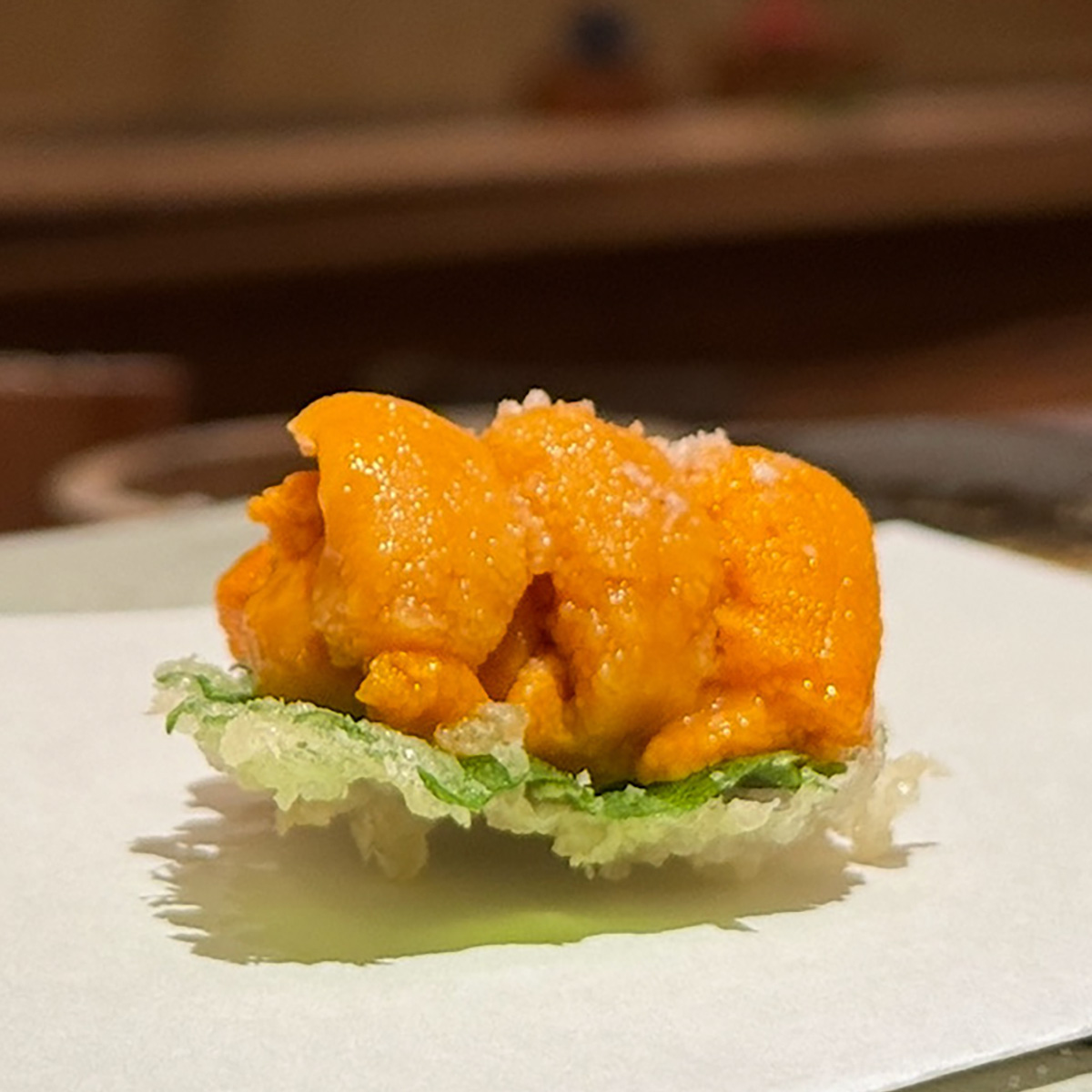
Tempura is the art of lightness.

Seafood and vegetables are coated in a delicate batter and fried for only moments, producing textures that are impossibly crisp and ethereal.

At the highest level, tempura demands extraordinary control: the temperature of the oil, the composition of the batter, the timing of each ingredient entering the fryer.

The best tempura chefs serve each piece individually, directly from the fryer to the guest, at the precise moment it reaches perfection.

Among the masters who represent the level of experience we pursue are: Motoyoshi, Takiya, Kondo.

Dining at these counters reveals how extraordinary simplicity can become when mastered.

Wagyu

WagyuYakiniku, Sukiyaki, and Steaks

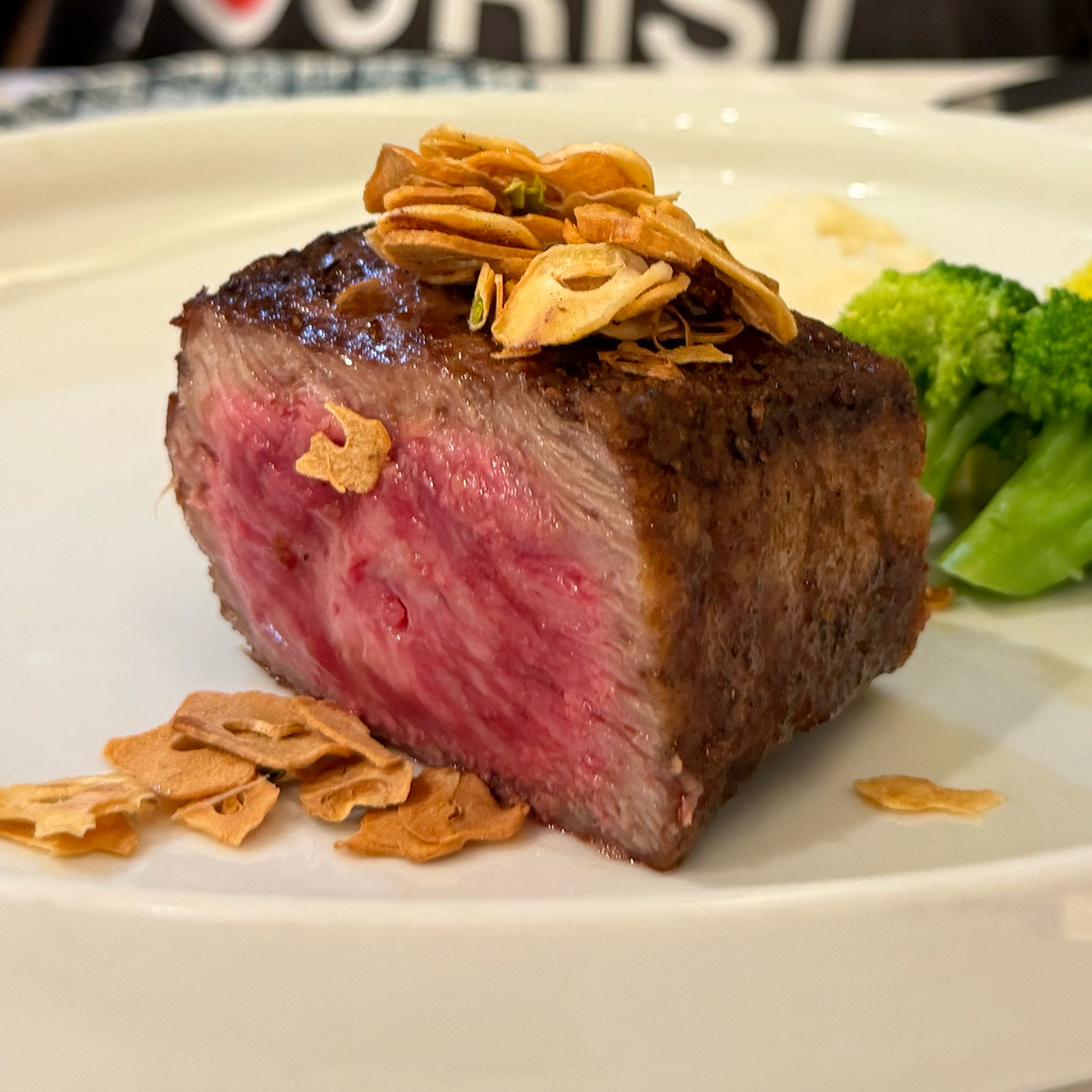
Japanese wagyu is legendary throughout the world. But experiencing it in Tokyo is something entirely different.

Here, beef is treated with reverence. The finest cuts are prepared through traditions that highlight the extraordinary depth of flavor and marbling that define wagyu.

Some restaurants specialize in yakiniku, where guests grill exquisite cuts over charcoal. Others focus on refined sukiyaki preparations. And some of Tokyo's most celebrated steak houses treat beef with the same precision normally reserved for sushi.

Restaurants that represent the level we seek include: Yoroniku, Shima, Yakiniku Jumbo, Vesta, Miyoshi, Nikuya Tanaka.

Each offers a different expression of Japan's obsession with exceptional beef.

Yakitori

Yakitori

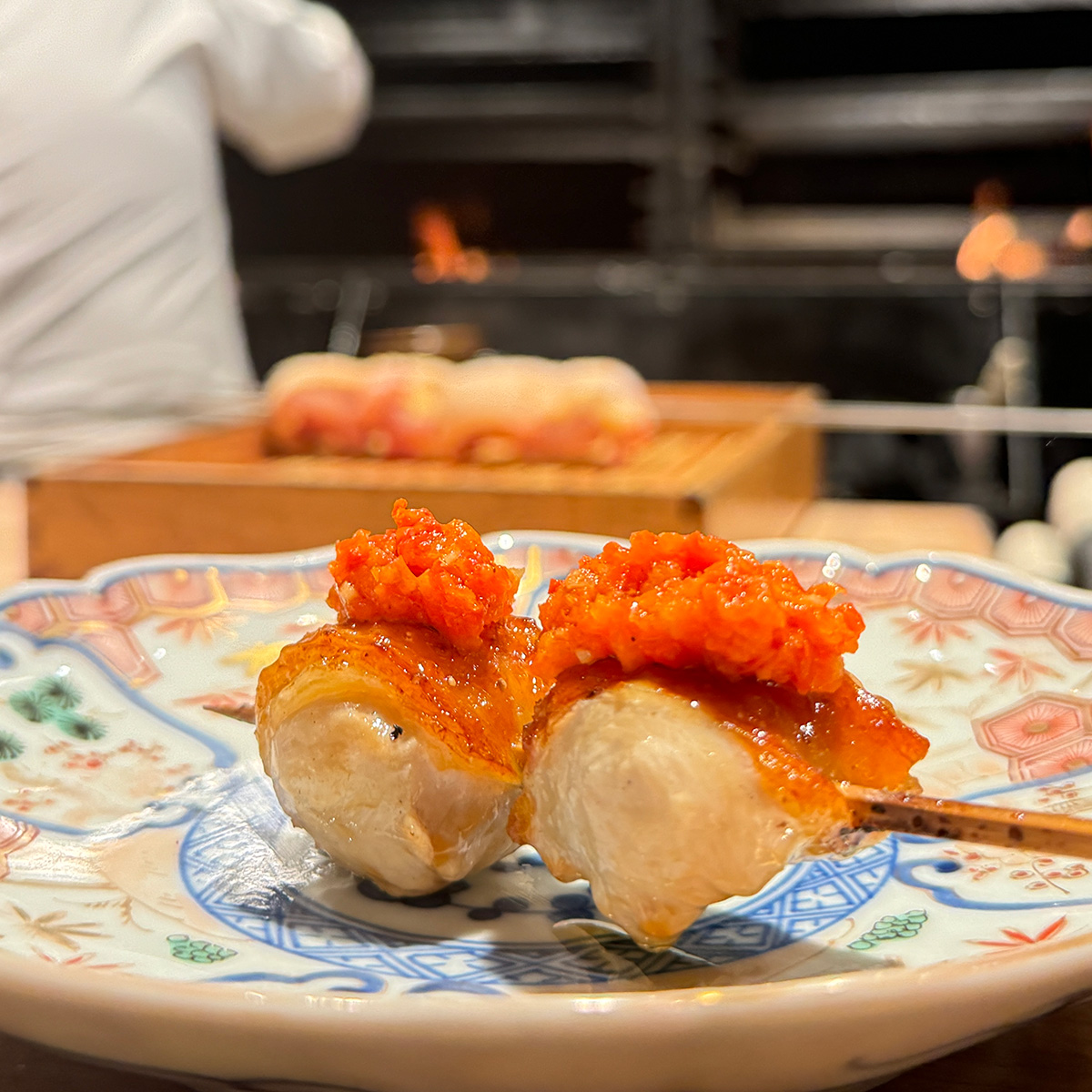
Yakitori is one of the purest expressions of Japanese cooking.

Chicken. Charcoal. Salt. Sauce.

At its highest level, yakitori is defined by knife work, fire control, and deep knowledge of every part of the bird. Each skewer is grilled over binchotan charcoal, producing aromas and textures that are unmistakably Japanese.

The best yakitori chefs are revered craftsmen whose counters are among the most sought-after reservations in Tokyo.

Examples of restaurants that represent this world include: Sora, Makitori Shinkobe, Torishiki, Eiki, Torikado, Shinohara.

A great yakitori dinner is intimate, soulful, and unforgettable.

Tokyo Beyond Michelin

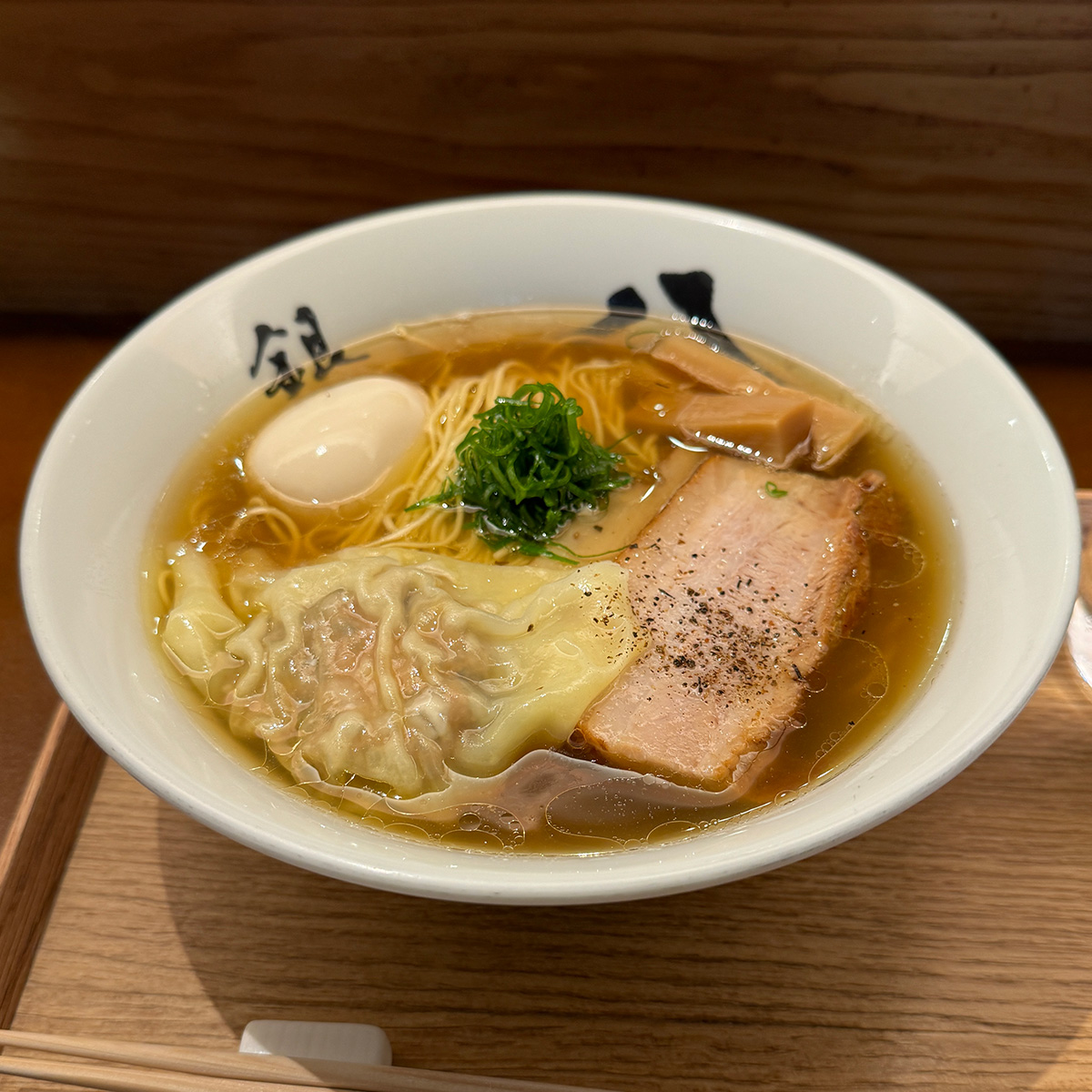
Tokyo Beyond MichelinRamen, Unagi, Soba, Curry Rice and More

Tokyo's greatness does not exist only in rare counters and formal dining rooms.

It lives just as vividly in bowls of ramen perfected over decades. In handmade soba noodles served with quiet precision. In eel grilled over charcoal and glazed with sweet soy sauce. In Japanese curry rice that has become one of the country's most beloved comfort foods.

These dishes represent the everyday genius of Tokyo's food culture. Throughout the tour we explore exceptional examples of these traditions, seeking the places that locals consider truly special. Because in Tokyo, greatness exists everywhere, from Michelin-starred temples of cuisine to humble shops that have spent generations perfecting a single dish.

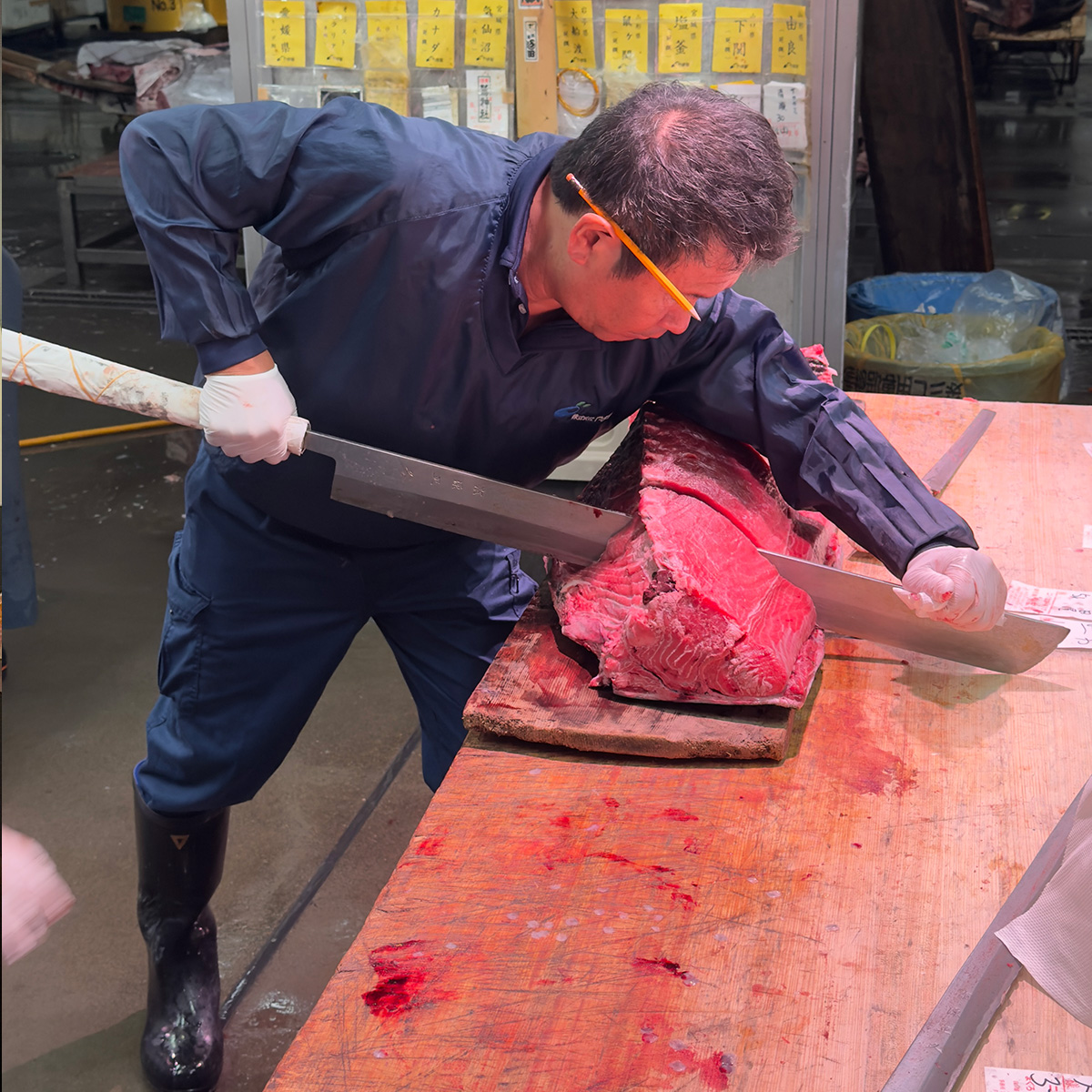
Toyosu Fish Market

Toyosu Fish MarketThe Beating Heart of Tokyo's Seafood World

No exploration of Tokyo's culinary culture would be complete without visiting Toyosu Fish Market.

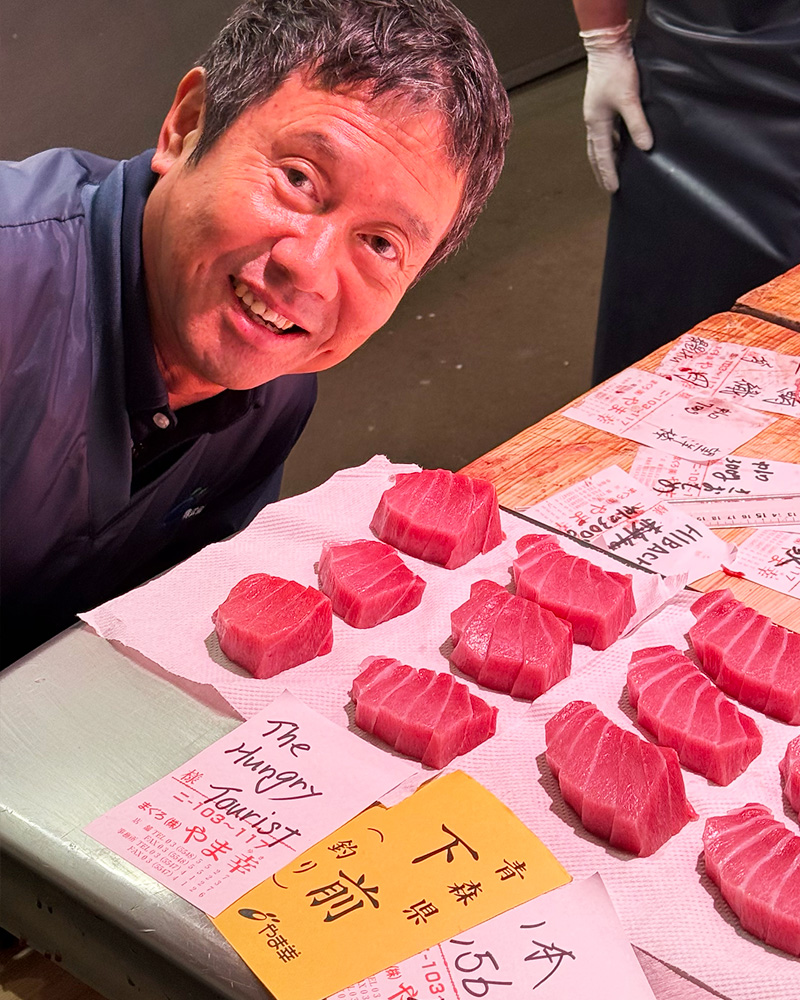
Before dawn, extraordinary seafood from across Japan and around the world arrives here. Tuna from the waters of northern Japan. Shellfish from Hokkaido. Rare seasonal fish destined for the city's greatest counters.

Through our connections we aim to offer guests an insider look into areas of the market that are normally restricted, providing a deeper understanding of how the finest ingredients move from ocean to chef. For many of Tokyo's greatest sushi masters, the day begins here.

By the end of the week, Tokyo does not feel like a list of restaurants anymore.

It feels like a language.

Rice. Fire. Fish. Charcoal. Broth. Knife work. Silence. Timing. Season. Repetition. Respect.

You begin to understand that the greatness of Tokyo is not only in the famous names, but in the seriousness of the culture itself. The way people work. The way they repeat. The way they return to the same craft every day and still try to make it better.

That is why we keep coming back.

And for our 10th anniversary, there was nowhere else we wanted to return first.

Where We Stay

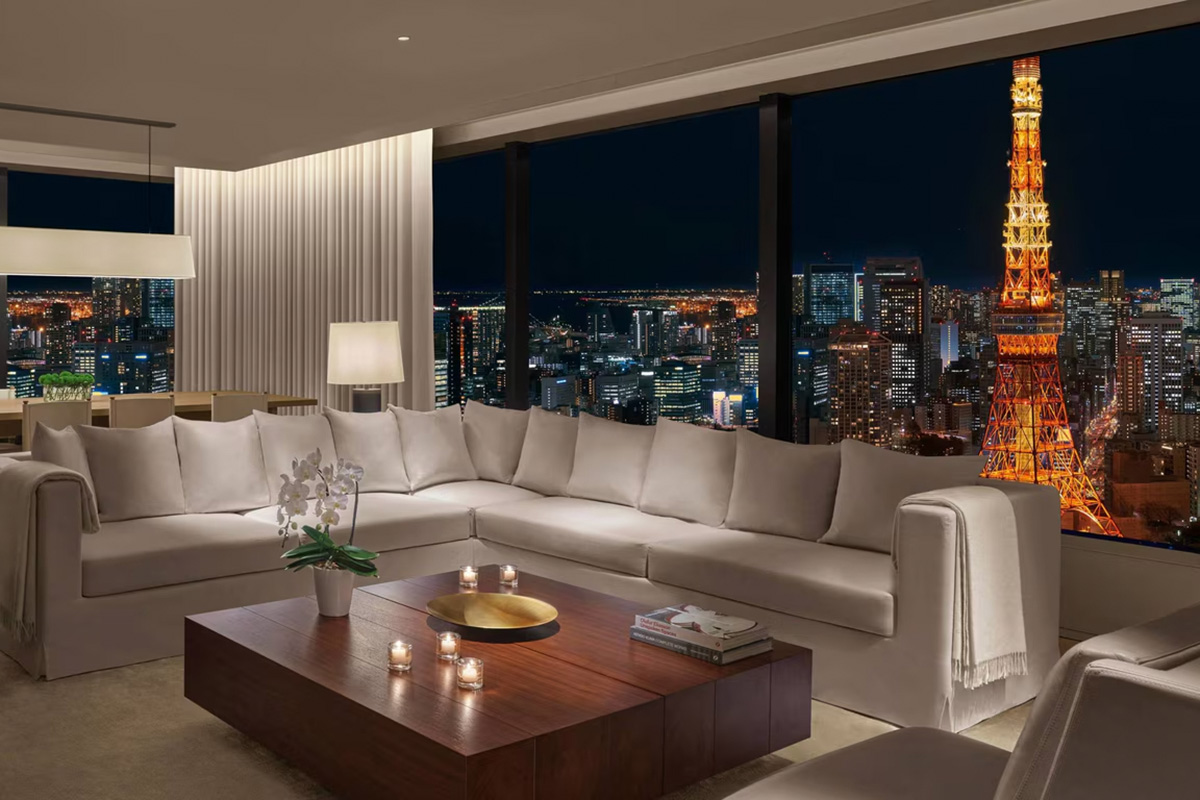
The Tokyo EDITION, Toranomon

The Tokyo EDITION, Toranomon

Check-in
Sunday, Nov 22, 2026
Check-out
Friday, Nov 27, 2026

The Tokyo EDITION, Toranomon embraces both the authentic history of the ancient city along with the modern skyscrapers that have recently revitalized the city's skyline. Designed by Kengo Kuma with the vision of Ian Schrager, all 206 guest rooms at The Tokyo EDITION, Toranomon offer a breathtaking glimpse of the Tokyo skyline including views of Tokyo Tower and Tokyo Bay. The hotel is steps away from Tokyo's best neighborhoods and attractions.

Ace Hotel Kyoto

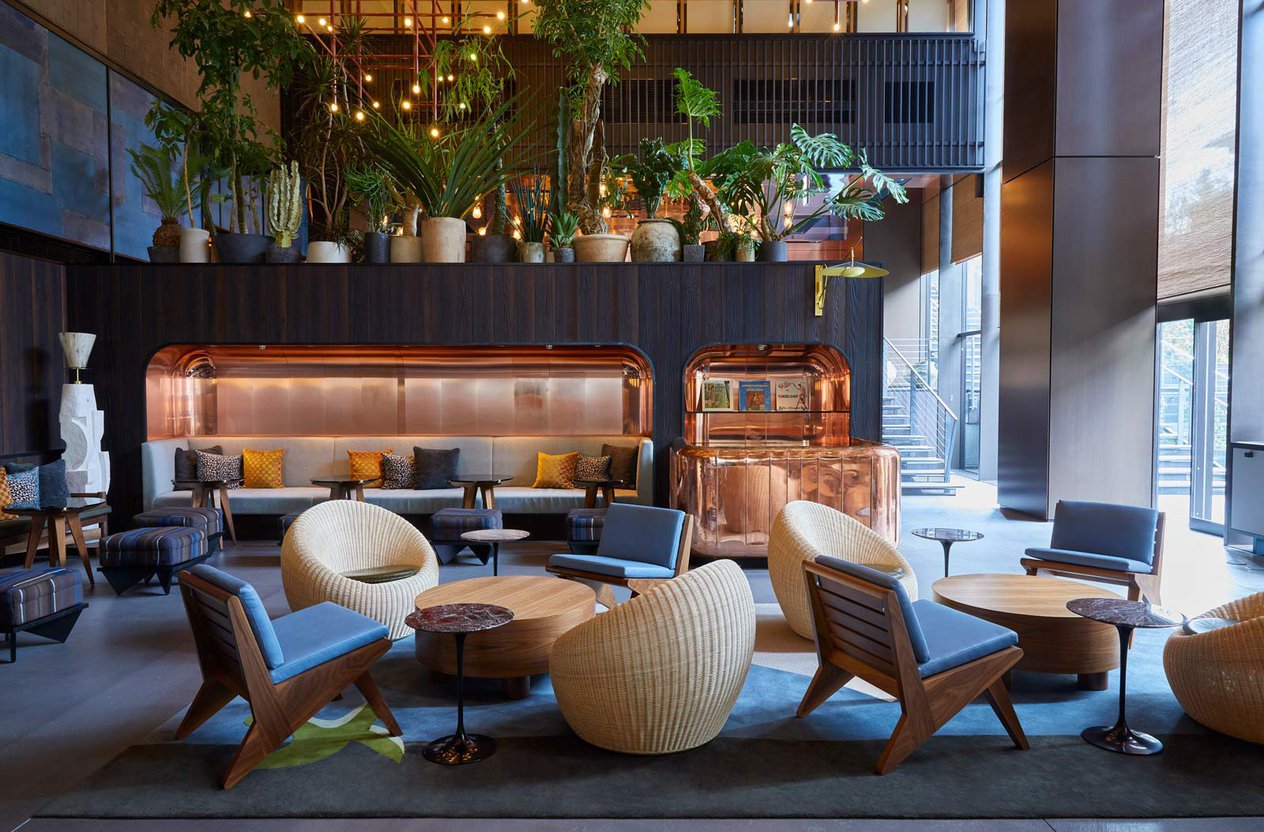
Ace Hotel Kyoto

Check-in
Friday, Nov 27, 2026
Check-out
Saturday, Nov 28, 2026

Ace Hotel Kyoto brings a relaxed, contemporary energy to the heart of the city. Set within the historic ShinPuhKan complex and directly connected to Karasuma Oike Station, it blends Kyoto craftsmanship with modern design, art, music, and lively communal spaces. Rooms are comfortable and characterful, making it an easy, stylish base for exploring Kyoto.

The Essentials

Check-in
Sunday, Nov 22, 2026
Check-out
Saturday, Nov 28, 2026
First meal
Dinner on Sunday, Nov 22, 2026
Last meal
Lunch on Saturday, Nov 28, 2026

A full timetable of meals and activities will be emailed to participants before the tour.

A Note on Set Menus
The menus offered during the tour are selected by The Hungry Tourist in collaboration with our local partners. We believe they represent the best culinary fare that Tokyo has to offer. Guests may order outside of these menus at their own expense.
Transportation
Tokyo has a wonderful and efficient subway system that we use for most of our stay in the city; taxis may be used later in the evening. On Friday, Nov 27 we travel together to Kyoto by Shinkansen.

Tour Fees

Per person, shared room: USD 8,850.
Single occupancy supplement: USD 2,750.

Price includes all food, beverages, taxes, service charges, and 6 nights of accommodation (not eligible for loyalty program points).

Price does not include airfare, transportation in Tokyo, or any travel or medical insurance.

Extra nights before or after the tour can be booked in advance at a special rate.

If this feels like your journey

This will be one of the most special Japan journeys we have ever created.

If this feels like your Japan, fill out the form below and we’ll come back to you personally.

Payment

A non-refundable deposit of USD 2,500 per person will be charged upon reservation.

The balance must be paid no later than 60 days prior to the first day of the tour.

Payments are preferred by bank transfer.

Payments by Credit Card will incur a 4.5% surcharge.

Cancellation Policy

If cancellation is received more than 30 days before departure, the deposit is forfeited.

If cancellation is received between 30 and 10 days before departure, 50% of the remaining balance will be charged.

Also for the THT family

They were there

Stories from the guests who joined us at the table, travelled with us, and became part of the journey.