Ogata
Thu, Oct 1, 2026
What we ate
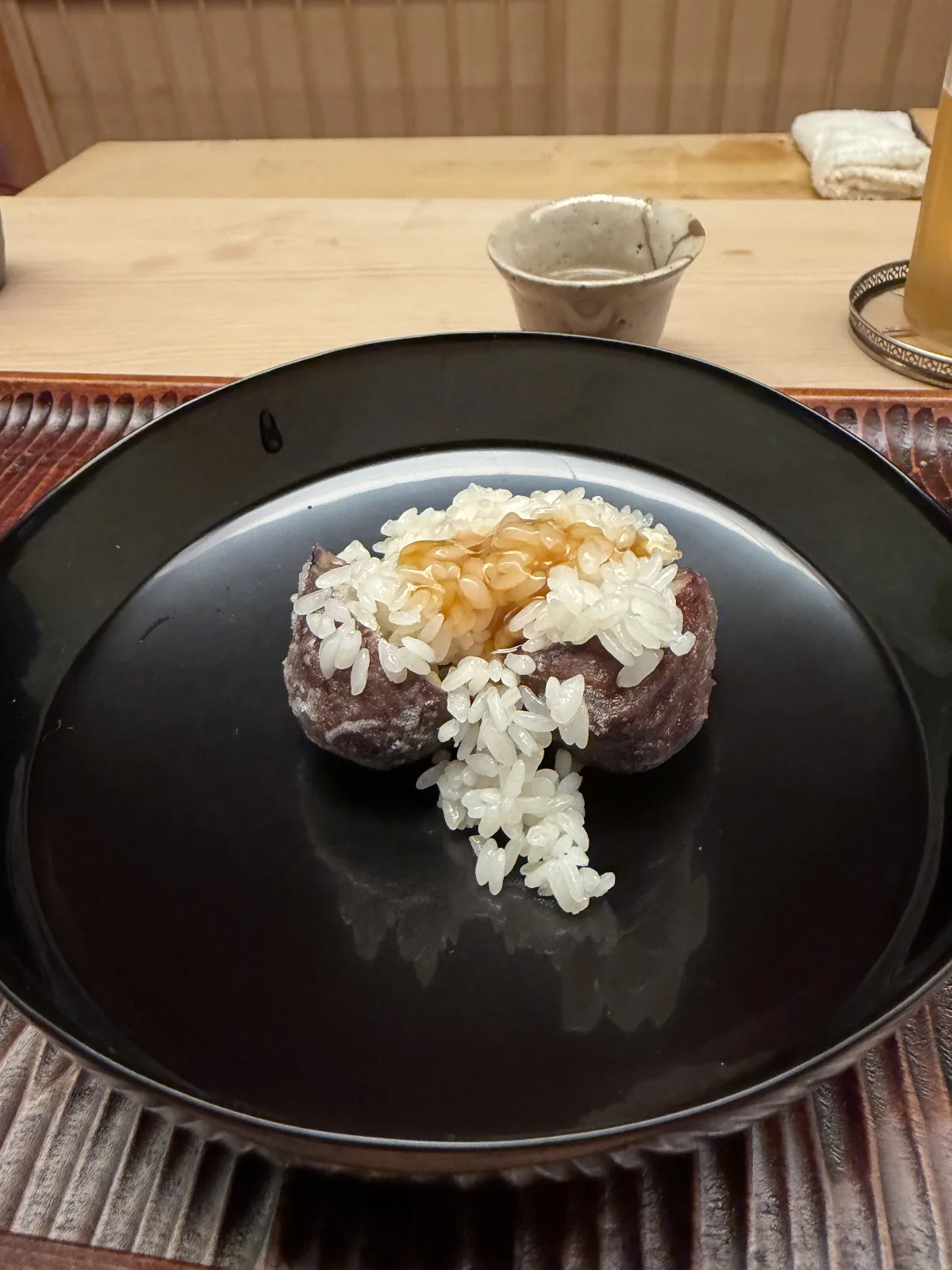
Autumn Chestnuts
The first dish of the evening, and immediately a declaration of the season. Chestnuts are at their peak now, bringing their natural sweetness, gentle earthiness and unmistakable autumn warmth. Soft, comforting and quietly luxurious, they set the tone beautifully: in Kyoto, the beginning of a meal can also be the beginning of a season.
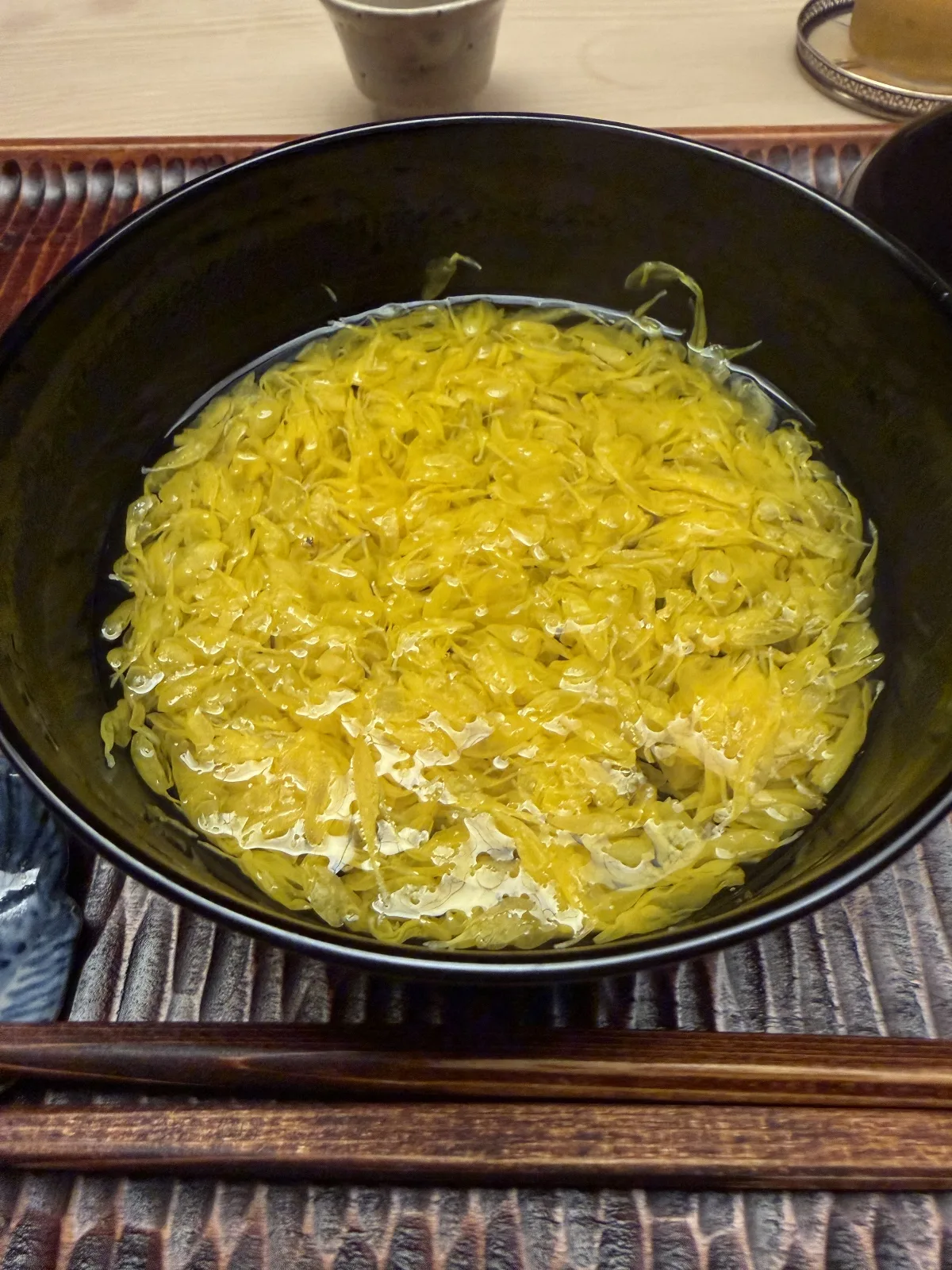
Edible Chrysanthemum
I had no idea flowers could be this delicious. Chrysanthemum petals bring a gentle bitterness, fresh herbal fragrance and an almost citrus-like brightness to the plate. In Japanese cuisine, they are more than decoration: a seasonal ingredient in their own right, transforming something visually beautiful into something unexpectedly expressive, elegant and delicious.
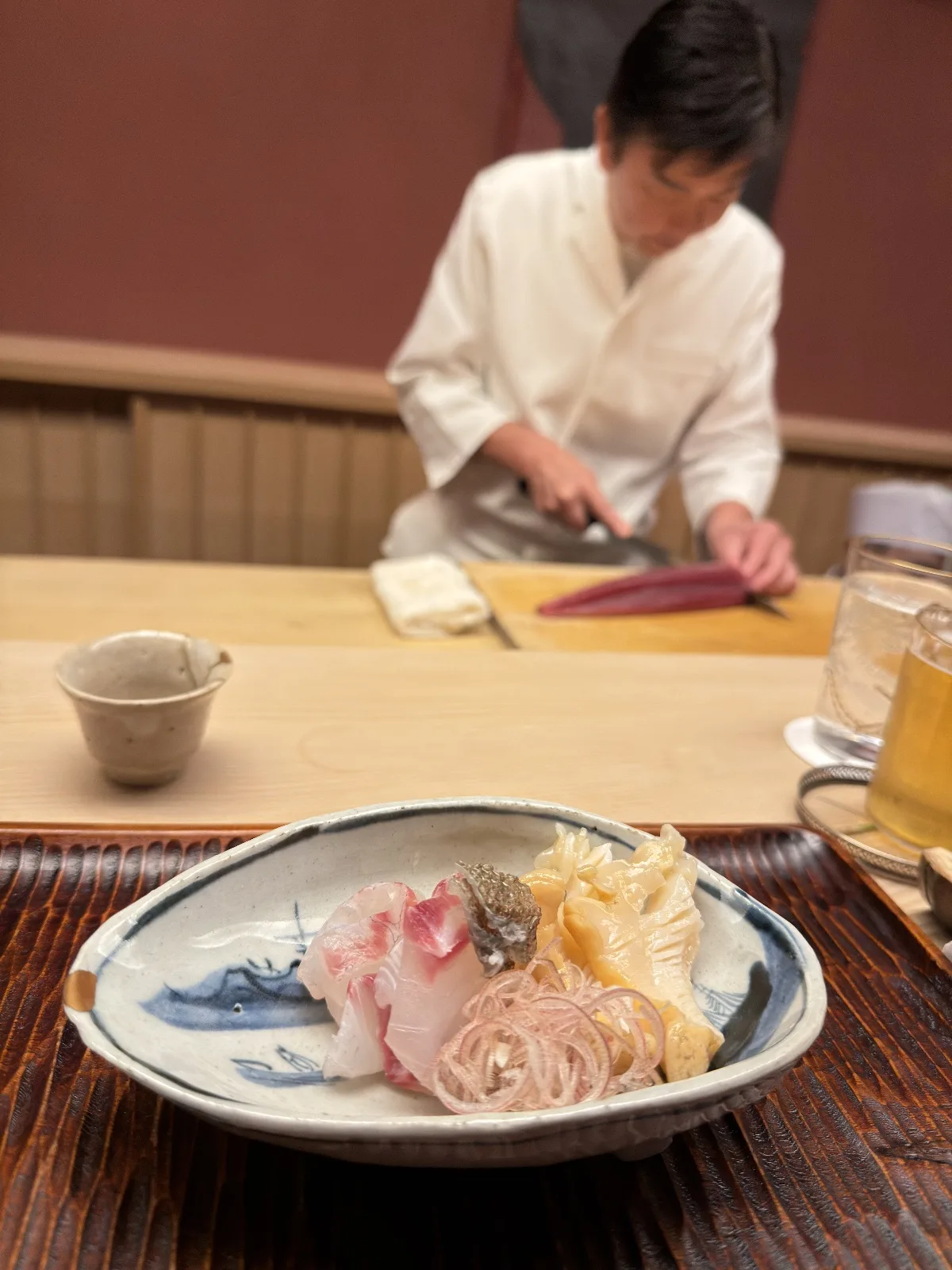
Tai and Tsubugai Sashimi
A pristine pairing of tai, sea bream, and tsubugai, Japanese whelk. The tai is delicate, clean and gently sweet, while the tsubugai offers a firmer, beautifully yielding texture with a concentrated taste of the sea. Finely sliced myoga adds fragrance and freshness—a quiet study in texture, seasonality and exceptional ingredients.
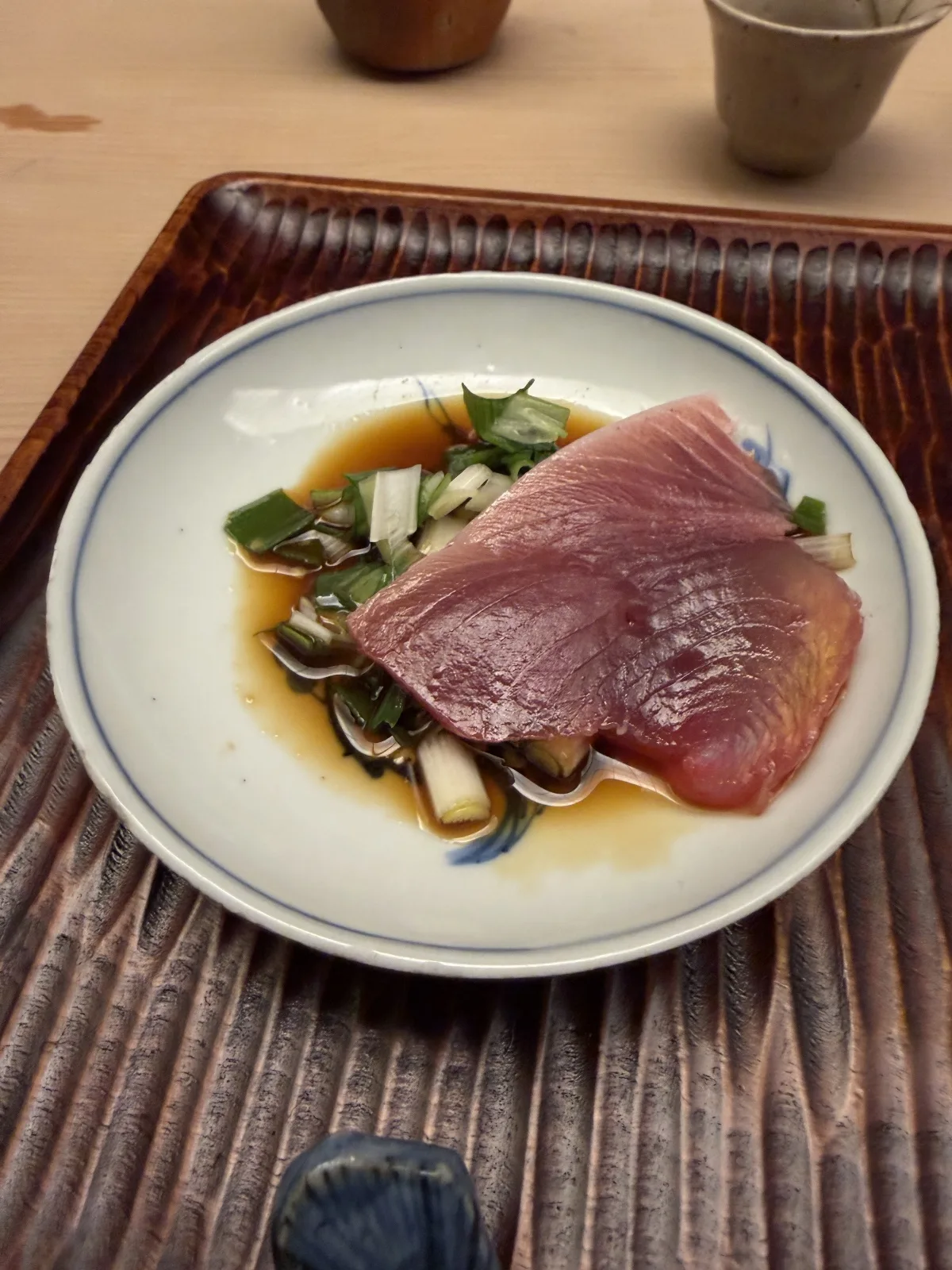
The Lost Bonito
Ogata-san described this bonito as a wanderer that somehow lost its way and ended up swimming among a school of tuna. Living and feeding alongside them gave the fish an unusually rich, fatty character—almost tuna-like. A wonderful accident of nature: a bonito that followed the wrong crowd and became something extraordinary.
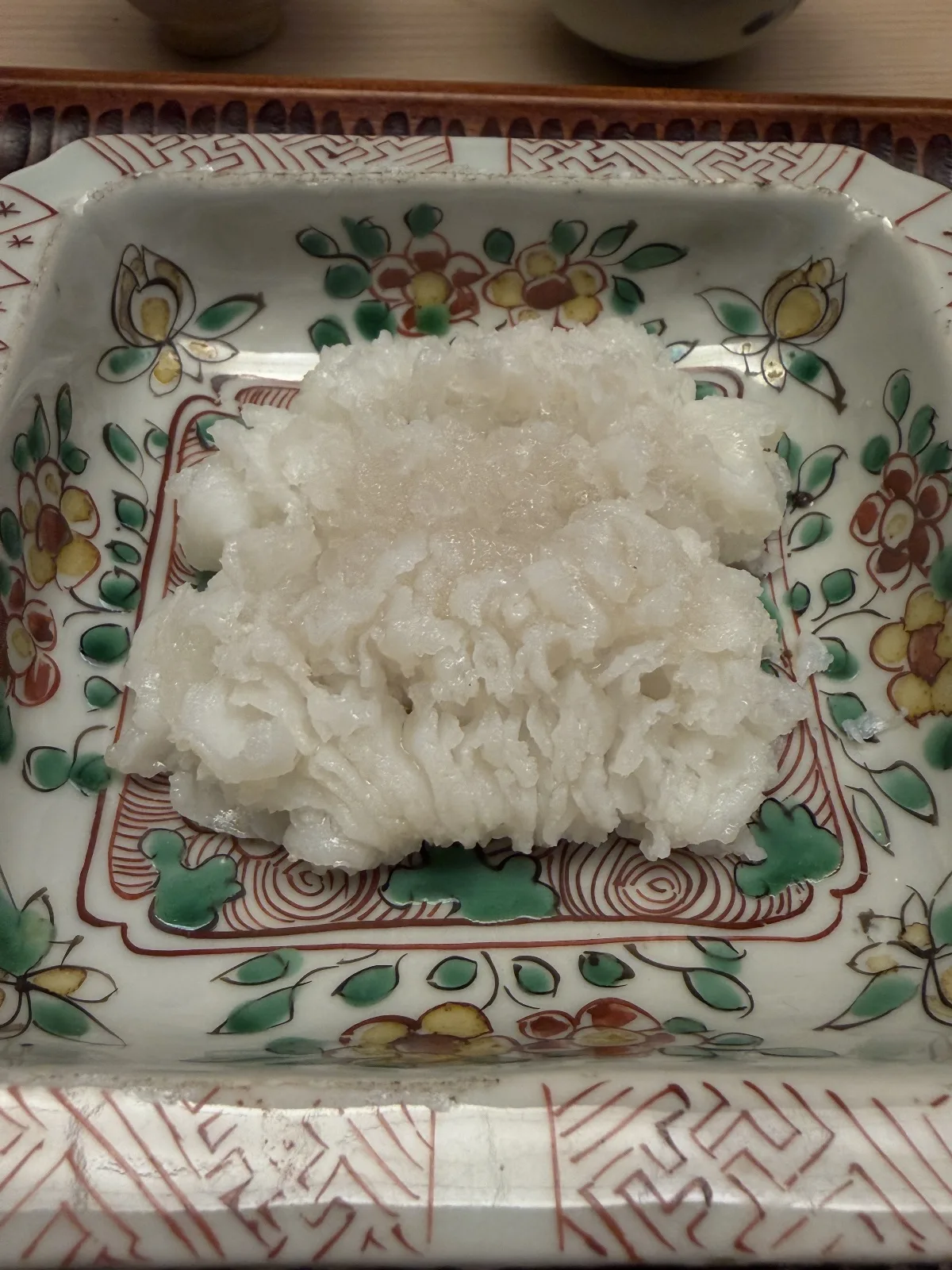
Hamo, or pike conger eel, demands one of Kyoto cuisine’s most exacting skills: honegiri, cutting through hundreds of tiny bones without piercing the skin. Using a heavy hamo knife, the chef makes extraordinarily fine, rhythmic cuts across the flesh. Done perfectly, the technique transforms a notoriously bony fish into something delicate, tender and elegant.
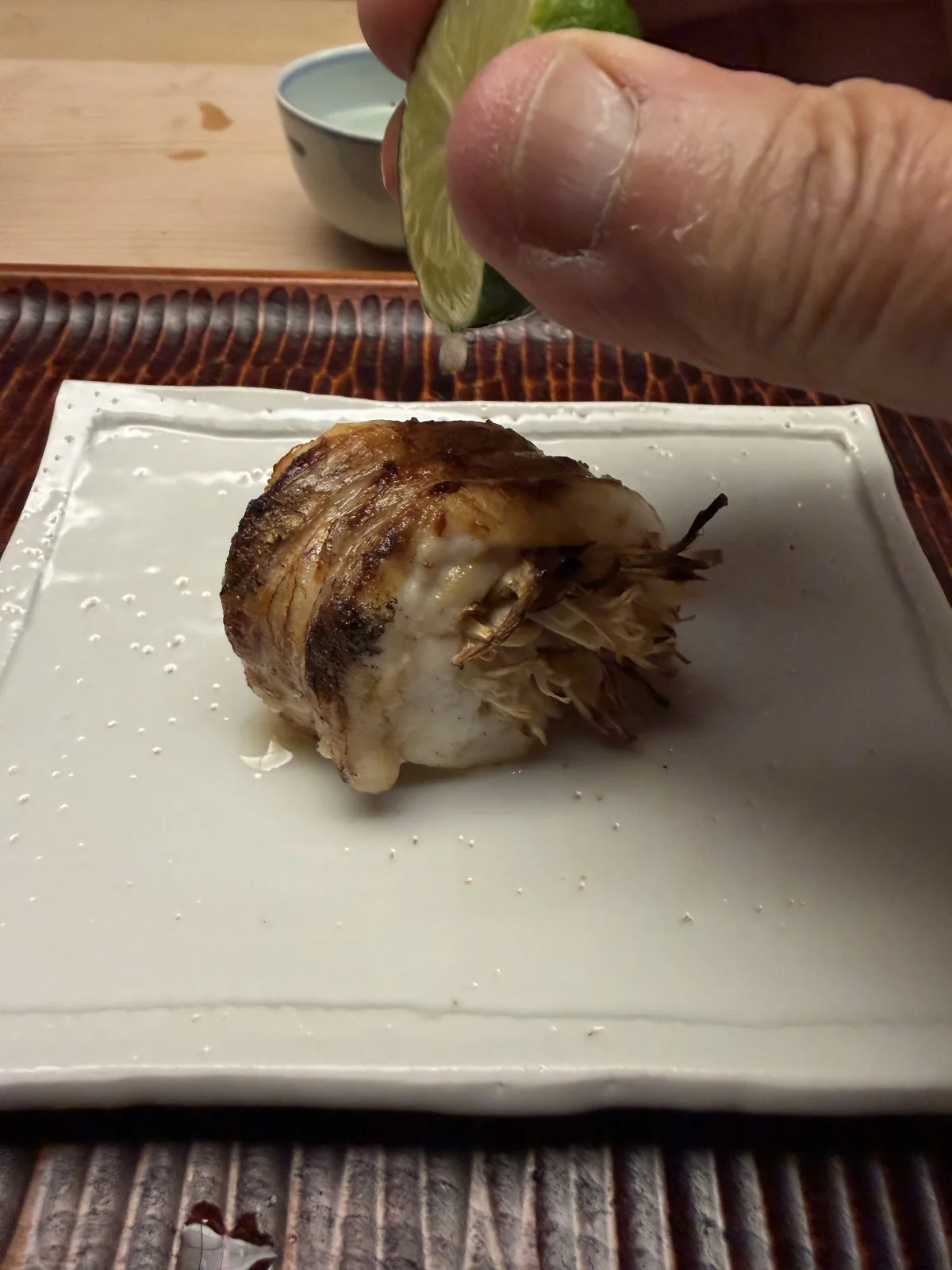
Matsutake and nodoguro bring together two expressions of autumn: the forest and the sea. The mushroom’s haunting perfume meets the rich, almost buttery flesh of the fish, each intensifying the other. Earth, smoke, fat and fragrance unfold together—a dish of extraordinary depth, yet somehow still delicate, pure and unmistakably Japanese.
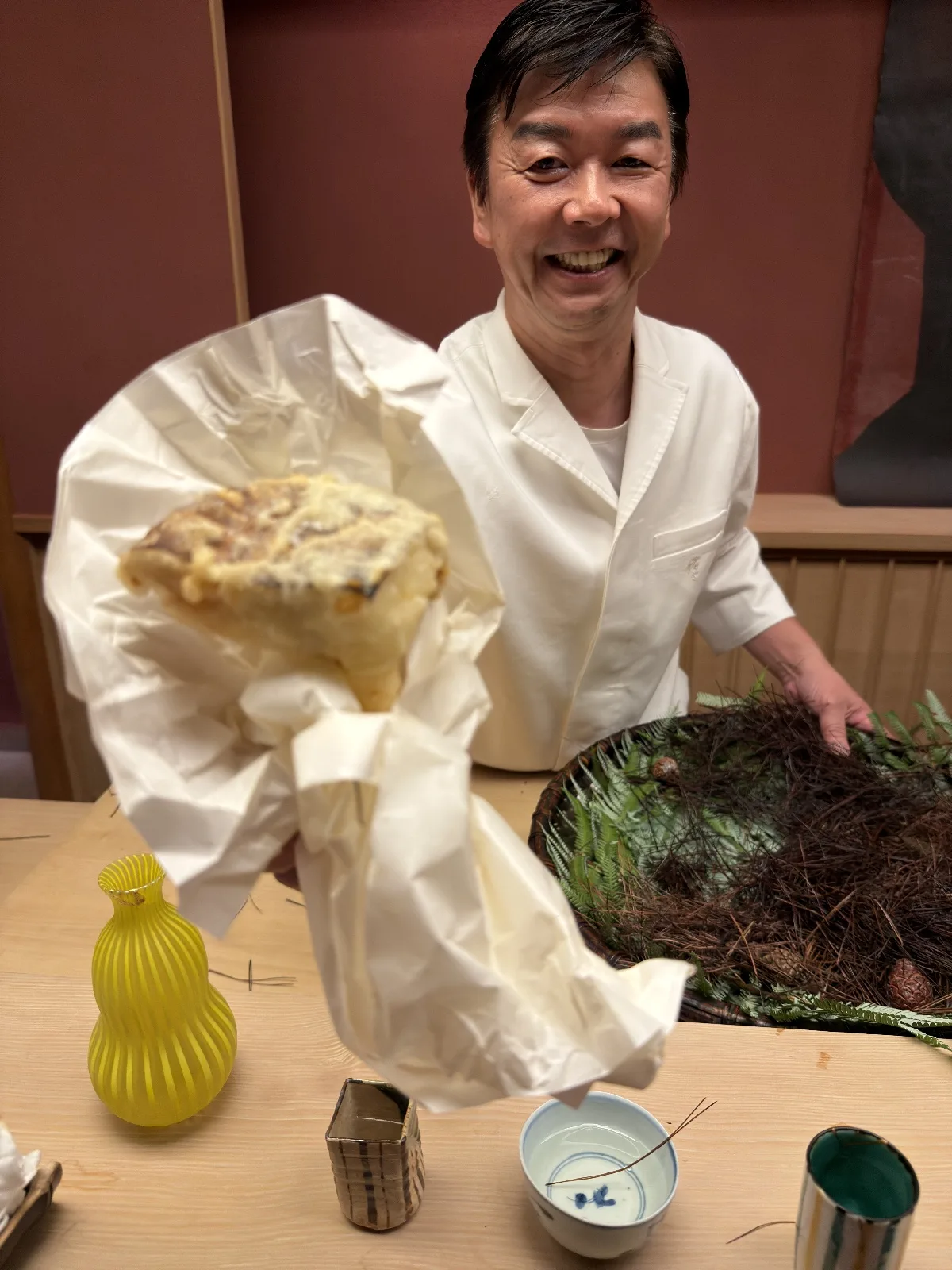
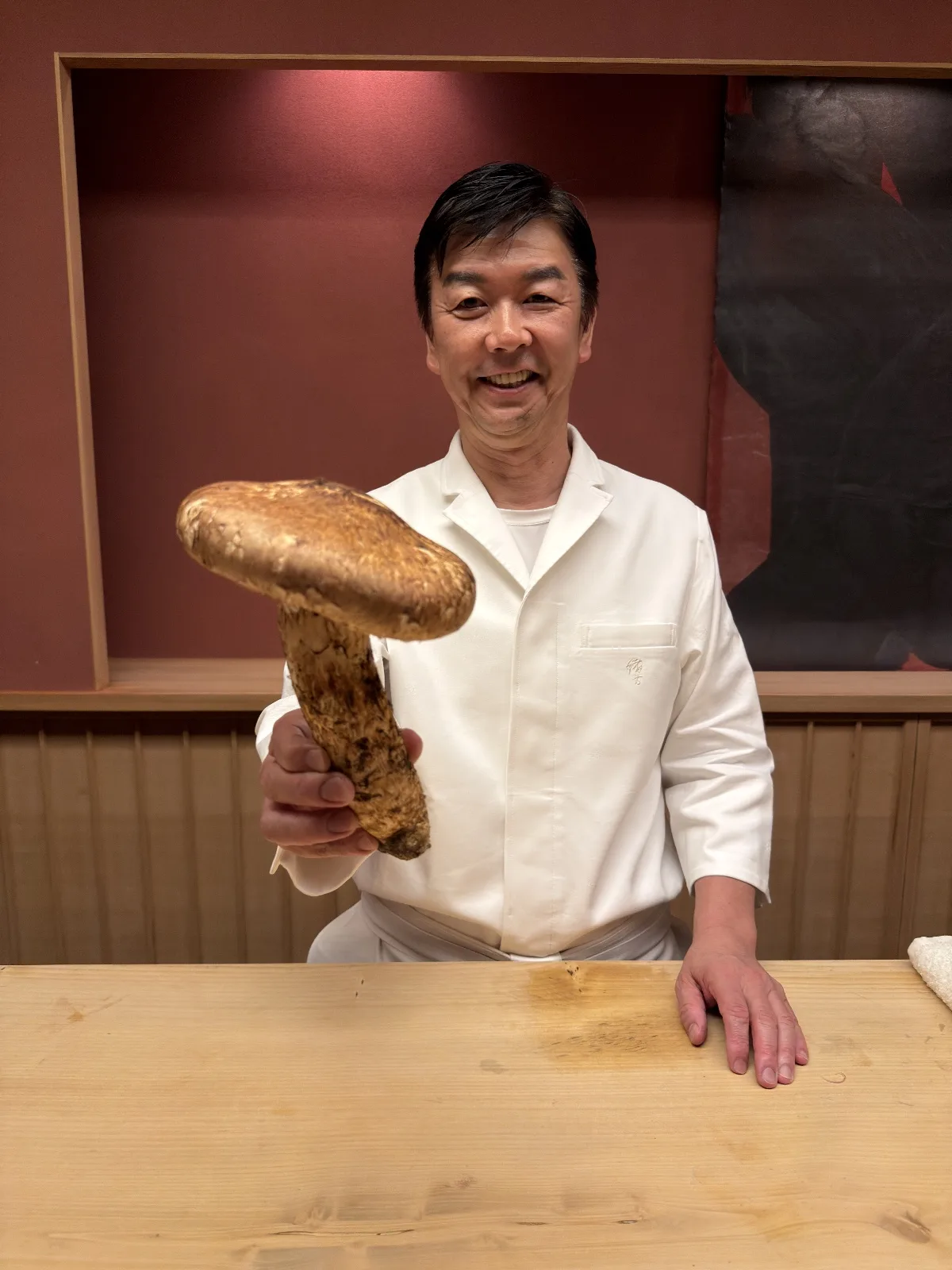
An enormous Tamba matsutake, wrapped and roasted until its own moisture becomes the cooking medium. Open the paper and the first course is aroma: deep forest, warm pine, damp earth. The flesh remains remarkably juicy and substantial, concentrating everything extraordinary about matsutake into its purest expression, luxurious because almost nothing has been added.
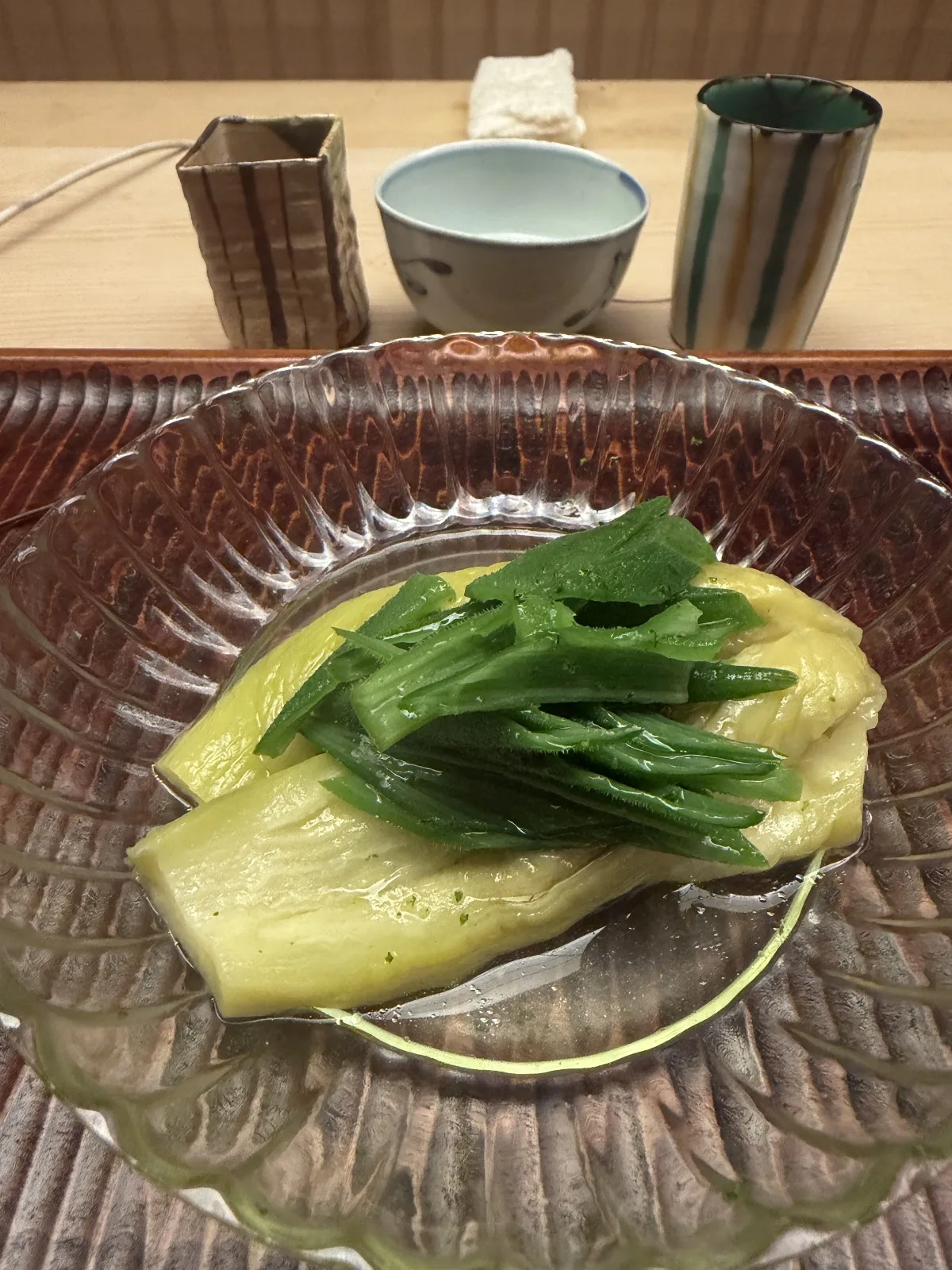
Seedless Okra on Fried Kyoto Eggplant
Silky Kyoto eggplant, fried until meltingly tender, topped with delicate seedless okra. The contrast is beautiful: rich, almost creamy eggplant beneath the fresh green character and gentle texture of the okra. A deceptively simple dish built around two vegetables, precise cooking, and the quiet elegance of Kyoto’s seasonal cuisine.
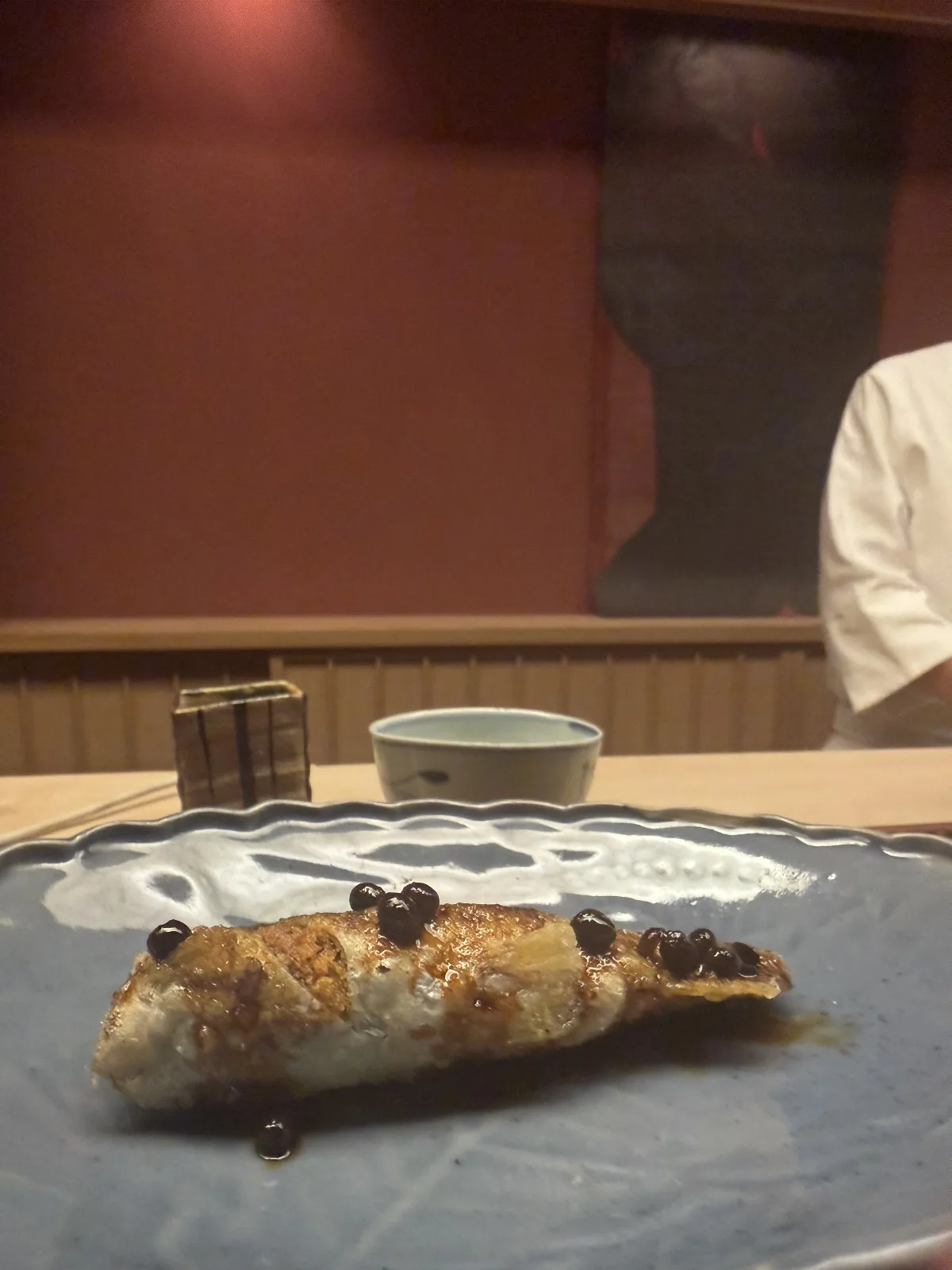
Grilled Pregnant Ayu
Late-season ayu, heavy with roe, grilled whole until the skin turns crisp and fragrant. The flesh is delicate and gently bitter, while the eggs bring richness, texture and extraordinary depth. Eating ayu this way captures a fleeting moment in the Japanese autumn—a familiar river fish transformed by season into something completely different.
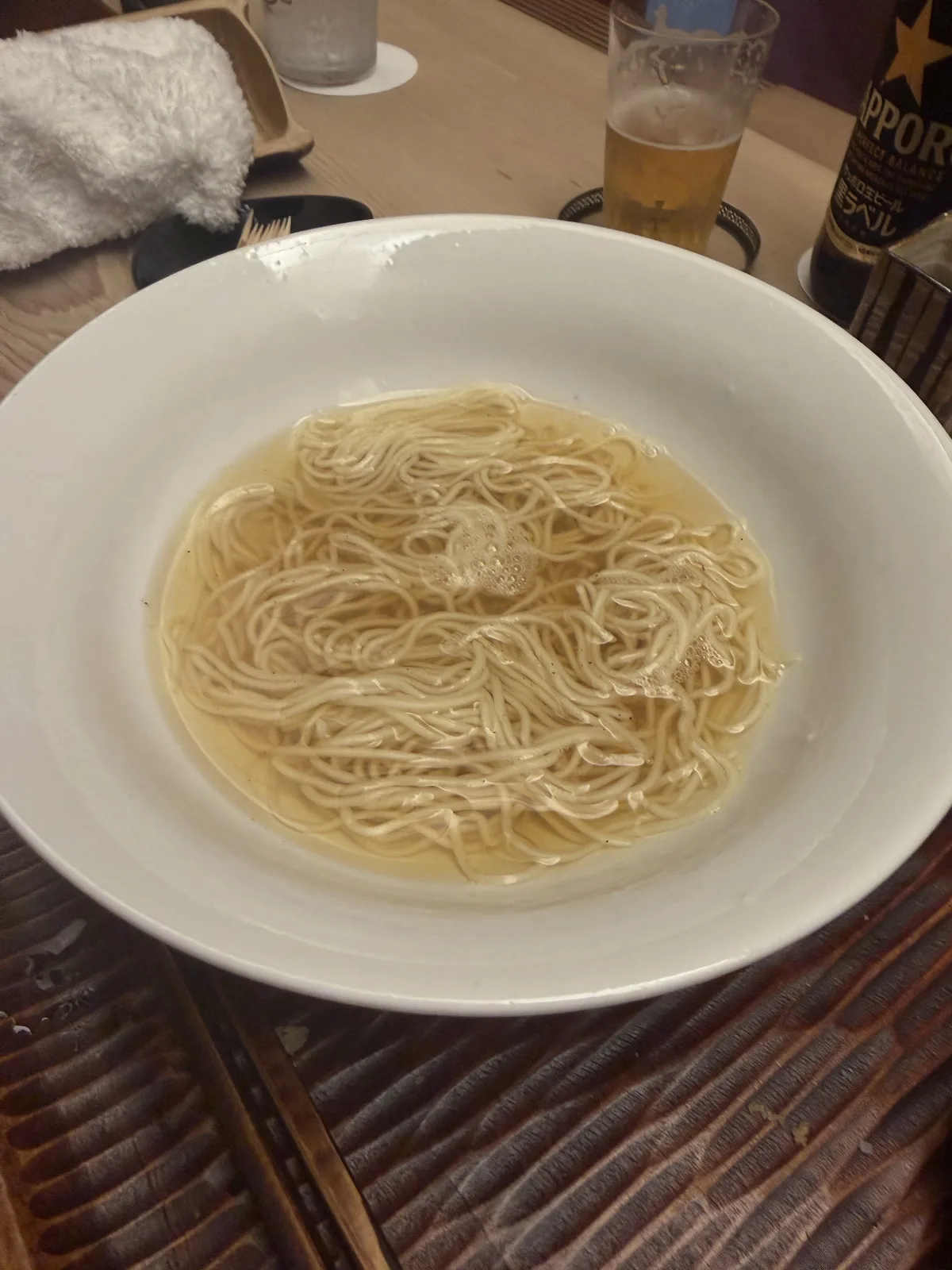
Suppon Ramen
The best ramen I have ever had. Its extraordinary broth is made from suppon, Japanese softshell turtle, giving it remarkable depth, richness and natural umami without heaviness. The noodles arrive in a broth that feels simultaneously powerful and refined—more like the final expression of a great kaiseki meal than a conventional bowl of ramen.
Matsutake Rice
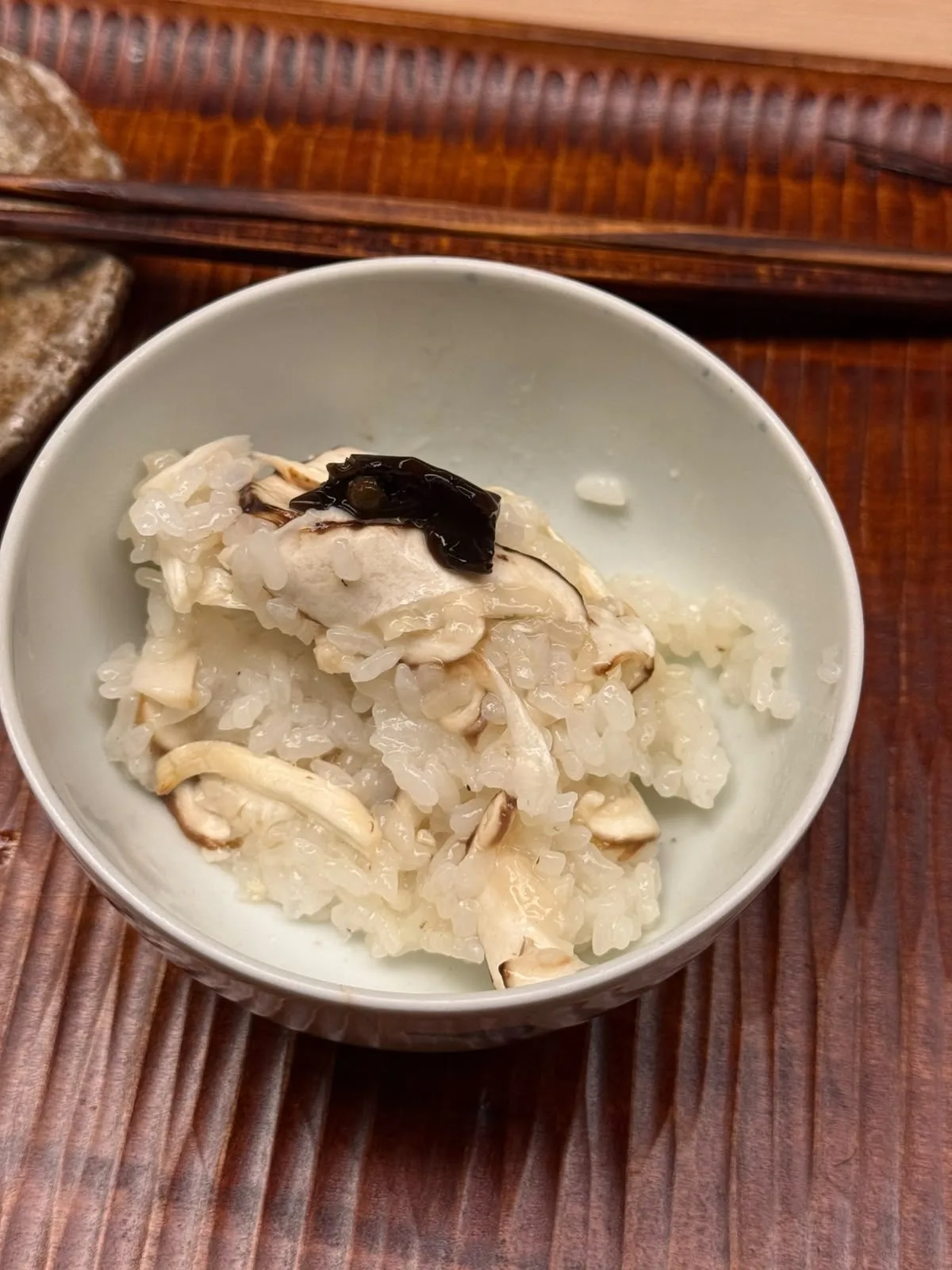
Perhaps the purest expression of autumn in Kyoto: rice cooked with generous slices of matsutake, absorbing their unmistakable woodland perfume as it steams. The grains remain glossy and delicate while the mushroom brings pine, earth and gentle sweetness. Simple in appearance, but deeply luxurious—a quiet celebration of one extraordinary seasonal ingredient.
What we drank
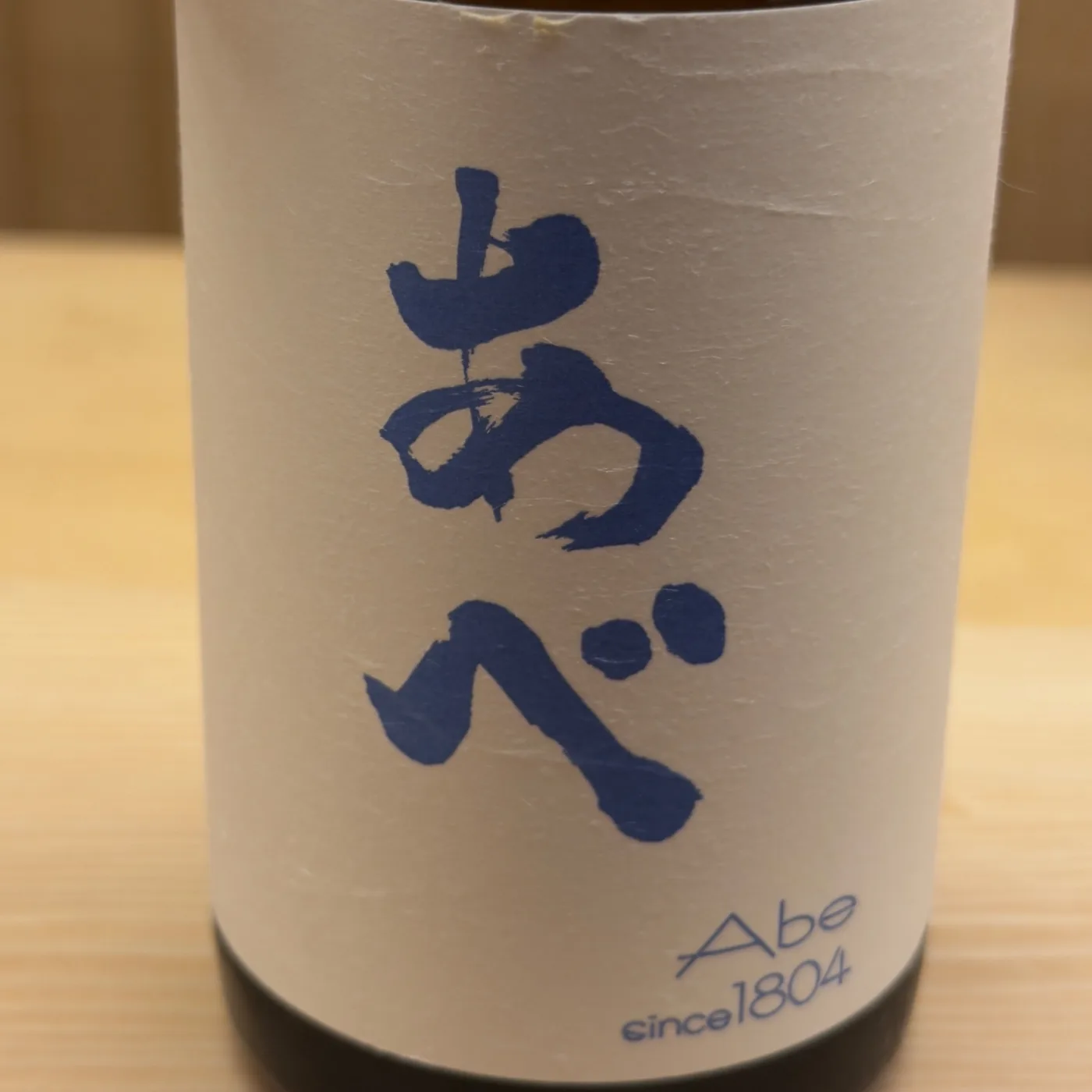
Abe
Brewed by Abe Shuzo in Kashiwazaki, Niigata, this sake reflects the brewery’s modern, energetic approach to a region famous for restraint. Abe typically combines bright fruit, lively acidity, gentle sweetness and a fresh, almost juicy texture. Expressive yet beautifully balanced, it feels contemporary without losing the precision and purity associated with Niigata sake.**text**
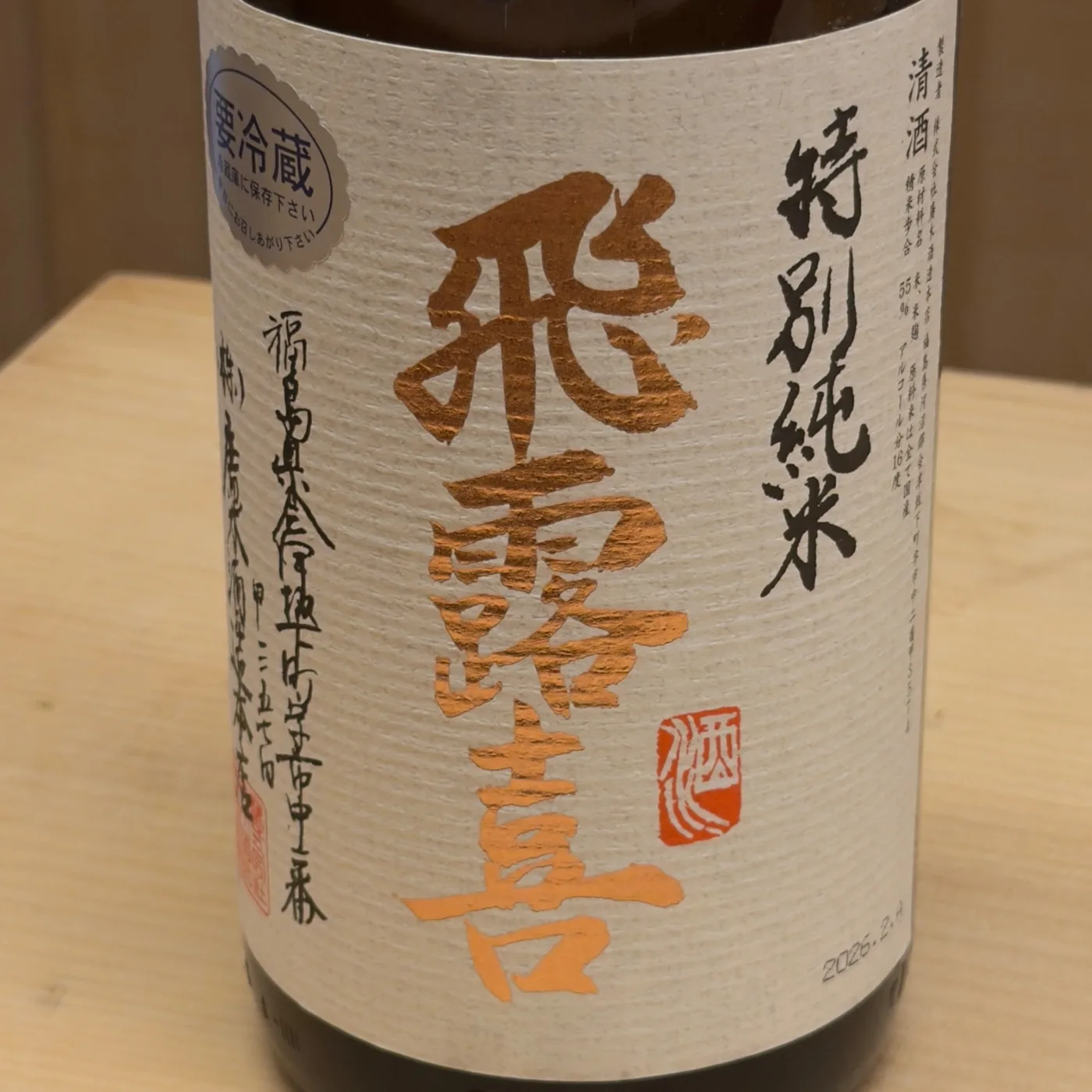
Hiroki Tokubetsu Junmai (飛露喜 特別純米)
A benchmark sake from Hiroki Shuzo in Fukushima, balancing gentle fruit, clean rice sweetness and savory umami with refreshing acidity. Its appeal lies in harmony rather than showiness: smooth, precise and exceptionally drinkable, with a crisp finish. A superb food sake that moves effortlessly from delicate dishes to richer, more deeply flavored courses.
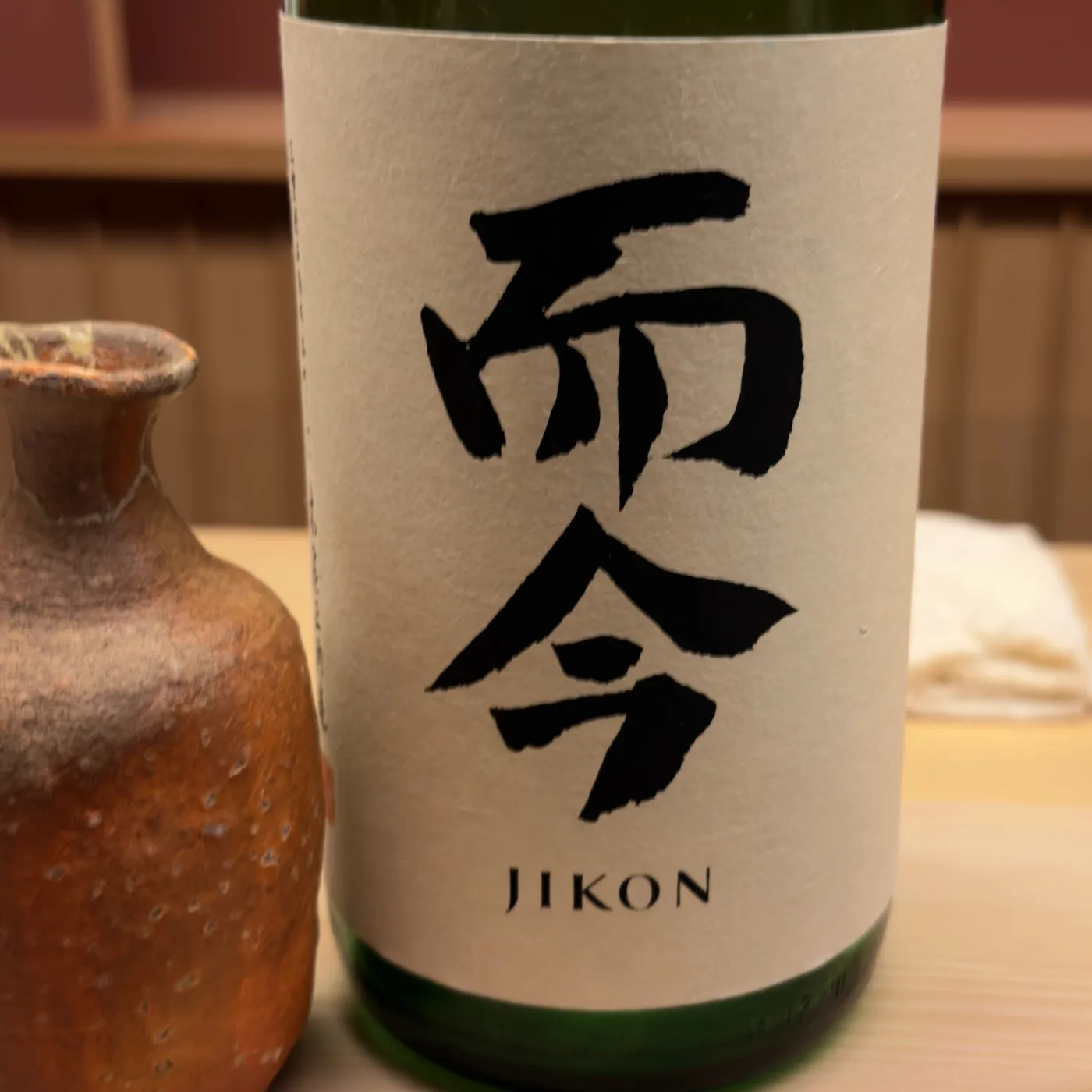
Jikon (而今)
Brewed by Kiyasho Shuzo in Mie, Jikon is one of Japan’s most sought-after modern sake labels. The name suggests living “in the present moment,” fitting its vivid character beautifully. Expect elegant fruit, gentle sweetness, finely judged acidity and silky texture, followed by a clean finish that makes Jikon especially compelling alongside refined Japanese cuisine.
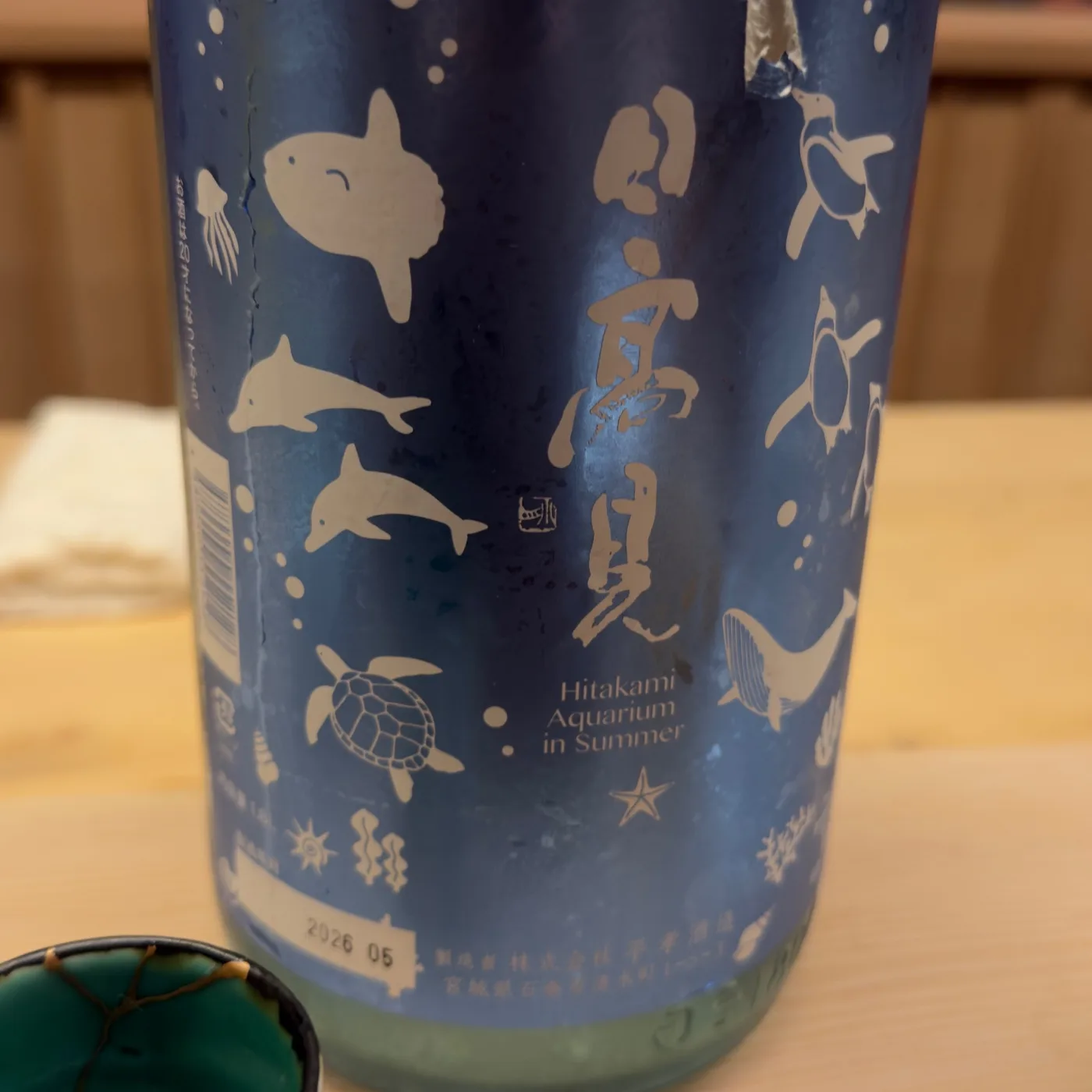
Hitakami Aquarium in Summer (日高見 夏のアクアリウム)
A playful seasonal release from Hirakou Shuzo in Ishinomaki, Miyagi, created with seafood firmly in mind. Light, crisp and refreshing, it offers restrained fruit, clean acidity and a dry, brisk finish. The whimsical aquarium label hides a serious food sake—especially at home beside sashimi, grilled fish and other flavors of the sea.
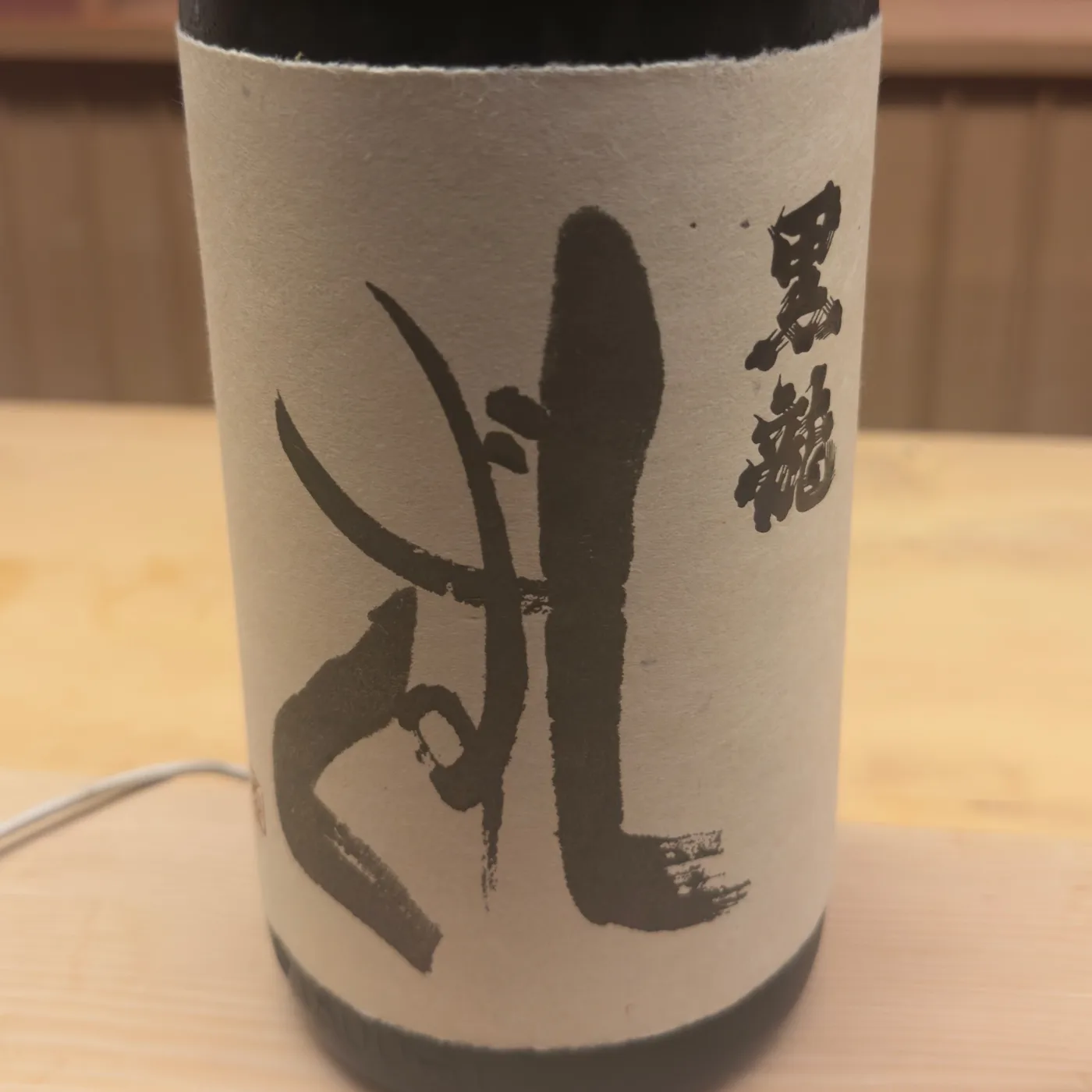
Kokuryu (黒龍)
From Fukui’s celebrated Kokuryu Sake Brewery, this sake embodies the house style: elegant, restrained and beautifully precise. Rather than overwhelming with fruit or sweetness, it offers subtle aromatics, polished rice character, gentle umami and a clean, graceful finish. A quietly sophisticated sake designed to accompany food, allowing delicate seasonal ingredients to remain firmly in focus.
Pictures