Suzutashiki
Sat, Oct 3, 2026
Hitode-san — Suzutashiki
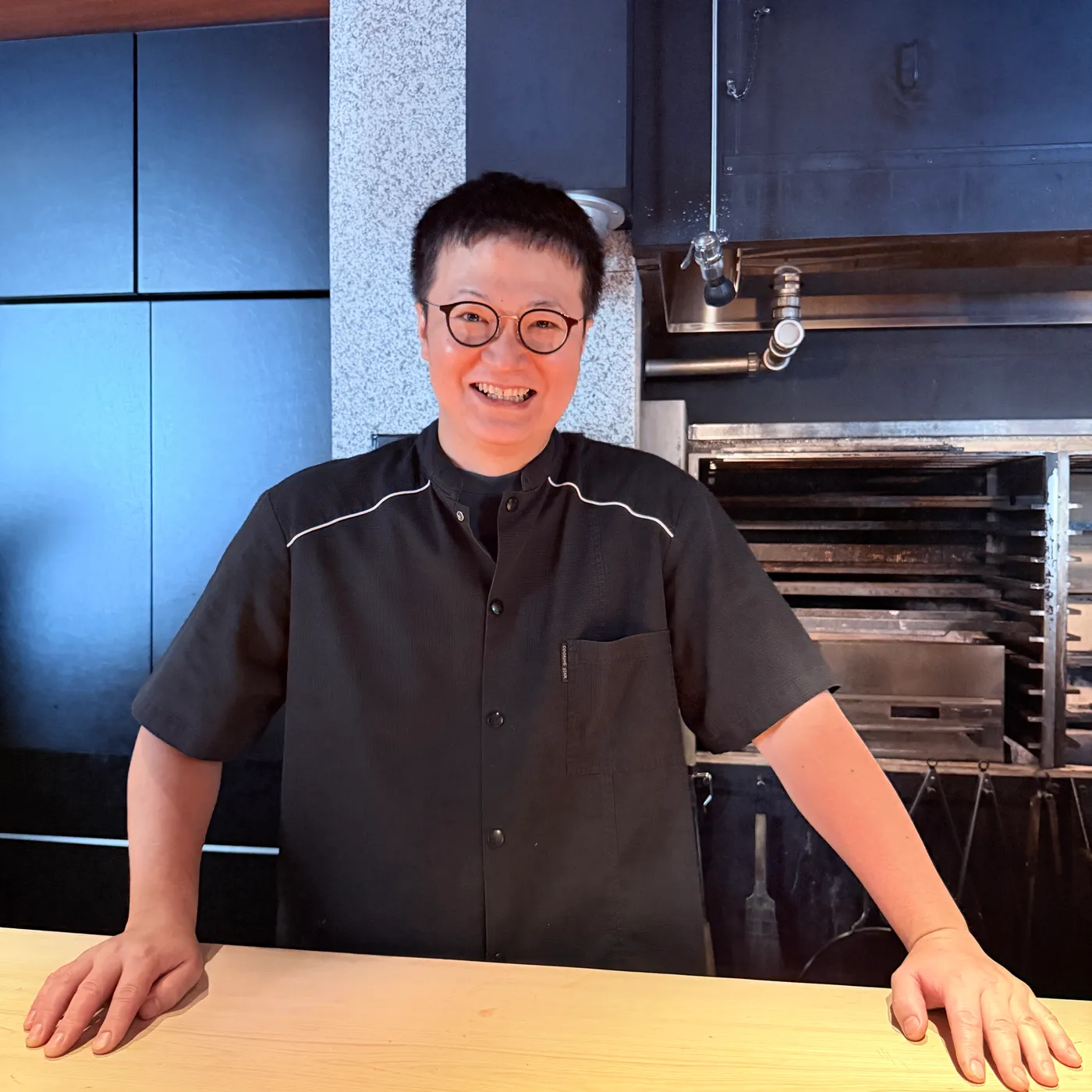
Hitode-san at Suzutashiki, standing in front of the hearth that defines this extraordinary restaurant.
Suzutashiki comes from the world of Suetomi-san, the magician of fire. Suetomi built his cooking around makiyaki—wood-fire cooking—and an almost obsessive understanding of what different woods, temperatures, smoke and flame can do to an ingredient.
At Suzutashiki, that language continues, but with its own personality. Fire is everywhere, yet it is never there simply for spectacle. It can roast, perfume, smoke, caramelize or barely touch an ingredient. The remarkable thing is the restraint: underneath all that fire, this remains deeply Japanese cooking, driven by seasonality, exceptional products and precision.
That is what makes Suzutashiki so fascinating to me. The flames may be dramatic, but the food is not. The fire is simply another seasoning—sometimes powerful, sometimes almost invisible.
Suetomi created the language. At Suzutashiki, Hitode-san keeps speaking it through fire.
What we ate
The Fire
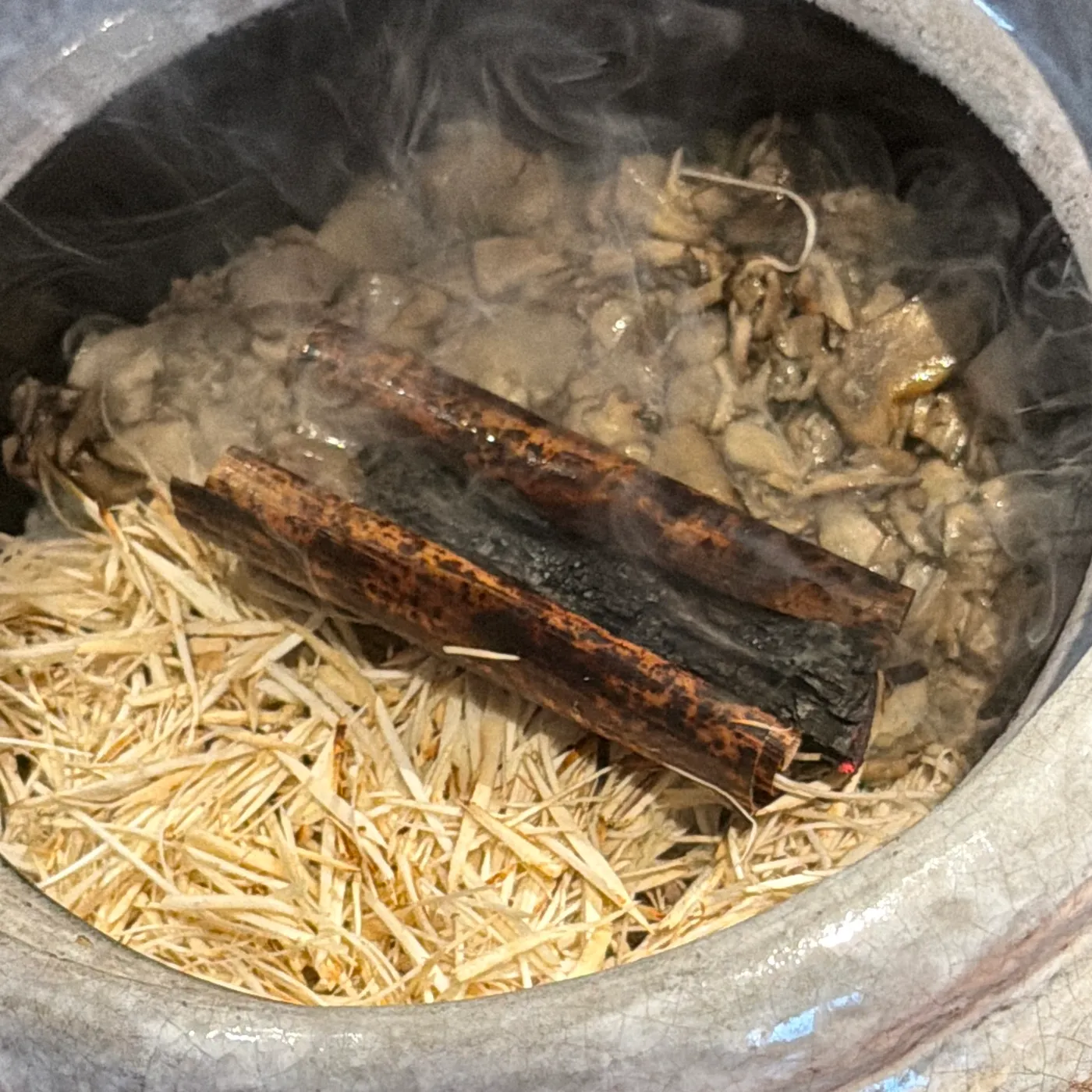
The hearth is not simply a cooking appliance at Suzutashiki. It is the center of the restaurant’s vocabulary.
Wood, embers, smoke, distance and time are manipulated as carefully as salt or acidity. Sometimes you taste the fire immediately. Sometimes you only sense that something has become deeper, sweeter or more aromatic.
That restraint is what makes the technique so compelling.
Tai and Caviar
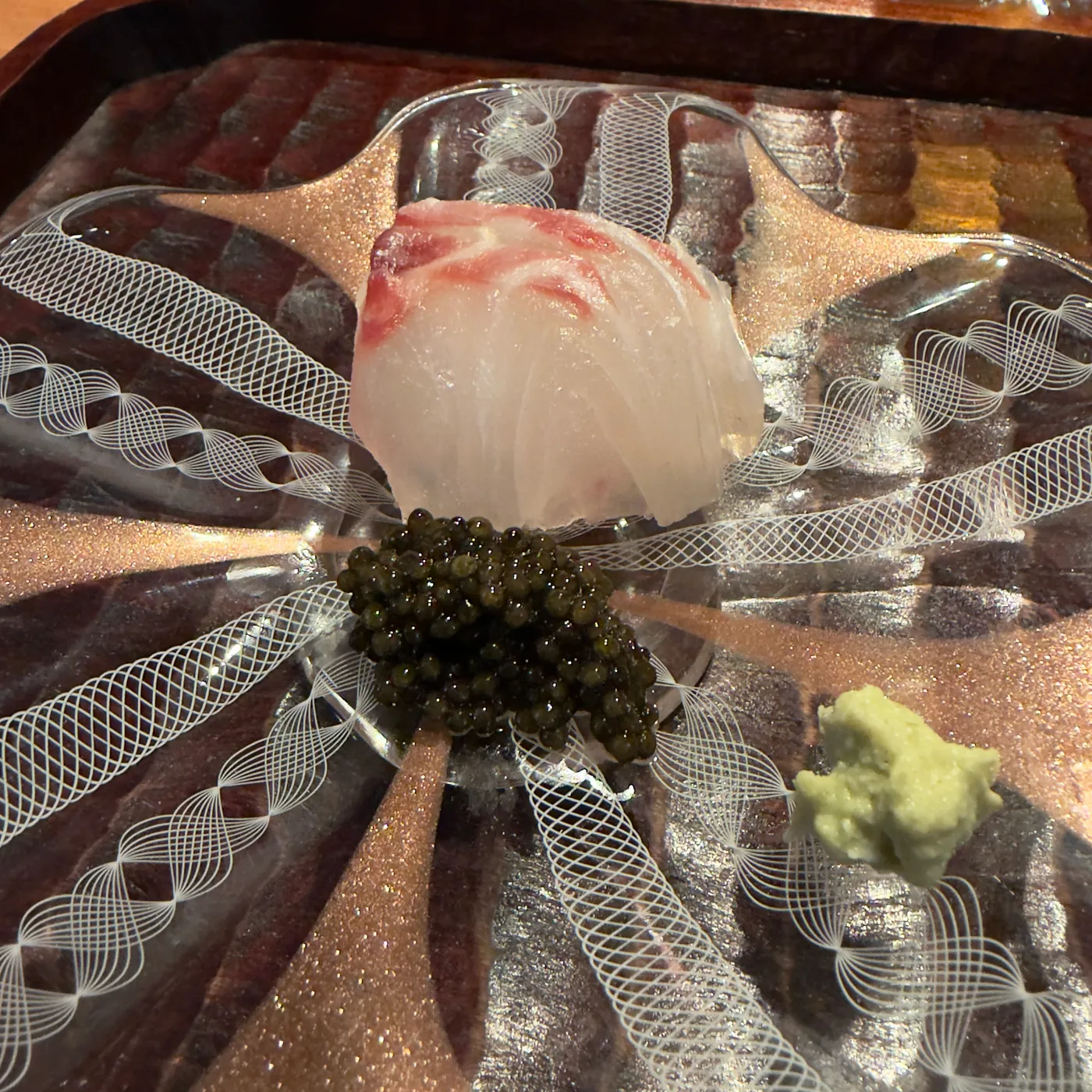
Tai served with caviar and wasabi.
A beautiful opening built on purity and contrast: the clean sweetness and delicate texture of the sea bream against the saline intensity of the roe.
Very little needs to happen when ingredients are this good. Precision takes the place of decoration.
Tenkeiko Shiitake from Tokushima
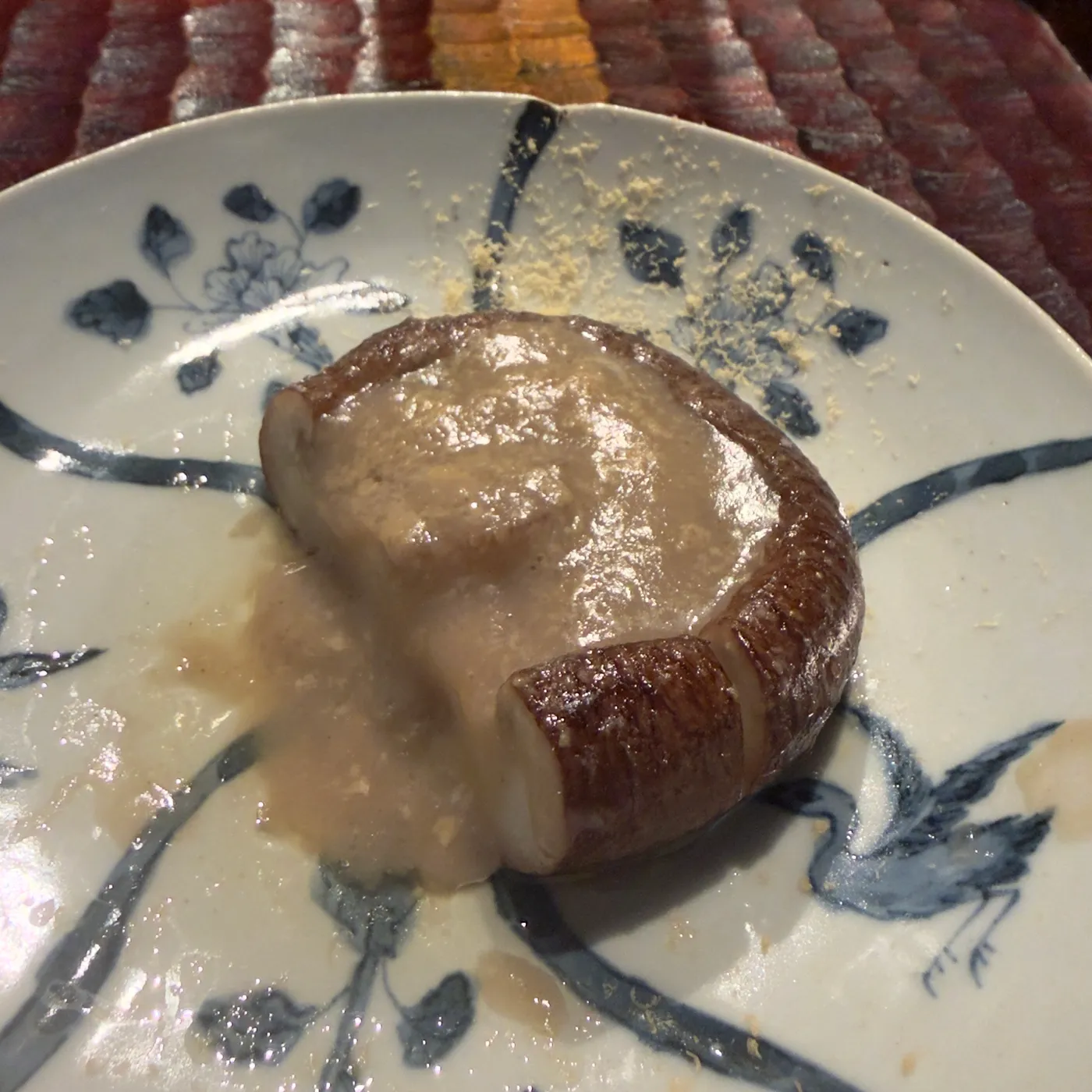
A magnificent Tenkeiko shiitake from Tokushima, grilled over wood fire.
The mushroom is topped with a fermented shiitake sauce and so, an ancient Japanese milk preparation made by slowly reducing milk.
Earthiness upon earthiness, but in different registers: fresh mushroom, fermentation, smoke and concentrated dairy sweetness.
One mushroom, an extraordinary amount of depth.
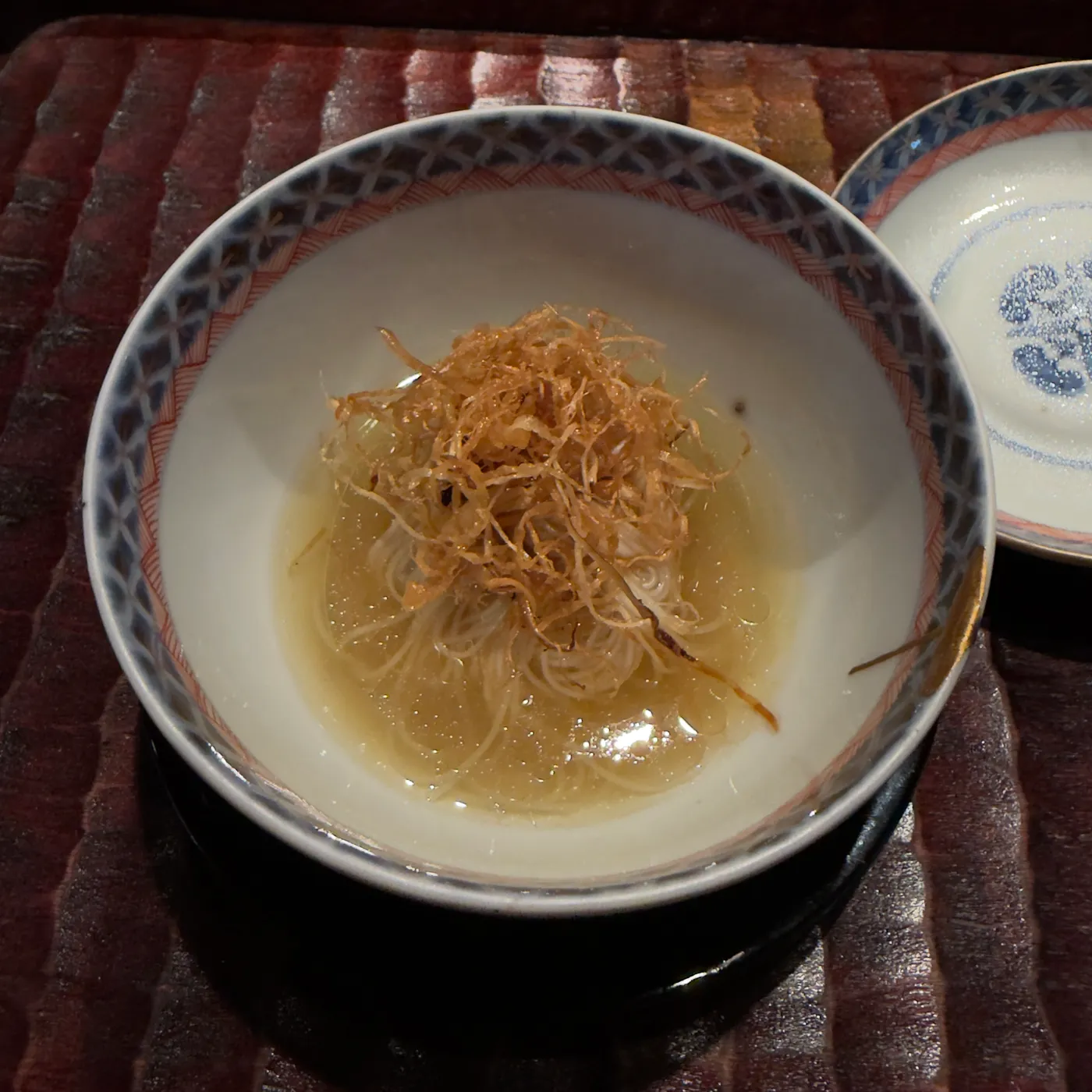
Somen in Pheasant Dashi with Fried Matsutake
Fine somen noodles in pheasant dashi, crowned with fried matsutake.
The broth has the quiet depth of game without becoming heavy, while the matsutake brings the unmistakable perfume of Japanese autumn.
The fried strands on top introduce texture and another expression of the mushroom.
Delicate noodles underneath; forest and fire above.
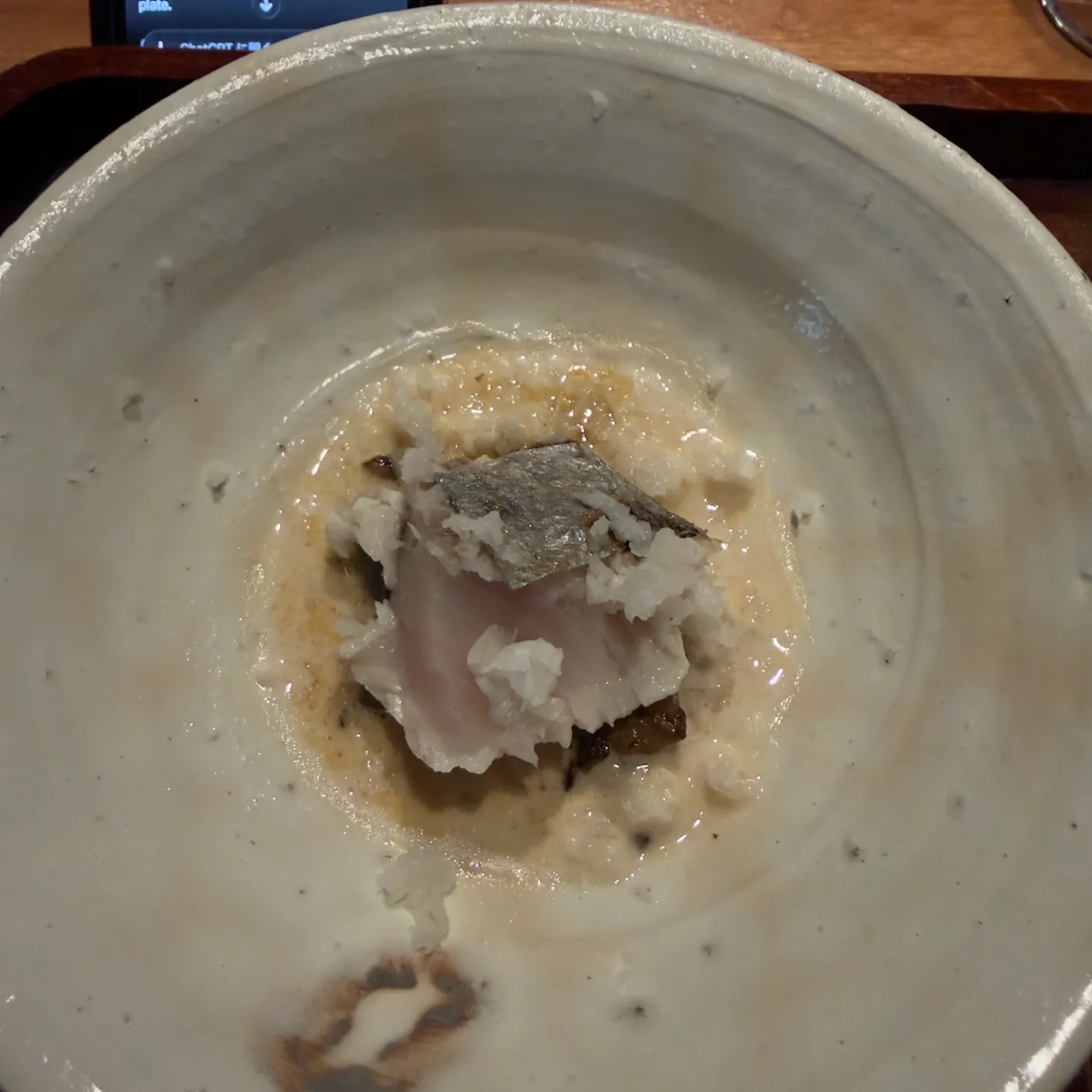
Wood-Fire Grilled Spanish Mackerel
Spanish mackerel grilled over wood fire.
Underneath are wild mushrooms, also touched by the fire, surrounded by an emulsified sauce made from fish dashi and finished with grated karami daikon.
This is where Suzutashiki’s cooking becomes particularly interesting: fat, smoke and umami are present in abundance, but the daikon cuts straight through them.
Powerful cooking that somehow remains light on its feet.
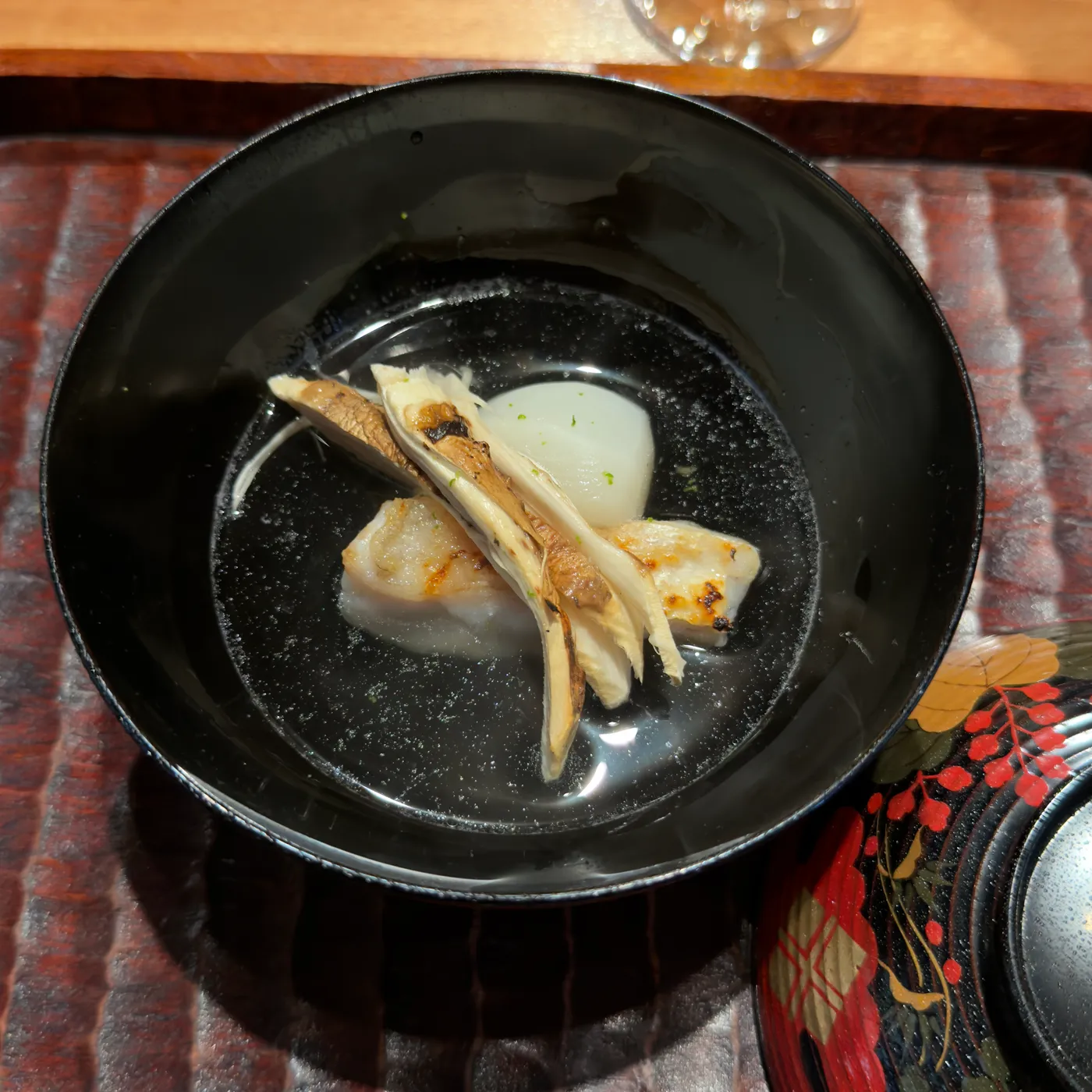
Amadai, Matsutake and Noheji Turnip
A clear soup of amadai, matsutake from Nagano and Noheji turnip.
The dashi is made with six-year-aged Rishiri kombu from Hokkaido, freshly shaved katsuobushi from Kagoshima and the stems of the matsutake themselves.
A bowl about aroma as much as flavor. Fish, mushroom and turnip each speak quietly, while an extraordinarily precise dashi holds everything together.
Japanese autumn distilled into broth.
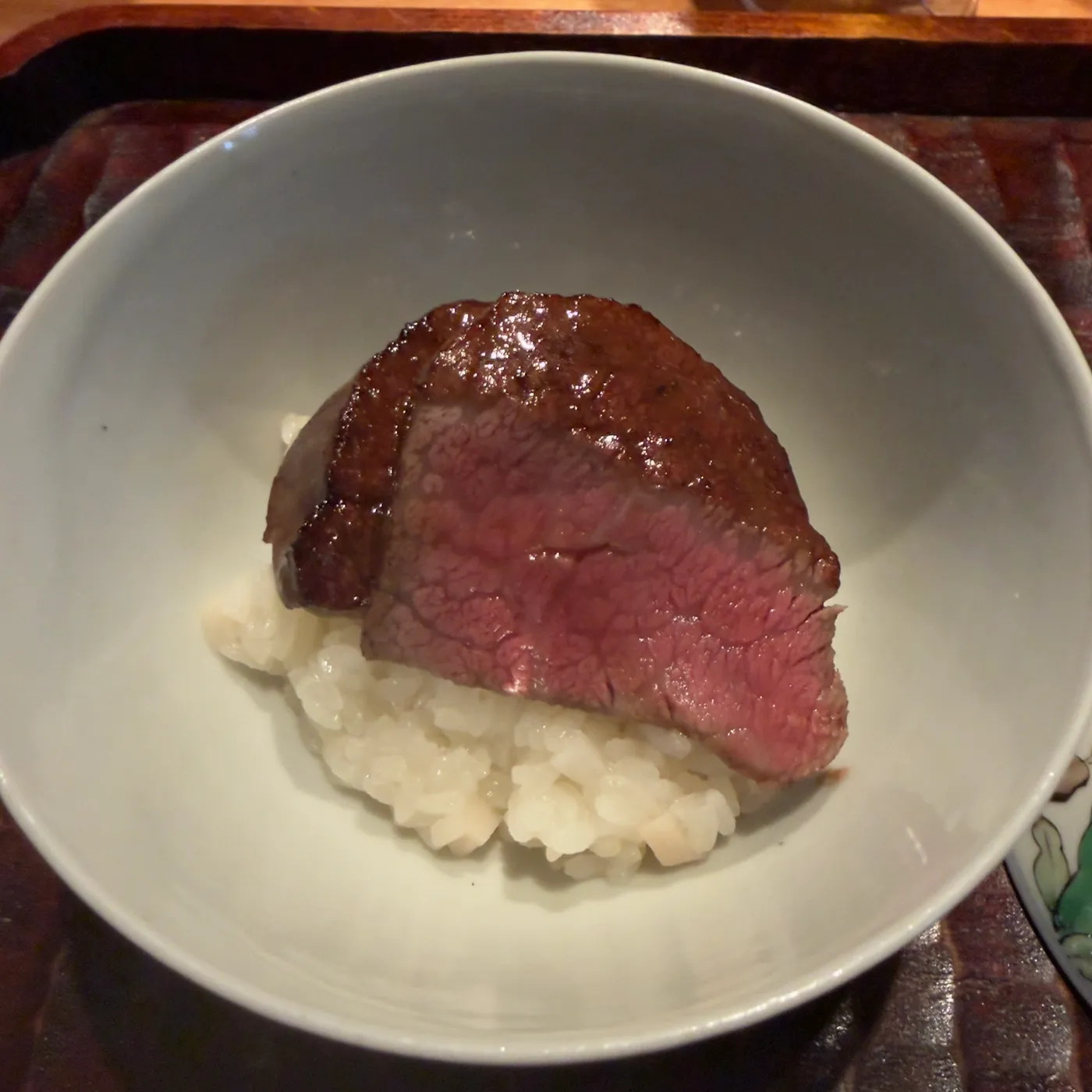
Aged Kuroge Wagyu and Rice
Aged Kuroge Wagyu from Kagoshima, served over glutinous rice combined with a smooth lotus-root purée.
The beef is accompanied by a sauce of roasted onion and black garlic.
Rich beef, sweetness from the onion, fermented depth from the black garlic and the soft, sticky texture of the rice.
A dish designed to come together in one generous bite.
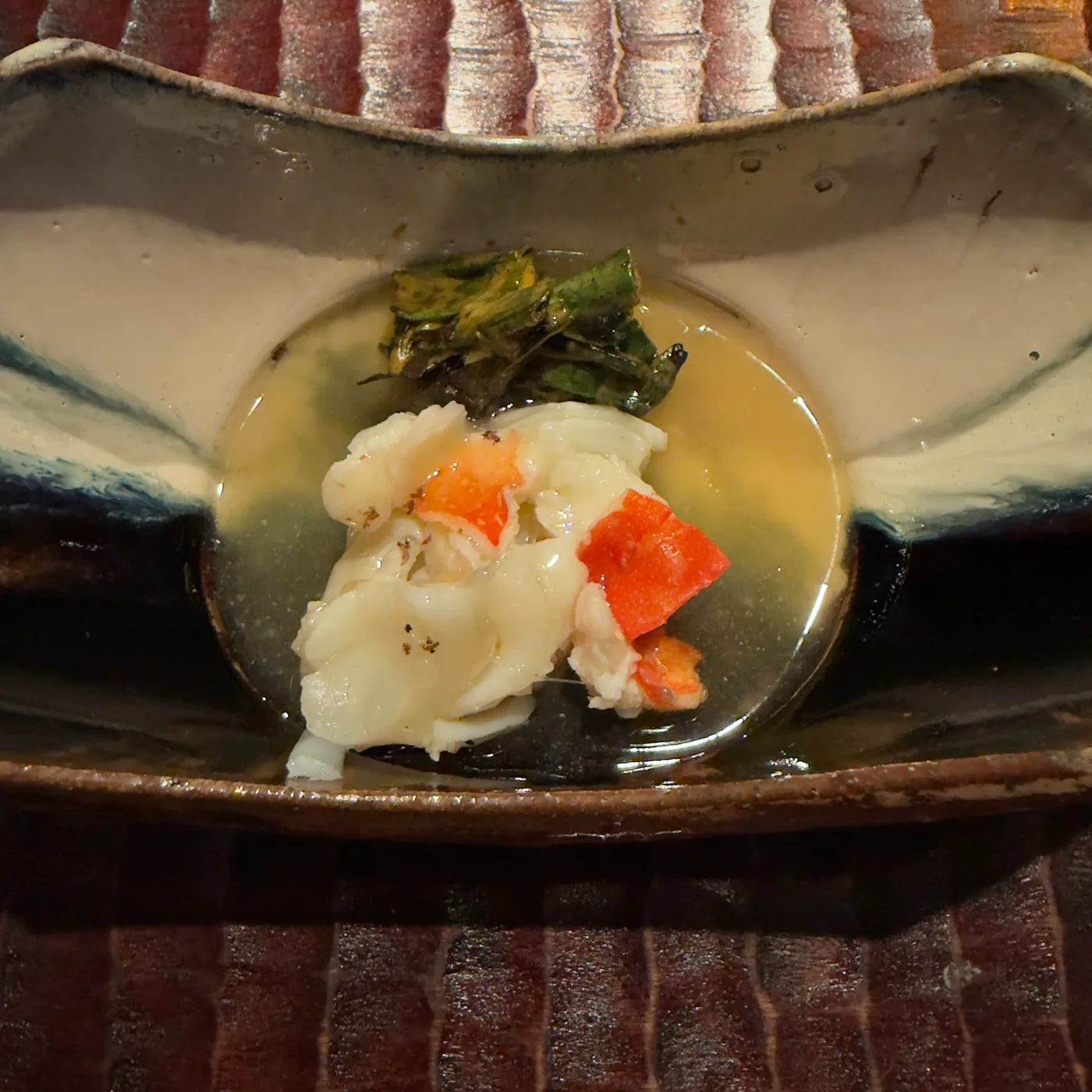
Ise Ebi — Wood-Fire Grilled Japanese Spiny Lobster
Ise ebi grilled over wood fire.
Alongside it are fried mizunasu eggplant and Kujo green onion dressed with miso made from the lobster itself. A rich chicken paitan broth is poured over the dish.
Sweet lobster and smoke meet the richness of its own miso, while the chicken broth pushes the umami even further.
It sounds excessive on paper. In the bowl, it makes complete sense.
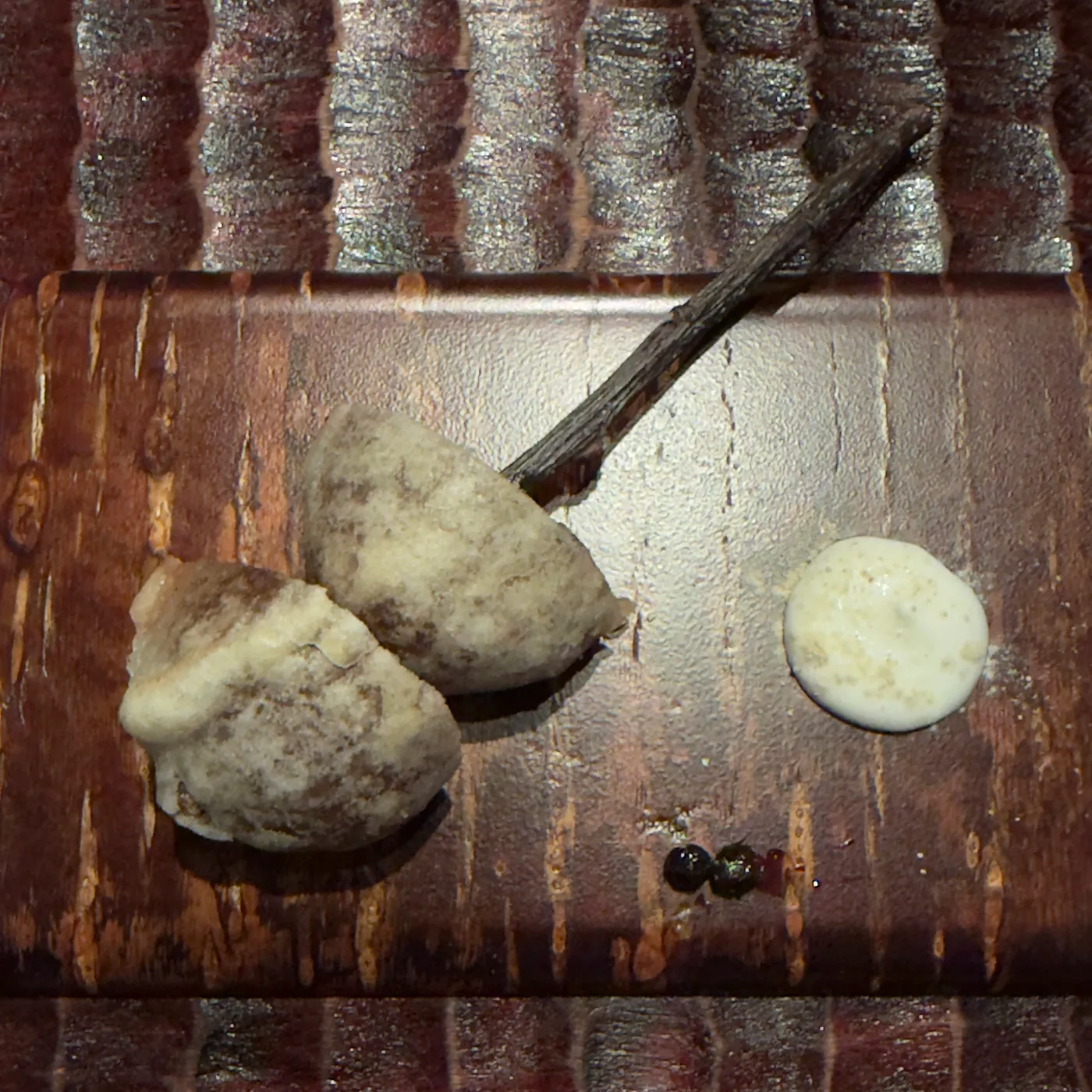
Fried Chestnut Shibukawa-ni
A wonderful transformation of a traditional autumn sweet: chestnuts prepared as shibukawa-ni—slowly simmered while retaining their inner skin—and then fried.
Beside them is house-made fermented butter whipped until light and finished with chestnut powder, with smoked fresh pepper alongside.
Sweetness, bitterness, smoke, fermentation and fat.
A chestnut dish that belongs completely in the world of Suzutashiki.
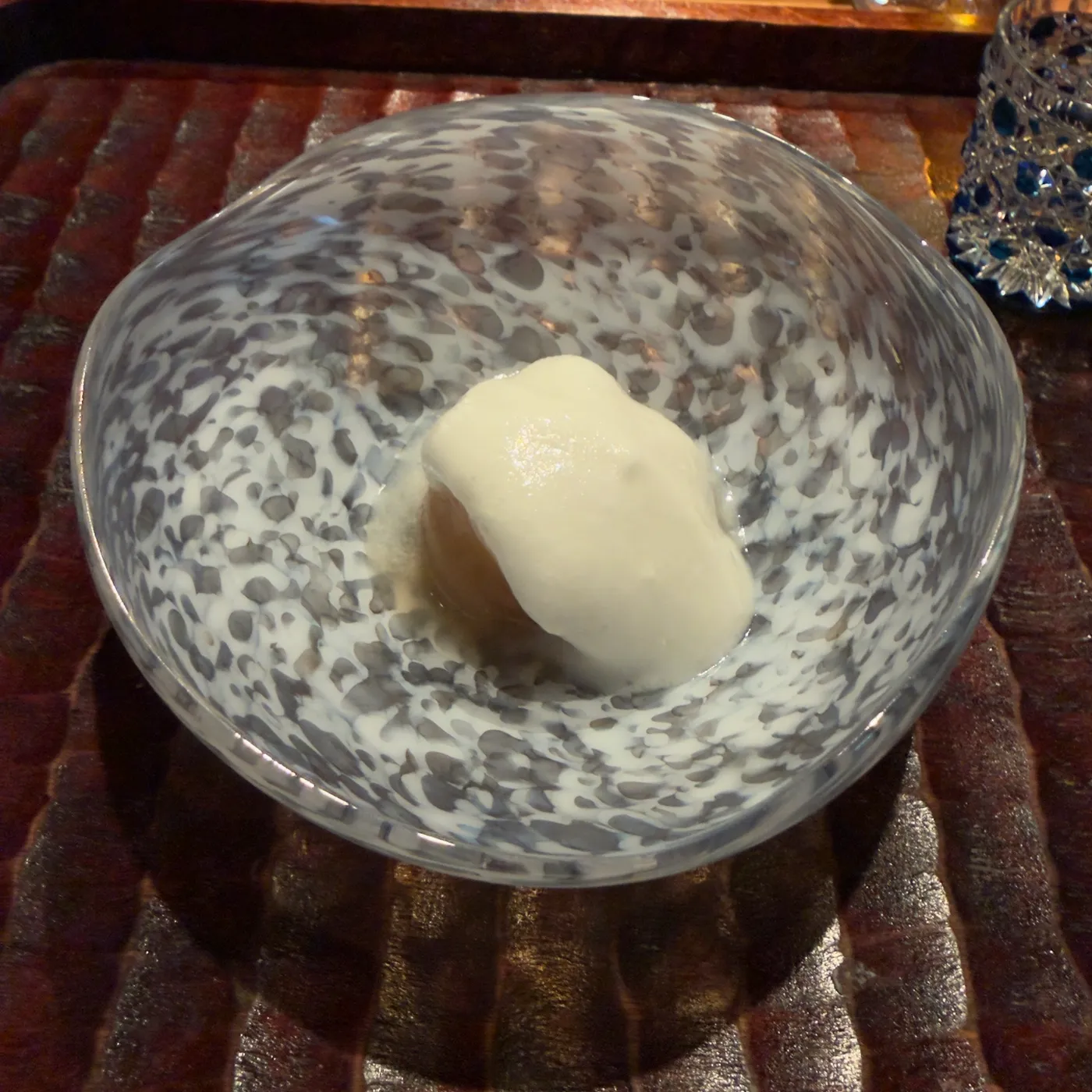
Japanese Pear and Yuko Citrus
A palate cleanser built around Japanese pear.
The pear becomes a clean, intensely refreshing sorbet, topped with a light espuma scented with yuko citrus.
After the richness and smoke of the preceding dishes, it feels like opening a window: cold fruit, delicate acidity and perfume.
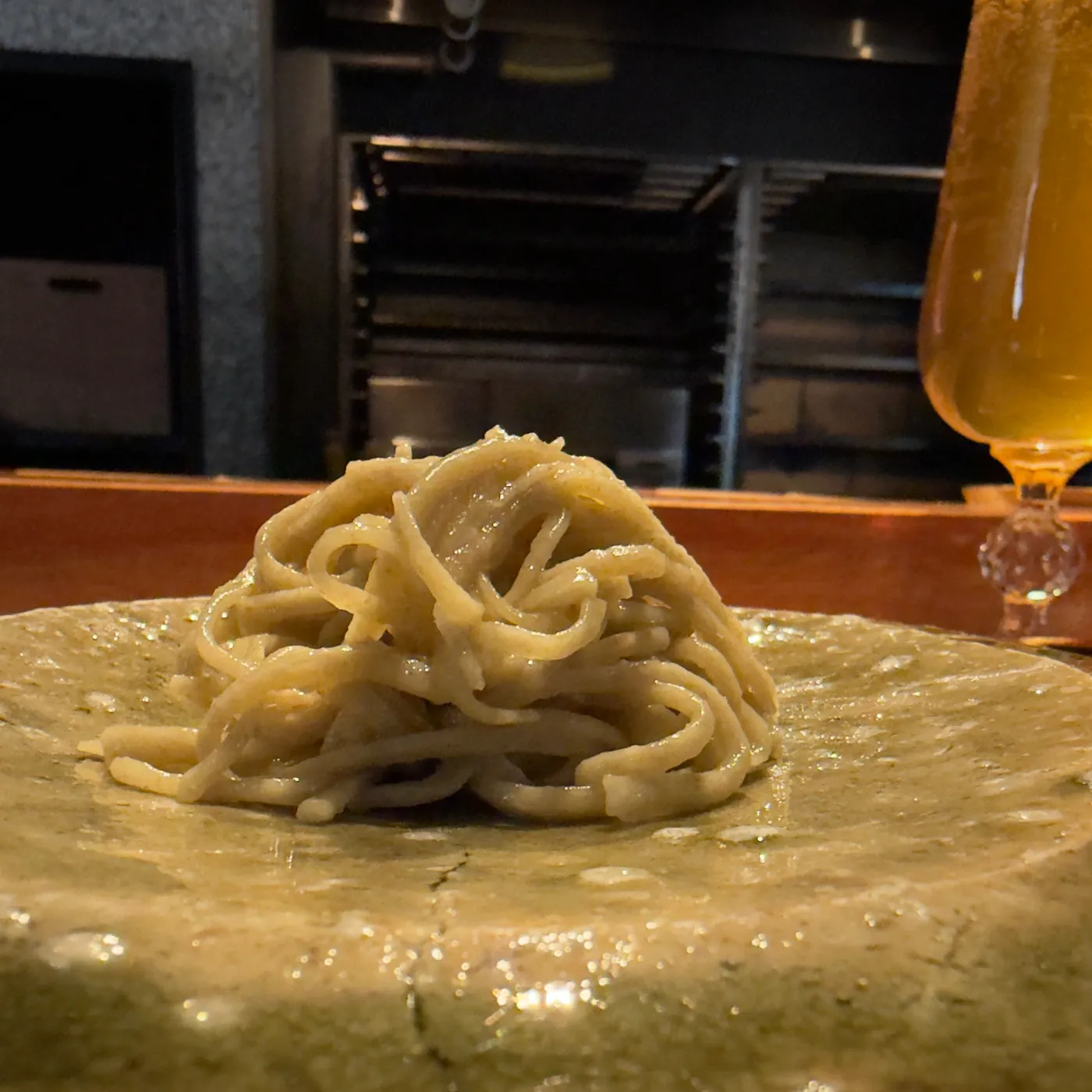
Juwari Soba
House-made juwari soba—100 percent buckwheat noodles—lightly seasoned with salt.
No dipping sauce is necessary. The point is to taste the buckwheat itself: its grain, fragrance and slightly earthy character.
After a meal filled with fire, sauces and extraordinary ingredients, there is something beautiful about arriving at something this elemental.
Buckwheat, water, salt and extraordinary technique.
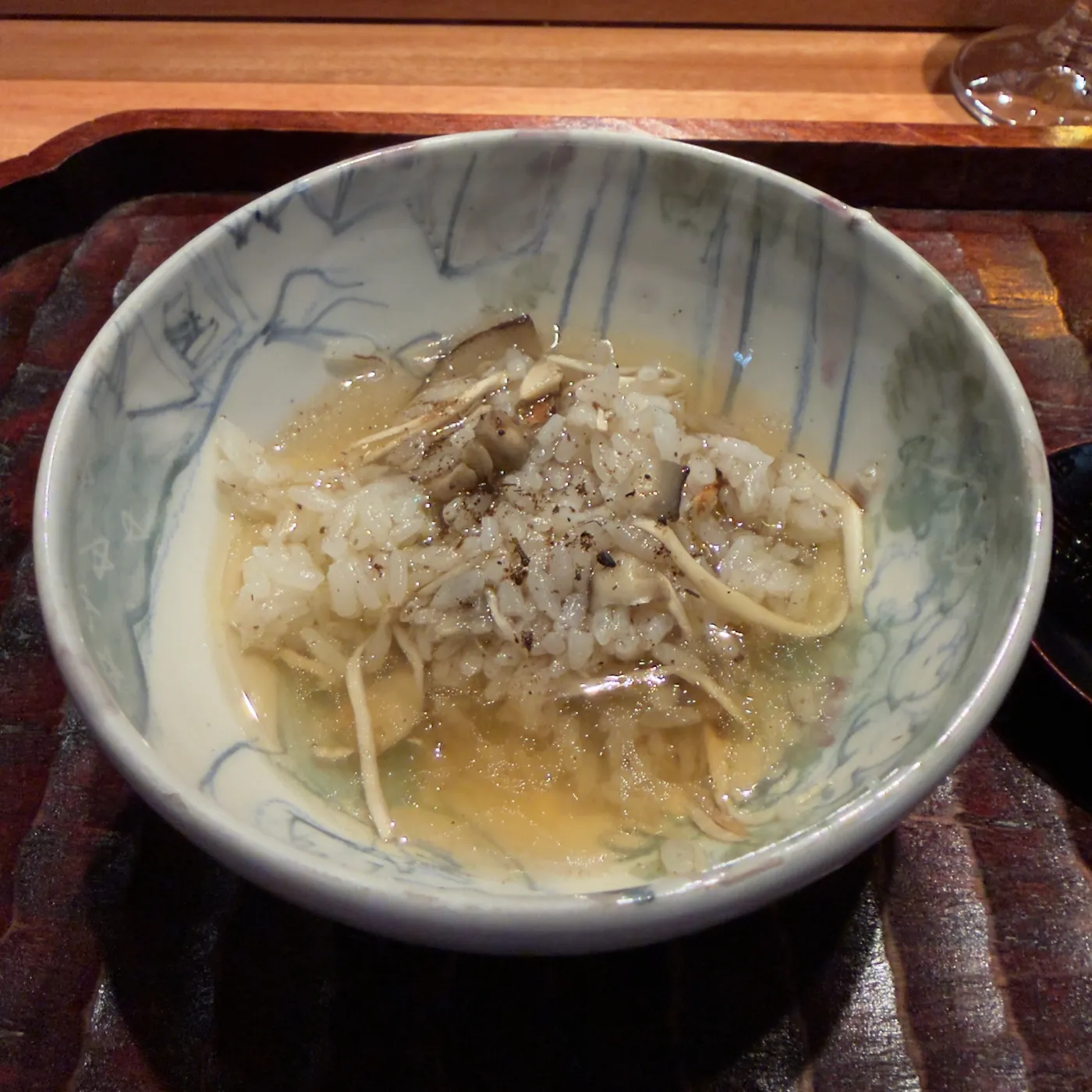
Second Serving — Pheasant Dashi and Red Sansho
For the second serving, the soba changes character completely.
Pheasant dashi is poured over it and the bowl is finished with red sansho pepper.
The buckwheat becomes softer and more comforting, absorbing the depth of the broth, while sansho brings its unmistakable aromatic electricity.
Same soba. A completely different experience.
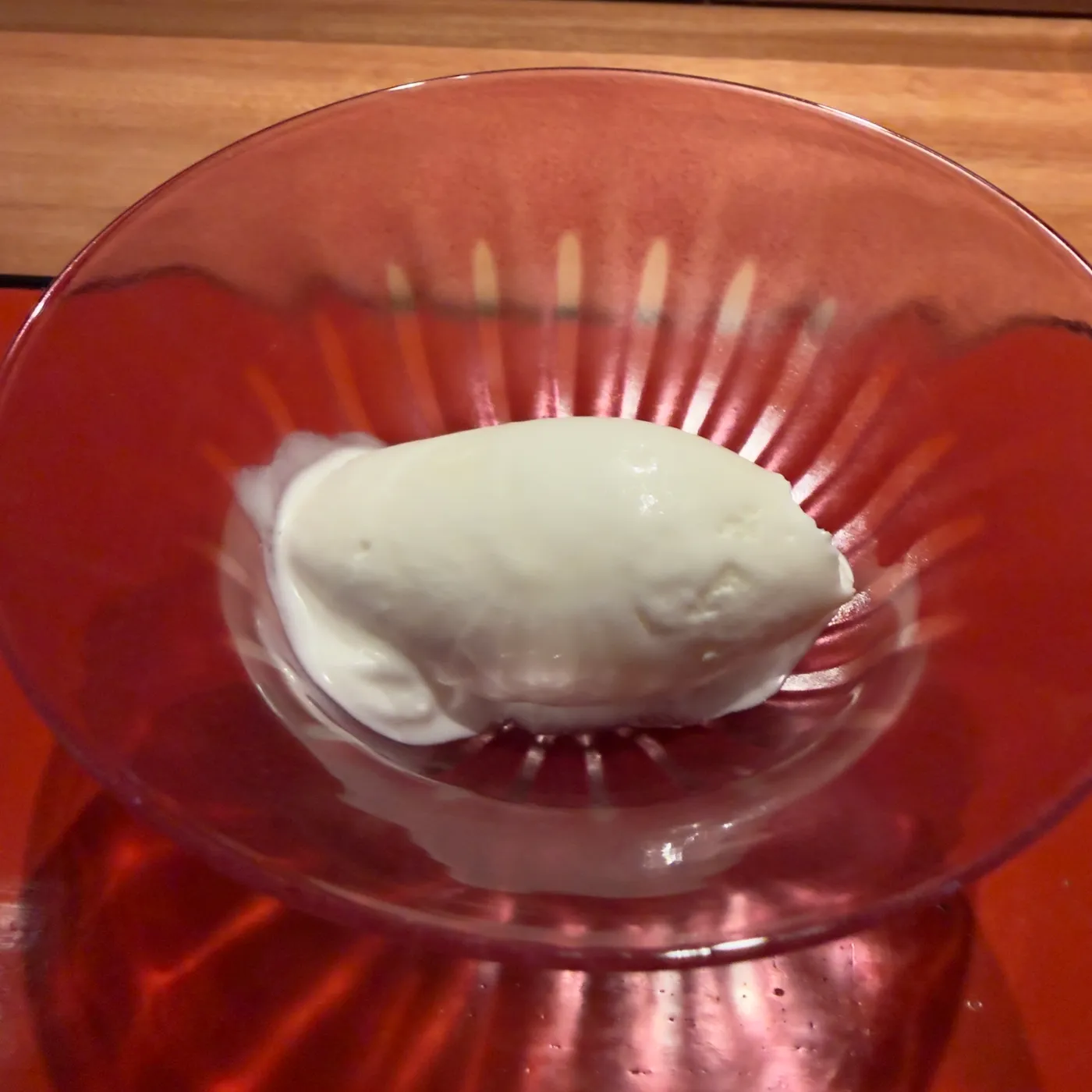
Smoked Sheep’s Milk Ice Cream
Smoked ice cream made from sheep’s milk.
The smoke is not there simply as a trick. It plays beautifully against the distinctive richness of sheep’s milk, turning a seemingly simple scoop of ice cream into something unmistakably connected to the rest of the meal.
And for those who want to take it one step further, a little whisky can be poured over it.
Smoke meeting smoke.
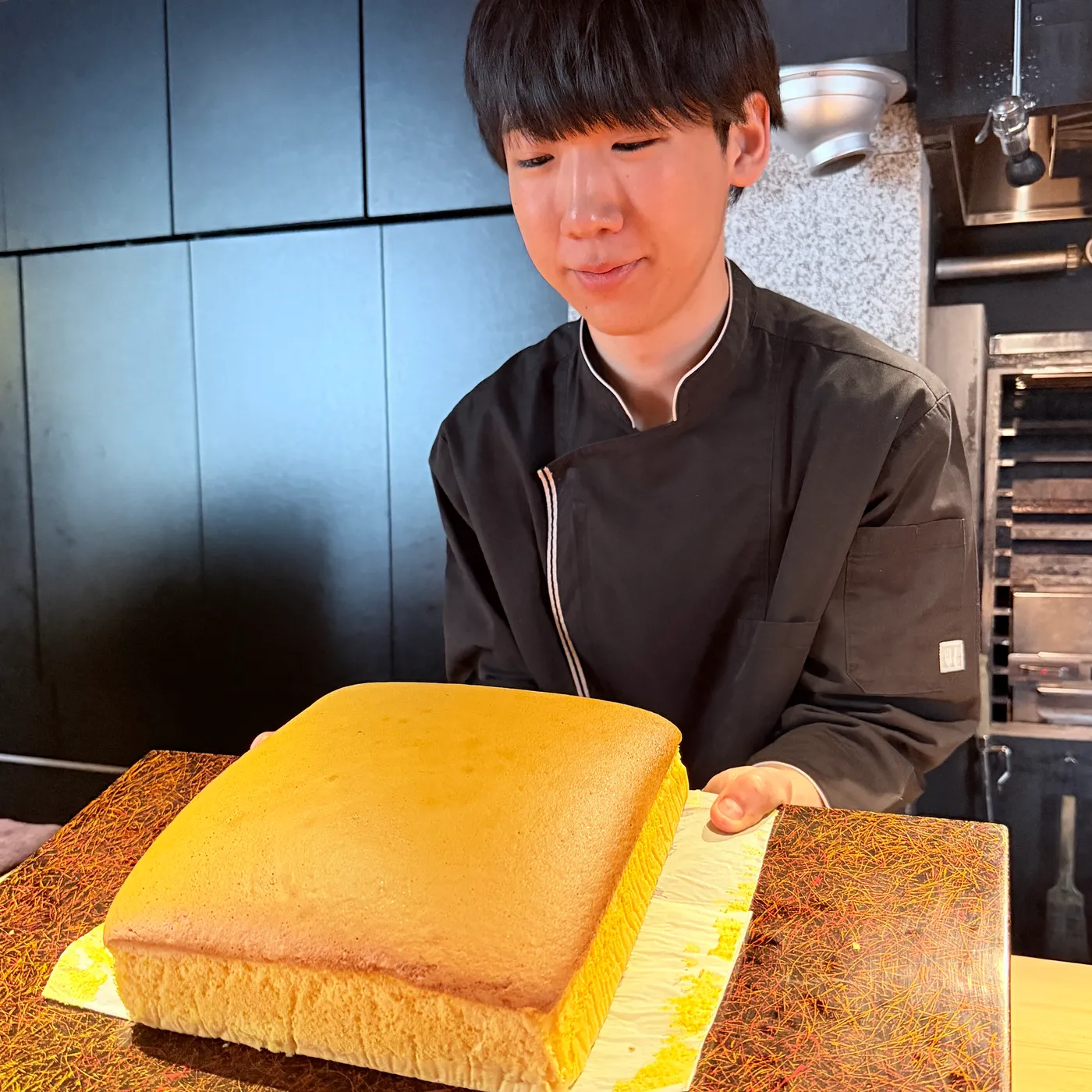
Freshly Baked Taiwanese Castella
A huge, freshly baked Taiwanese castella arrives like a final act.
First, taste it completely on its own: warm, impossibly airy and almost trembling in texture.
Then try it with the coarse crystal sugar or the truffle-infused syrup served alongside.
What begins as something almost childishly comforting becomes another playground of aroma and texture.
A wonderfully playful ending after a very serious meal.
Closing
This was a meal built around fire, but what stayed with me was not smoke.
It was control.
Hitode-san and the team use fire the way a great Japanese chef uses dashi: not to announce technique, but to reveal something already present in the ingredient.
Matsutake becomes more aromatic. Shiitake becomes deeper. Fish becomes sweeter. Lobster becomes more intense.
That is the legacy of Suetomi’s world and the fascination of Suzutashiki.
The fire is spectacular to watch.
The real magic is knowing when to stop.
What we drank
ROCOCO Tokyo
ROCOCO Tokyo, presented in its distinctive white perforated label.
A polished, contemporary beginning before the progression into sake—a drink that visually and stylistically feels completely at home in modern Tokyo.
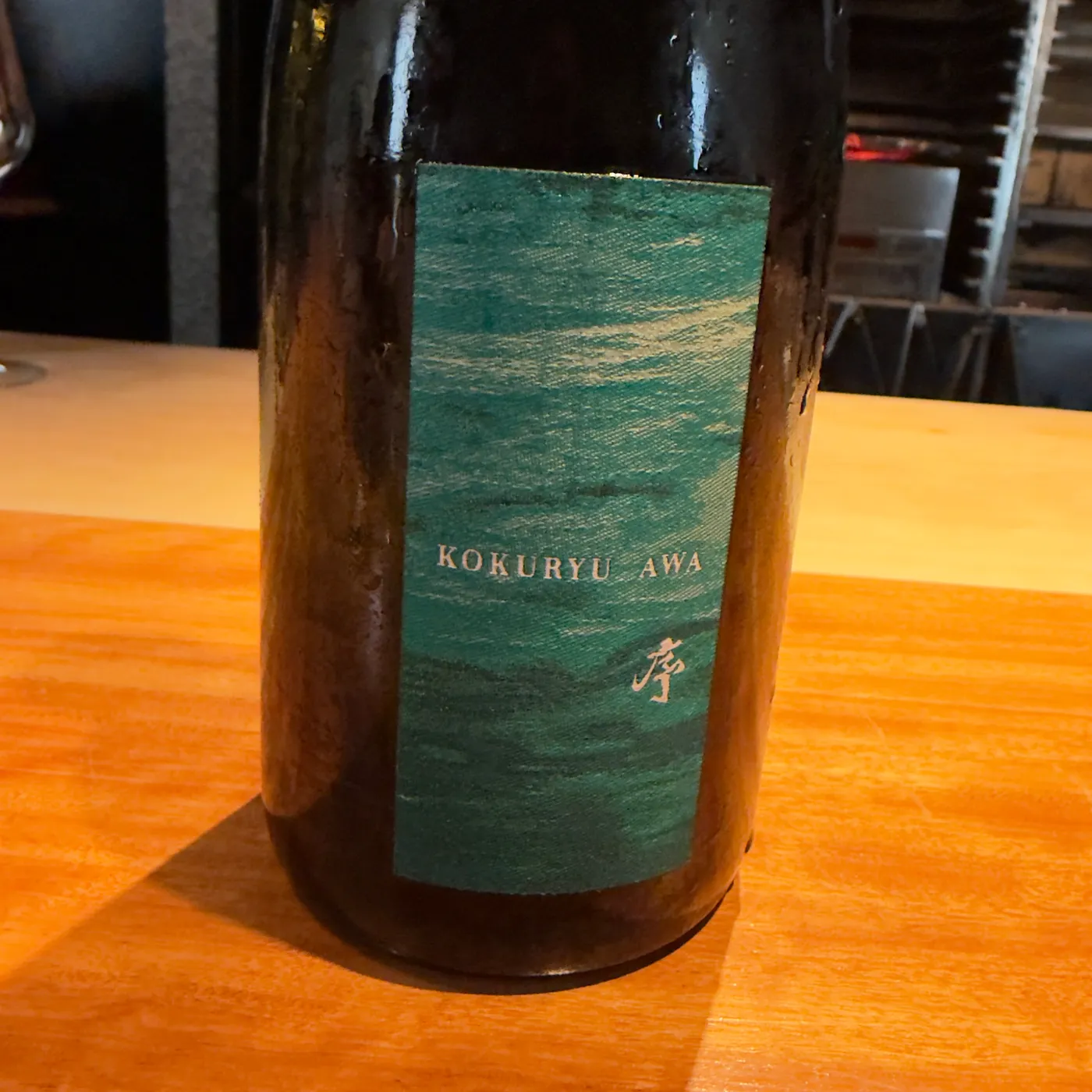
Kokuryu Awa — 黒龍
Kokuryu Awa, the sparkling expression from Fukui’s celebrated Kokuryu brewery.
Fine bubbles give the sake freshness and lift while retaining the elegance associated with Kokuryu.
It is a beautiful way to begin a meal like this: celebratory enough to announce what is coming, but precise enough not to overwhelm the food.
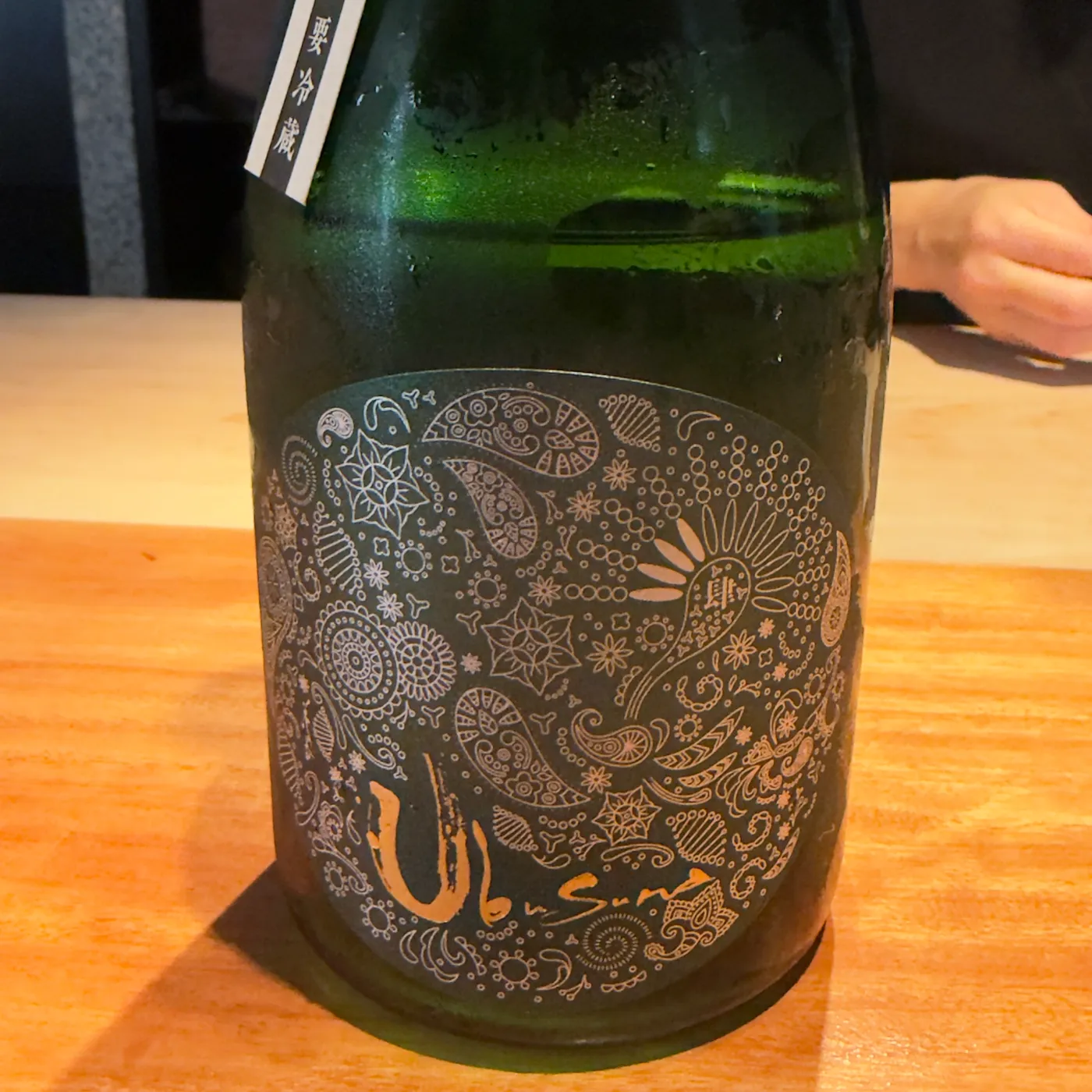
Shinsei
A bottle from Shinsei, a brewery known for a highly individual and contemporary approach to sake.
It brings another dimension to the progression: distinctive and built as much around personality as simple pairing.
A sake with its own voice beside food that certainly has one.
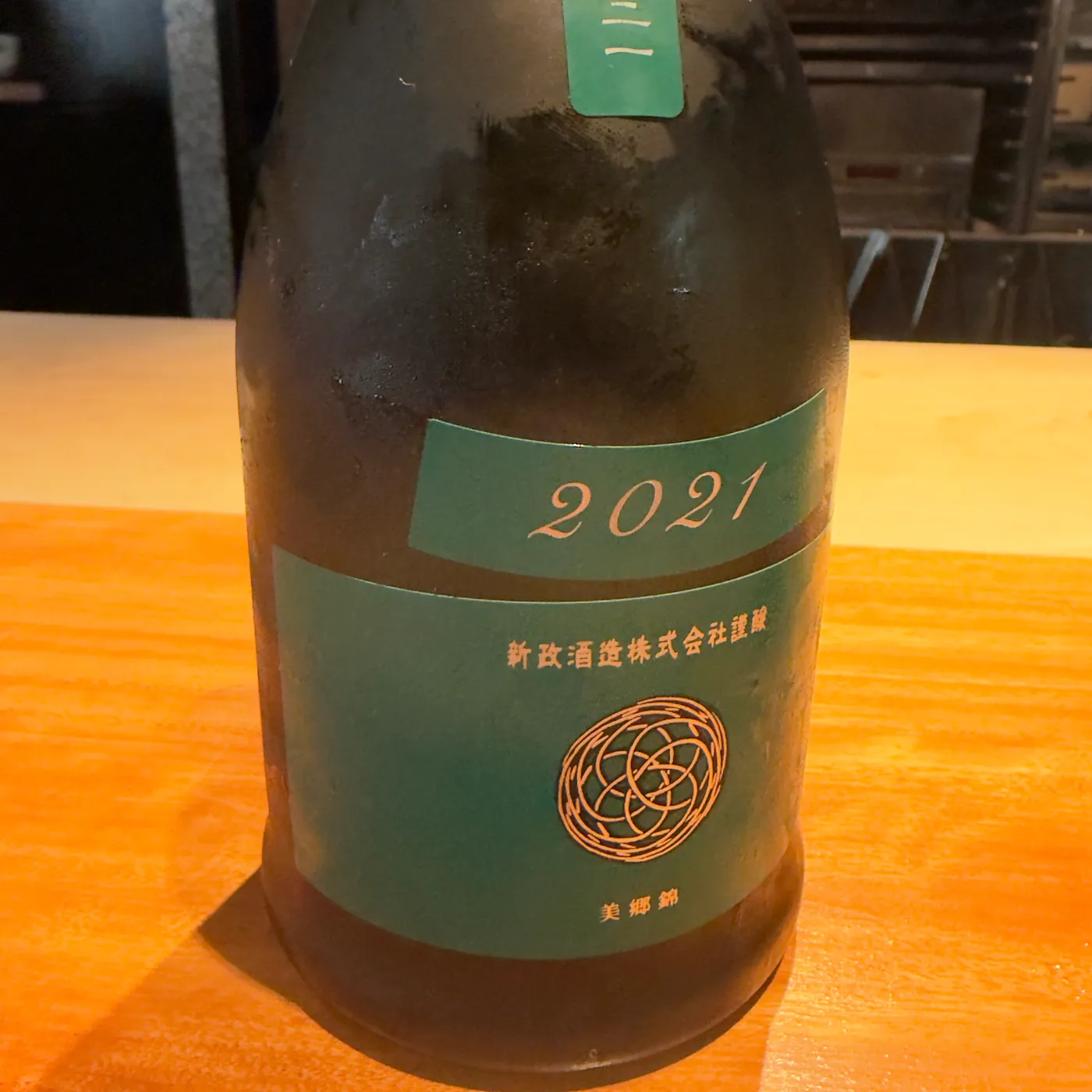
Shinsei — 2021
A vintage expression from Shinsei, marked 2021.
The idea of vintage itself is fascinating in the context of sake. Rather than treating every bottle as something that must be consumed immediately, age becomes another ingredient—allowing time to change texture, aroma and the way the sake interacts with food.
Kanro — Autumn Release
An autumn sake whose label could hardly announce the season more clearly: maple leaves, warm autumn colors and a whale.
Served during a menu filled with matsutake, chestnut and the aromas of the season, the bottle becomes part of the storytelling.
In Japan, sake and food do not merely pair with one another. At their best, they inhabit the same season.