Guchokuni
Visited Wed, Nov 18, 2026 · Dinner
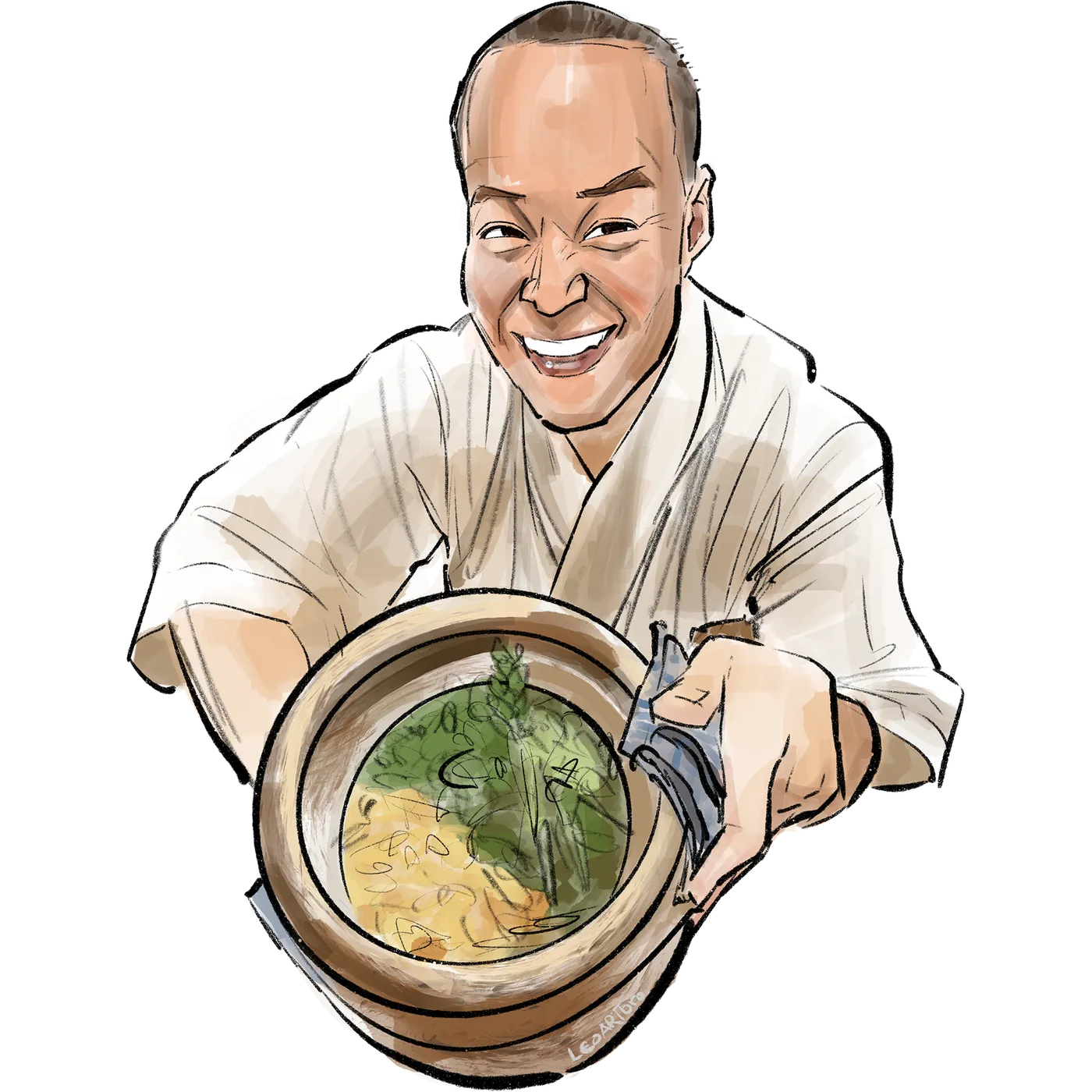
Guchokuni — 愚直に
The Courage to Keep Things Simple
Guchokuni is one of the restaurants we've visited most often in Tokyo. The reason is simple: it's delicious. Masato Otsuka's cooking has given us many wonderful meals, and I always look forward to returning.
In March 2026, Guchokuni moved to a larger restaurant in Kagurazaka. When I returned in November with nine guests, I wanted to learn more about the chef whose food we had enjoyed so often, particularly his relationship with Hideki Ishikawa.
Ishikawa-san is one of my favorite chefs, and his restaurant, the three-Michelin-starred Kagurazaka Ishikawa, is among the places I love most in Japan. His cooking is celebrated for its extraordinary deliciousness, but there's another side to him I admire just as much: he's an unusually astute businessman.
Over the years, Ishikawa-san has recognized exceptional talent among his apprentices and created opportunities for them to run restaurants of their own. Instead of simply wishing them success when they're ready, he puts the resources and reputation of the Ishikawa Group behind them, giving them independence while keeping them within a larger family of restaurants.
In Japan, the relationship between master and apprentice is called shitei kankei (師弟関係). Ishikawa-san has developed a particularly meaningful version of it, one that can continue long after the apprentice becomes a chef in his own right.
A Remarkable Family of Chefs
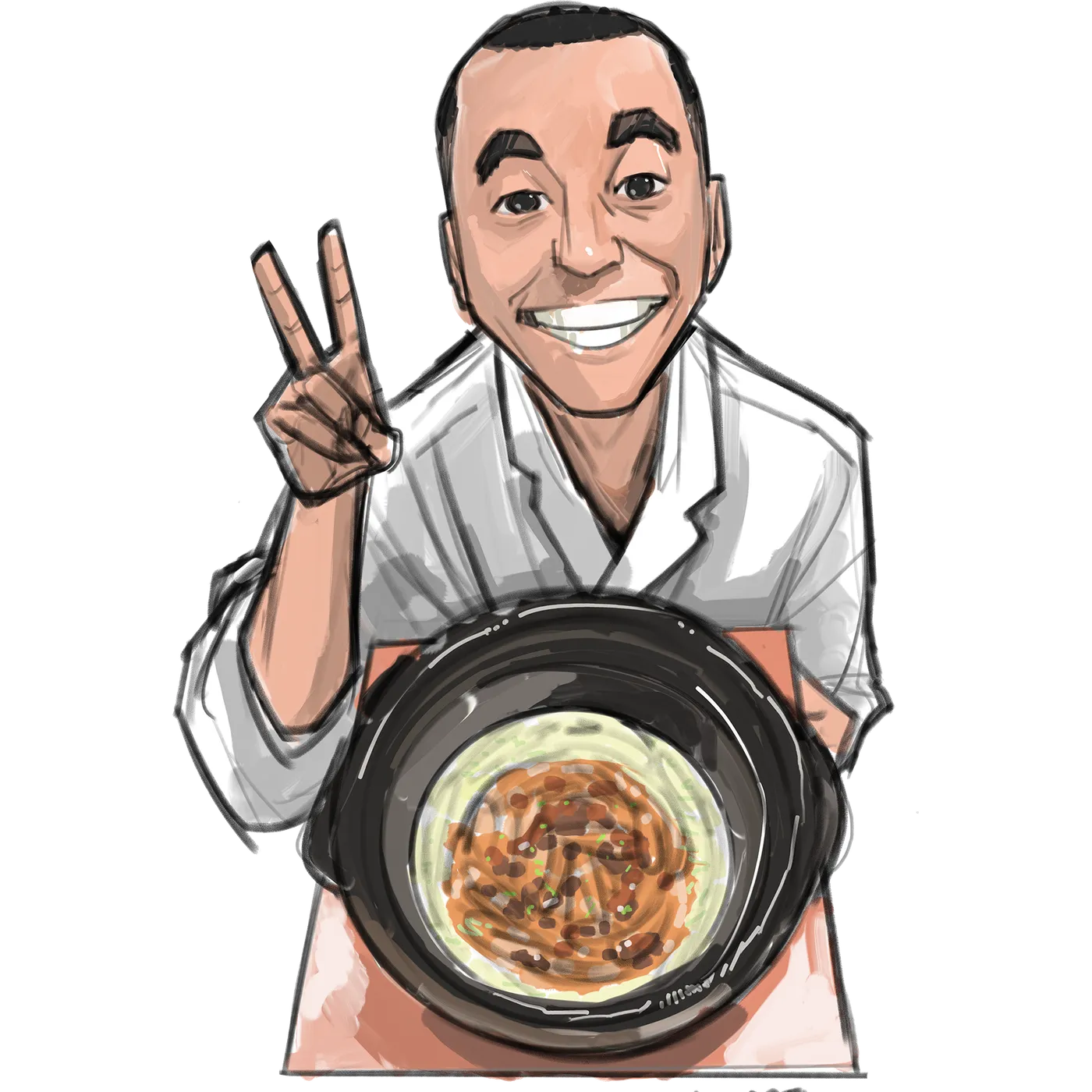
Hideki Ishikawa — chef of three-Michelin-starred Kagurazaka Ishikawa, founder of the Ishikawa Group, and mentor to a remarkable generation of Japanese chefs.
Another wonderful example is Kumakiri Daichi, the chef of Hatou, a sushi restaurant I absolutely love.
Kumakiri-san spent years learning Japanese cooking within the Ishikawa Group before developing a passion for sushi. Recognizing his enthusiasm and ability, Ishikawa-san helped arrange his training at the celebrated sushi restaurant Amamoto. Kumakiri-san subsequently took charge of Hatou, combining his Japanese culinary background with Edomae sushi.
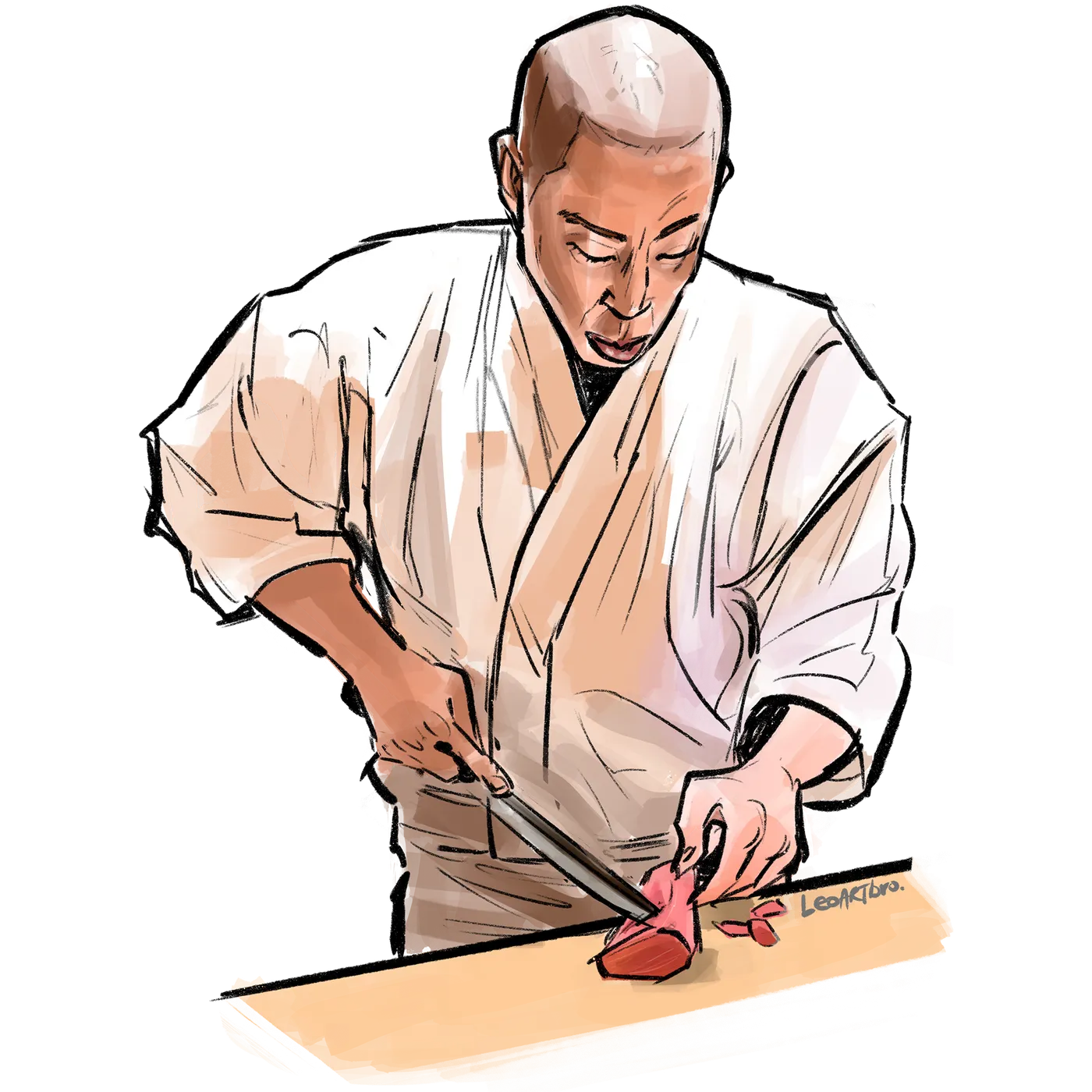
Kumakiri Daichi (Kuma-san) — chef of Sushi Hatou, another exceptional talent nurtured by Ishikawa-san.
I find this approach extraordinary. Ishikawa-san doesn't expect his most talented apprentices to remain copies of himself. He helps them develop individual identities while maintaining the relationship that brought them together.
Otsuka-san's story is another expression of that philosophy.
A Name to Live Up To
Guchokuni, written 愚直に, suggests working earnestly, persistently, and with complete sincerity.
Otsuka-san explained that he had loved the expression long before opening his restaurant. When Ishikawa-san asked about words that were meaningful to him, it came up in their conversation and eventually became the restaurant's name.
He was delighted, but the name also created a responsibility. He felt he would have to work in a way that deserved it.
When I asked what Ishikawa-san had taught him, Otsuka-san answered without hesitation: “Above all, to make delicious food.”
He explained that this means continually testing ingredients and preparations, tasting the results, and asking whether something could be improved.
During his first year running Guchokuni, he was still trying to apply everything he had learned. Gradually, he realized that guests responded particularly well when he made food he personally believed was delicious.
He began trusting his own judgment. That's an important distinction: he hadn't rejected his teacher's lessons, but had learned how to make them his own.
A New Home for His Cooking
The larger restaurant gave Otsuka-san an opportunity to rethink the space without abandoning the intimacy of the original.
He wanted guests to see the cooking and enjoy the aromas coming from the open kitchen. Even the sequence of dishes takes those experiences into account.
His cooking follows a similar philosophy. He begins with ingredients at their seasonal best and considers how little he needs to do to bring out their flavor.
Weather affects harvests and fishing, so the same ingredients cannot always be served at the same time every year. For Otsuka-san, seasonal cooking means responding to what's particularly good now, not mechanically repeating last year's menu.
Our dinner offered plenty of examples.
What we ate
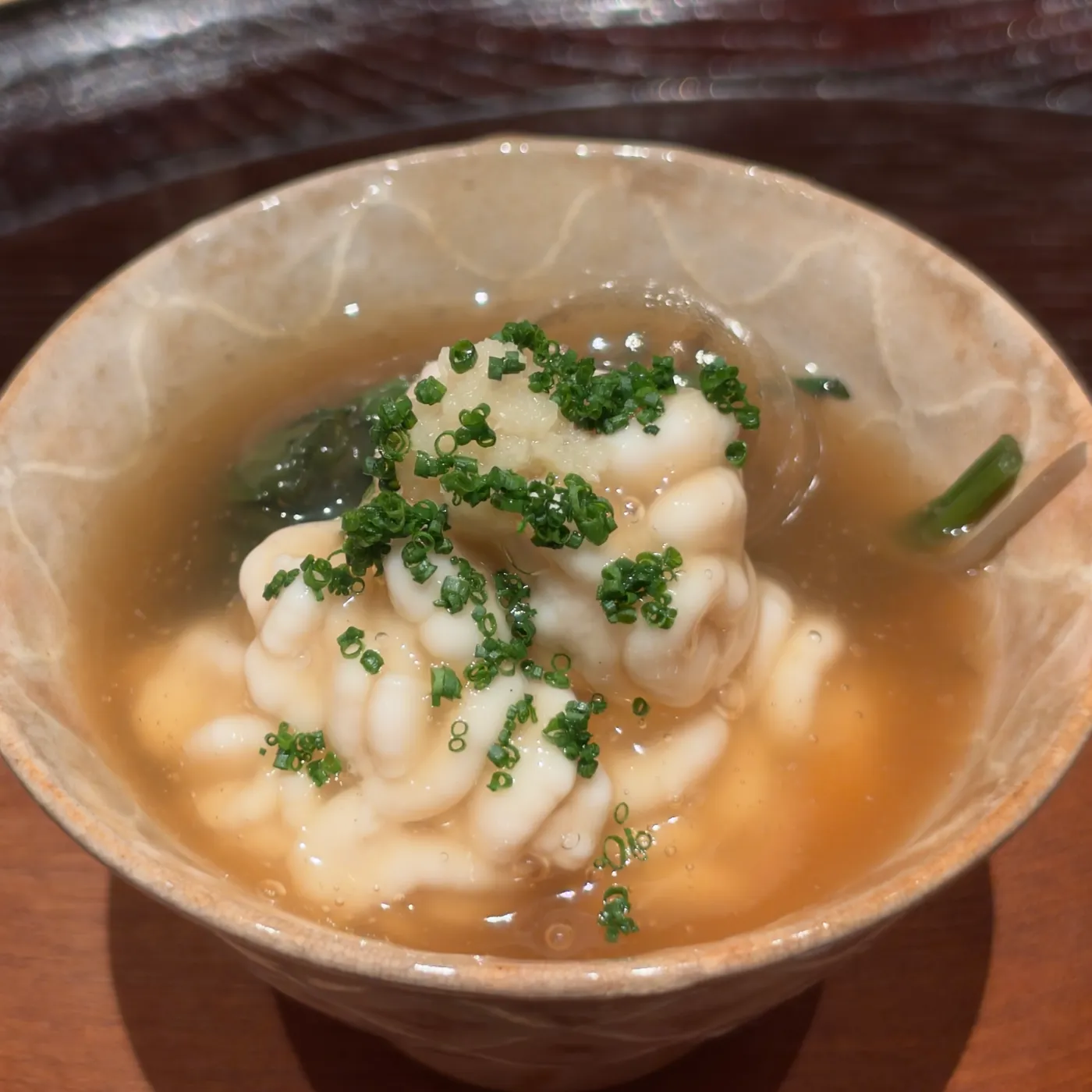
Hokkaido Shirako, Seri, and Sweet-Shrimp Dashi
Cod shirako from Hokkaido was served with seri, a seasonal Japanese green that Otsuka-san had grilled over charcoal before preparing as ohitashi. The sauce was made from sweet-shrimp dashi, thickened with kudzu starch, and finished with ginger. He encouraged guests to mix the ginger into the sauce before enjoying everything together.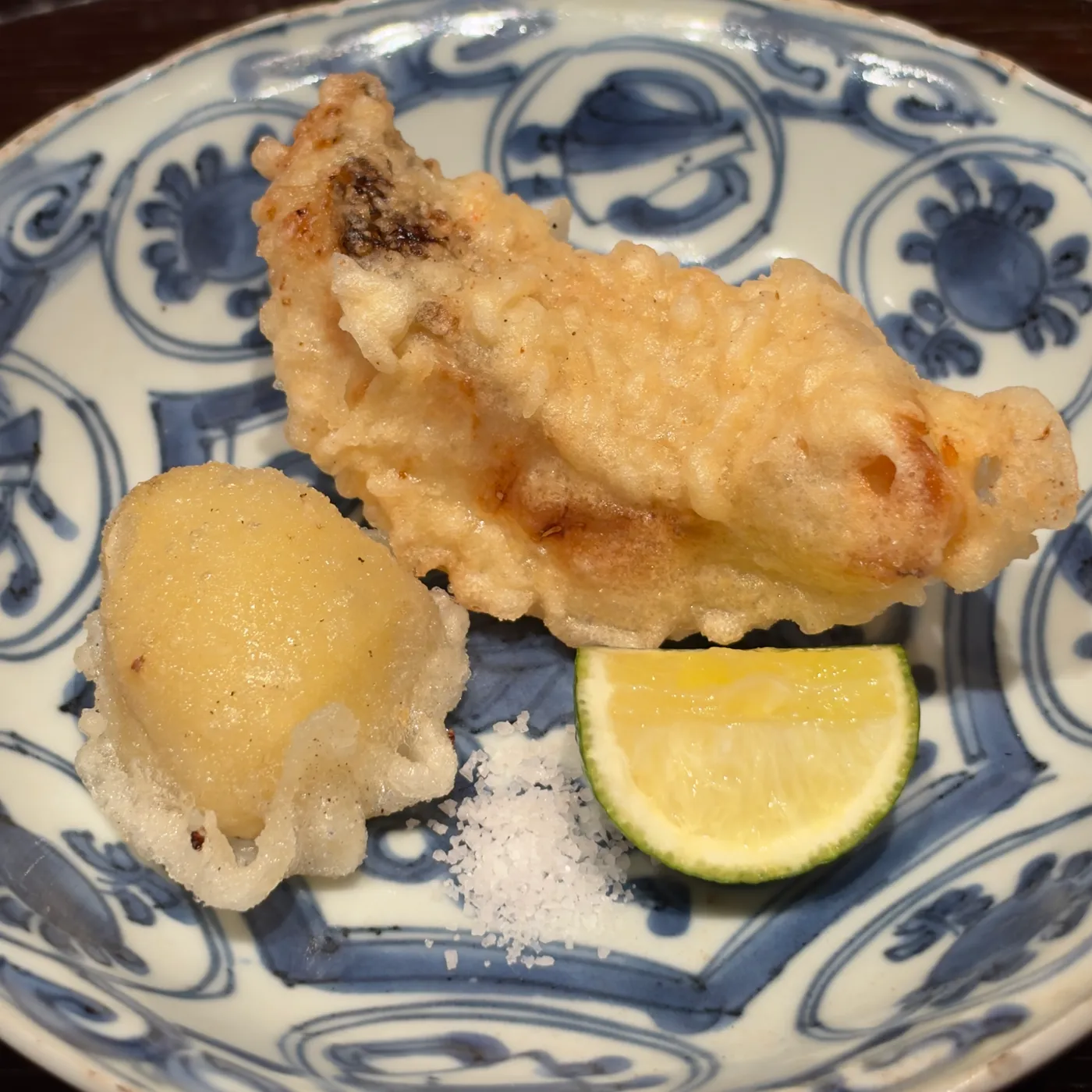
Amadai and Chestnut Tempura
The tempura combined amadai, Japanese tilefish, with chestnut. Otsuka-san had marinated the fish in Saikyo white miso before frying, specifically to introduce its fragrance. Salt and citrus accompanied the tempura, allowing guests to adjust the seasoning.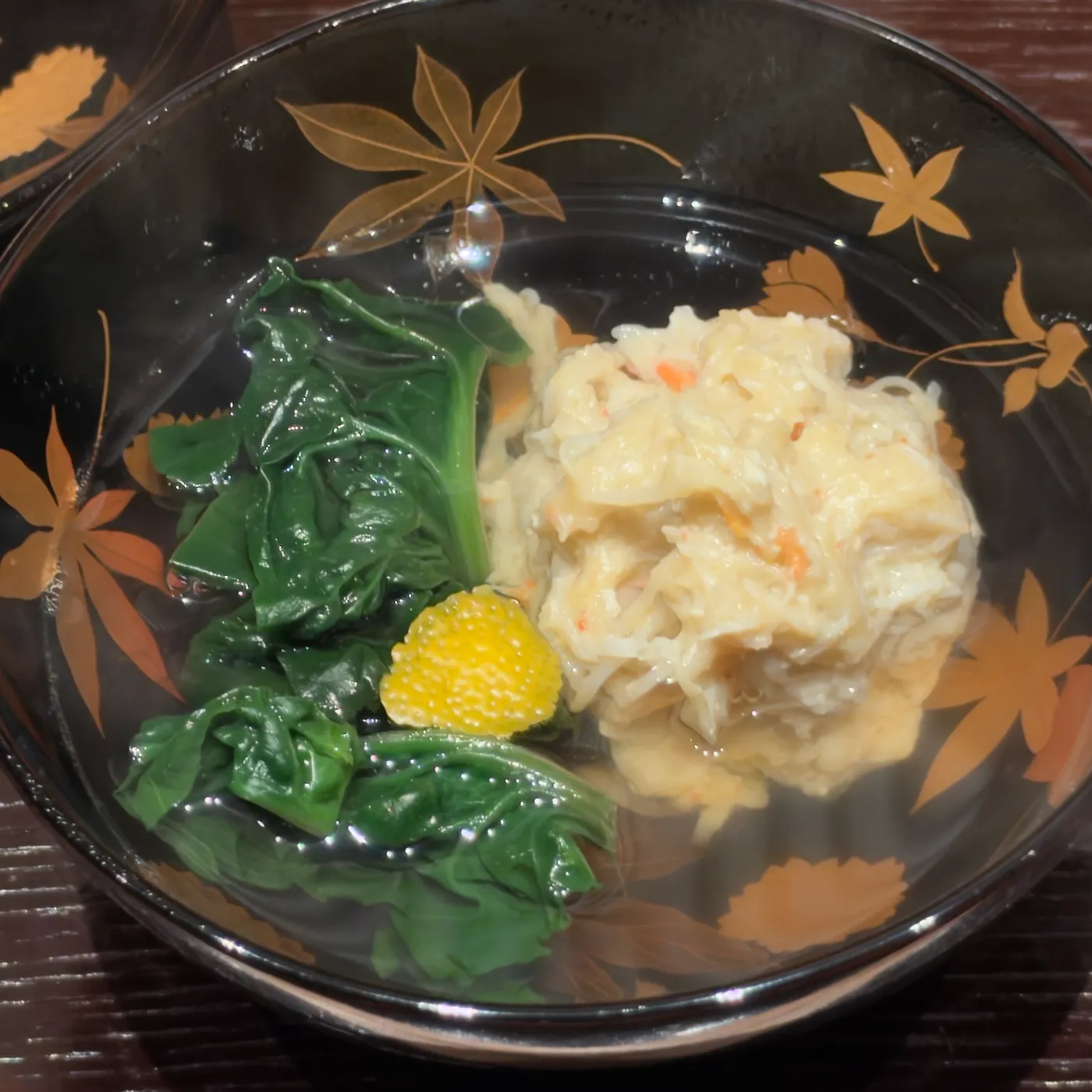
Matsubagani Shinjo with Winter Spinach
This dish revealed more about Otsuka-san's philosophy than almost anything else we ate. He served a shinjo made with matsubagani, snow crab from Shimane, accompanied by winter chijimi spinach and yuzu in clear broth. Crab is an important ingredient at the beginning of winter, and Otsuka-san wanted guests to experience the pleasure of taking a generous bite of crab itself. So he made the shinjo almost entirely from crab. Rather than complicating the preparation, he concentrated on preserving the ingredient's character. That, he explained, was exactly the point.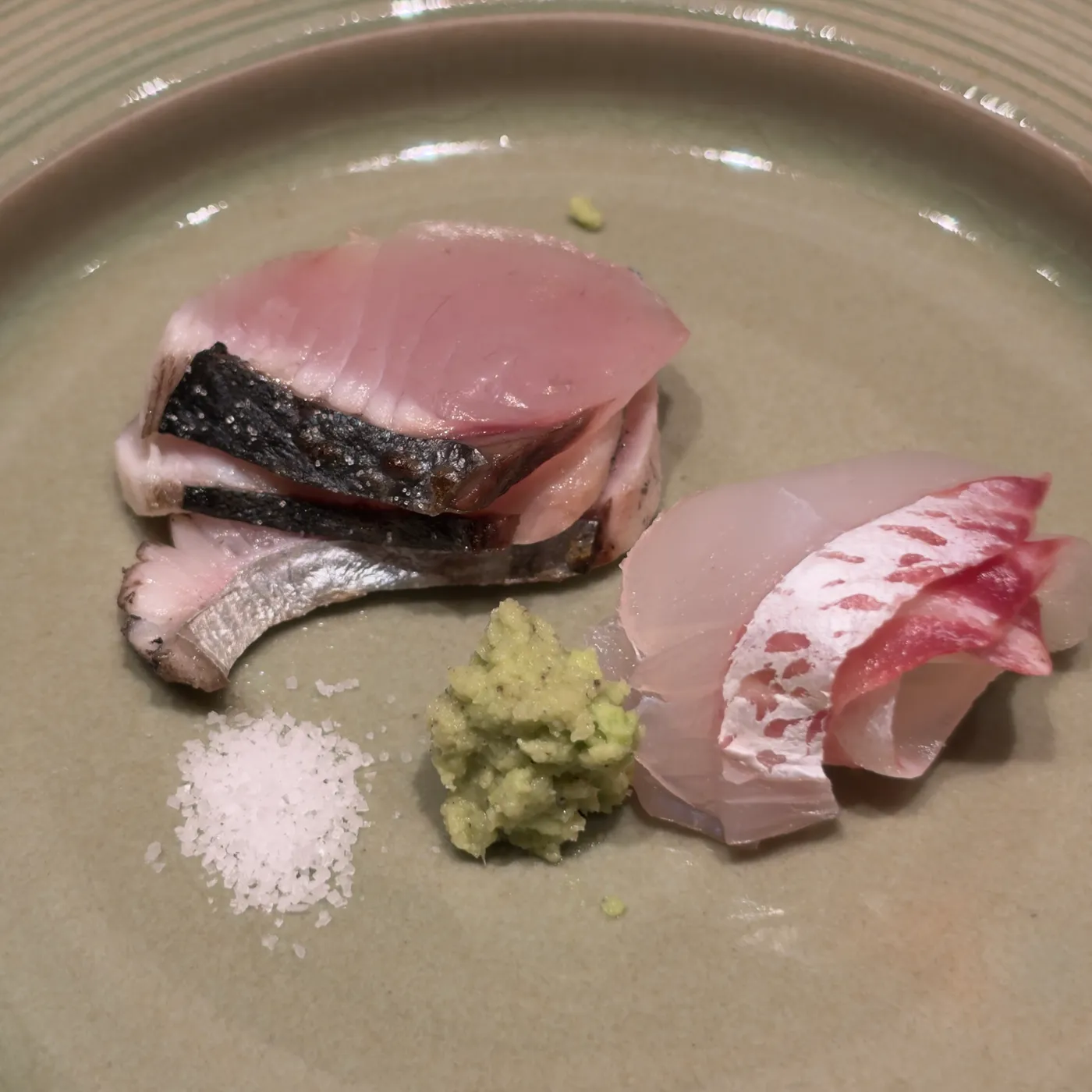
Sea Bream and Charcoal-Seared Sawara
The sashimi course paired sea bream with sawara, Japanese Spanish mackerel, which Otsuka-san had briefly seared over charcoal. He offered salt, soy sauce, and grated ponzu, inviting guests to choose their preferred accompaniment.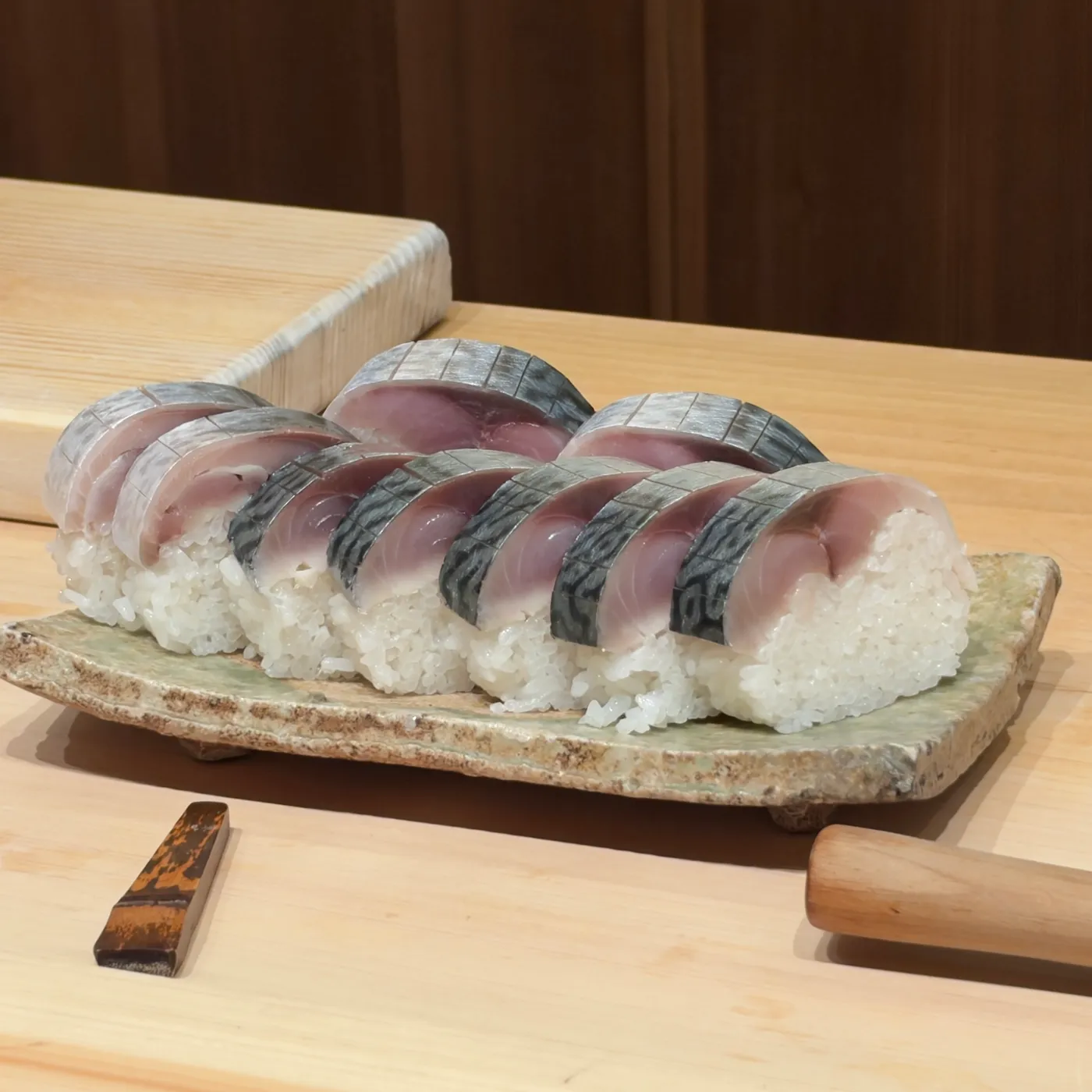
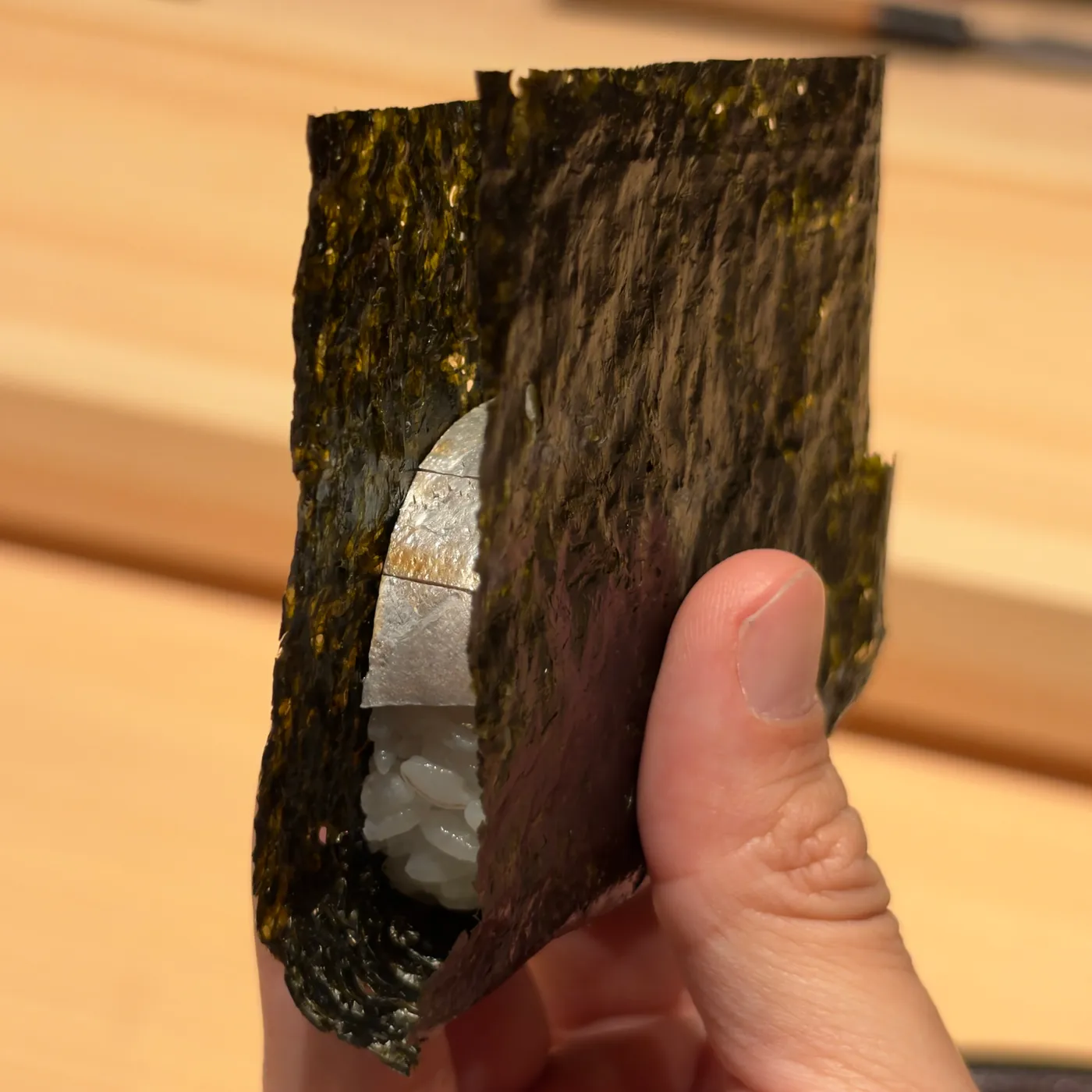
Winter Saba Sushi with Saga Nori
Large winter mackerel was cured with salt and vinegar before being prepared as pressed sushi. Otsuka-san served it with crisp nori from Saga, asking guests to wrap each piece before eating. The seaweed's aroma became an essential part of the preparation.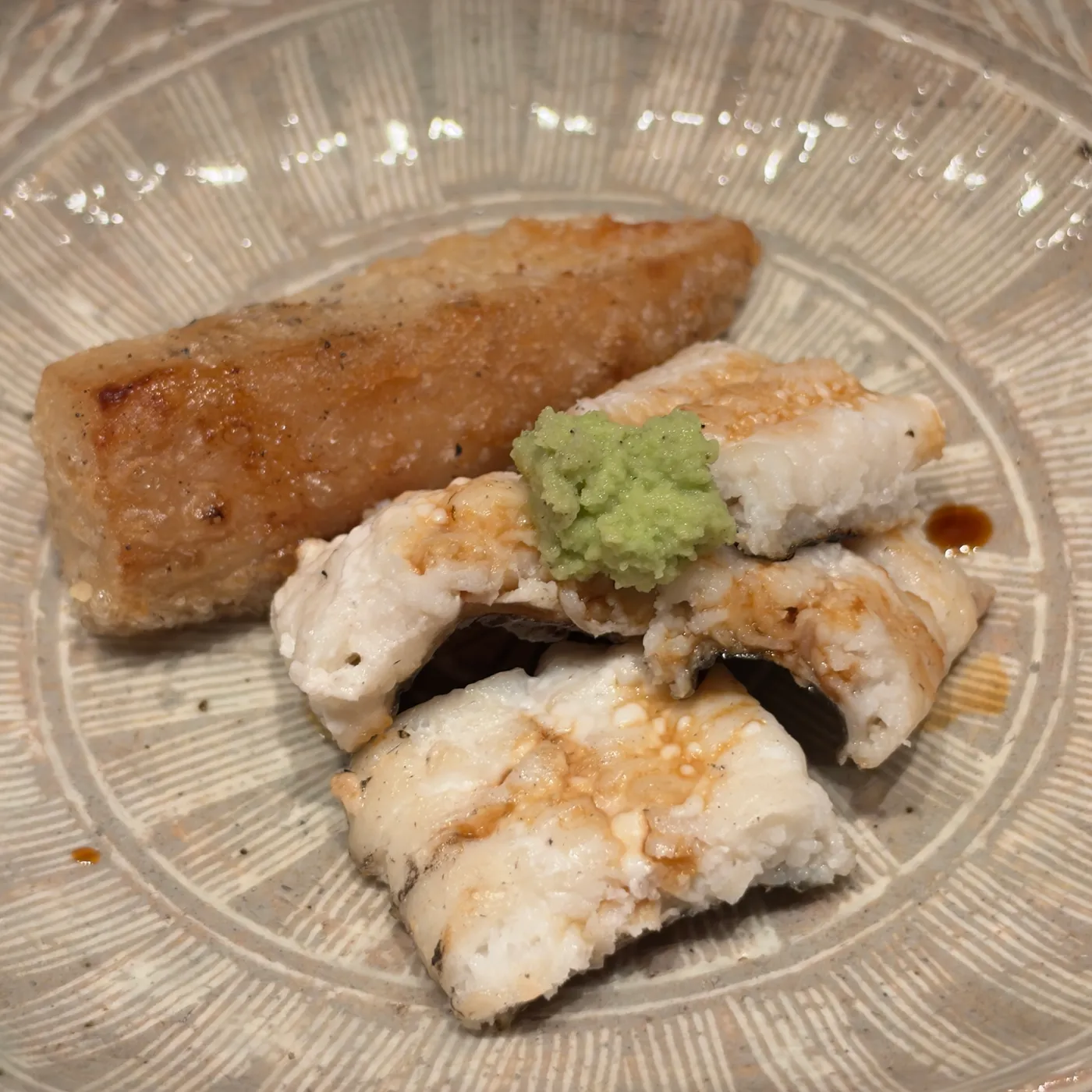
Grilled Anago and Ebi-imo
The grilled anago came from an exceptionally large conger eel weighing more than one kilogram. Alongside it was ebi-imo, a variety of taro from Tondabayashi, Osaka. Otsuka-san suggested adding a little of the accompanying wasabi according to taste.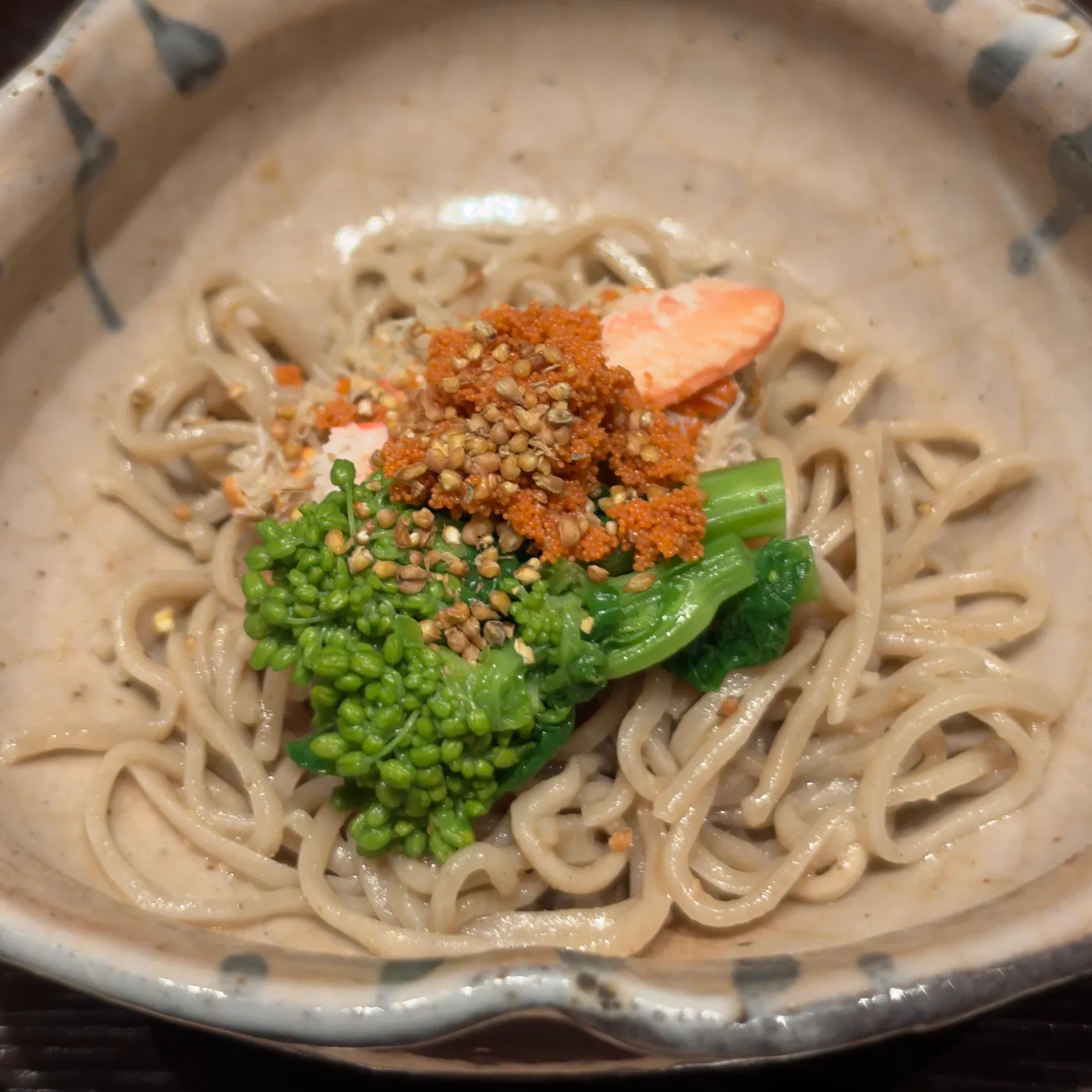
Nagano Soba with Kōbakogani
Otsuka-san comes from Nagano, famous for its soba, so I was particularly happy to see noodles from his home region. He combined them with kōbakogani, female snow crab and its eggs, along with nanohana and a sesame-and-walnut dressing. Guests were encouraged to mix everything together.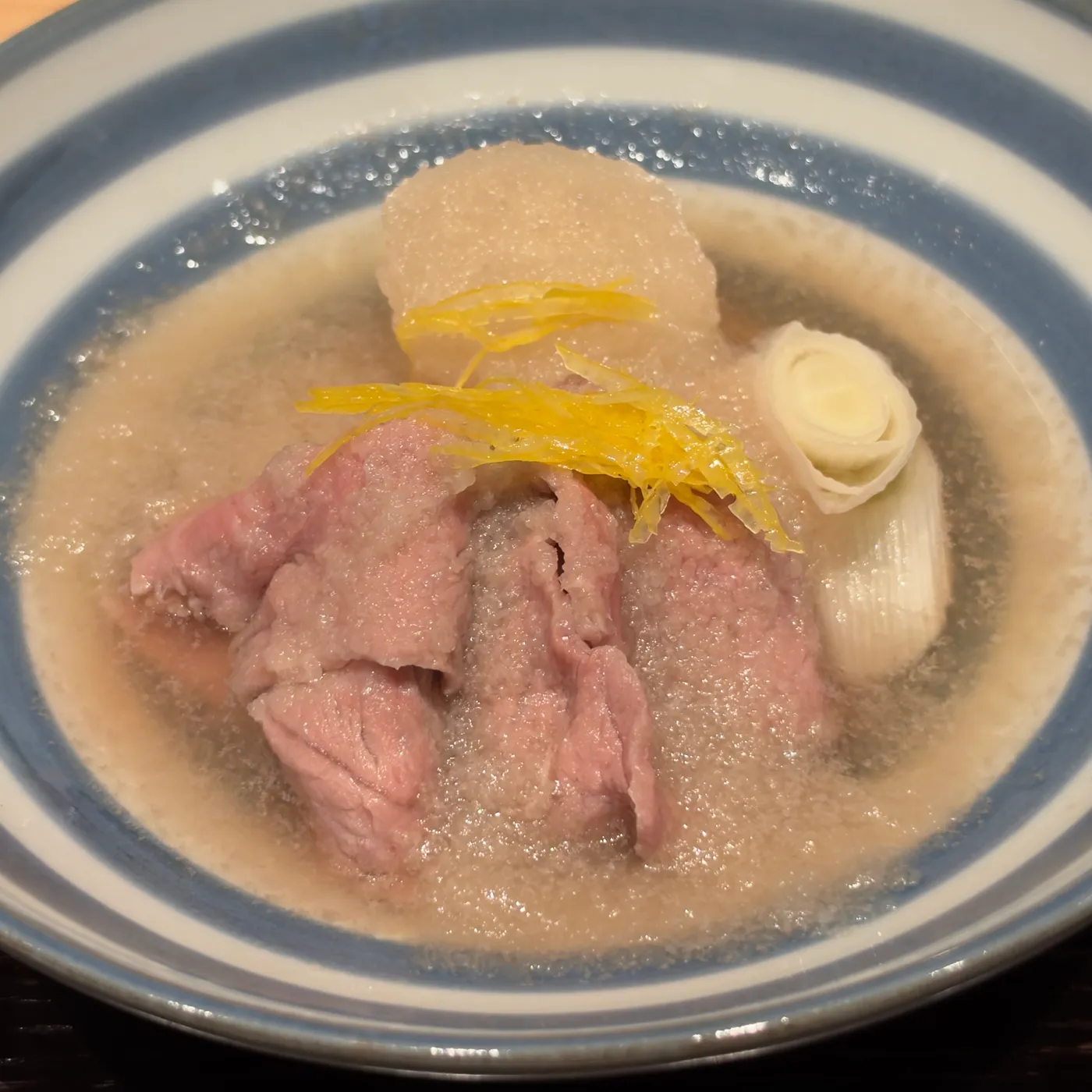
Kumamoto Akaushi with Kyoto Turnip
Akaushi beef from Kumamoto was served with Kyoto turnip prepared mizore style, the turnip grated into dashi to create a delicate, snow-like texture.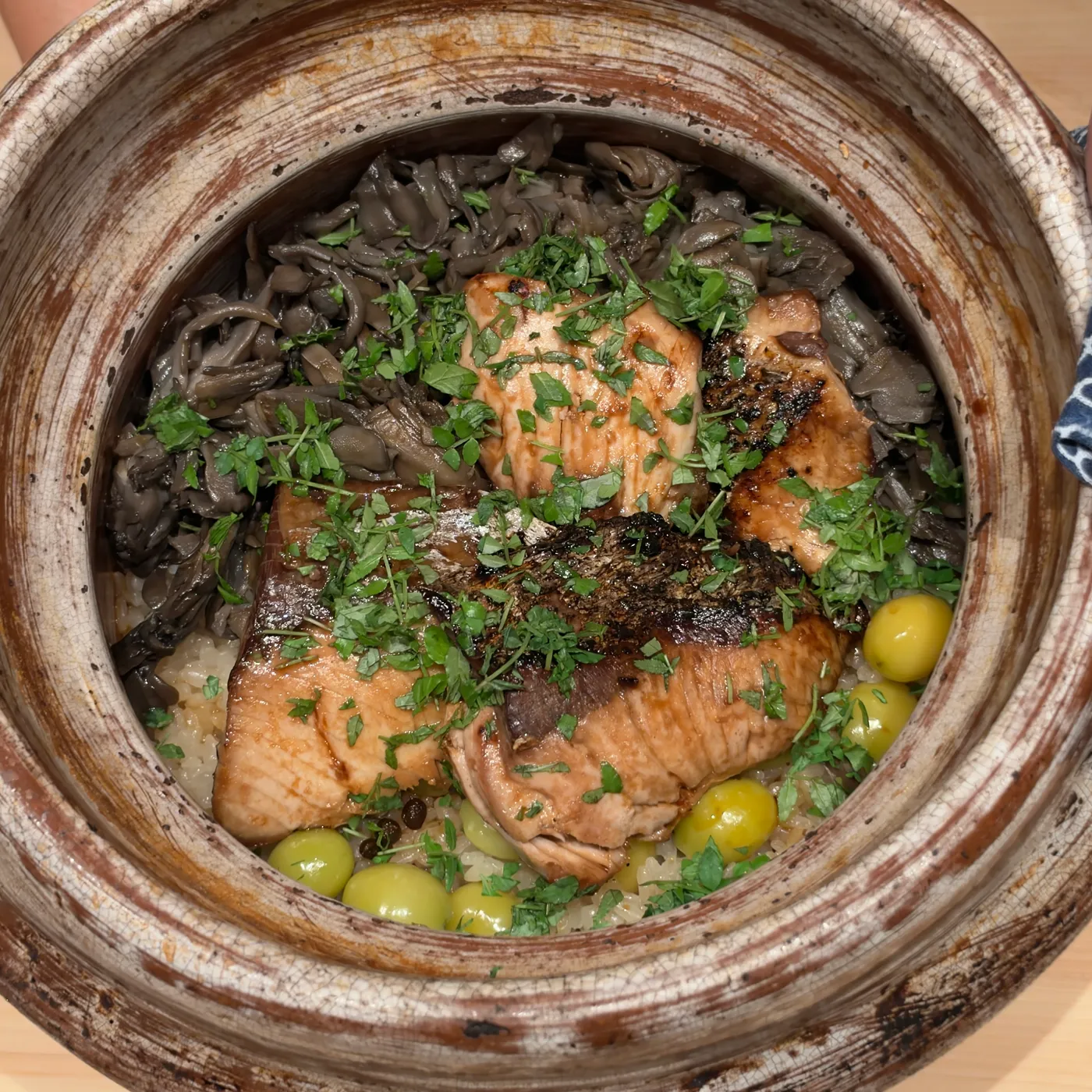
Buri Gohan — Yellowtail Rice
Our donabe rice combined yellowtail, ginkgo nuts, black maitake mushrooms, and fragrant sansho leaves. Otsuka-san brought out the entire earthenware pot before serving, displaying the beautiful seasonal ingredients. He also offered to prepare onigiri from the rice.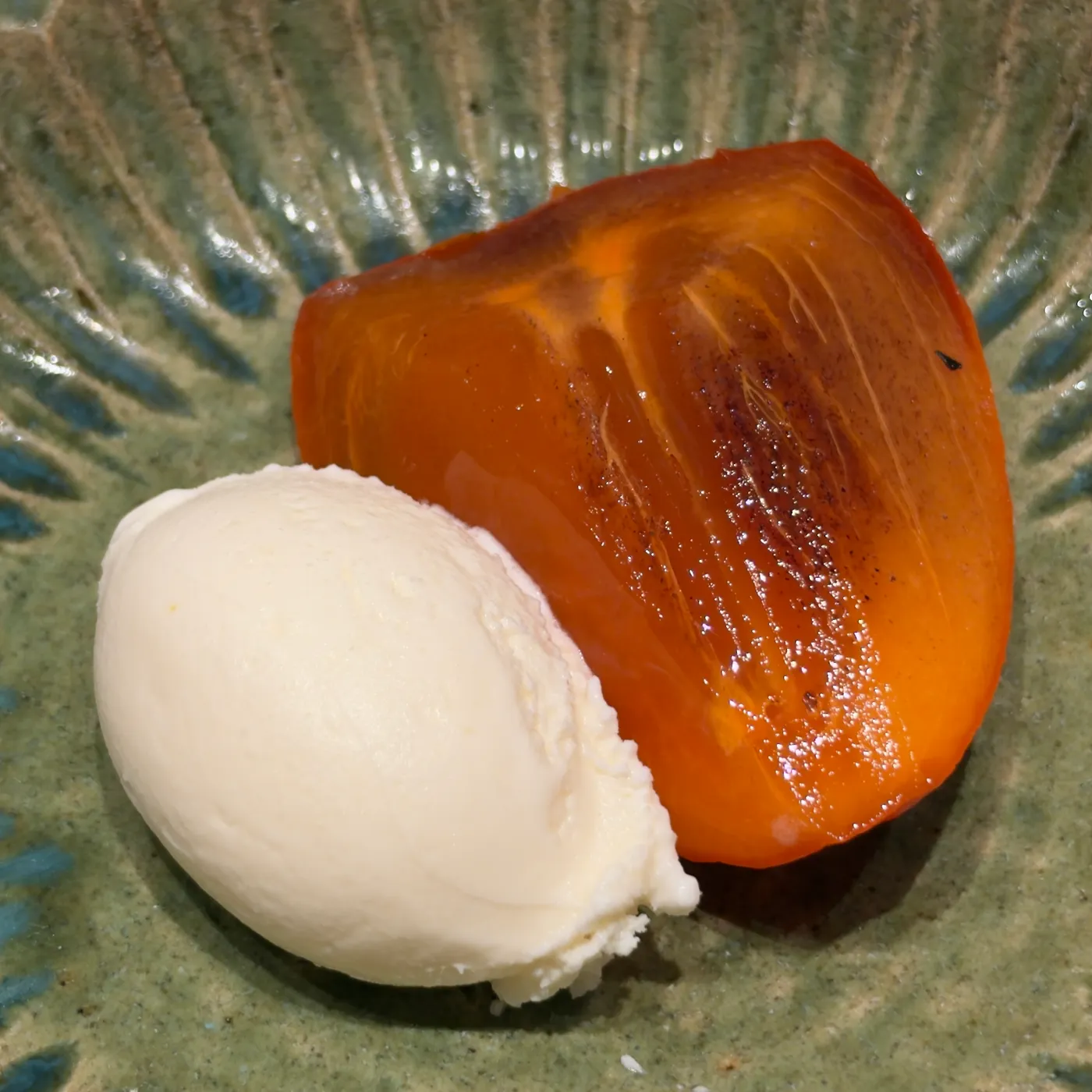
Persimmon with Homemade Salt Ice Cream
Dessert paired soft, fully ripe persimmon with homemade salt-flavored ice cream. Otsuka-san encouraged guests to break up the fruit with their spoons and eat it together with the ice cream. It was a beautifully simple conclusion.What we drank
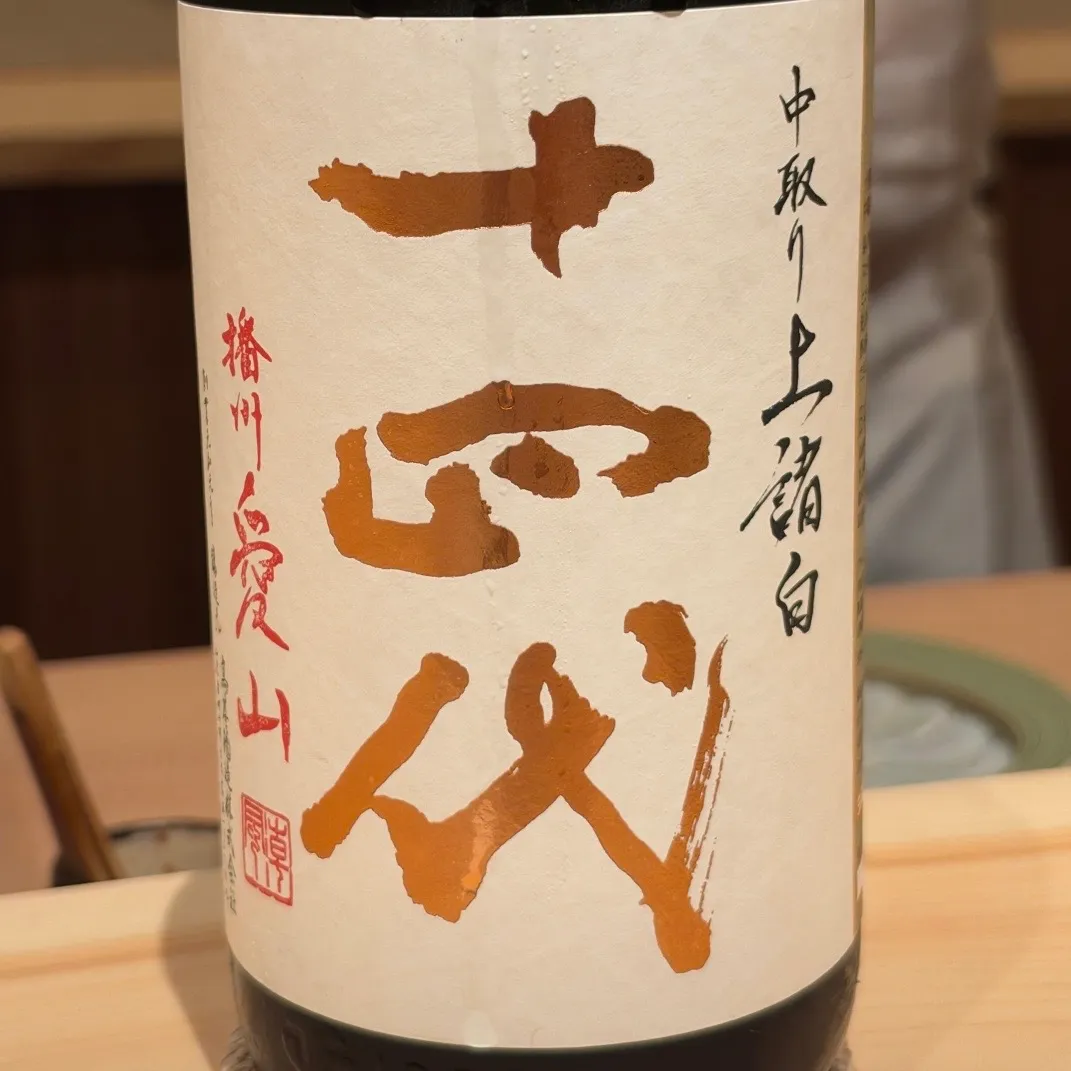
Juyondai — Banshu Aiyama
十四代 中取り上諸白 播州愛山 — Takagi Shuzo, Yamagata
One of Japan's most admired premium sake producers, Juyondai is known for combining expressive fruit character, richness, and balance. This bottling uses Aiyama rice from Hyogo and offers a generous, elegant style.
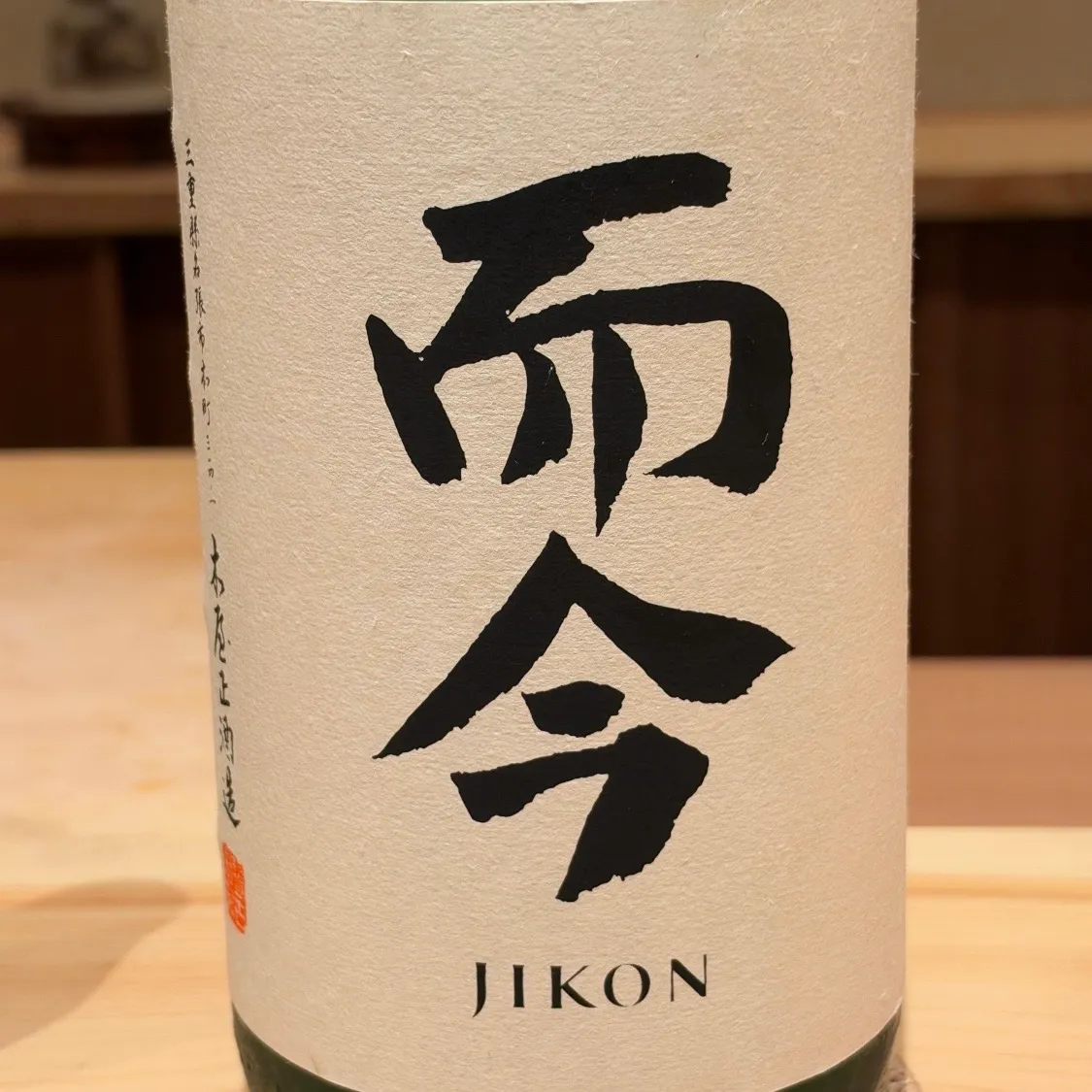
Jikon — 而今
Kiyasho Shuzo, Mie
Jikon is admired for its freshness, clarity, and expressive rice character. Its name suggests living in the present moment, an appropriate idea alongside a meal devoted to ingredients at their seasonal best.
The exact bottling is not established by the photograph, so I've left its classification unspecified.
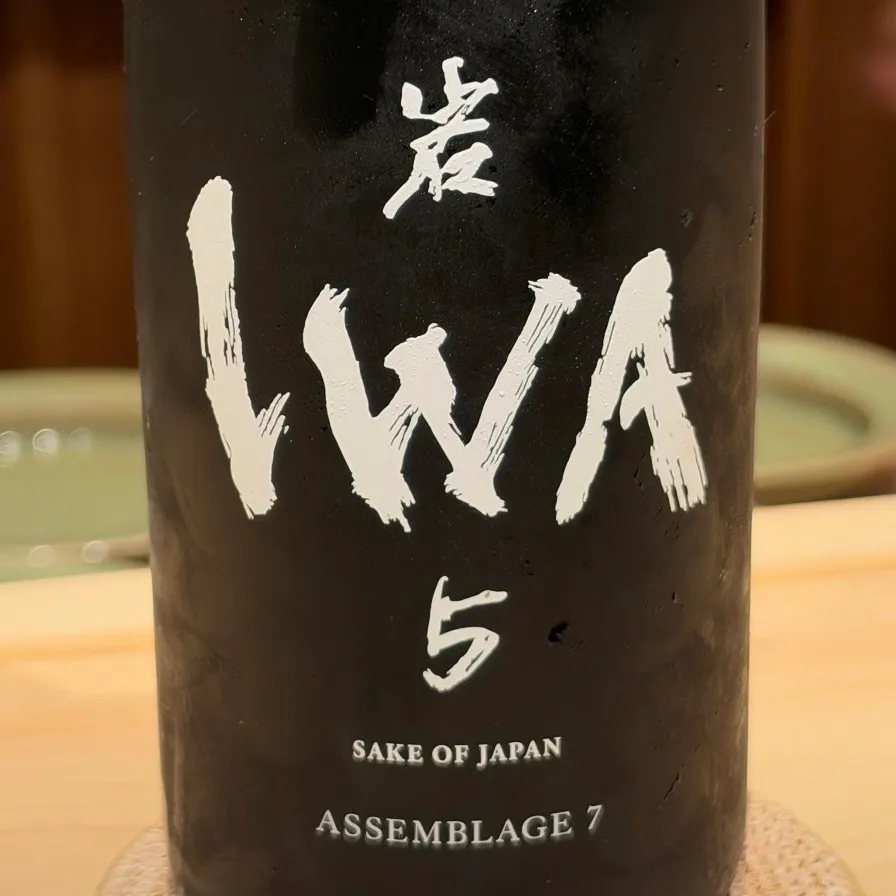
IWA 5 — Assemblage 7
IWA Sake of Japan, Toyama
Created by Richard Geoffroy, formerly chef de cave at Dom Pérignon, IWA explores the blending of different brewing components to achieve complexity and balance.
Assemblage 7 offers a layered style, bringing together fruit, spice, and a structured finish.
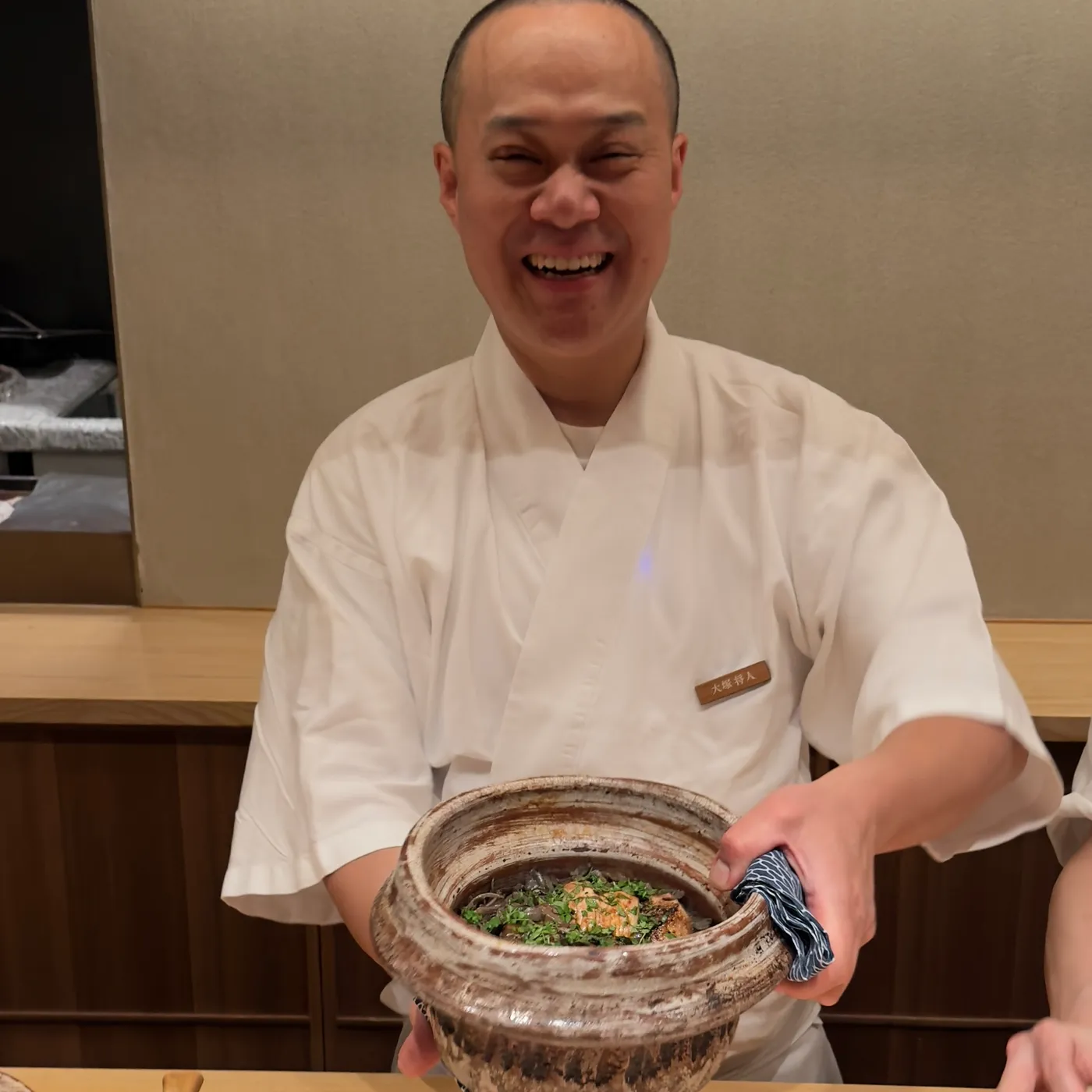
Otsuka-san, smiling as he presents the donabe rice.
The Beauty of Doing Less
Toward the end of our conversation, Otsuka-san explained what best represents his cooking. Rather than naming a signature dish, he talked about the pleasure of preparing exceptional seasonal ingredients as simply as possible.
In spring, he might grill bamboo shoots. In summer, he might briefly boil hamo and serve it with ponzu. And in winter, as we had experienced, he might make a crab shinjo using almost nothing but crab.
His point wasn't that simple food requires less skill. It takes experience to recognize when an ingredient needs little intervention, and confidence to resist doing more.
I thought about Ishikawa-san's philosophy, the opportunities he has created for his apprentices, and the way Otsuka-san described finding his own cooking.
I've returned to Guchokuni so often because I love the food. After this conversation, I understand a little better why it's so good, and why the relationship between these two chefs matters.
I AM A HUNGRY TOURIST. ❤️