Ristorante Alla Borsa
Visited Sat, Nov 7, 2026 · Lunch
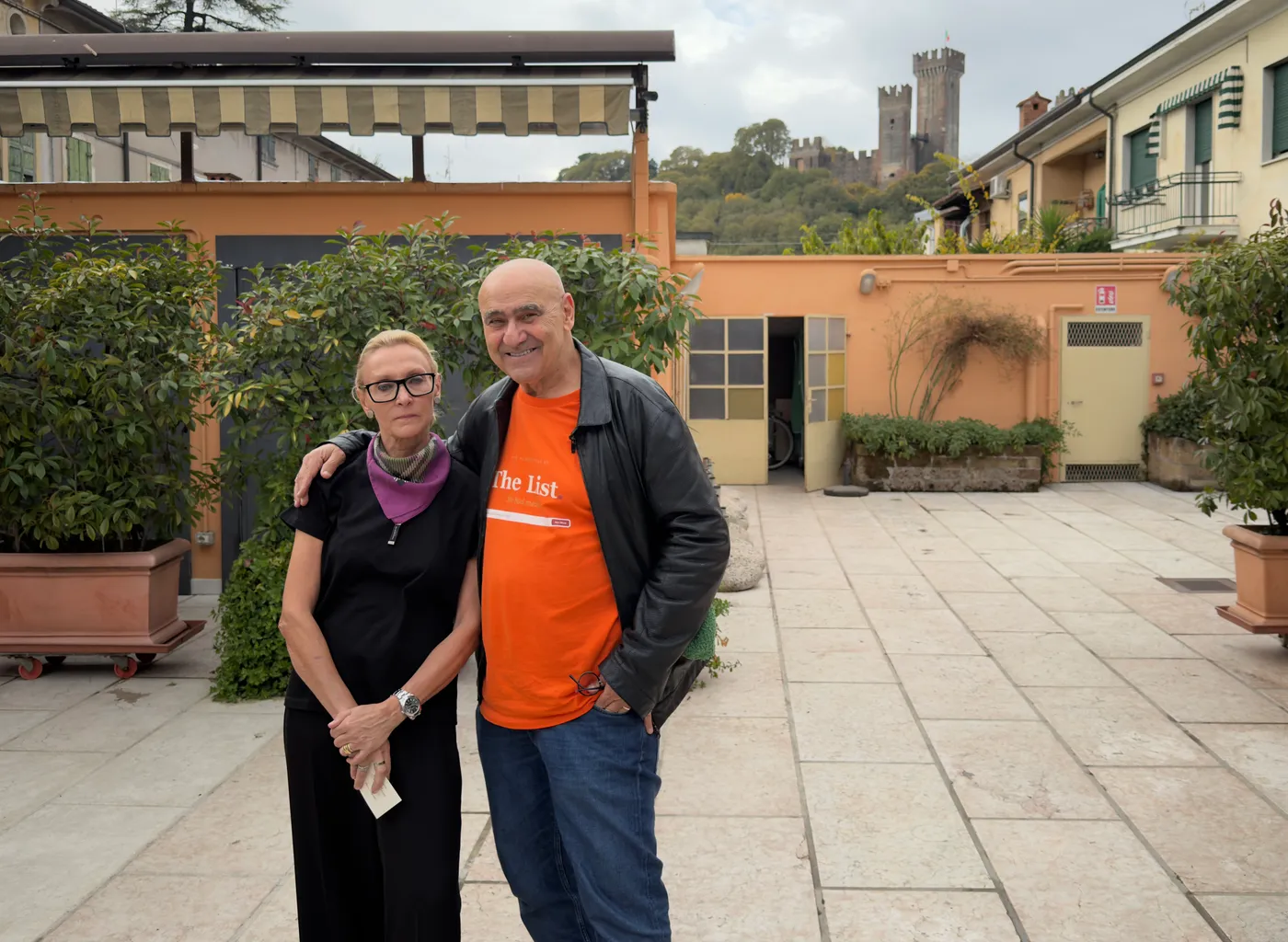
The Etxebarri of Fresh Pasta
Ristorante Alla Borsa
The Etxebarri of Fresh Pasta
There is a restaurant I want to tell you about.
A restaurant that has become a permanent stop on our annual White Truffle Road Trip, and a place I've been returning to for twelve years.
It's called Ristorante Alla Borsa, in the small village of Valeggio sul Mincio.
And I have a very particular name for it.
The Etxebarri of Fresh Pasta.
Let me explain.
Like Etxebarri, it's pretty much in the middle of nowhere.
And like Etxebarri, it is run by people who have devoted their lives to doing one thing extraordinarily well.
Here, that thing is fresh pasta.
Especially tortellini.
But it's much more than that.
It's about an entire family, a village, and a culinary tradition that has become inseparable from the people who live here.
On the Saturday we visited, the restaurant was packed.
165 seats, hardly an empty one.
You could barely spot a visitor from abroad. The room was full of locals who knew exactly where they wanted to spend their Saturday lunch.
Families. Friends. Conversations. Wine. Plates of pasta.
People who know how to enjoy life.
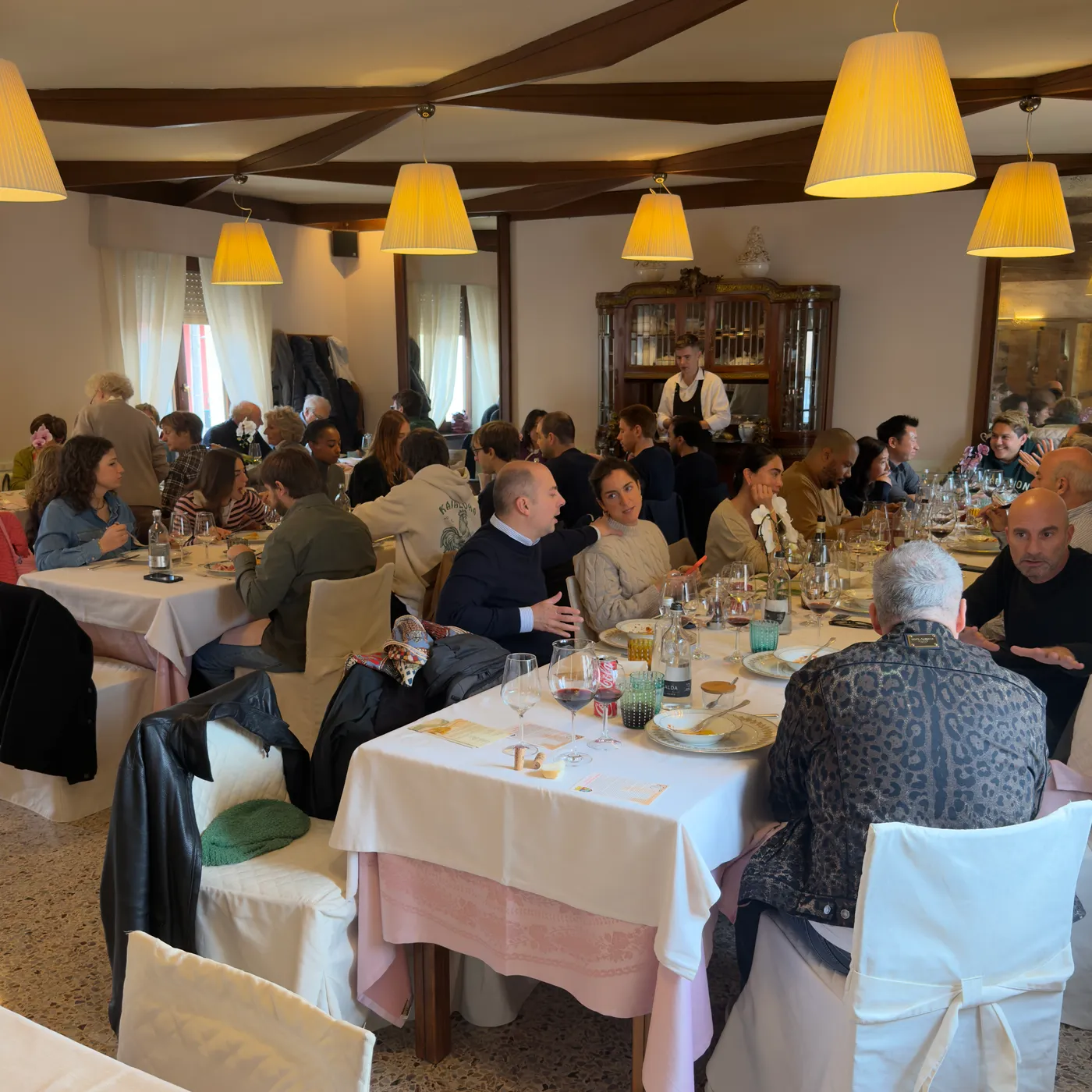
A house packed with locals who know how to enjoy life.
And at the center of this wonderful world is Nadia Pasquali.
Nadia is one of those people who reminds me why I travel thousands of miles for food.
Not only because she knows her cooking.
Because she knows the stories behind it.
And she wants you to know them too.
The Woman Behind the Love Knots
"We're more famous than Bologna because we're more romantic!"
That's how Nadia began telling me the story of tortellini in Valeggio sul Mincio.
And then she explained something I had never fully understood.
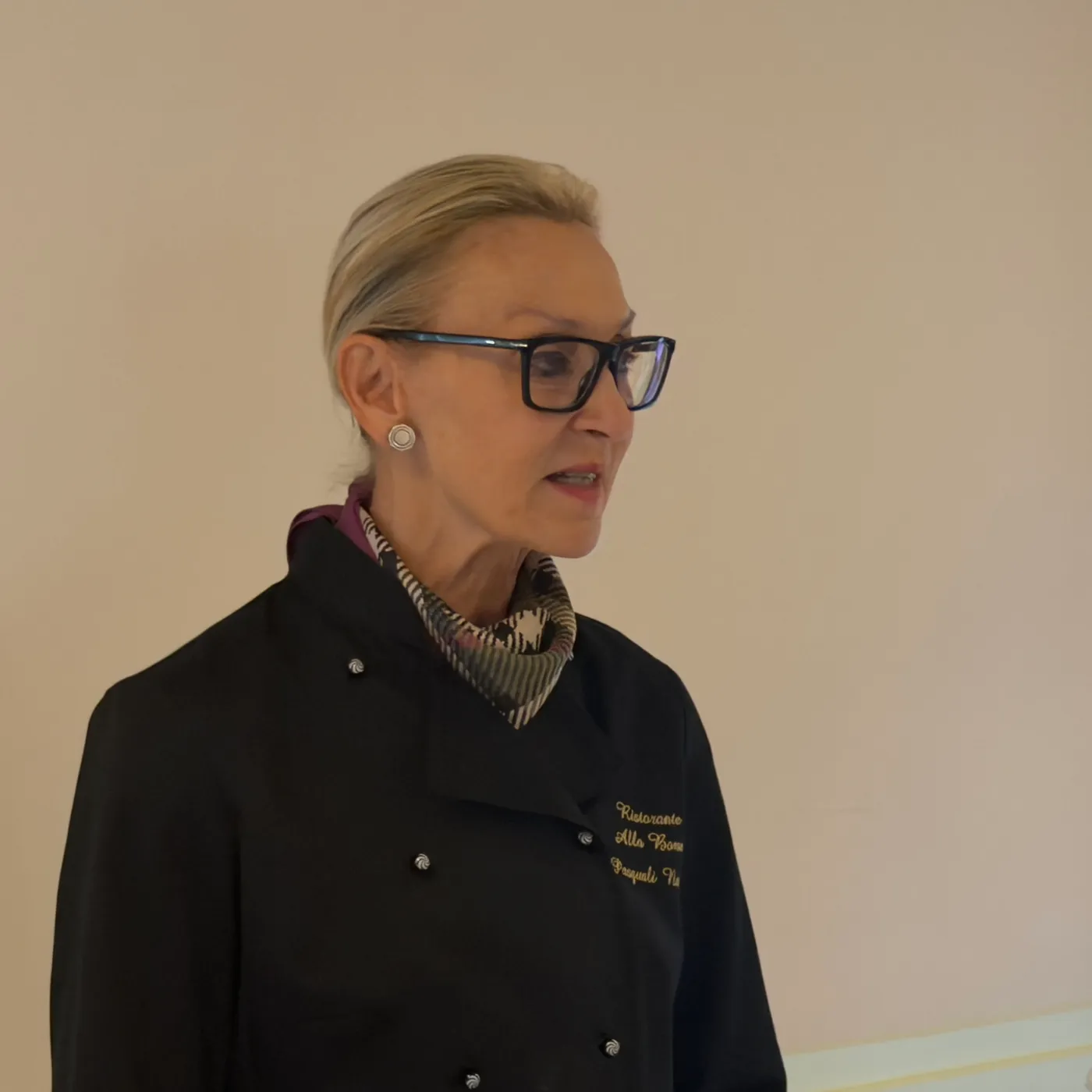
Nadia Pasquali
In the 1950s, Valeggio had a silk industry.
Producing silk thread required many hands, and women came from Emilia-Romagna to work alongside the local women.
They stayed with families in the village.
And when the working day was over, they shared something else.
Their knowledge of making tortellini.
According to Nadia, that's how the tradition took hold in Valeggio.
The local women learned from the women of Emilia-Romagna.
But they didn't simply copy their recipes.
They developed their own.
Nadia explained that the classic Valeggio filling uses several meats: beef, veal, pork, chicken wings, and a little chicken liver.
The meats are cooked with white wine.
And there is no cheese in the filling.
The cheese, if you want it, comes afterward.
But the most important distinction is the pasta itself.
It is rolled extraordinarily thin.
Almost like silk.
And that's where Nadia's story becomes even more beautiful.
The Legend of the Love Knot
According to the legend of Valeggio, a soldier named Malco fell in love with Silvia, a beautiful nymph who lived in the waters of the River Mincio.
Their love was forbidden.
Malco belonged to the world above the water, while Silvia belonged to the river.
And he was promised to another woman.
But the two lovers chose each other.
Unable to live their love freely on land, they disappeared together into the waters of the Mincio.
And on the riverbank, they left behind a silk handkerchief tied in a knot.
A symbol of eternal love.
That knot became the inspiration for Valeggio's tortellini.
Nodi d'Amore. Love Knots.
And suddenly the delicacy of the pasta makes perfect sense.
The silk isn't simply a poetic comparison.
Silk was once part of everyday life in this village.
And now that memory survives in one of its most beloved foods.
Nadia also told us something rather fascinating about the legend itself.
Valeggio wanted to establish its own reputation for tortellini, independent of Bologna.
And Bologna already had a famous story, the legend of a beautiful woman's belly button inspiring the shape of tortellini.
Nadia described how the people of Valeggio embraced their own, much more romantic story.
Two lovers.
A river.
A silk handkerchief.
A knot that would last forever.
"We're more famous than Bologna because we're more romantic!"
I love her sense of humor.
And I love the story.
From a Family Restaurant to a Village of Tortellini
Alla Borsa opened on October 1, 1959.
Nadia represents the second generation of her family, and the third is preparing to carry the tradition forward.
She told us that her mother has always been particularly strict about one thing.
The pasta must be made fresh.
Every day.
Nadia described a production rhythm of approximately 200 eggs a day, five days a week.
That's around 1,000 eggs every week.
Not because the family wants to impress anyone with a number.
Because, as she explained, ingredients have changed over the decades, and the only way to maintain the quality and the flavors people remember is to keep making the pasta fresh.
Their reputation depends on that promise.
And Valeggio has built an extraordinary gastronomic culture around the same tradition.
Nadia described a village of approximately 15,000 residents, with 61 restaurants and the ability to welcome thousands of diners.
She also told us about the enormous annual banquet once held on the historic bridge over the Mincio.
For years, more than 3,000 guests gathered around tables laid across the bridge, with participating restaurants and winemakers serving tortellini, regional food, and wine.
An entire village celebrating its culinary identity.
During our visit, Nadia showed us how the tortellini are prepared.
She introduced Roberto, who has worked with the family for thirty years.
And she reminded us of what makes the pasta so special.
The filling requires time, knowledge, and careful preparation.
But the sheet of pasta surrounding it must remain almost impossibly delicate.
The thinner the pasta, the more clearly you experience what is inside.
Nadia calls this cooking edible love.
I think she has found the perfect words.
What we ate
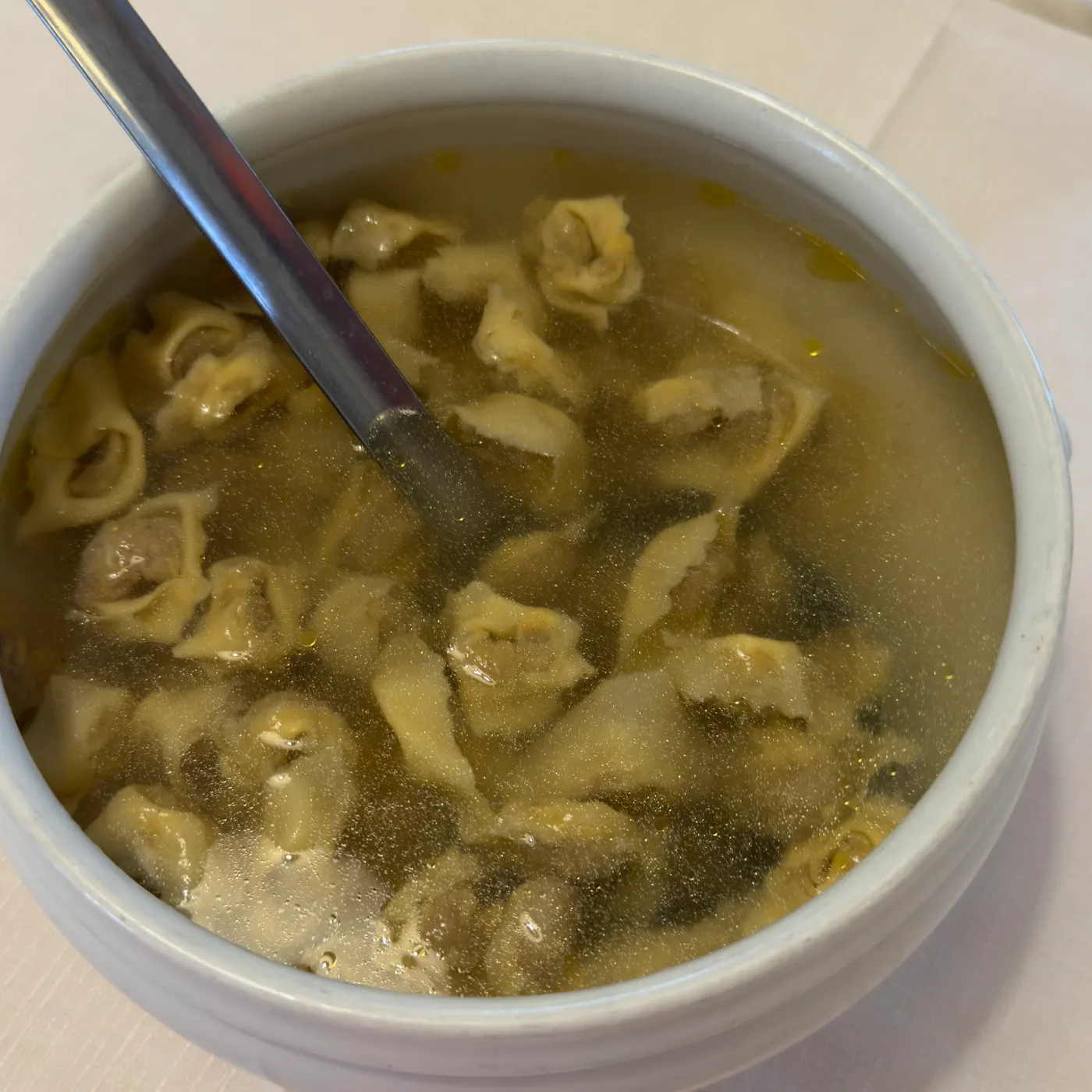
Tortellini in Brodo | Love Knots in Beef and Capon Broth
We began with the dish that Nadia described as one of the great classics of autumn. Tortellini in brodo. The delicate little love knots arrive in a remarkably clear broth made from beef and capon. Nadia explained that the broth is carefully skimmed of fat, leaving it clean and light. The tortellini are the center of attention. That impossibly thin pasta surrounds the carefully prepared meat filling, while the warm broth brings everything together without overwhelming it. Nadia called this a dish that warms the heart. I understand exactly what she means. There is something deeply comforting about a bowl of tortellini in broth. Especially when you know how much history and work have gone into every little knot.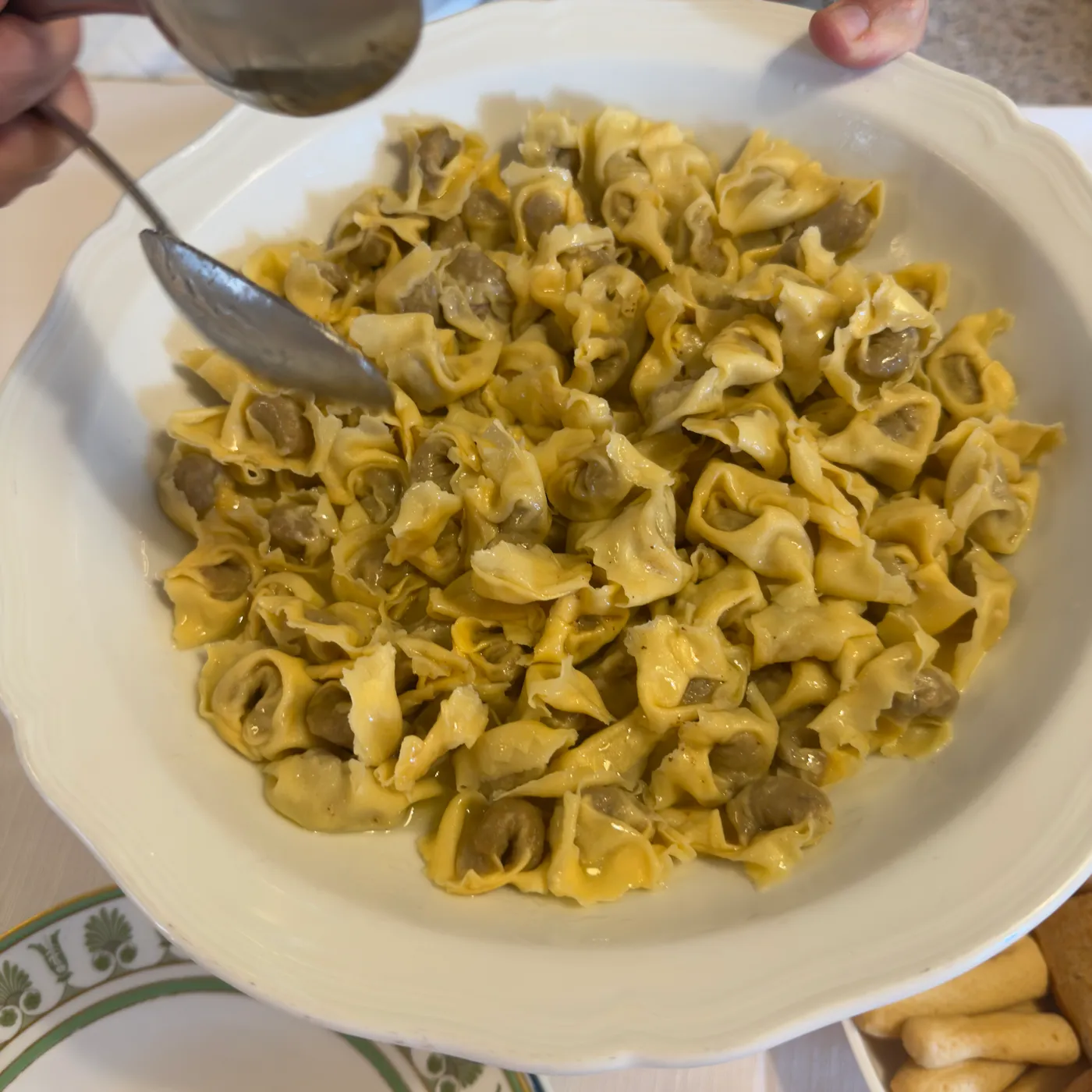
Tortellini Nodi d'Amore al Burro e Salvia | Love Knots with Butter and Sage
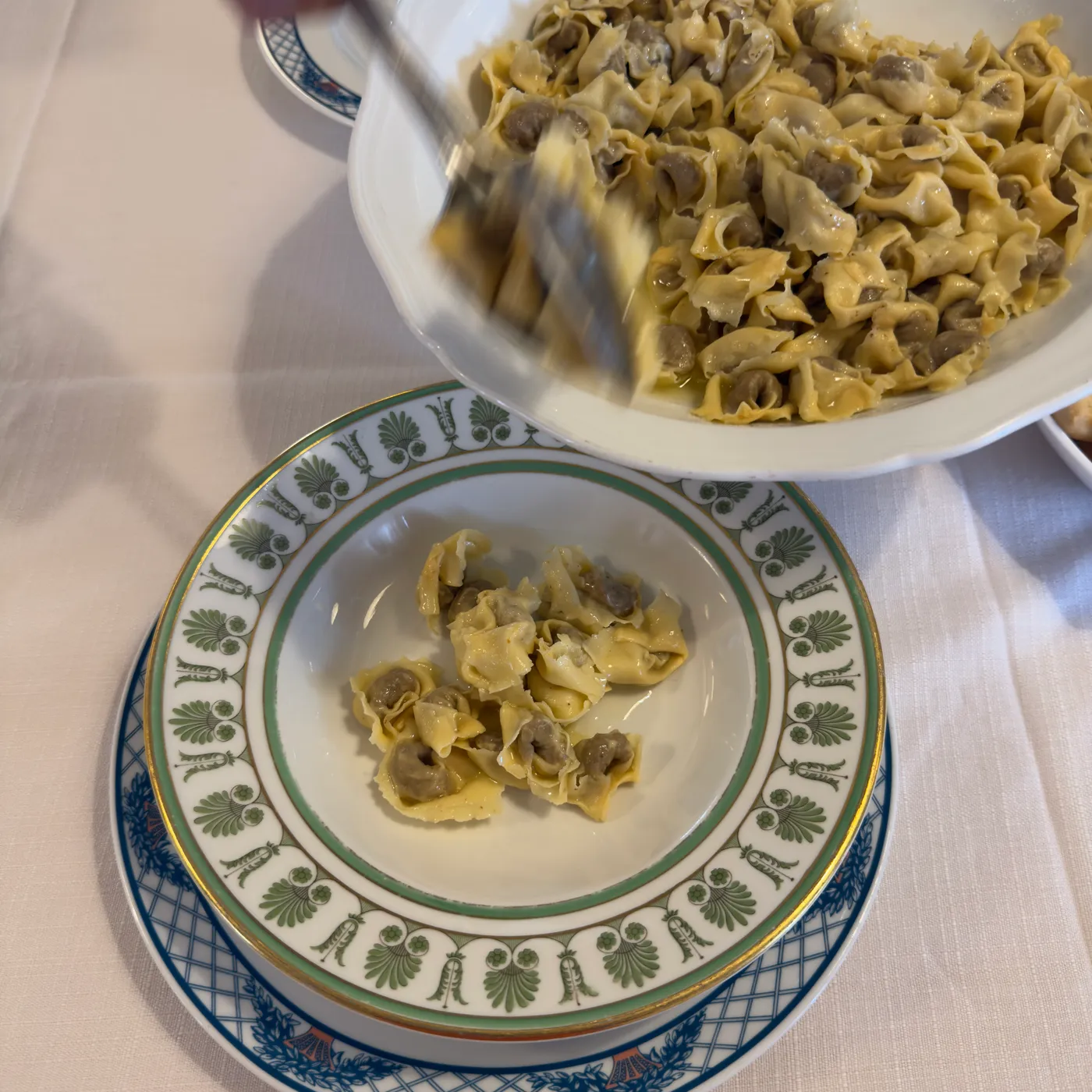
The same delicate tortellini, but an entirely different experience. This time they are dressed simply with butter and sage. No broth. Nothing to distract from the pasta and its filling. Nadia described these tortellini as wonderfully delicate, with the fragrance of sage bringing a livelier aromatic character to the dish. I love how little is needed. A perfectly made tortellino. Butter. Sage. And all the work of the kitchen becomes visible in the simplest possible preparation.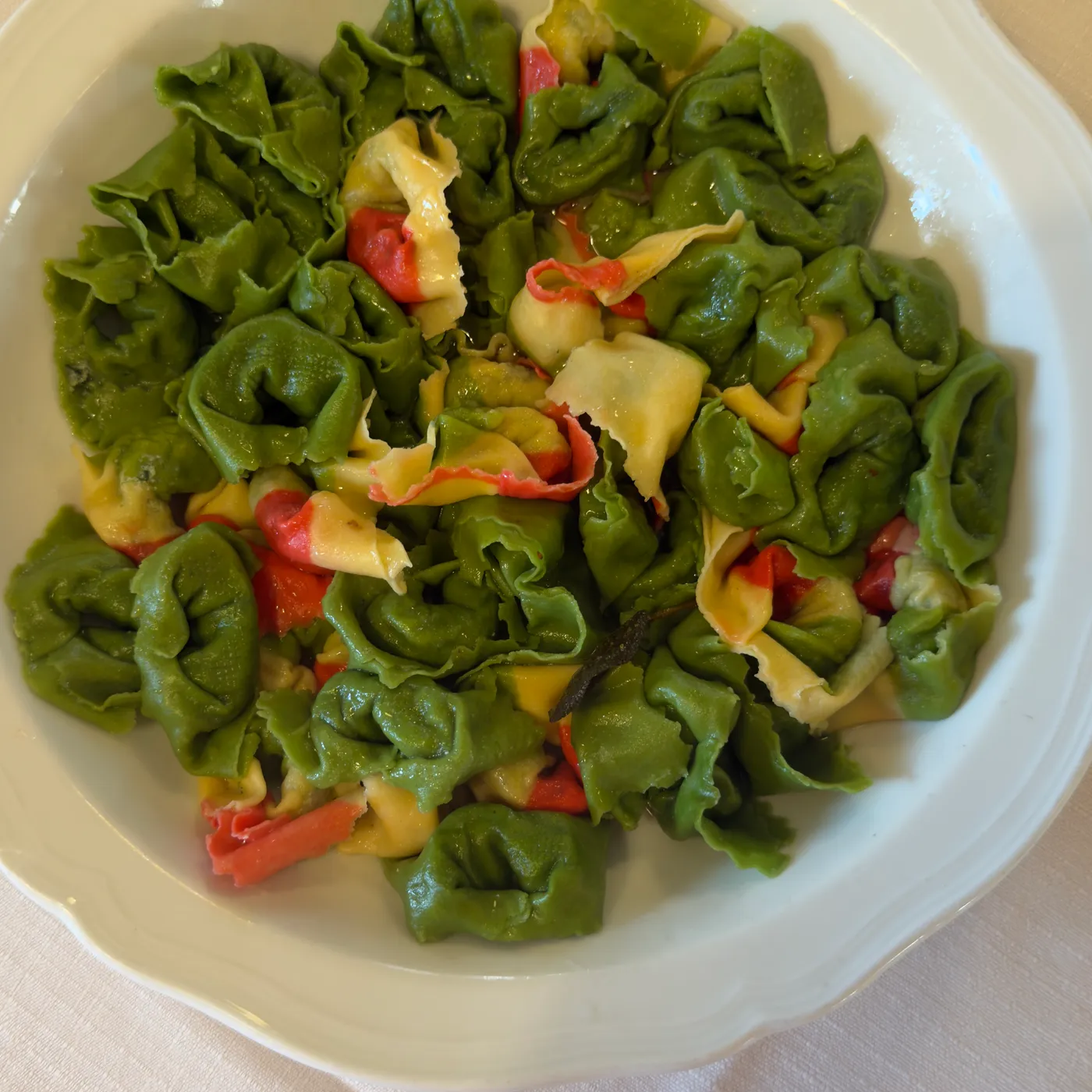
Tortelli Verdi | Spinach Pasta with Ricotta and Robiola
Next came the green tortelli. Nadia explained that the pasta itself is made with spinach and has an almost velvety texture. Inside is a filling of spinach, robiola, and ricotta, with just a touch of nutmeg. And, of course, Grana Padano aged for thirty months. The result is a different expression of Alla Borsa's approach to fresh pasta. Here, the emphasis moves away from meat and toward the combination of greens, fresh cheeses, and the delicacy of the pasta. But the philosophy remains the same. Make the pasta thin enough to let the filling speak.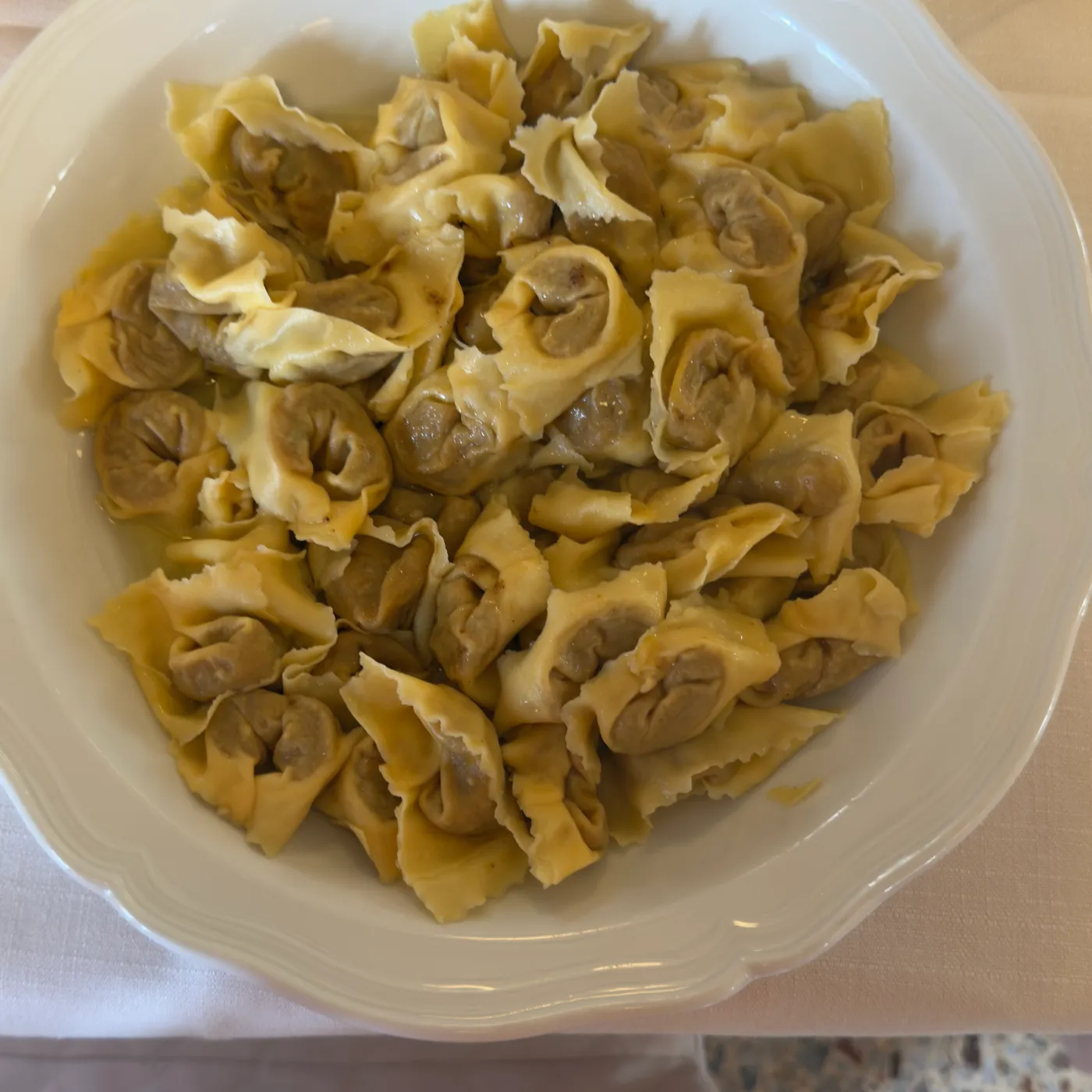
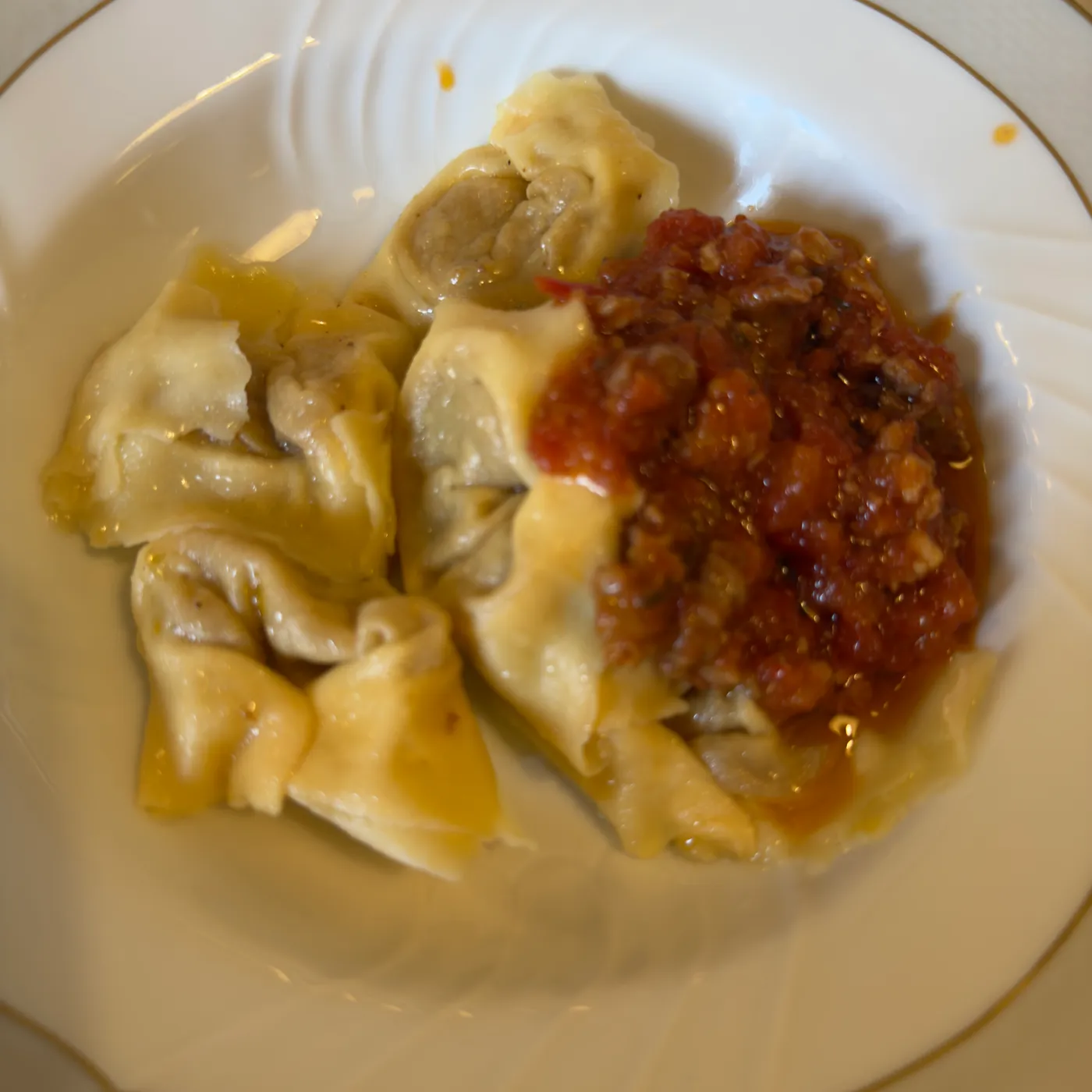
Tortelli di Zucca | Pumpkin Tortelli with Mixed-Meat Ragù
Now this dish absolutely blew my mind. Nadia described it as an autumn classic. The filling combines pumpkin, mostarda, and amaretti. Sweetness, spice, and the distinctive character of the crushed almond biscuits. But instead of serving the tortelli with a simple butter sauce, the kitchen accompanies them with a savory ragù made from mixed meats. And that contrast is extraordinary. The sweetness of the pumpkin filling meets the richness of the meat sauce. Two very different flavors that somehow make each other more interesting. Nadia told us that, for her, this is exactly how these tortelli should be eaten. After tasting them, I wasn't about to argue.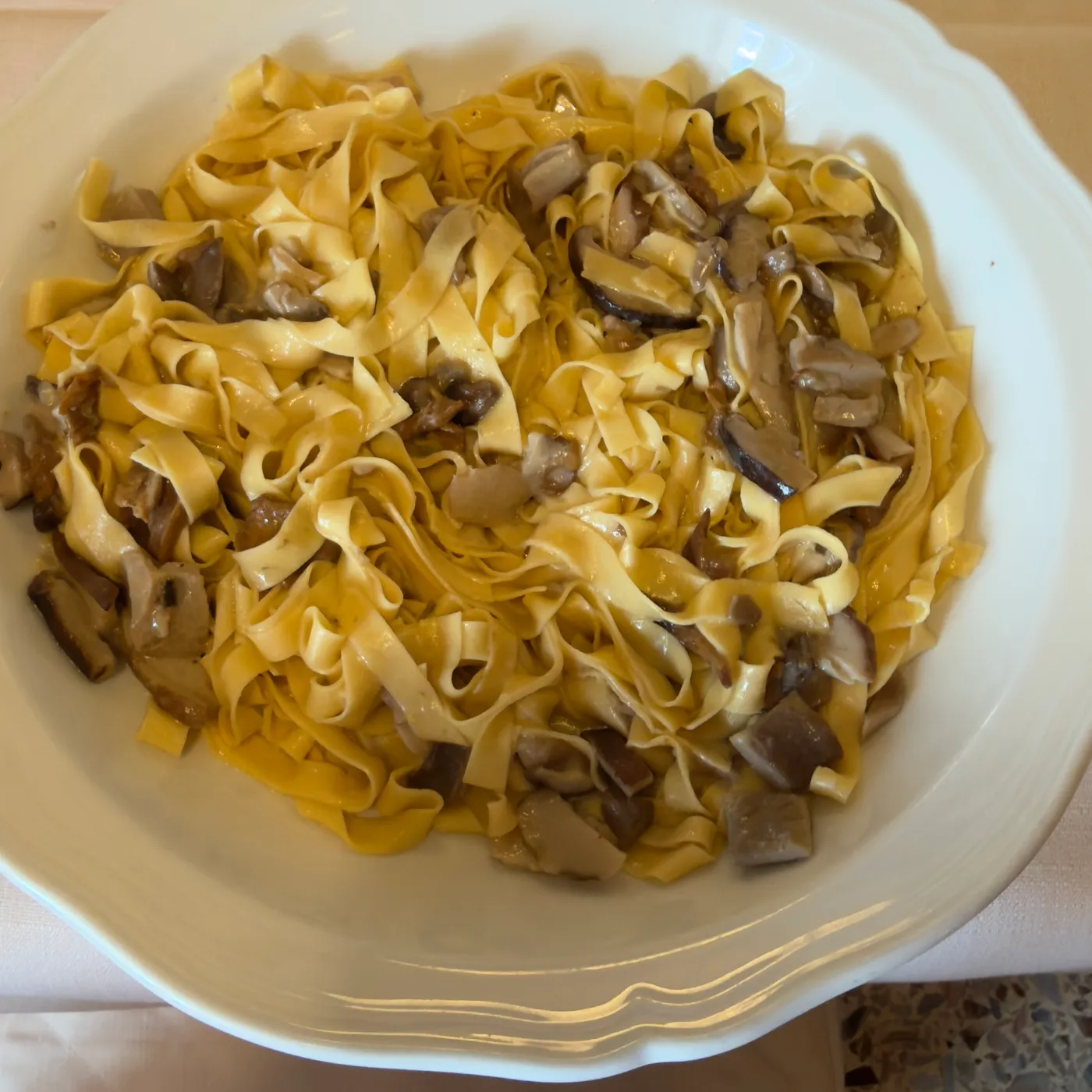
Tagliatelle ai Porcini | Tagliatelle with Porcini Mushrooms from Trentino
Our final savory dish was another celebration of autumn. Tagliatelle with porcini mushrooms. Nadia explained that the porcini come from Trentino. They are gently cooked in olive oil and butter, with sage, a little bay leaf, and a juniper berry. Nothing more complicated than that. And then Nadia told us to lean closer to the plate. To smell it. Because the aroma, she explained, is one of the most important parts of the dish. I love that. A dish that asks you to pay attention before you even take the first bite.Desserts
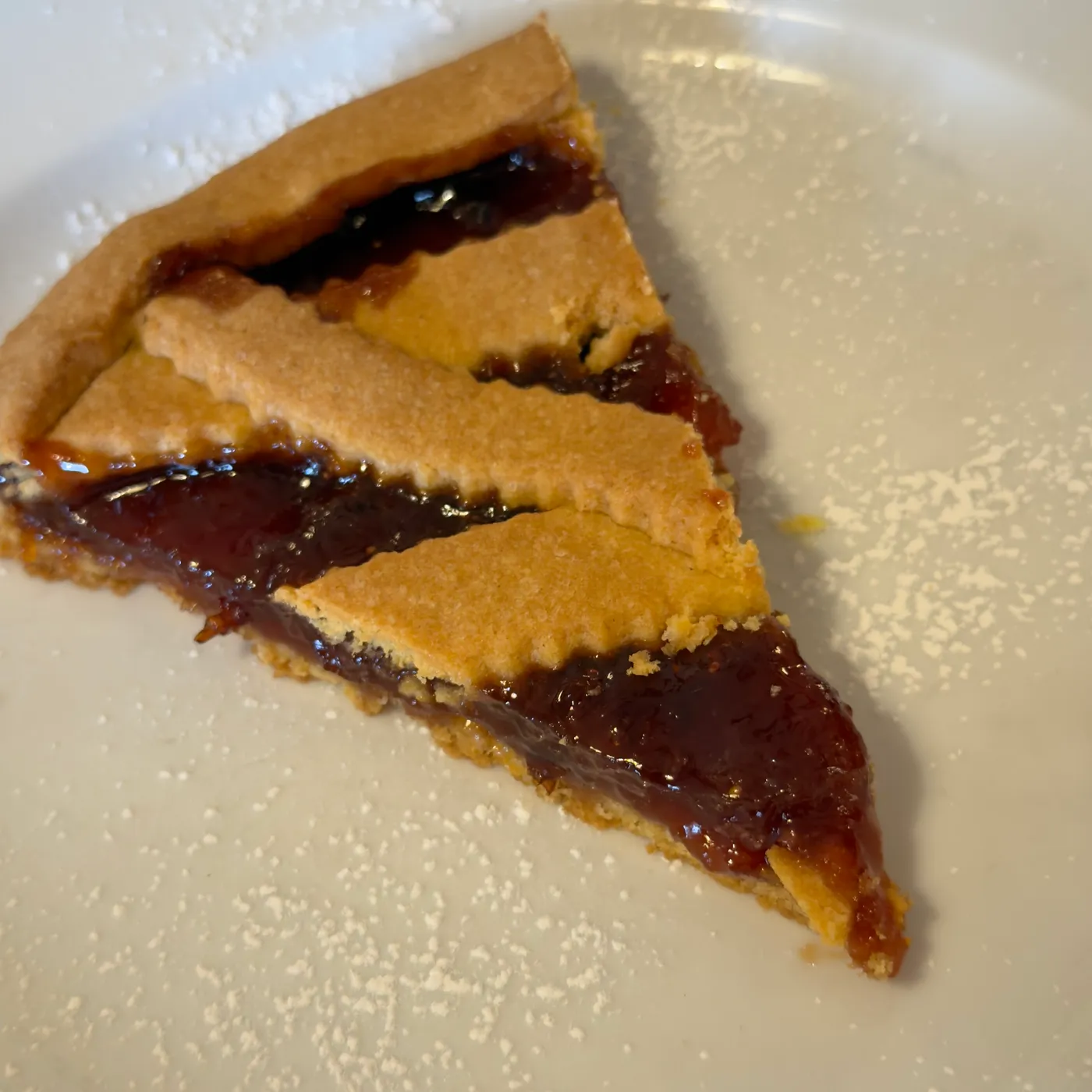
Crostata con Marmellata di Fragole | Strawberry Jam Tart
A traditional tart filled with strawberry jam. Golden pastry, a generous layer of jam, and the familiar lattice of dough across the top. A straightforward dessert that feels entirely at home after a long Italian lunch. The sort of sweet you might hope to find at a family table.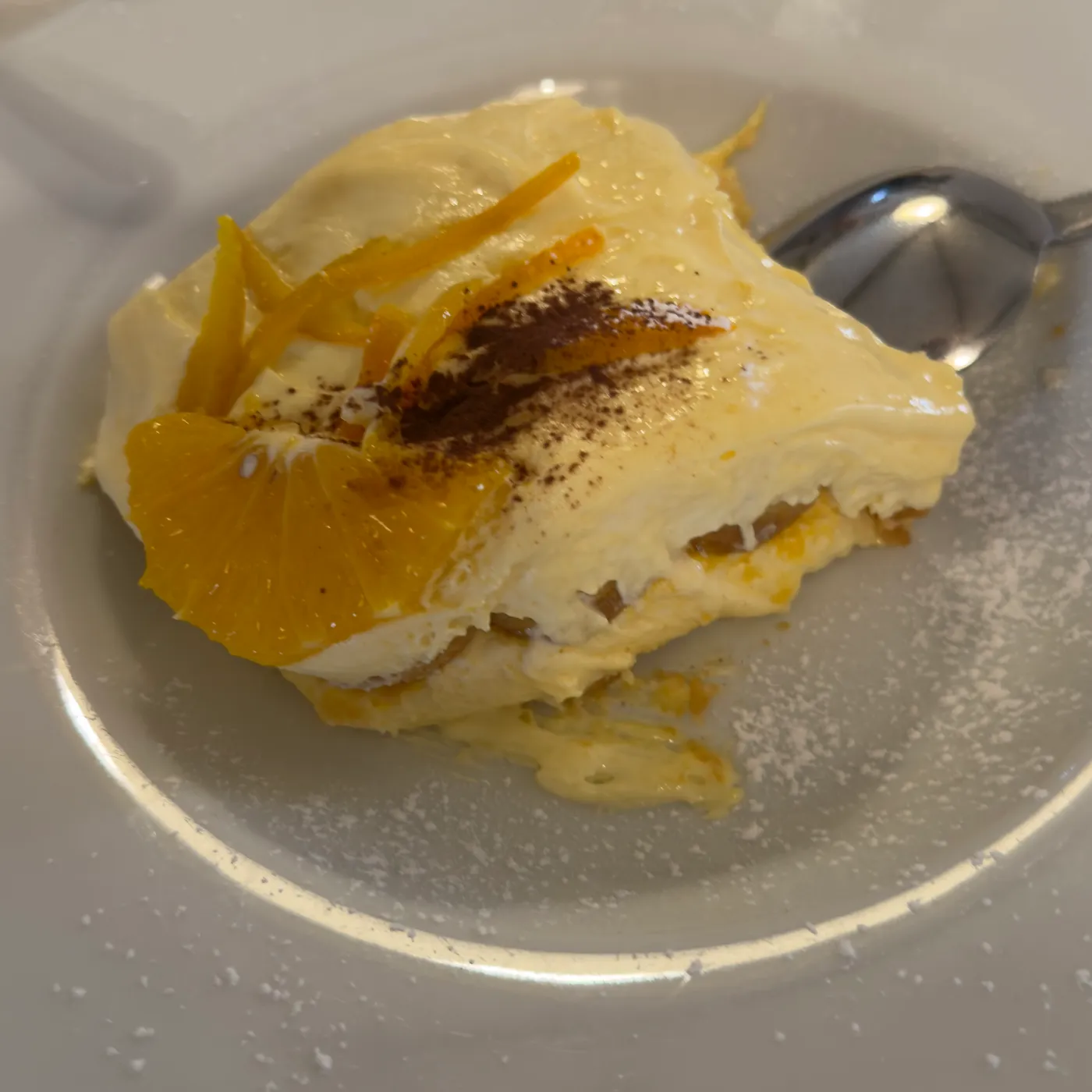
Tiramisù all'Arancio | Orange Tiramisu
Nadia introduced this as one of the new desserts of the autumn season. An orange variation on tiramisu. Our portion arrived with soft layers of cream and orange, finished with a little cocoa and pieces of orange. The citrus element gives a different character to one of Italy's most familiar desserts.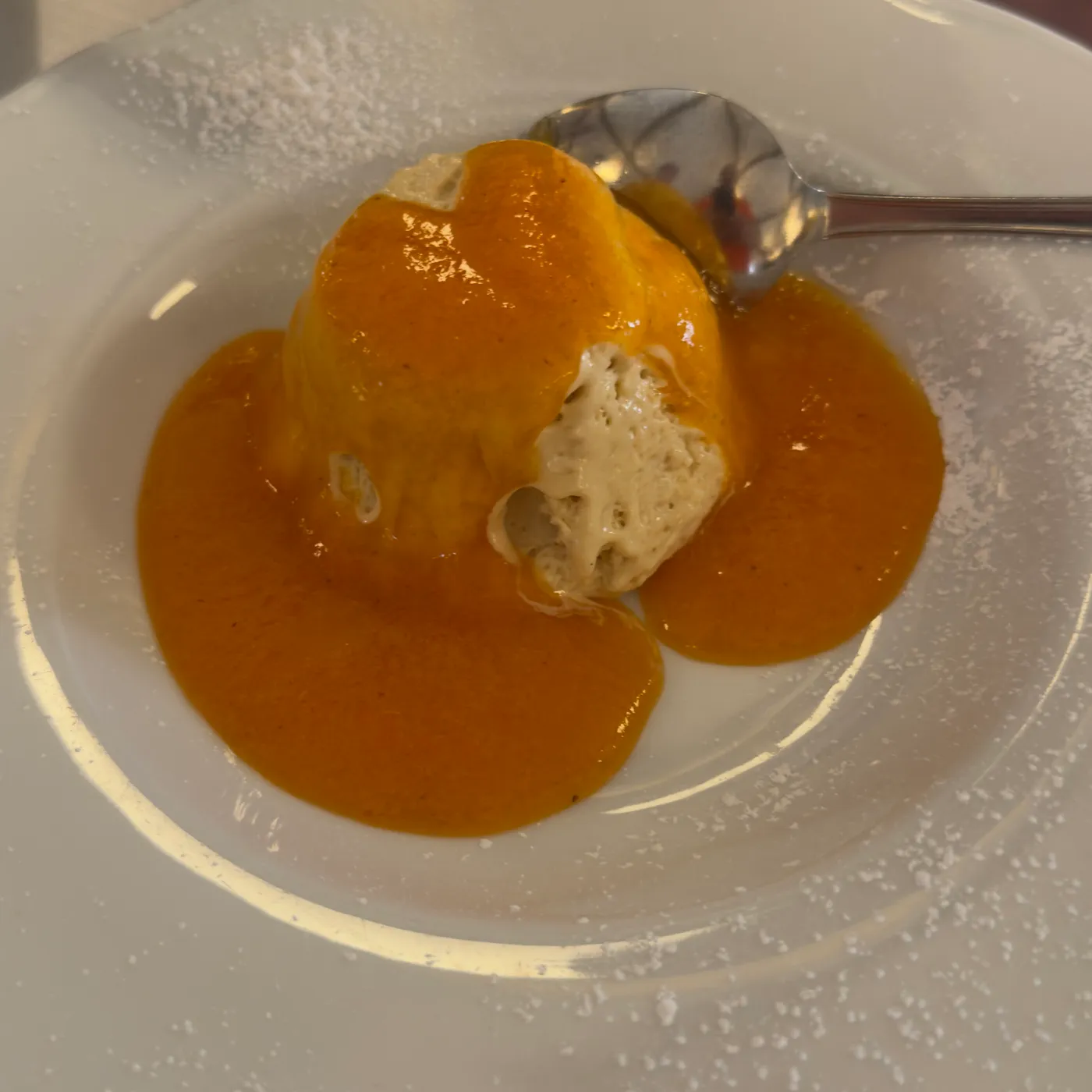
Semifreddo al Marron Glacé con Salsa di Cachi | Candied Chestnut Semifreddo with Persimmon Sauce
A dessert built around two distinctive autumn ingredients. Marron glacé, the candied chestnut, gives the semifreddo its character. It is served with a vivid orange sauce made from persimmons. Nadia called it magnificent. A lovely way to bring the flavors of the season into the final part of the meal.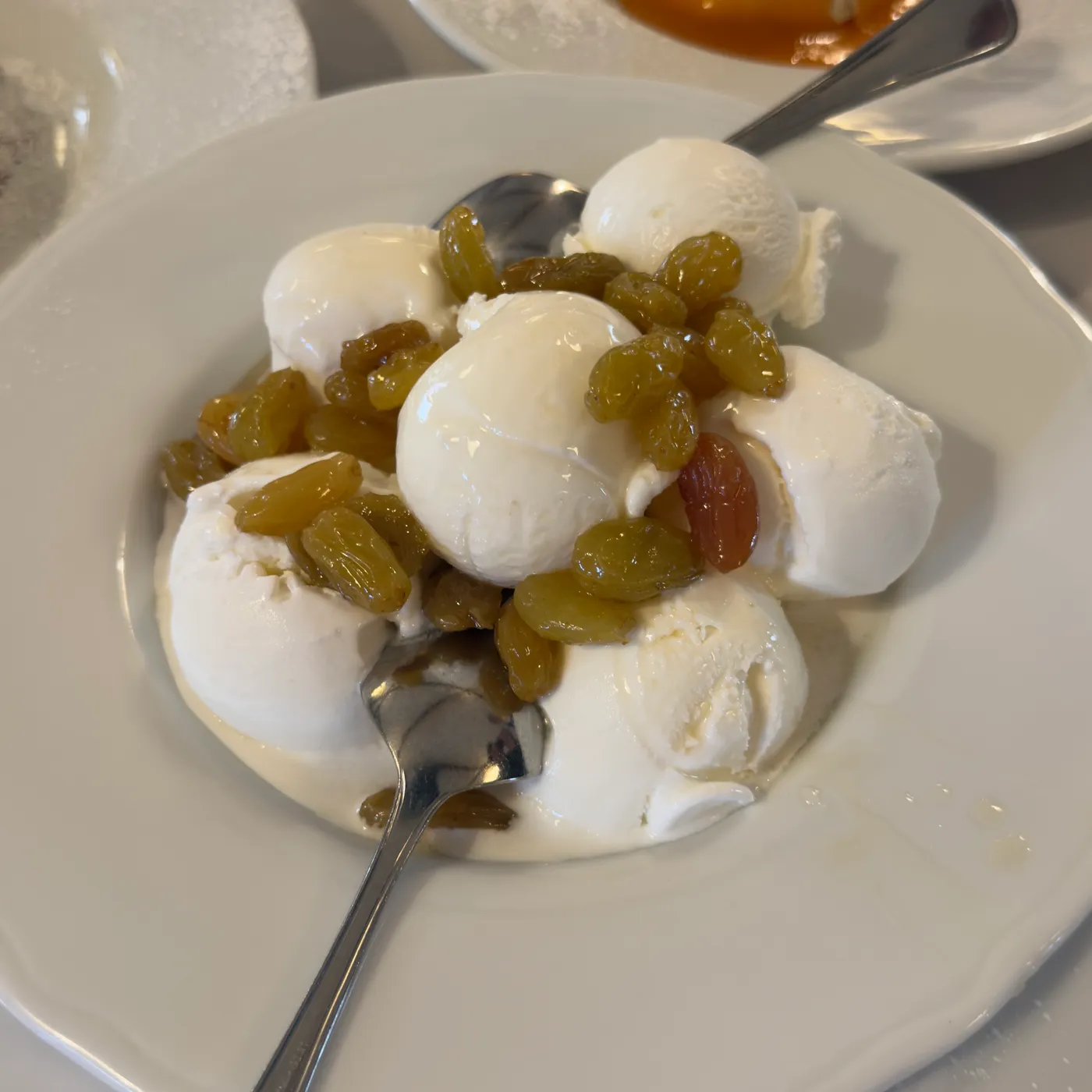
Gelato Spiritoso | Fior di Latte Ice Cream with Liqueur-Soaked Raisins
And finally, a house classic with a mischievous name. Gelato spiritoso. Fior di latte ice cream served with raisins steeped in a special blend of liqueurs. Nadia described the blend as particularly distinctive, without specifying the individual spirits. Our plate arrived with generous scoops of pale ice cream and the golden raisins scattered over and around them. A final little indulgence at the end of our long Saturday lunch.A Final Thought
I've been coming to Alla Borsa for twelve years. And after this lunch, I know I'll keep coming back. There is something extraordinary about people who have devoted their lives to one craft. Not because they want applause. But because they cannot imagine doing it any other way. That's what I recognize at Etxebarri. And that's what I recognize here. The discipline. The repetition. The pride. The love. Nadia told me that the people of Valeggio don't simply want visitors to know what they do. They want people to understand who they are. And I think that is the secret of Alla Borsa. The food isn't separate from the family, the village, or its history. It is all part of the same story. And today, over a long Saturday lunch, we had the pleasure of tasting it. The Etxebarri of Fresh Pasta. I stand by every word.What we drank
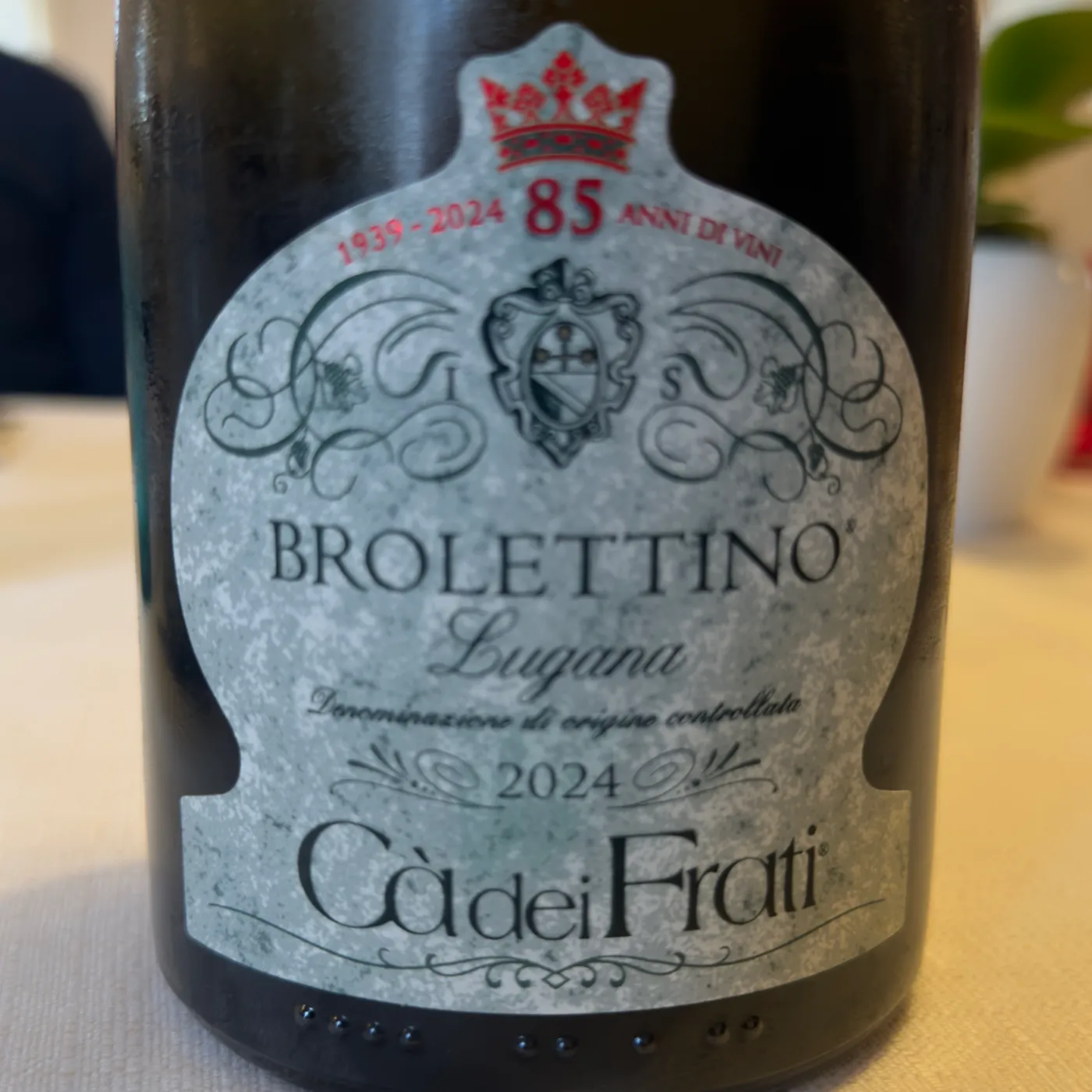
Cà dei Frati Brolettino Lugana 2024 | Lombardy
Made entirely from Turbiana grapes grown near Lake Garda, Brolettino is a structured, oak-aged expression of Lugana.
The 2024 vintage combines aromas of ripe peaches, yellow apples, and fresh balsamic notes with a rounded texture.
Its lively acidity and characteristic savory finish provide freshness and balance, while the wine retains considerable depth and elegance.
Pietro Zardini Hercules Apoteosis Valpolicella Superiore 2018 | Veneto
Made from Corvina, Rondinella, and Molinara, Hercules Apoteosis reflects Pietro Zardini's unusual approach to aging wine.
Following traditional fermentation, it matures in amphorae, oak barrels, and barriques for several years.
The result is a full-bodied Valpolicella with dark fruit, cocoa, vanilla, and spice, combining richness with the distinctive character of its extended maturation.
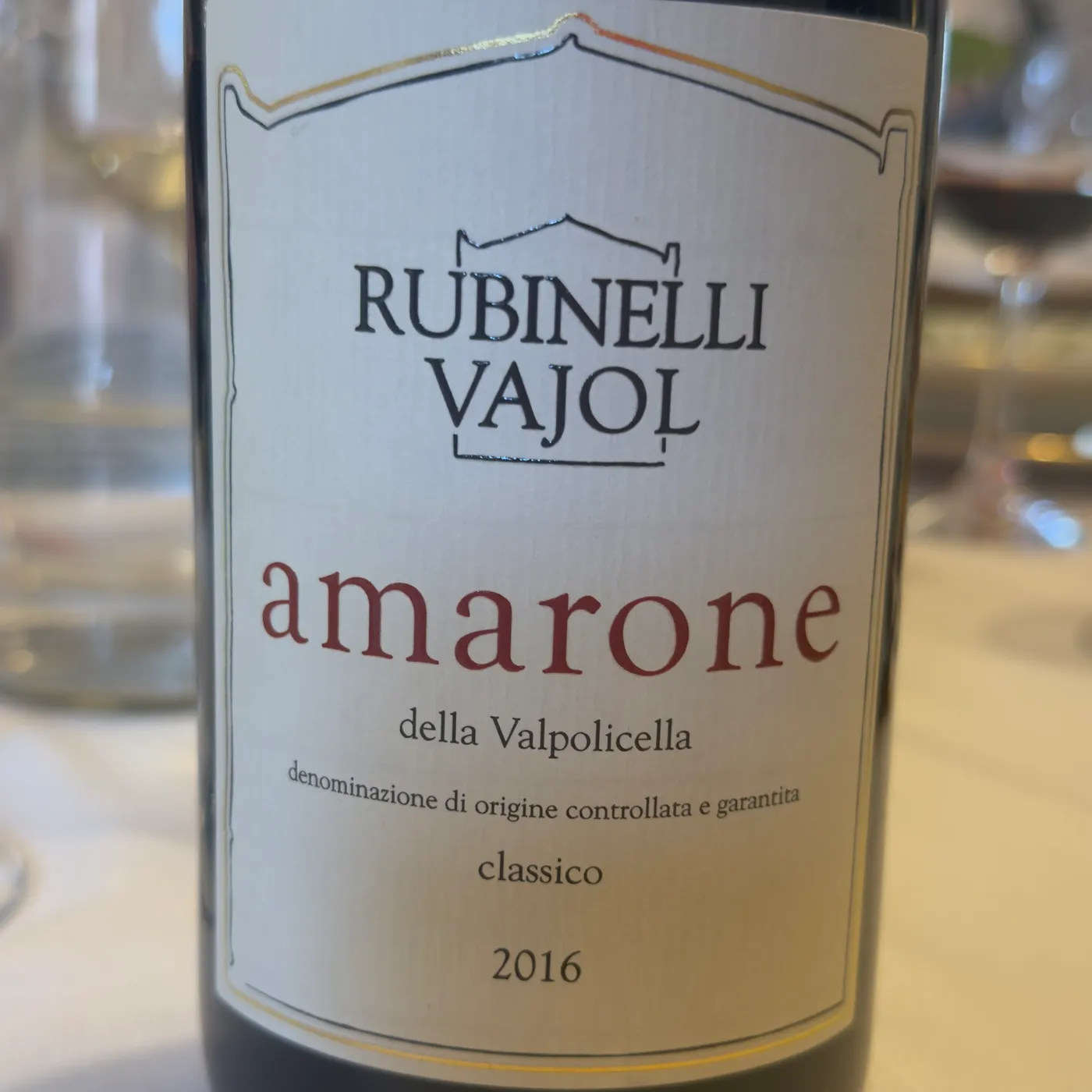
Rubinelli Vajol Amarone della Valpolicella Classico 2016 | Veneto
Produced from five traditional Valpolicella varieties, including Corvina and Corvinone, this Amarone begins with carefully selected grapes dried for several months before fermentation.
The 2016 vintage offers ripe cherries, blueberries, orange peel, tobacco, and dark chocolate.
Full-bodied yet balanced, it combines velvety warmth, refined tannins, and freshness, followed by a long, gently spiced finish.