Maeda
Wed, Sep 30, 2026
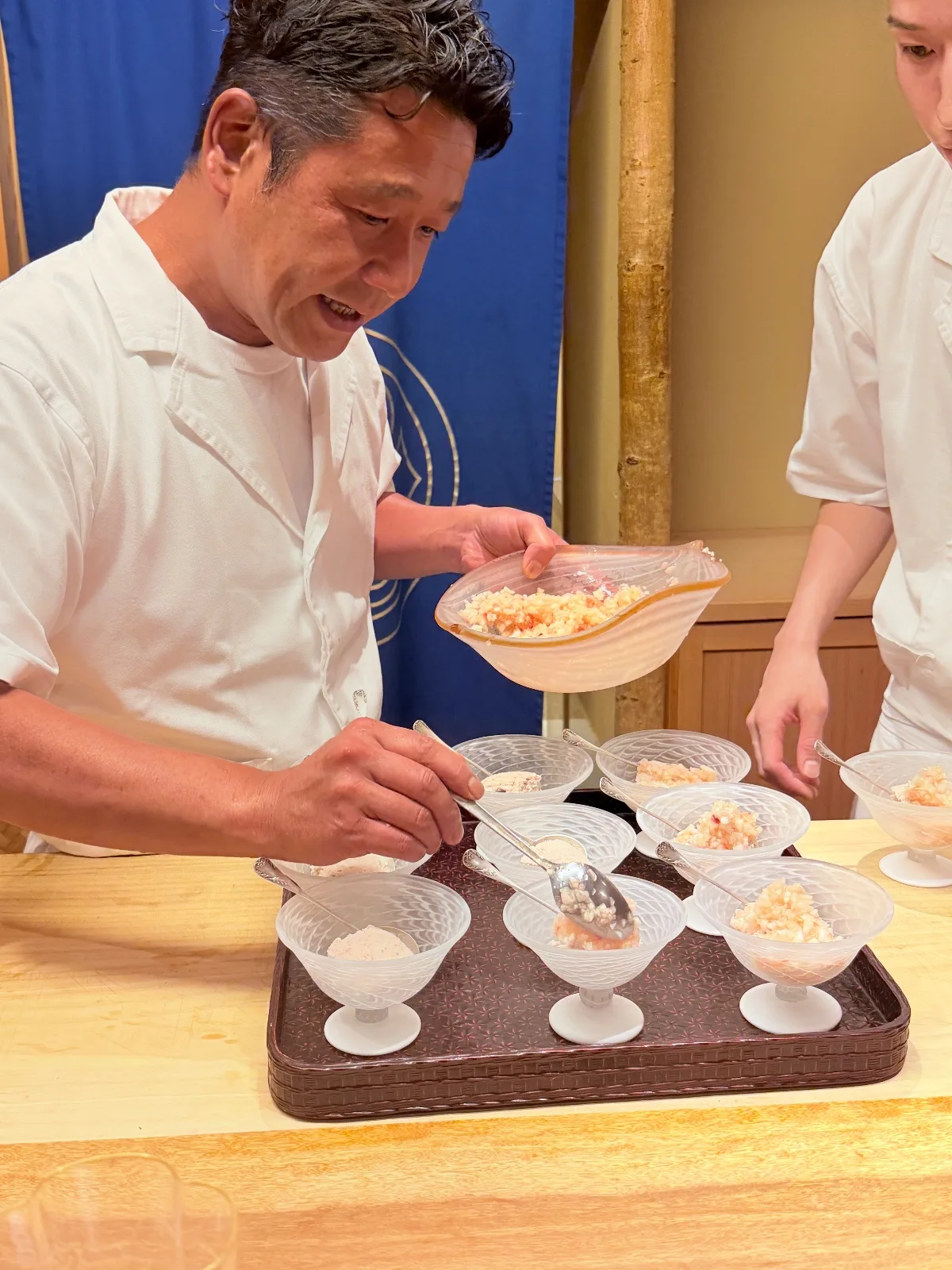
Maeda | The Quiet Brilliance of Kyoto's Three-Michelin-Starred Master
Hidden along the historic streets of Gion, Maeda is one of Kyoto's most extraordinary dining experiences, a place where centuries of Japanese culinary tradition meet the personality, precision and remarkable sensitivity of chef Yujiro Maeda.
Before opening his own restaurant in 2013, Maeda-san was the head chef at Sakuragawa, another celebrated Kyoto restaurant. Today, he welcomes guests around an intimate ten-seat counter fashioned from a single piece of cherry wood, where the entire evening unfolds just a few feet from his hands.
What makes Maeda so special is his ability to honor the classical foundations of Kyoto cuisine while allowing his own personality to shine through.
His cooking is deeply seasonal, but never predictable. Traditional preparations sit comfortably alongside unexpected combinations, delicate acidity and moments of wonderful generosity.
And unlike the almost ceremonial seriousness sometimes associated with great Japanese restaurants, Maeda-san brings warmth, confidence and a wonderfully engaging presence to the counter.
There are no photographs of the food from our evening, respecting the restaurant's no-photography policy. But the absence of pictures only makes the memories more precious.
Our dinner took place at that magical moment when summer gives way to autumn.
Beautiful chestnuts, roe-filled ayu, fragrant matsutake mushrooms, delicate fish, magnificent wagyu and the comforting depth of perfectly prepared dashi.
Each dish seemed to capture another expression of the changing season.
What I particularly love about Maeda is that his cooking never feels like a demonstration of technique. The skill is extraordinary, but it is always in service of the ingredients and the pleasure of the guests.
And sitting at the counter, watching Maeda-san work, you begin to understand why this restaurant occupies such a special place in Kyoto's gastronomic world.
For me, the greatest Japanese meals are not necessarily the most elaborate.
They are the ones where the chef's personality, the ingredients and the season come together so naturally that everything feels exactly as it should.
Maeda is one of those rare places.
An unforgettable evening in Kyoto, with no photographs of the dishes, but memories that will stay with me for a very long time.
What we ate
Kuri no Dashi-ni Age | Dashi-Simmered Chestnut, Fried Tempura-Style
A beautiful expression of early autumn in Kyoto.
The chestnut is first gently simmered in dashi, allowing its natural sweetness and delicate nuttiness to absorb the savory depth of the broth.
Then comes the unexpected transformation. Deep-fried tempura-style, the chestnut develops a delicate golden exterior while preserving its tender, almost creamy heart.
The contrast is wonderful. A gentle crunch followed by the comforting sweetness of chestnut and the subtle umami of dashi.
A humble seasonal ingredient, elevated through patience and precision.
A lovely opening to our autumn journey at Maeda.
Komochi Ayu no Nanbanzuke | Roe-Filled Sweetfish, Simmered and Marinated in Sweet Vinegar
One of the great seasonal delicacies of Japan's rivers.
As autumn approaches, female ayu develop their precious roe, transforming the delicate summer sweetfish into something richer and more complex.
At Maeda, the roe-filled ayu is gently cooked before being prepared nanbanzuke-style, with a sweet-and-sour vinegar marinade.
The result brings together the distinctive character of ayu, the richness of its roe and the refreshing acidity of the marinade.
Nanbanzuke is one of those wonderful Japanese preparations where vinegar doesn't simply preserve or season an ingredient. It creates balance, brightness and an entirely new dimension of flavor.
A beautiful reminder that the changing seasons transform not only the ingredients themselves, but also the way Japanese chefs choose to prepare them.
Ichijiku, Goma Cream to Yuba | Fig with Sesame Cream and Tofu Skin
A wonderfully delicate meeting of fruit, nuts and one of Kyoto's most traditional ingredients.
Fresh autumn fig brings its gentle sweetness, soft texture and subtle floral character.
Alongside it, a rich sesame cream introduces a beautifully rounded, nutty flavor, while delicate yuba, the silky skin formed on the surface of heated soy milk, adds another layer of texture.
Yuba has been treasured in Kyoto for centuries, closely associated with the city's Buddhist culinary traditions.
The combination is fascinating. Sweet fruit, savory sesame and the quiet elegance of tofu skin.
A dish that captures something I particularly love about Japanese cuisine: the ability to create extraordinary complexity from ingredients that seem almost impossibly simple.
Sabazushi | Kyoto-Style Mackerel Sushi
One of Kyoto's great culinary traditions.
Long before modern refrigeration, mackerel was carried from the Sea of Japan to Kyoto along the historic Saba Kaido, the Mackerel Road.
Preserving the fish with salt and vinegar made it possible to enjoy this prized seafood far from the coast, eventually giving rise to Kyoto's celebrated sabazushi.
At Maeda, the rich, flavorful mackerel meets carefully seasoned sushi rice, bringing together the natural oils of the fish and the gentle acidity that makes this preparation so satisfying.
Unlike delicate nigiri, sabazushi has a more substantial, deeply comforting character.
A beautiful connection to Kyoto's history, and a reminder that some of Japan's greatest dishes were born from the practical challenges of another era.
Tachiuo no Shioyaki | Grilled Beltfish
Tachiuo is one of Japan's most beautiful and distinctive fish, its long, ribbon-like body covered in brilliant silver skin.
Despite its delicate appearance, the flesh is surprisingly rich, with a wonderful balance of natural sweetness and savory depth.
Grilling brings out its finest qualities, gently caramelizing the exterior while preserving the tender, moist flesh beneath.
The contrast between the lightly roasted surface and the delicate white meat makes tachiuo particularly rewarding when prepared over fire.
What I love about a dish like this is its absolute simplicity.
When the fish is exceptional and the cooking precise, there is very little else to do.
Just another beautiful expression of Maeda-san's respect for the ingredient.
Matsutake Gohan | Rice with Japanese Pine Mushrooms
Few ingredients announce the arrival of autumn in Japan quite like matsutake.
These extraordinary pine mushrooms are treasured above all for their distinctive fragrance, an aroma that evokes damp forests, pine needles and the changing seasons.
At Maeda, matsutake becomes the centerpiece of one of Kyoto's most beloved autumn preparations.
Rice and mushrooms are cooked together, allowing the fragrance of the matsutake to permeate every grain.
The pleasure is not in richness or elaborate seasoning, but in the delicate relationship between the rice and the mushroom's remarkable aroma.
For me, matsutake rice is one of the most beautiful expressions of Japanese seasonality.
A few simple ingredients, an extraordinary fragrance and the unmistakable feeling that autumn has arrived.
Ikura Gohan | Rice with Salmon Roe
A magnificent little celebration of one of Japan's most beloved autumn treasures.
Fresh salmon roe, or ikura, arrives in beautiful translucent orange pearls, each containing a burst of rich, intensely savory marine flavor.
Served over warm Japanese rice, the contrast is irresistible.
The gentle sweetness and warmth of the rice meet the cool, delicate texture of the roe, creating a wonderful balance between land and sea.
As the pearls burst, their concentrated flavor mingles with the rice, transforming something wonderfully simple into an extraordinary little dish.
For me, this is one of the great pleasures of Japanese cooking.
Perfect rice, exceptional roe and absolutely nothing unnecessary.
Shiro Amadai to Matsutake no Owan | Clear Soup with White Tilefish and Matsutake
One of the most refined expressions of Japanese cuisine, and a beautiful demonstration of the importance of dashi.
Shiro amadai, the prized white tilefish, is celebrated for its delicate sweetness, elegant texture and exceptionally refined flavor.
Alongside it, fragrant matsutake introduces the unmistakable aroma of autumn.
Both are brought together in an owan, the traditional lidded soup bowl that occupies such an important place in kaiseki cuisine.
The beauty lies in the clarity of the broth.
Rather than competing with the fish and mushrooms, the dashi gently connects their flavors, allowing each ingredient to express itself.
For me, a truly great owan is one of the most revealing tests of a Japanese chef's sensitivity.
A few ingredients, a clear broth and an entire philosophy of cooking contained in one bowl.
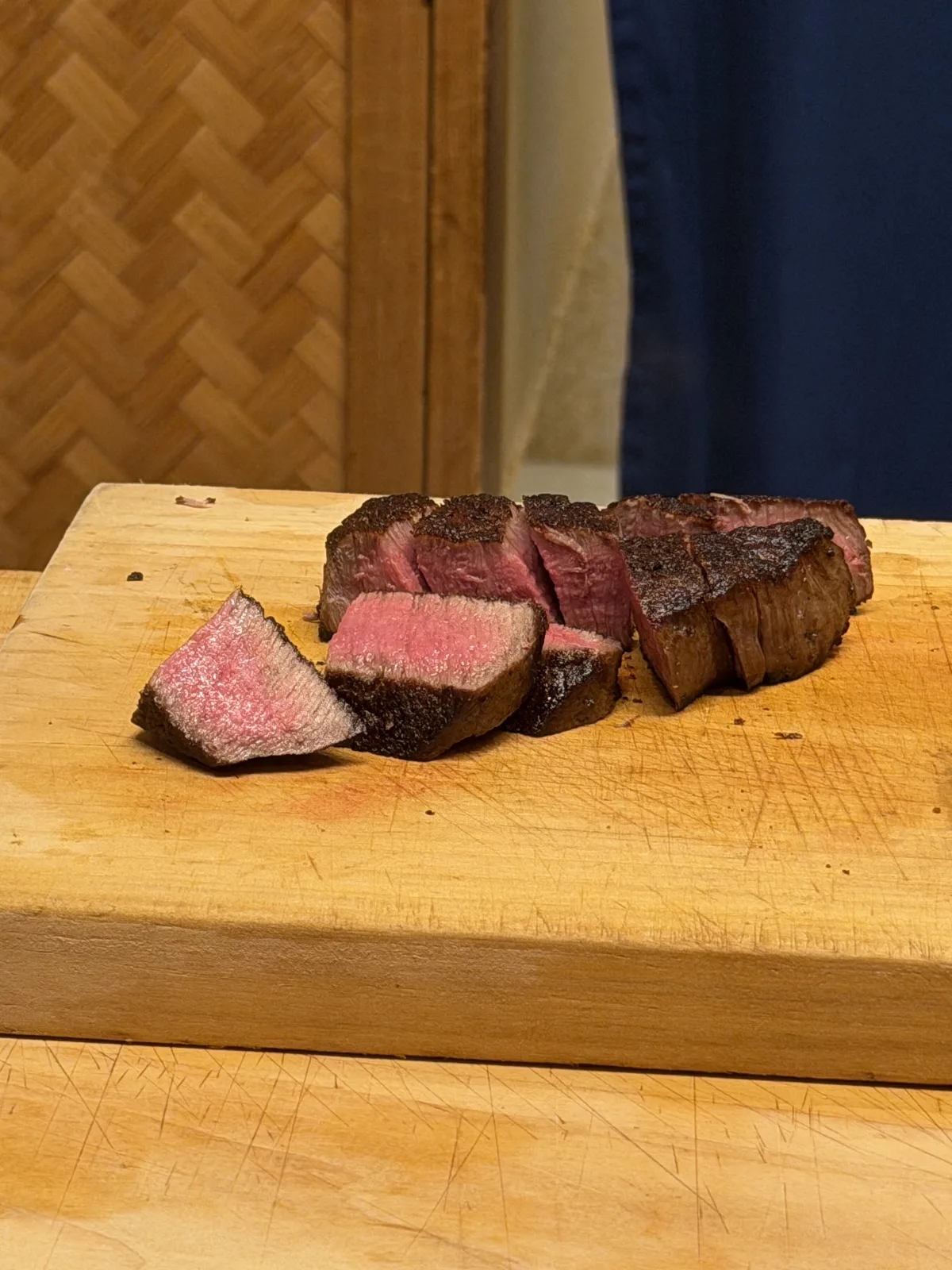
Wagyu no Sumibiyaki | Grilled Japanese Wagyu
A magnificent expression of Japanese beef, and a beautiful reminder that great cooking often requires remarkably little intervention.
At Maeda, a thick cut of wagyu is carefully grilled, developing a deeply caramelized, almost crusty exterior while preserving a wonderfully rosy, succulent center.
The beef is first presented on the cutting board, its extraordinary texture revealed as Maeda-san slices through the beautifully cooked meat.
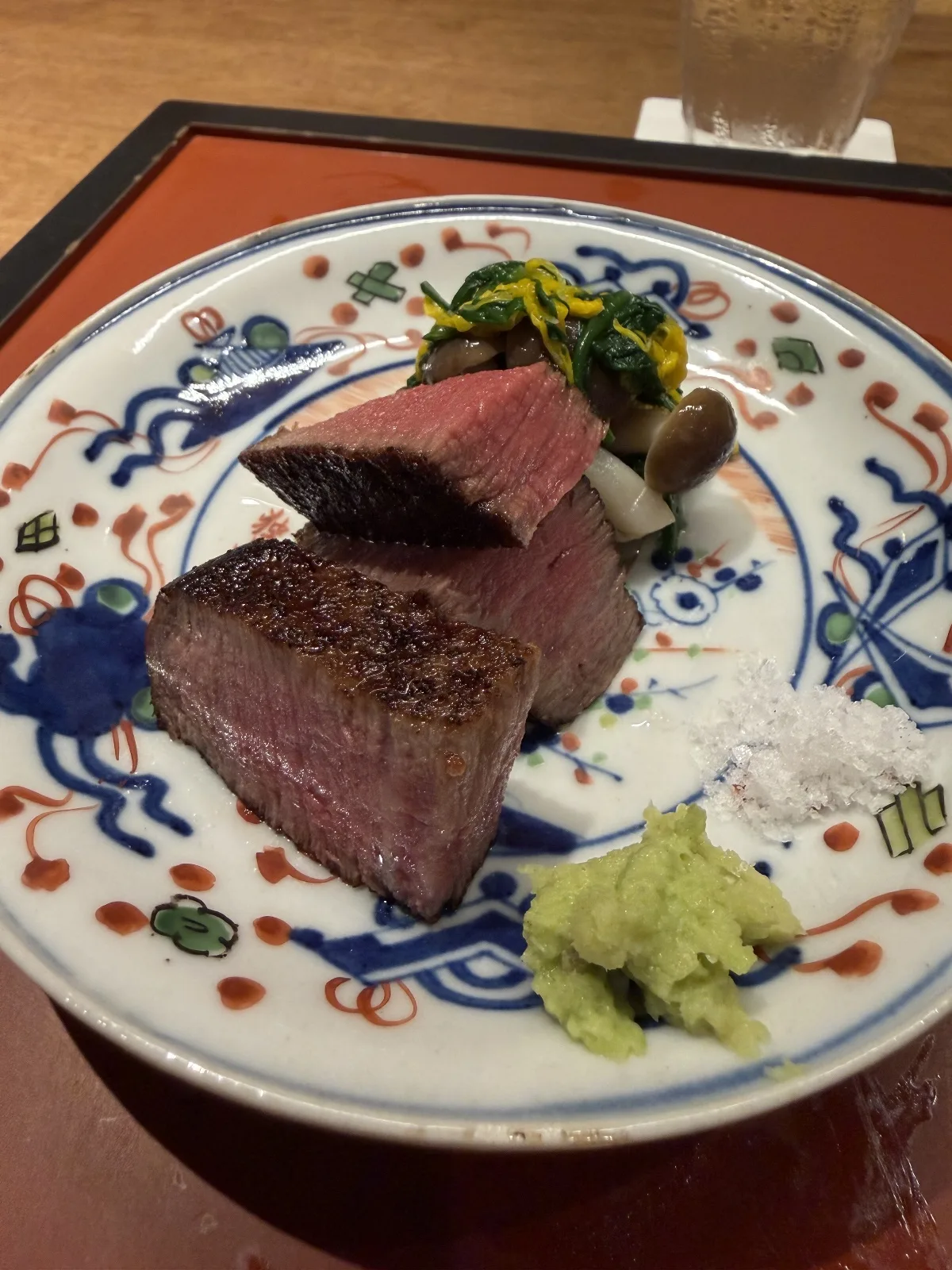
Then it arrives on a lovely traditional porcelain plate, accompanied by fresh wasabi, salt and a delicate arrangement of seasonal vegetables and mushrooms.
The contrast is irresistible. The rich, savory crust gives way to tender, juicy flesh, while the sharp freshness of wasabi and the clean seasoning of salt allow the natural flavor of the beef to shine.
What I particularly love is the restraint.
No elaborate sauce, no unnecessary embellishment. Just magnificent wagyu, precise cooking and the quiet confidence of a chef who understands his ingredients completely.
A wonderful moment in an extraordinary Kyoto dinner.
Wagyu Donburi with Pickles and Garlic | Japanese Beef Rice Bowl
A wonderfully comforting continuation of the wagyu experience.
Tender, richly flavored Japanese beef is served over rice, bringing together the savory juices of the meat and the gentle sweetness of perfectly cooked grains.
Garlic introduces a more assertive aromatic character, while Japanese pickles provide the refreshing acidity and crunch needed to balance the richness.
The combination is deeply satisfying.
There is something particularly charming about encountering a dish as familiar and comforting as donburi in the middle of such an extraordinary kaiseki meal.
It reminds us that Japanese gastronomy is not only about refinement and restraint.
Sometimes, the greatest pleasure is simply a magnificent bowl of beef and rice.
Oden of Fried Tofu, Yam and Pumpkin | Three Autumn Ingredients Simmered in Dashi
A beautiful expression of Japanese comfort cooking.
Oden is traditionally a collection of ingredients slowly simmered in a savory broth, allowing each to absorb the gentle depth of dashi while preserving its own character.
At Maeda, three ingredients create a particularly lovely autumn combination.
Fried tofu brings a satisfying richness and a wonderfully absorbent texture.
Yam contributes its distinctive, comforting character, while pumpkin introduces natural sweetness and a soft, delicate texture.
Together, they form a quiet celebration of seasonal vegetables and the extraordinary versatility of dashi.
What I love about Japanese simmered dishes is their apparent simplicity.
The technique is gentle, but achieving the right balance of texture, seasoning and flavor requires enormous sensitivity.
A deeply comforting little chapter in our meal.
Tai to Aka Uni no Otsukuri | Sea Bream and Red Sea Urchin Sashimi
Two magnificent treasures of Japanese seafood, brought together in a beautiful contrast of texture and flavor.
Tai, or Japanese sea bream, is prized for its delicate white flesh, elegant sweetness and wonderfully clean taste.
Aka uni, the celebrated red sea urchin, offers an entirely different experience.
Rich, creamy and deeply marine, with a lingering sweetness that makes exceptional uni one of Japan's most extraordinary delicacies.
Together, they create a fascinating balance.
The gentle firmness of the tai contrasts with the melting texture of the uni, while the clean character of the fish allows the sea urchin's richness to shine.
For me, this is one of the great pleasures of Japanese sashimi.
Two exceptional ingredients, each making the other even more beautiful.
Unagi with Citrus Sauce and Wasabi Cucumber | Grilled Freshwater Eel
A magnificent expression of one of Japan's most beloved delicacies.
Unagi is celebrated for its rich, succulent flesh and the extraordinary transformation that takes place when it meets the grill.
The exterior develops a beautifully caramelized character while the flesh beneath remains wonderfully tender and rich.
At Maeda, a citrusy sauce brings freshness and brightness, cutting through the natural richness of the eel.
Alongside it, a cucumber salad with wasabi introduces crisp texture, gentle heat and another refreshing contrast.
The combination is wonderfully balanced.
Richness, acidity, sweetness, freshness and a delicate touch of spice.
What I particularly love is how the accompanying flavors allow the unagi to remain the star without becoming overwhelming.
A beautiful example of Maeda-san's understanding of balance.
Nishin to Nasu no Dashi-zuke | Marinated Herring with Eggplant and Dashi
A deeply traditional combination that brings together the rich character of herring and the gentle, absorbent texture of Japanese eggplant.
Herring, or nishin, has a long history in Kyoto's culinary culture, where preserved fish became an important source of flavor in a city far from the sea.
Eggplant is particularly well suited to these preparations, absorbing the savory depth of dashi while retaining its own delicate sweetness.
At Maeda, the marinated herring and eggplant create a beautiful interplay of richness, softness and gentle acidity.
This is the kind of Japanese cooking that can appear almost humble at first glance.
But behind the simplicity lies an extraordinary understanding of how ingredients interact.
A wonderful reminder that some of Kyoto's most compelling flavors are rooted in its everyday culinary traditions.
Katsuo with Dashi Jelly, Karashi and Fried Garlic | Bonito with Mustard and Crispy Garlic
A fascinating combination of bold flavors and delicate Japanese technique.
Katsuo, or bonito, is one of the defining fish of Japanese cuisine, celebrated for its deep, savory character and its essential role in the production of katsuobushi, the dried bonito flakes used in traditional dashi.
At Maeda, the fish is paired with a delicate dashi jelly, bringing another expression of bonito's extraordinary umami.
Karashi, Japanese mustard, introduces a sharp, lively heat, while fried garlic adds crunch and a warm, savory aroma.
The combination is remarkable.
The richness of the fish, the delicate depth of the jelly, the pungency of mustard and the aromatic crunch of garlic all work together without overwhelming one another.
For me, this is a particularly beautiful example of how Japanese cooking can be both refined and wonderfully expressive.
Azuki An | Warm Sweet Red Bean Paste
A gentle, comforting ending to an extraordinary autumn dinner.
Azuki beans have been part of Japanese confectionery traditions for centuries, transformed through slow cooking into an, the sweet bean paste used in countless traditional wagashi.
Served warm, the paste offers a soft, comforting texture and a delicate sweetness, with the natural earthy character of the beans still beautifully present.
After a meal of extraordinary fish, fragrant mushrooms, rich wagyu and deeply savory dashi, this simple preparation feels particularly appropriate.
Nothing elaborate, nothing theatrical.
Just the warmth of sweet azuki beans and the quiet satisfaction of a meal coming to its natural conclusion.
For me, there is something deeply beautiful about ending a great Japanese dinner this way.
A final moment of simplicity, warmth and gratitude.
What we drank
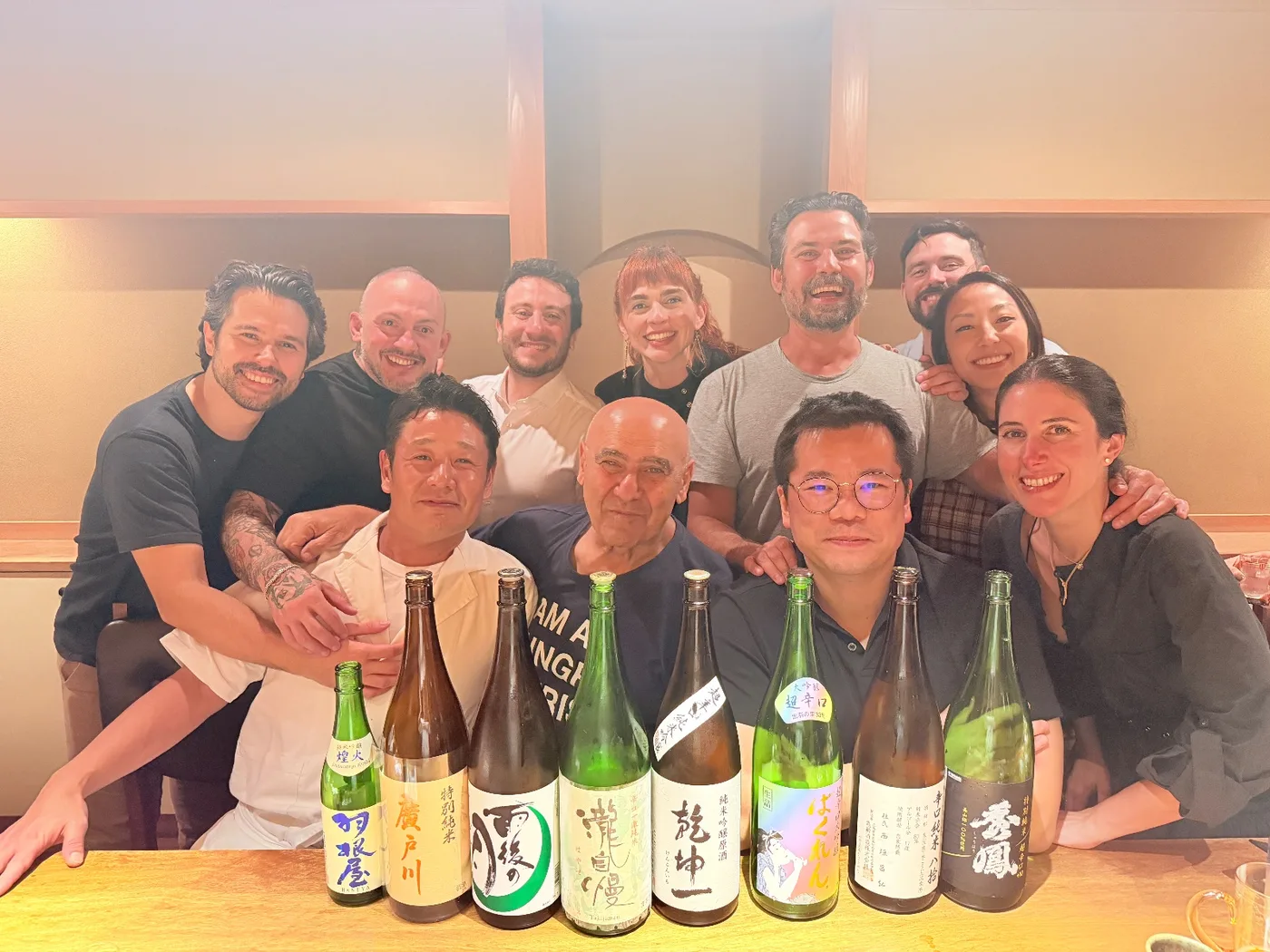
**Haneya Kirabi Junmai Ginjo (羽根屋 煌火 純米吟醸)**
A lively, expressive sake from Toyama’s Fumigiku Shuzo. “Kirabi,” meaning brilliant or sparkling fire, captures its personality well: bright aromatics, juicy fruit, gentle sweetness and refreshing acidity. Served fresh, it has an energetic, almost luminous quality while retaining enough structure and umami to work beautifully throughout a refined Japanese meal.
**Bakuren Chokarakuchi Daiginjo (ばくれん 超辛口大吟醸)**
From Yamagata’s Kamenoi Shuzo, Bakuren is built around exhilarating dryness and precision. This super-dry daiginjo, marked +20 on the sake meter, is crisp, lean and exceptionally clean, with restrained fragrance and a sharp, refreshing finish. Despite its uncompromising dryness, it remains polished and elegant, making it particularly effective alongside delicate, savory dishes.
**Shuhō Tokubetsu Junmai Chokarakuchi +10 (秀鳳 特別純米 超辛口 +10)**
A distinctly dry special junmai from Yamagata’s Shuhō Shuzo, made entirely with Miyamanishiki rice. The +10 designation signals its dry profile, but this is not simply austere sake: rice-driven umami provides depth beneath the crispness. Clean, structured and refreshing, it is designed for the table and particularly comfortable alongside savory Japanese cooking.
**Kenkonichi Junmai Ginjo Genshu (乾坤一 純米吟醸 原酒)**
Kenkonichi comes from Onuma Shuzoten in Miyagi, a historic brewery known for precise, food-oriented sake. This junmai ginjo genshu is bottled without dilution, giving it additional concentration and presence. Expect restrained aromatics, clear rice character, balanced acidity and a firm, satisfying finish that has enough weight for richer dishes without becoming heavy.
**Takijiman Karakuchi Junmai (瀧自慢 辛口一徹純米)**
From Takijiman Shuzo in Mie, this is a straightforward, resolutely dry junmai made for drinking with food. Rather than emphasizing perfume or sweetness, it focuses on clean rice flavor, savory umami, brisk acidity and a crisp finish. Its understated character makes it highly versatile, quietly supporting a meal rather than competing with the ingredients on the plate.
**Amego no Tsuki Karakuchi Junmai (雨後の月 辛口純米)**
Brewed by Aihara Shuzo in Hiroshima, Amego no Tsuki is admired for elegance and clarity. This dry junmai balances a clean, crisp profile with subtle rice sweetness and restrained umami. There is freshness rather than aggression to its dryness, allowing it to move easily across a meal and complement delicate seafood, vegetables and more savory preparations.
**Hirotogawa Tokubetsu Junmai (廣戸川 特別純米)**
Hirotogawa is brewed by Matsuzaki Shuzo in Fukushima and has become admired for its beautifully balanced, quietly expressive style. This tokubetsu junmai combines gentle rice sweetness, rounded umami and fresh acidity with a soft, seamless texture. Nothing dominates. It is comforting yet precise, making it an exceptionally natural companion for seasonal Japanese cooking and subtle flavors.