Disfrutar
Mon, Oct 19, 2026
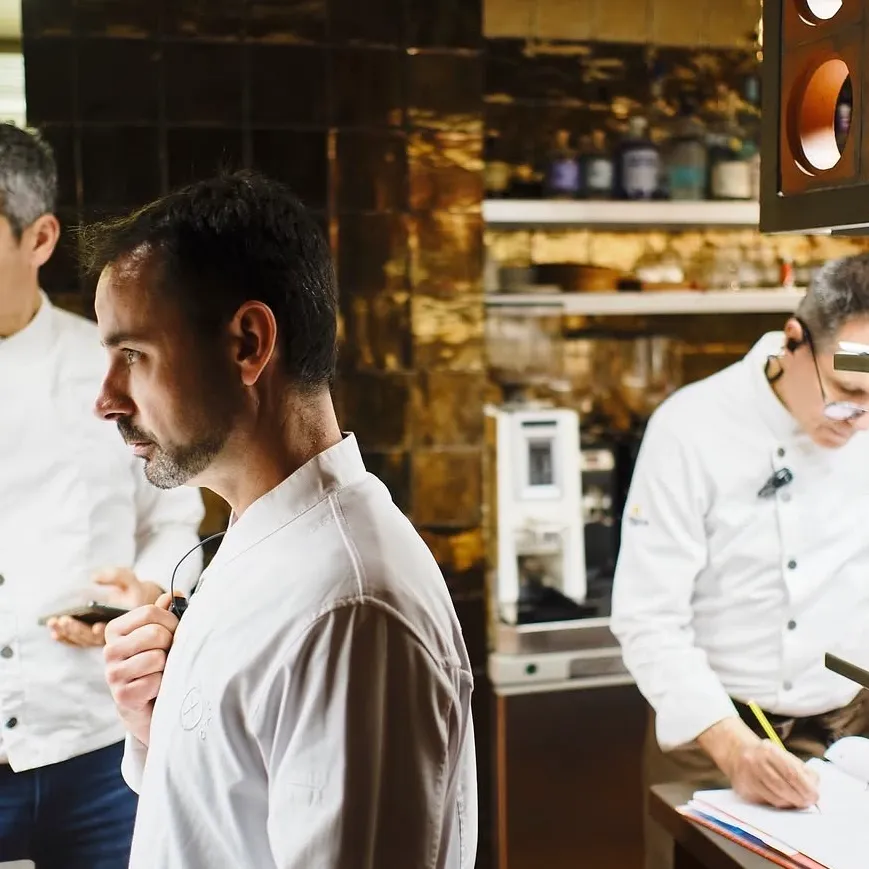
Disfrutar
Disfrutar made a special menu for our Hungry Tourist table, bringing together dishes that have been here since the restaurant opened in 2014 and newer work from its creative kitchen. Eduard Xatruch shared the thinking and preparation behind what we ate, and those explanations are woven into the dishes below.
We began with a cocktail that mixed as we drank it. There were tiny shoots to taste individually, a palette to paint with, and familiar ingredients presented in unfamiliar forms. An olive, a peanut, an egg: each had something to show us.
Here is what was on our table.
What we ate
“Americano” Served in a Spanish Porrón
We began with an Americano mixed as we drank. Campari, vermouth and soda were held separately in a specially designed porrón, the traditional Spanish wine vessel. Its three spouts released the liquids together, bringing the cocktail into balance at the last moment. A familiar ritual, reworked to open our meal.
Frozen Passion Fruit Mojito Ladyfinger
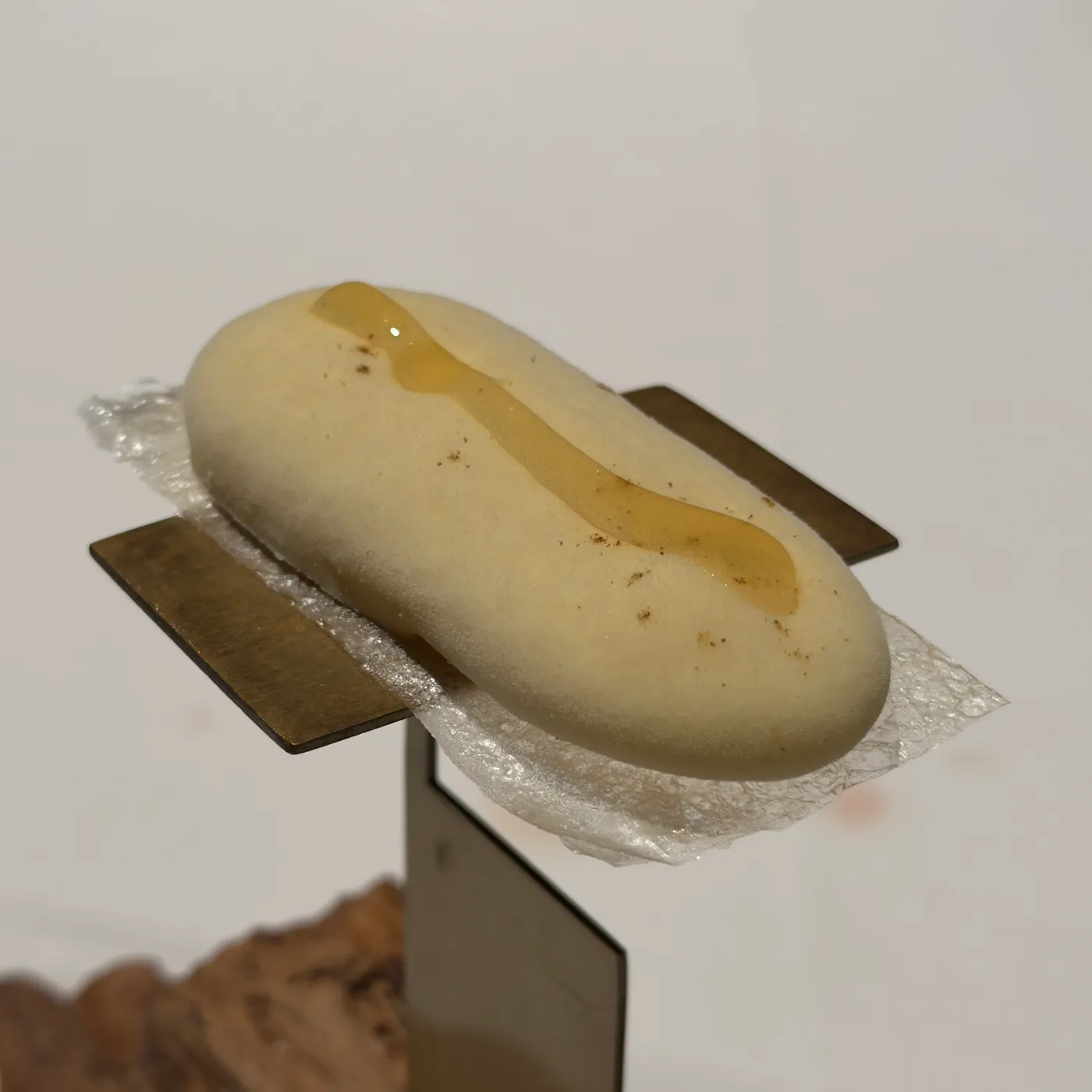
Our next cocktail was something to eat. Passion fruit, rum and a little egg white were whipped into a very airy foam, piped into the long shape of a ladyfinger and frozen. Mint completed the mojito, with a thin caramelised wafer underneath. The wafer was made from obulato, an edible starch film used throughout the menu. A delicate, frozen mouthful with the ingredients of a drink.
The Toast: The Thaw of the Pyrenees
The toast came in Korean copper cups, filled with a distillate of earth. When the cups touched, they rang like small bells. This was a toast to life, earth and water, and to the ingredients that depend on them. Before we continued eating, we had a moment to acknowledge where everything on the table begins.
Knowledge and Concentration of Flavour: Microgreens
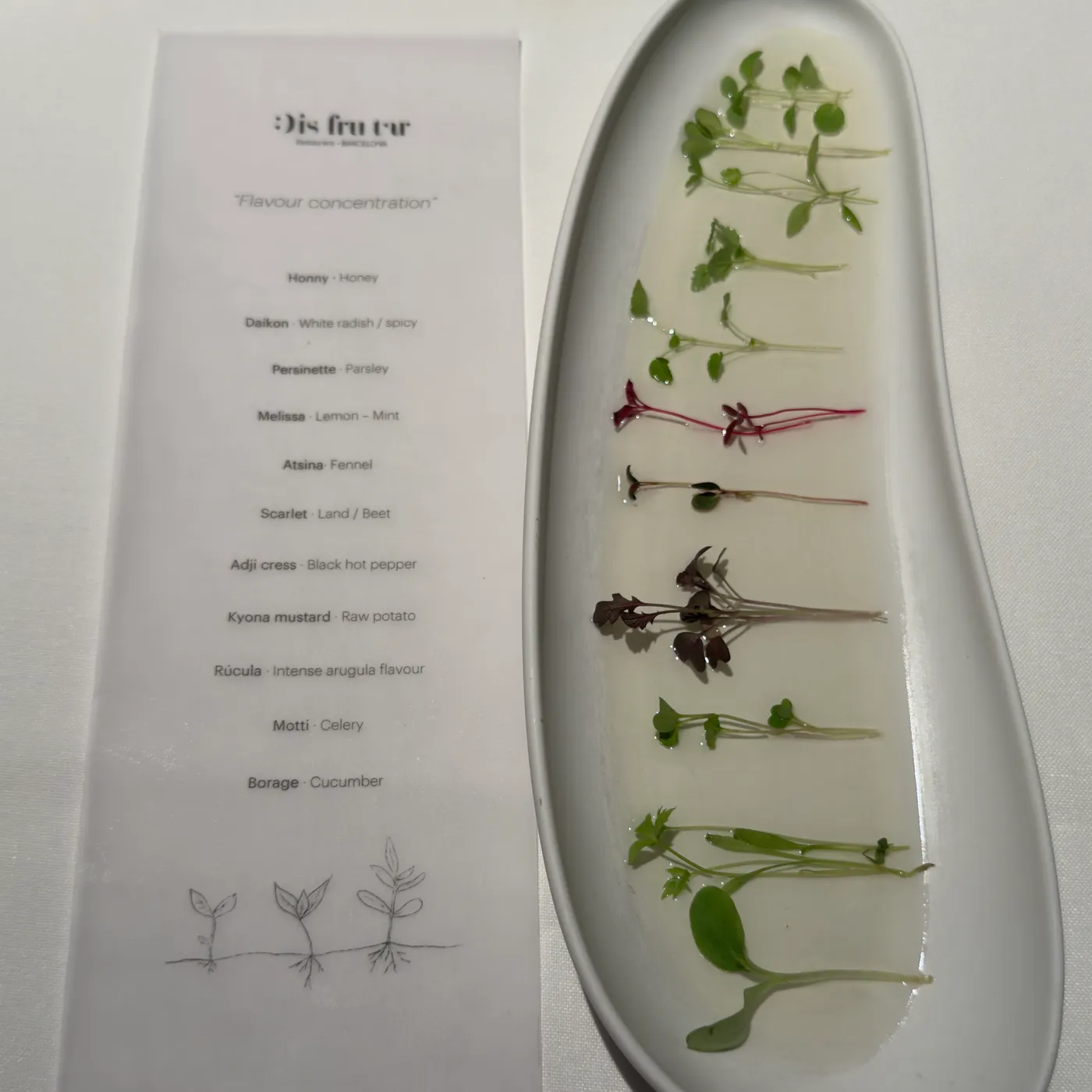
Eleven different shoots sat on a base of tomato jelly. We were given tweezers and a guide to their flavours, then tasted them one by one. Something so small could suggest pepper; another could bring a sweetness reminiscent of honey. The point was to give each shoot our full attention. These were ingredients to taste in their own right, rather than garnishes to overlook.
Liquid Salad
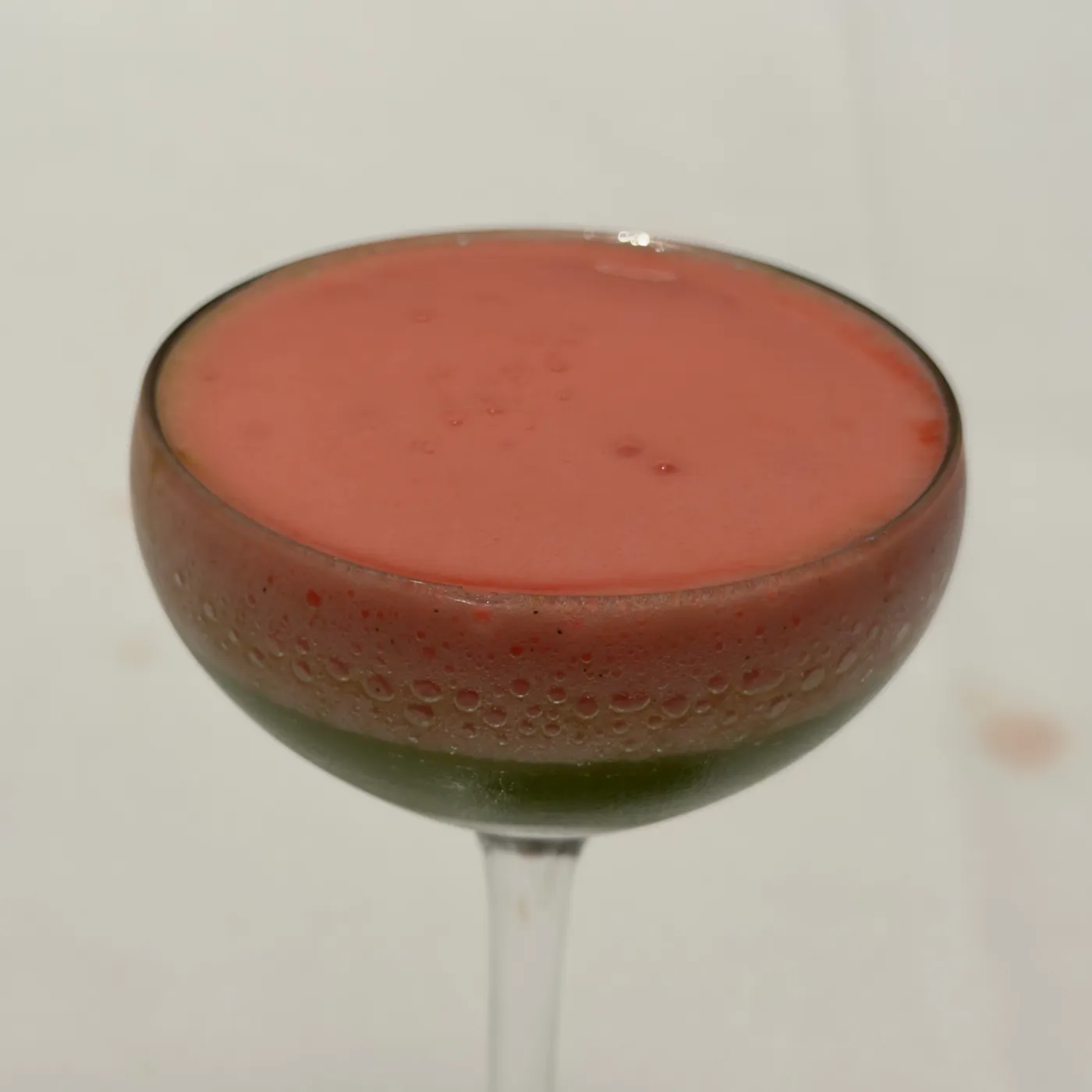
A salad served in a glass: lettuce juice, cucumber granita, a spherical olive and tomato foam. Its ingredients were familiar, but each arrived in a different texture. This is one of Disfrutar’s early dishes, served alongside the tomato polvorón. The two were meant to be eaten together, alternating the cold, liquid salad with the small, crumbly bite.
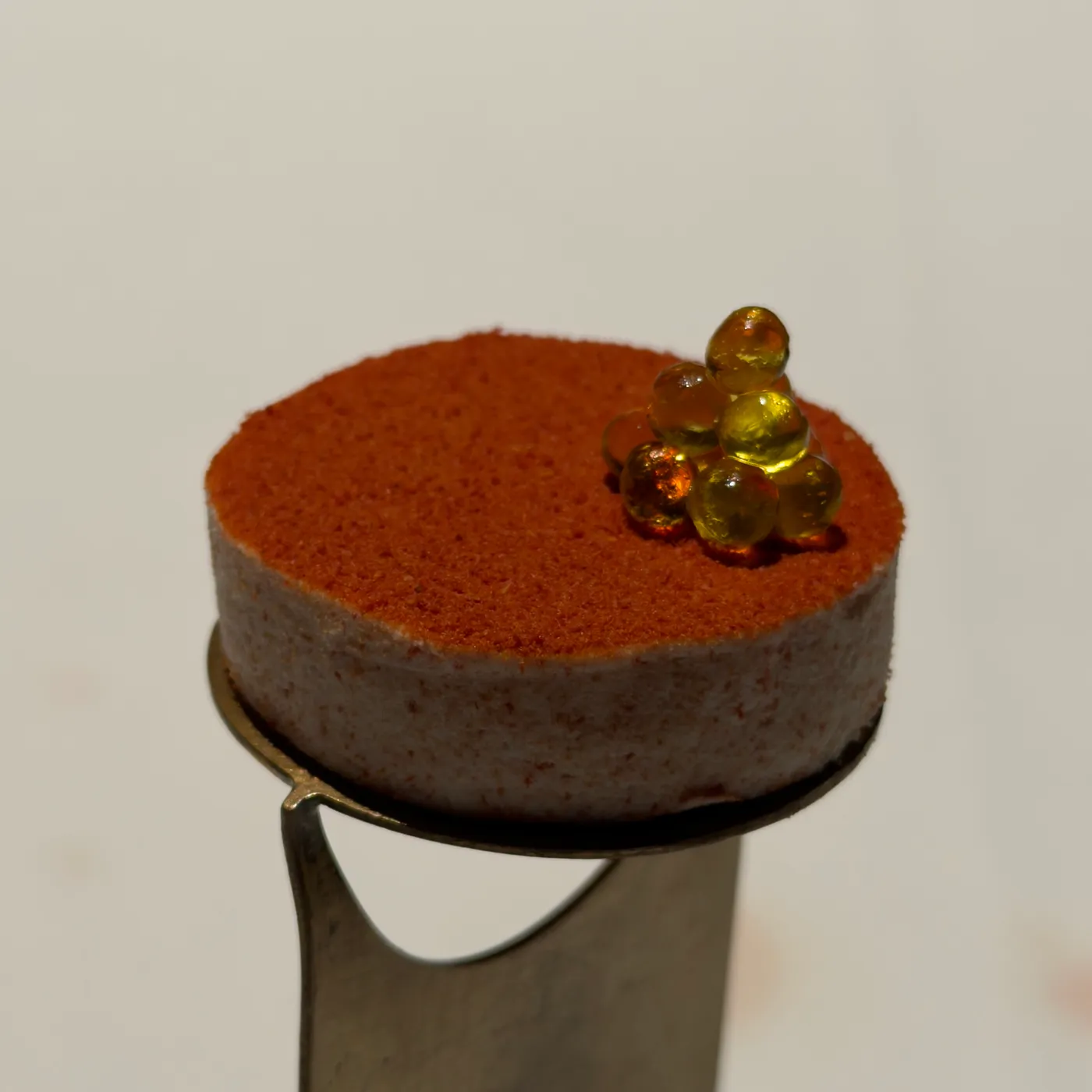
Tomato “Polvorón” and Arbequina Caviaroli
The polvorón borrowed its name and crumbly character from the traditional Spanish sweet, but here the flavour was tomato. Small pearls of Arbequina olive oil sat on top. Served with the liquid salad, it brought a different form of tomato and olive oil to the same pairing. Both preparations have been part of Disfrutar’s cooking since its opening in 2014.
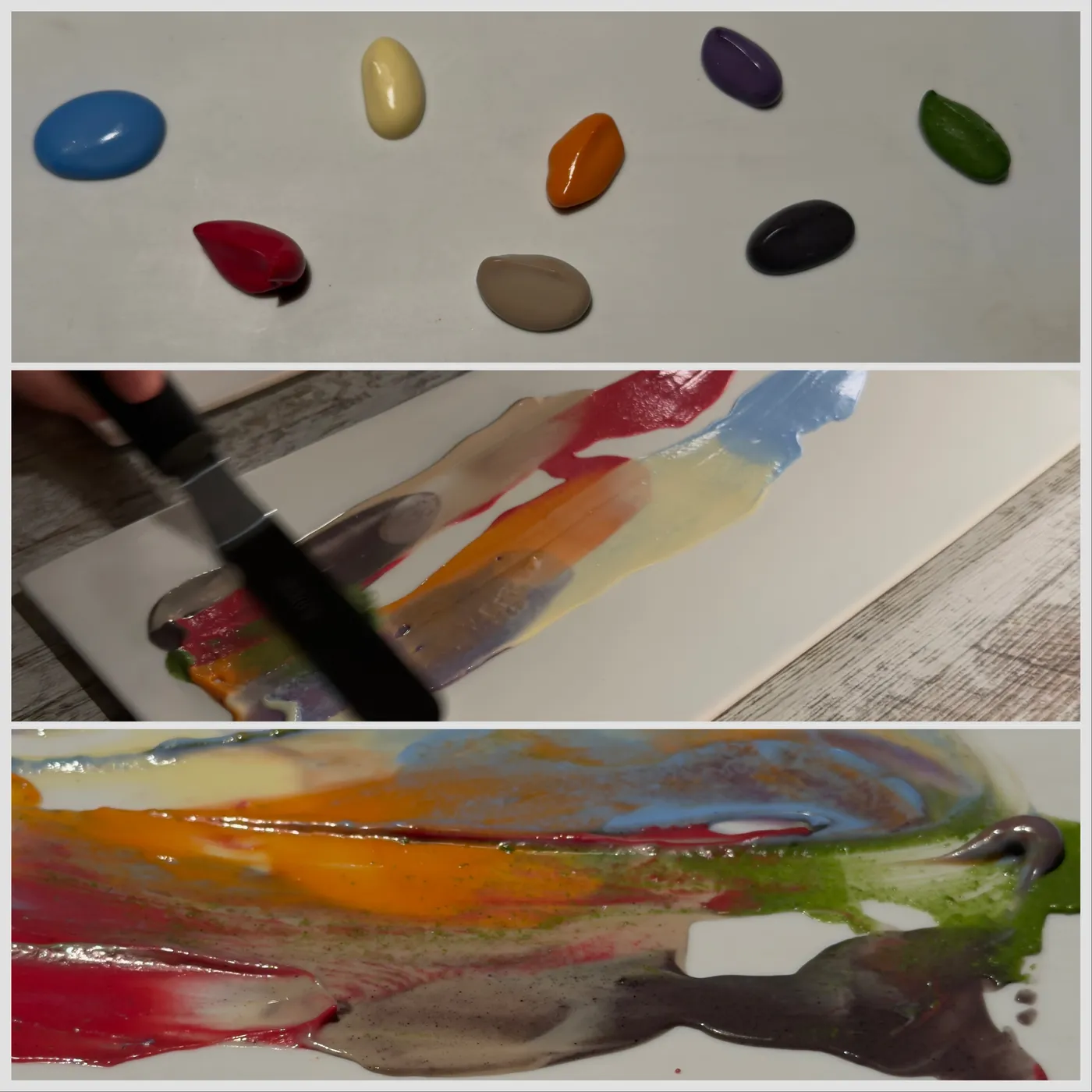
Veggie Art Palette
Eight glossy vegetable creams were arranged like colours on an artist’s palette. They came from research into starches, which gave the creams their particular shine and texture. We tasted them separately with a spatula, finding flavours including mushroom, onion and saffron, before spreading and mixing them across the plate. Eaten together, the colours became a vegetable soup. Each person left behind a different painting.
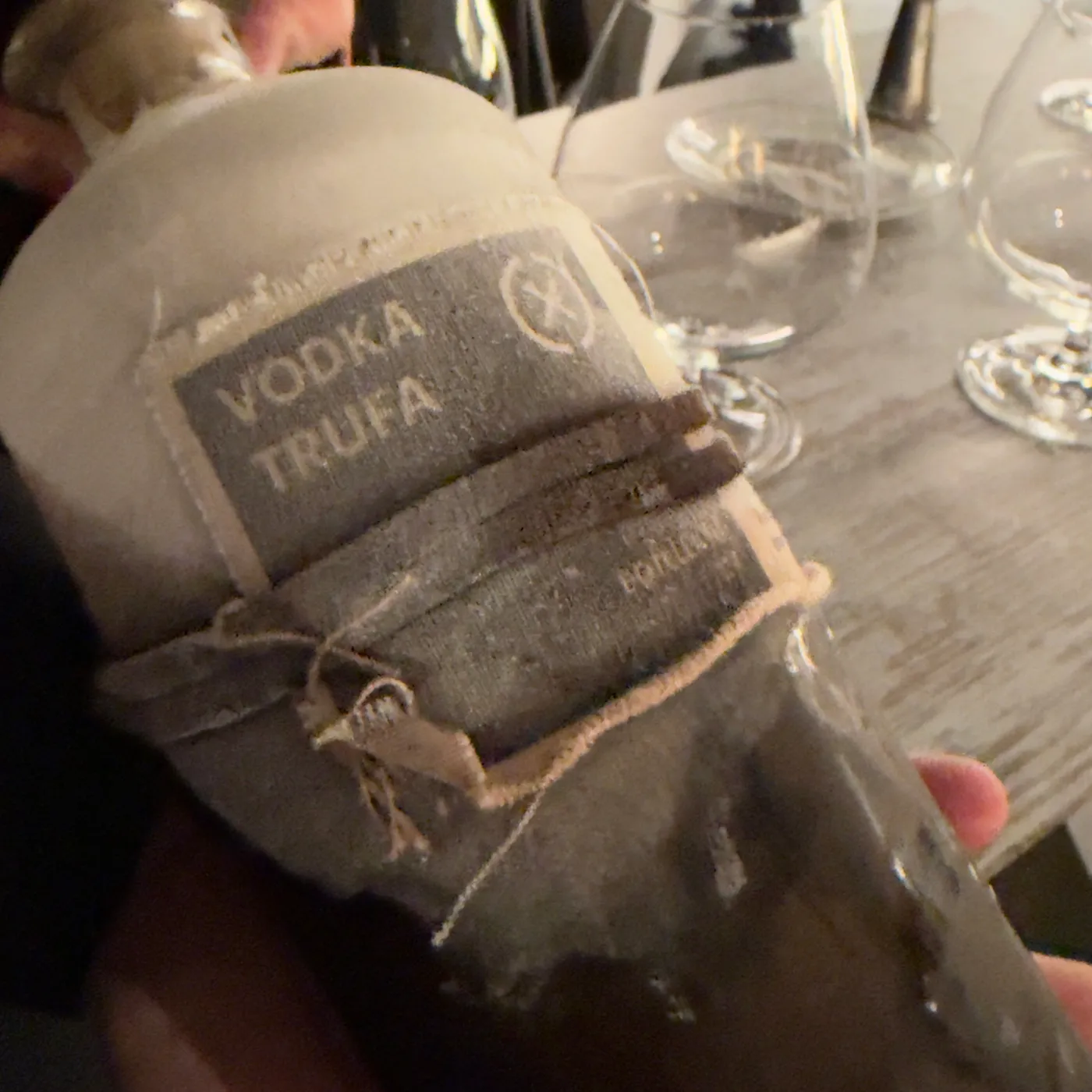
Black Truffle Vodka
The preparation for this drink began long before our visit. In February, when black truffles were fully mature, they were sliced into vodka and left to infuse. The bottles were then kept for a year. Developed in 2019, the infusion accompanied the flourless truffle coca, carrying the aroma of winter truffle into a dish also made with fresh autumn truffle.
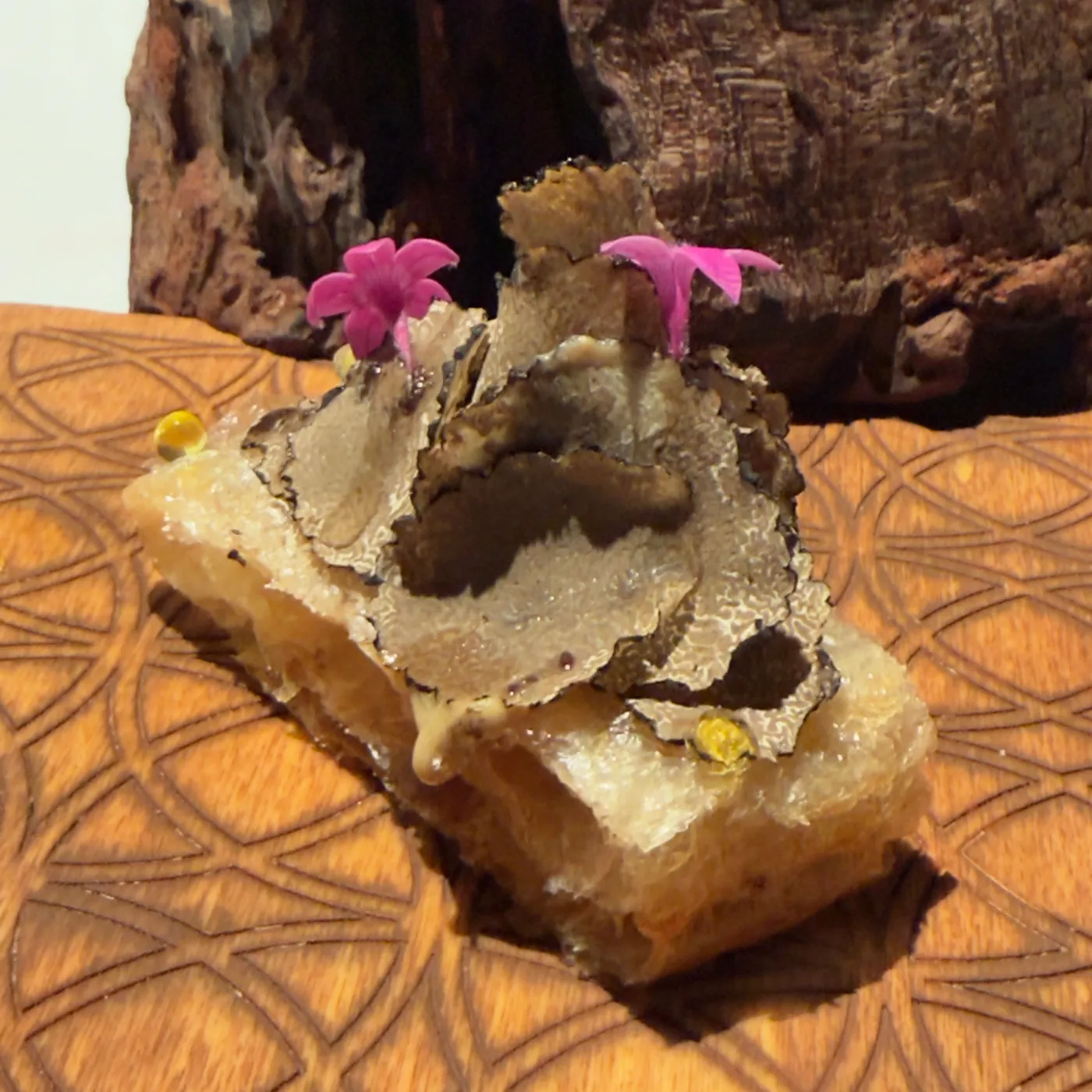
Flourless “Coca” Bread with Truffle and Burrata
The crisp base was made without flour, using a technique developed in 2017. Thin sheets of obulato were layered with a mixture of inulin and cream, then baked to produce something resembling a very light puff pastry. Mushroom cream, burrata, black truffle oil and slices of autumn truffle completed the coca. It was served with the truffle-infused vodka.
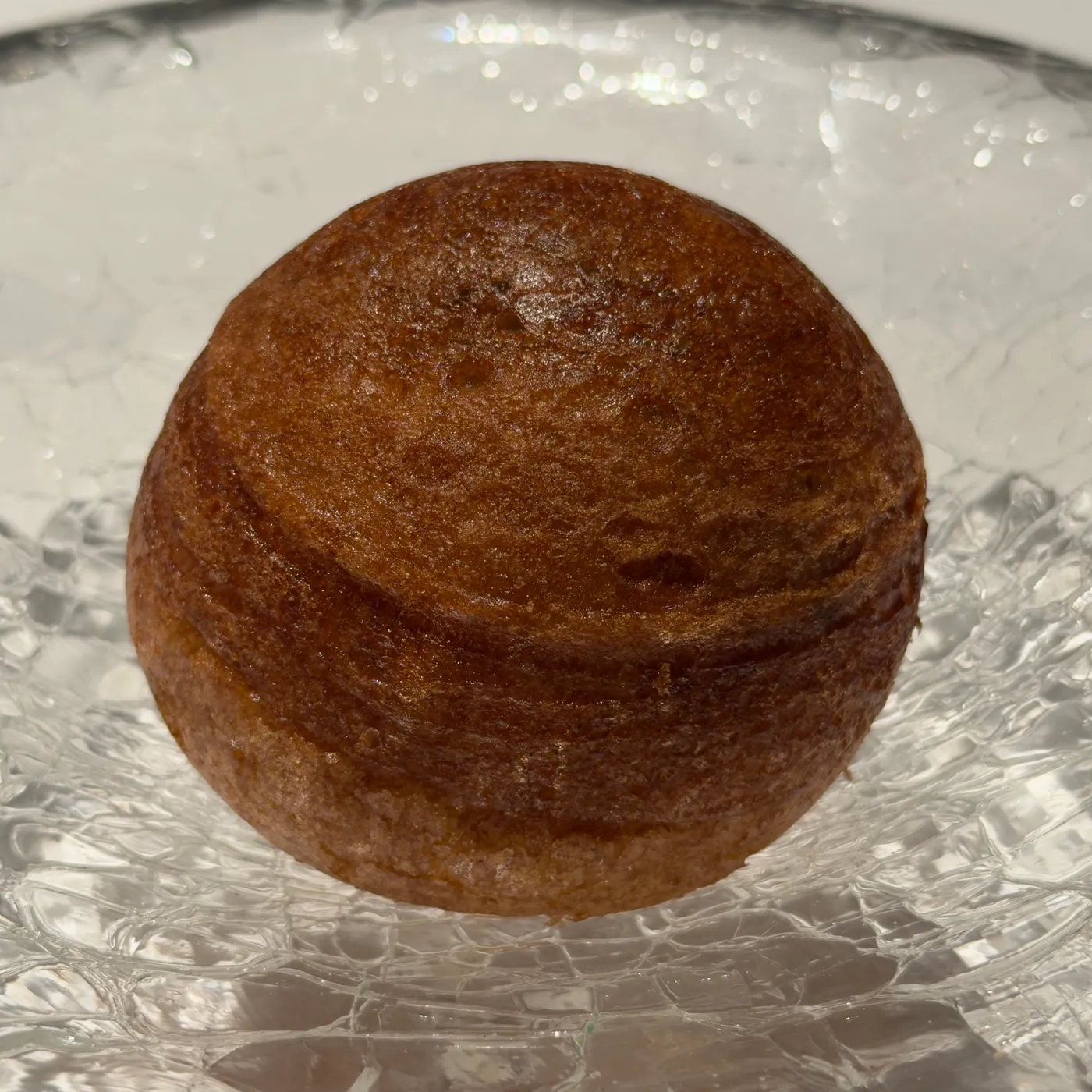
“Panchino” Filled with Caviar and Sour Cream
One of the dishes I would never take off this menu. The Panchino began as a liquid dough, aerated in a siphon and fried inside a small metal mould. The technique, developed in 2016, produced an airy bun with a lightly crisp exterior. Inside were Beluga caviar and sour cream made in the restaurant. Biting through the warm shell brought us to the cool, creamy filling.
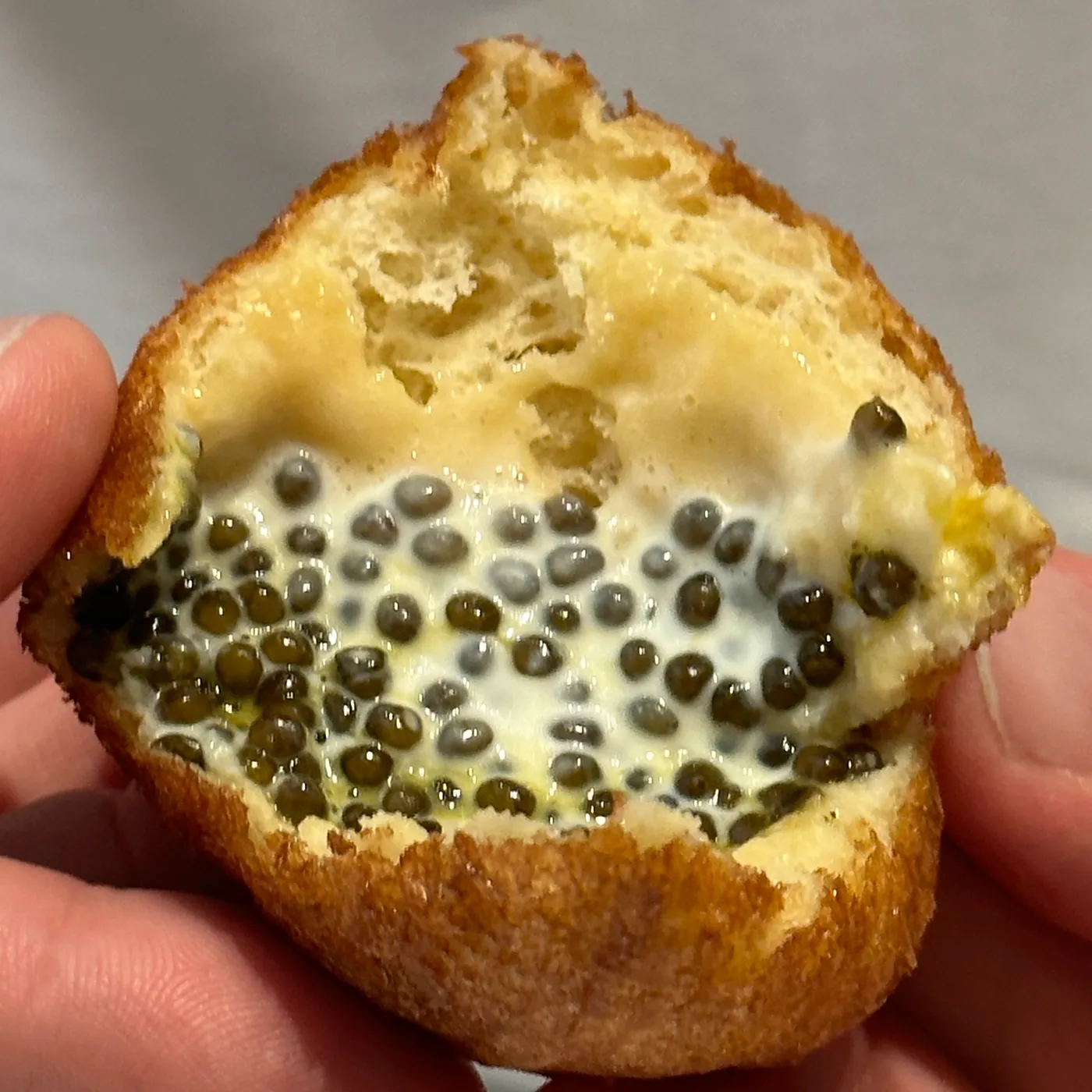
Solid Bubbles of Smoked Butter with Caviar
Butter was turned into something that looked like a cluster of soap bubbles. Clarified butter, with its water removed, was mixed with a little soy lecithin and warmed. An aquarium aerator introduced air very slowly, producing bubbles that were collected and frozen so the fat would set. Lightly smoked and served with thin, crisp toast and Beluga caviar, the bubbles gave a familiar combination of bread, butter and caviar a different texture.
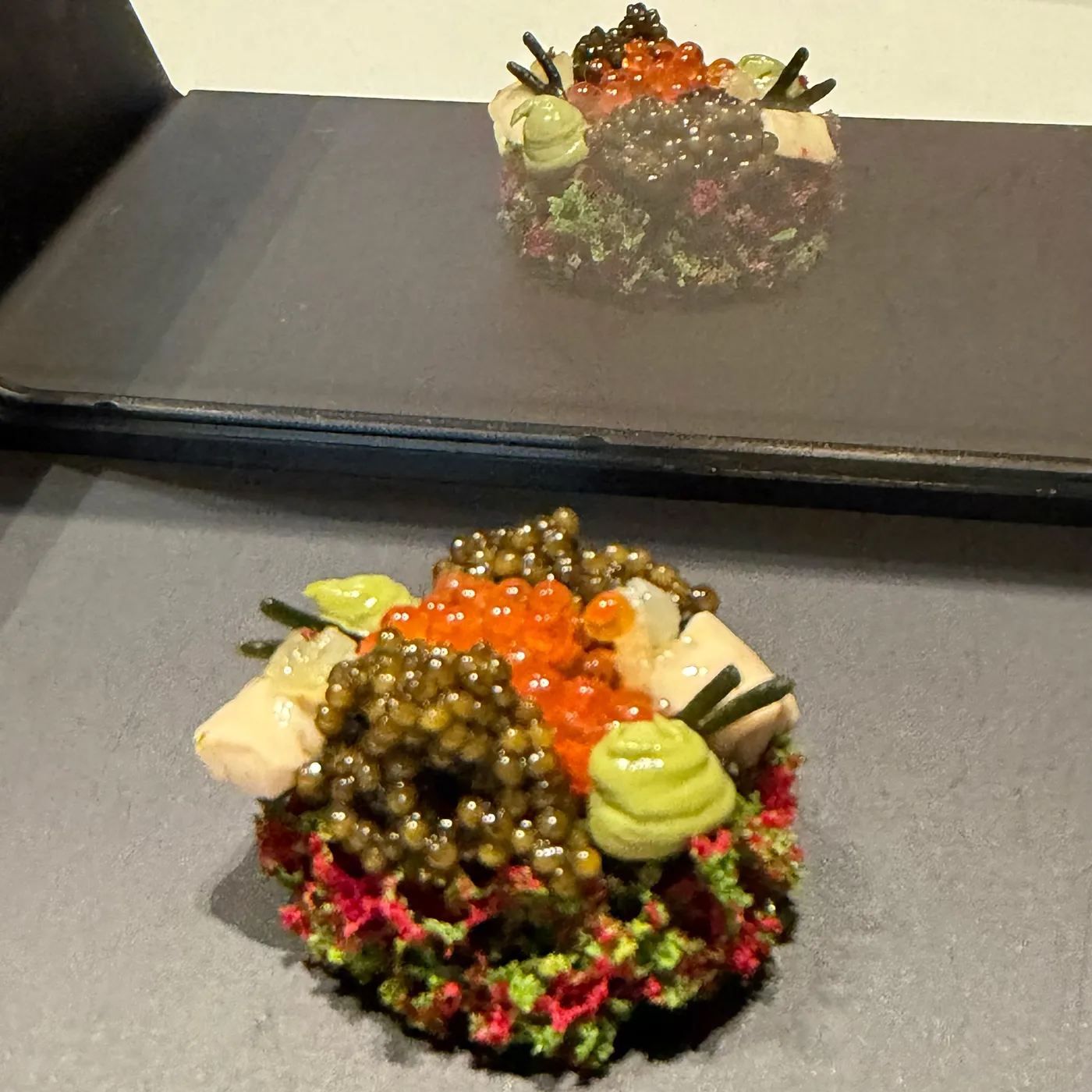
Amaranth Coral with Caviar, Oyster and Codium Emulsion
We first saw this dish inside a light box, where a mirror created the illusion that it was already within reach. We were asked to imagine its taste and texture before discovering that the image was not the food itself. The real dish was then revealed: crisp, puffed amaranth shaped like coral, topped with caviar, trout roe, diced oyster and an emulsion of Codium, a seaweed with a pronounced shellfish flavour.
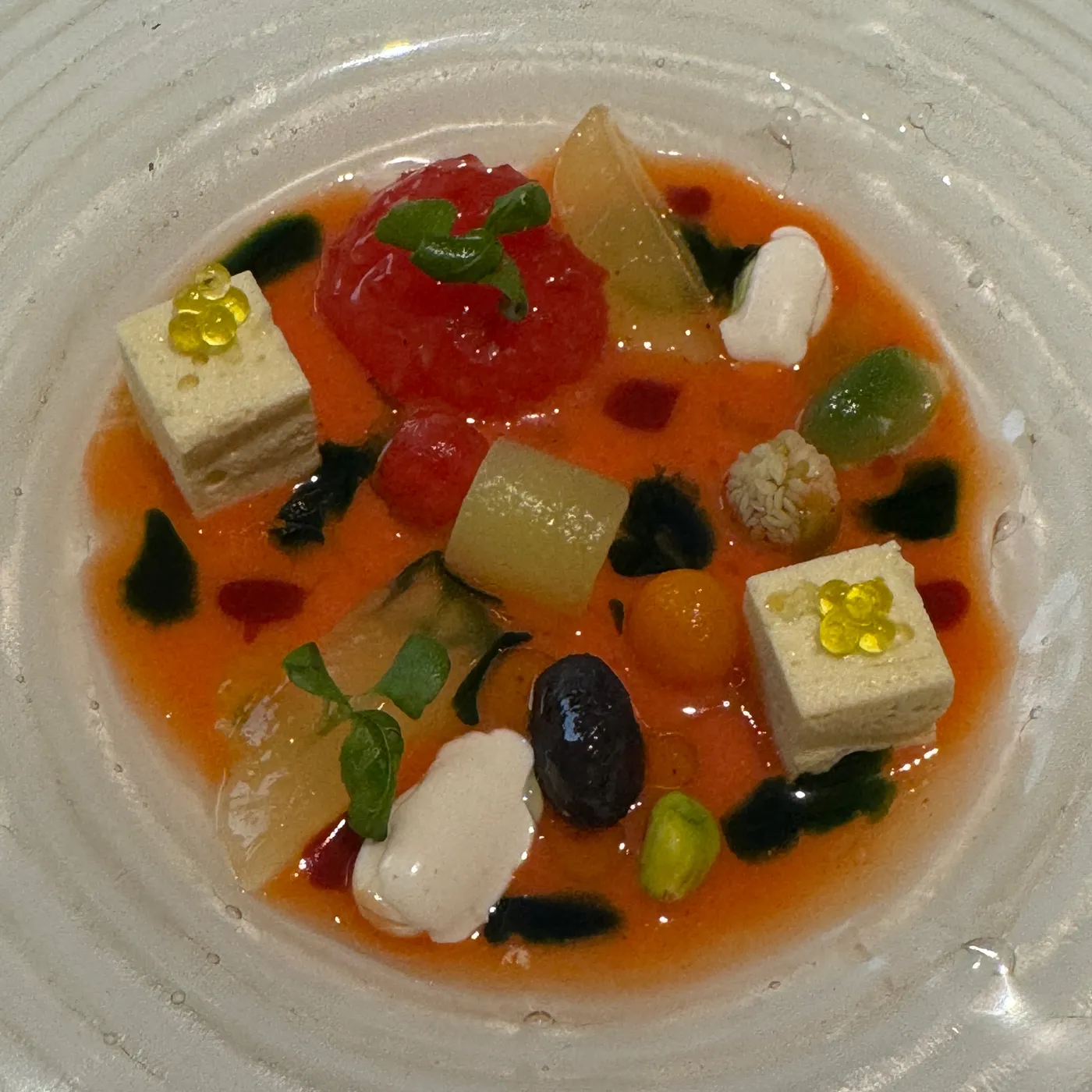
Green Olive Mousse on Assorted Salad
Green olive was at the centre of this salad, in a mousse made without eggs or dairy and in an olive enclosed in a thin cocoa-butter shell. Around it were different tomatoes, cucumber granita, nuts and mango vinaigrette. More than twenty preparations went into the plate. Like the liquid salad, its origins go back to 2014, although the accompaniments have changed over time.
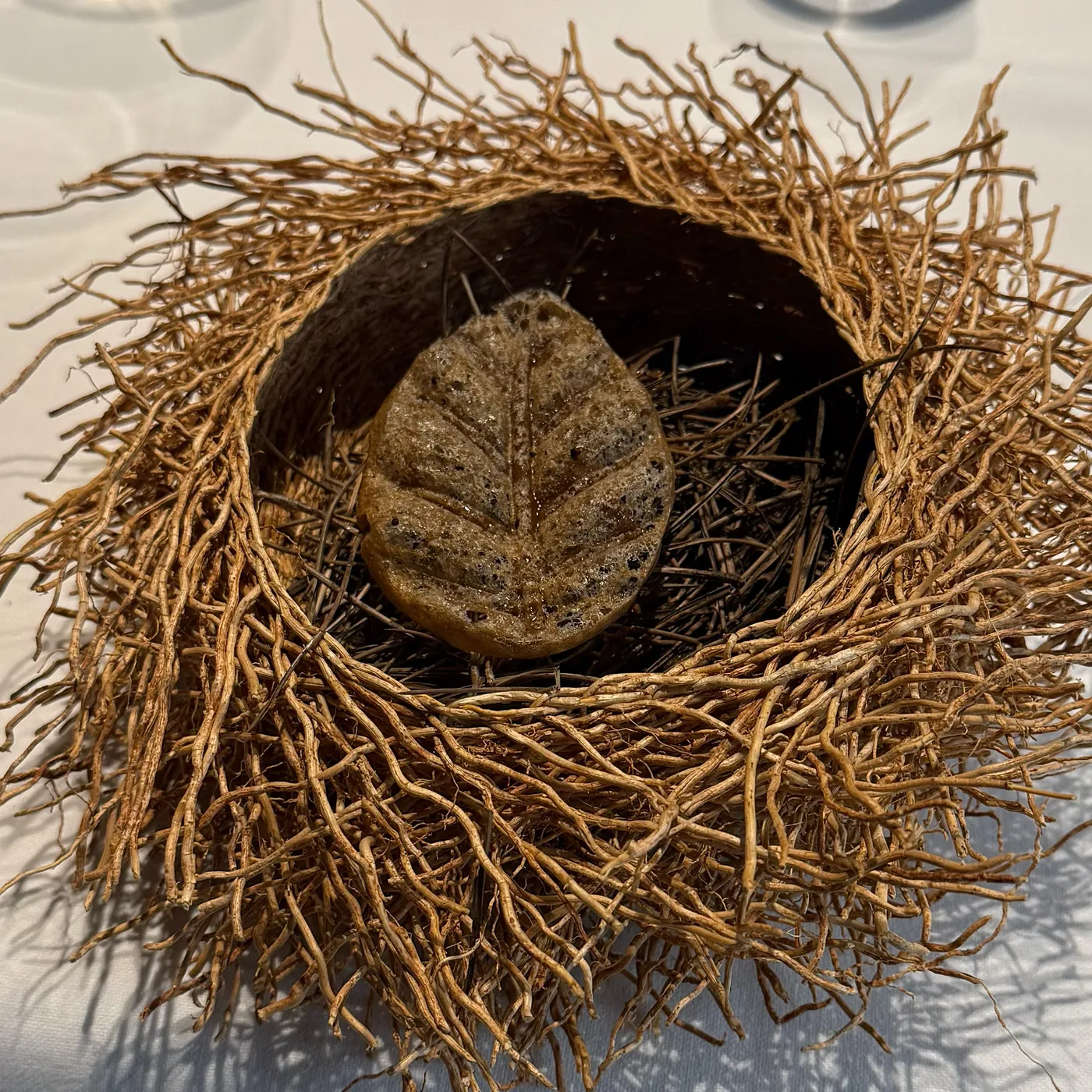
Crunchy Mushroom Leaf with Porcini Butter
A concentrated mushroom broth was mixed with rice starch, cooked and spread into a leaf-shaped mould. One minute in the microwave transformed it into this thin, crisp leaf. The technique dates from 2021. Alongside it was butter mixed with powdered freeze-dried porcini. Both parts carried the flavour of mushrooms, with the brittle leaf and soft butter giving us two different ways to taste it.
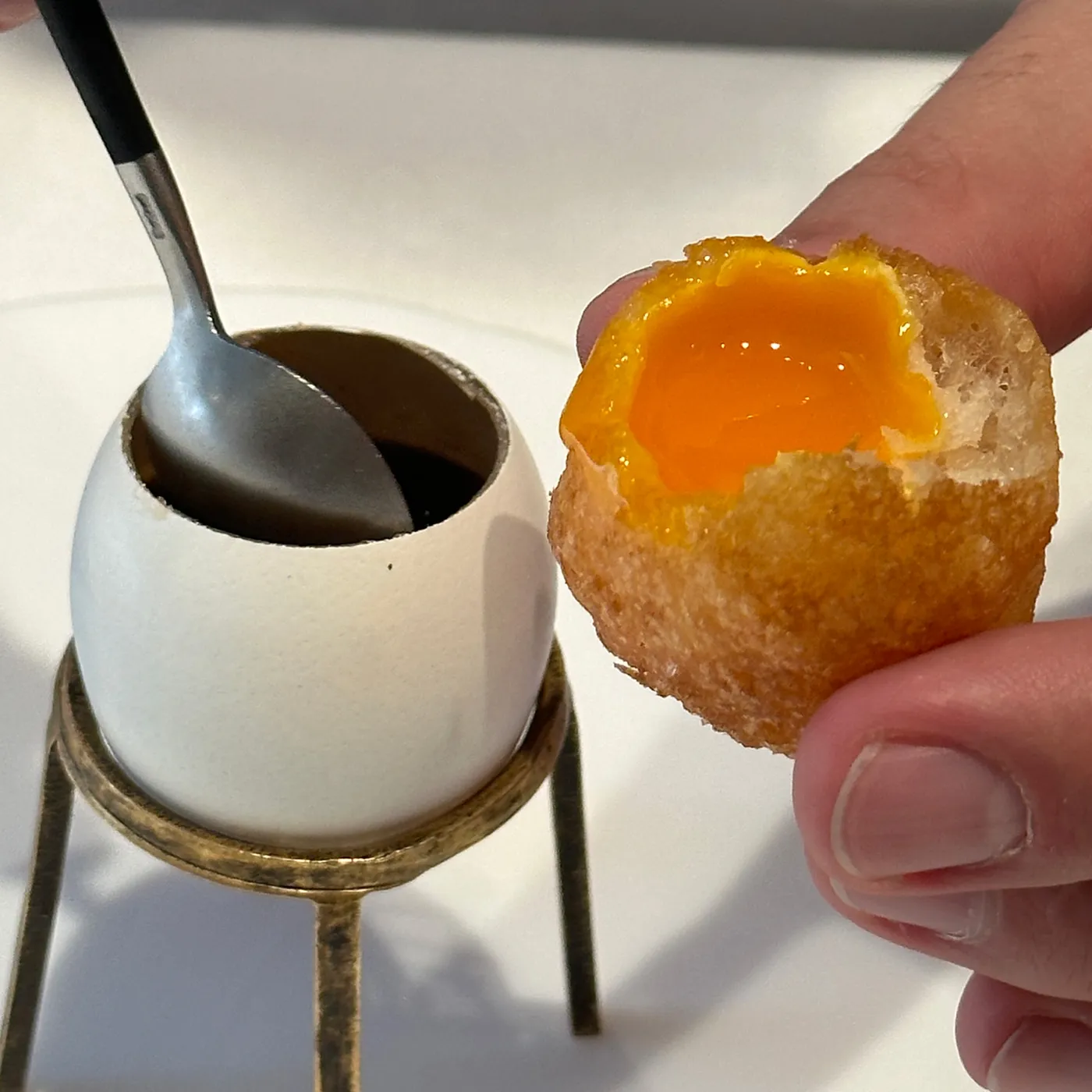
Crispy Egg Yolk with Warm Mushroom Gelatin
An empty eggshell held warm mushroom jelly made with agar-agar. Beside it was an egg yolk dipped in a very light tempura batter and fried, leaving a crisp coating around a liquid centre. We alternated between the yolk and the warm jelly. This is another dish from the restaurant’s opening menu, bringing egg and mushrooms together through temperature and texture.
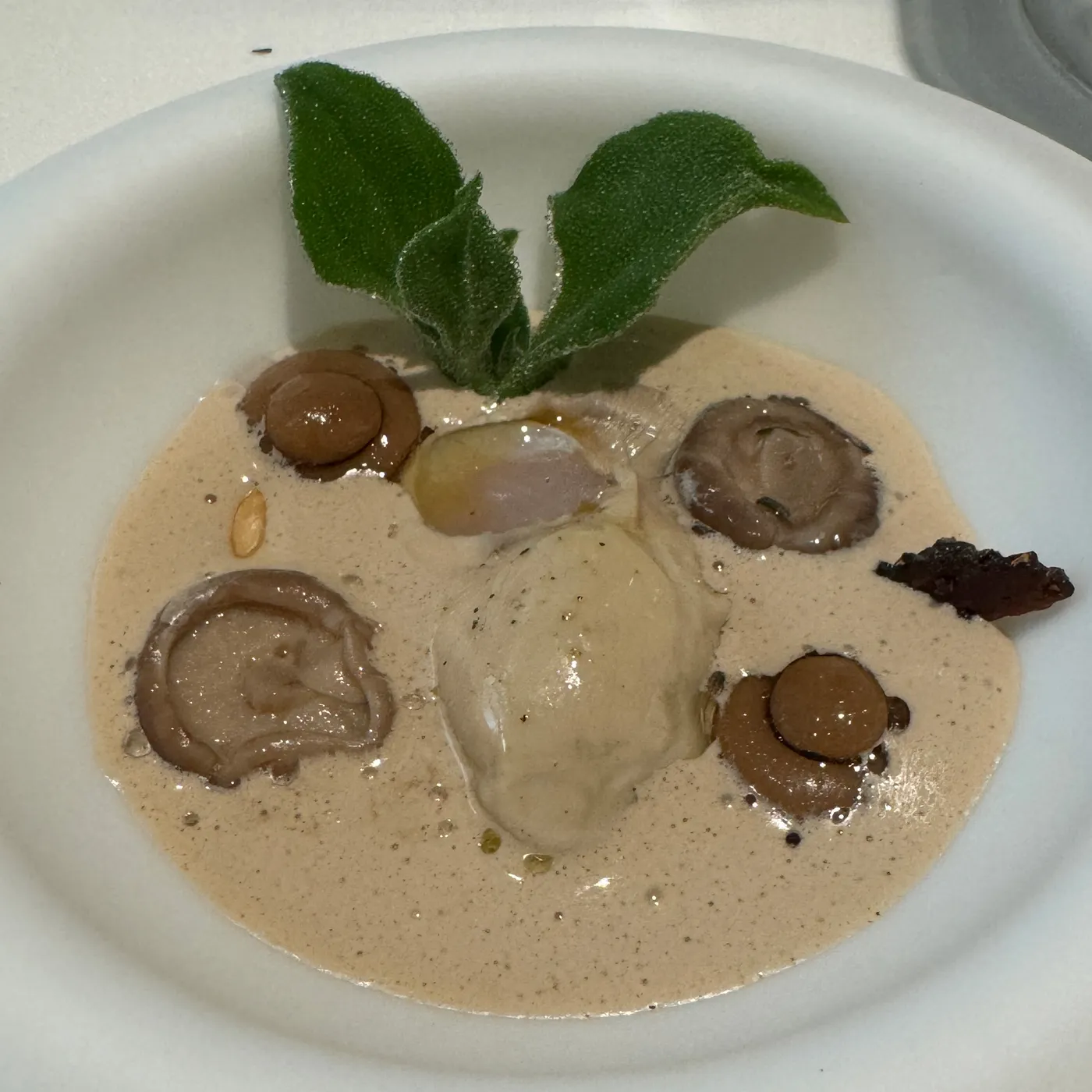
Marinated Mushroom Vinegar with Oyster
The restaurant made its own mushroom vinegar, then used it as the base for an emulsified escabeche. Oyster was served with mushroom spheres, confit saffron milk cap mushrooms, pine nuts and a candied fir cone. The vinegar carried the mushrooms’ flavour into the sauce as well as providing acidity. The oyster brought the sea into an otherwise woodland collection of ingredients.
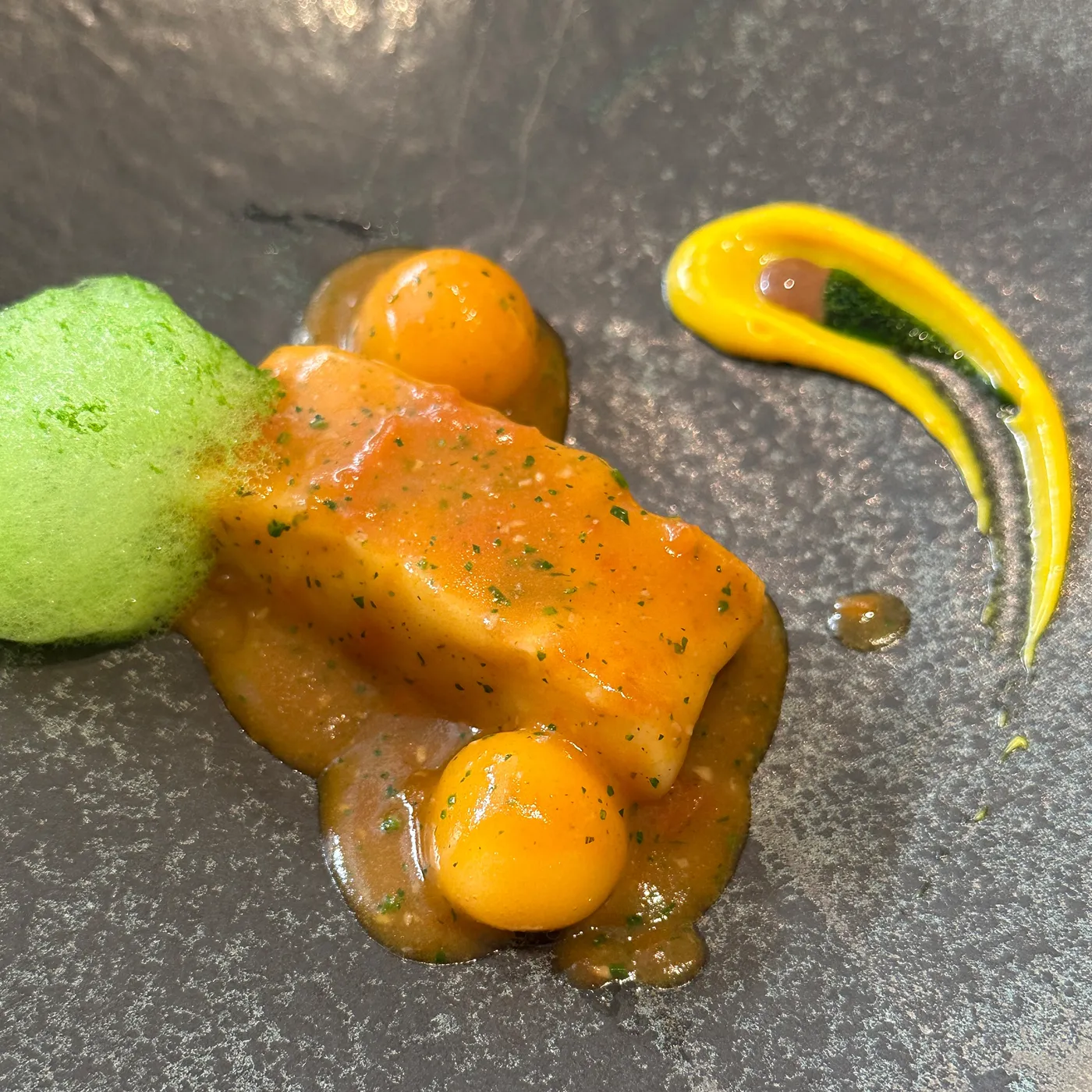
Hake “Suquet”
Suquet, the traditional fish stew, provided the starting point. The hake was brined for twenty-four hours to give its flesh a firmer texture before cooking. Potato purée mixed with suquet broth was formed into spheres, creating small, creamy potatoes within the dish. Parsley air, saffron allioli and nuts recalled the herbs, garlic and picada of the traditional preparation. A second serving of suquet followed in a cup.
Cappuccino “Suquet”
The companion to the hake arrived as a cappuccino. Suquet broth filled the cup, topped with warm potato foam in place of milk foam. The fish stew and its potatoes were brought together again, this time as something to drink. It continued the flavours of the preceding plate in a simpler form.
Tender Peanuts and Stewed Peanuts
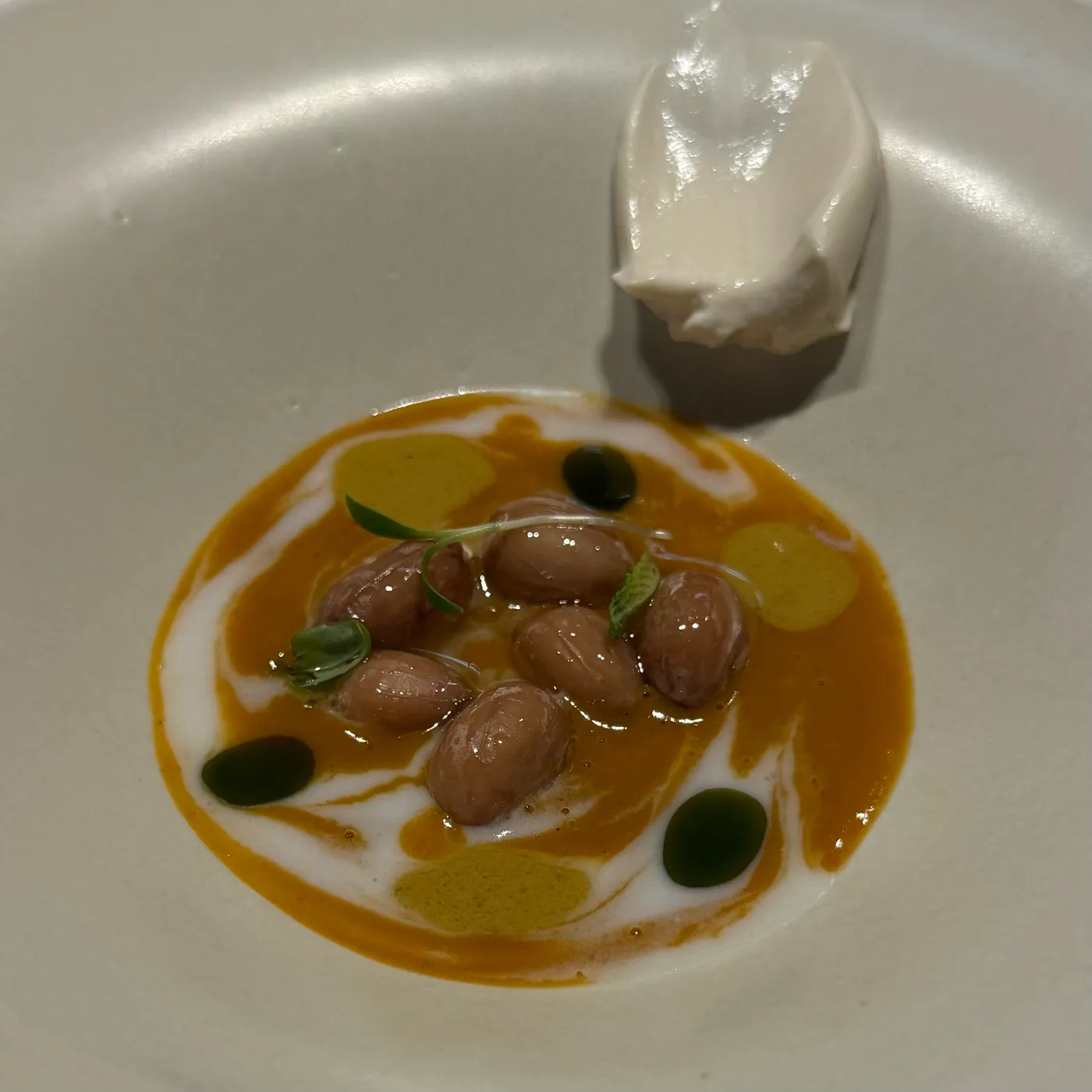
Fresh peanuts were cooked in an OCOO cooker until their texture resembled tender beans, then served with an Indian curry. The white cream at the side also came from peanuts. Raw peanuts were blended with a small amount of water and strained to make a milk, then centrifuged to separate the fat from the water. The concentrated fat had a texture resembling ganache. Two preparations showed how much could come from the same ingredient.
The Hen That Laid the Golden Eggs: Crustacean Fried Egg
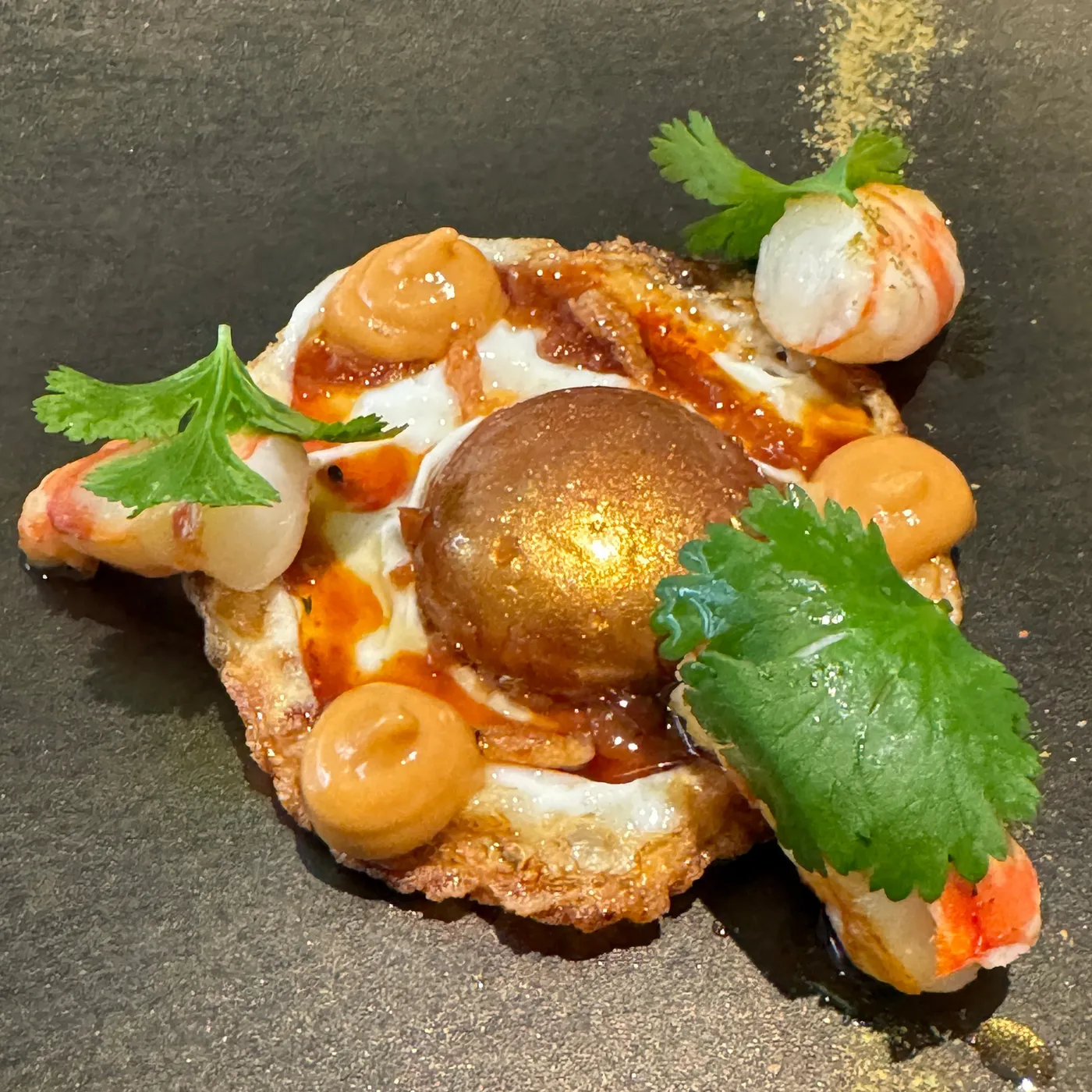
The golden yolk was a sphere of chilli crab sauce. The original egg yolk had been removed and replaced with this sphere, its membrane coloured gold, before the egg was fried. Breaking it released shellfish sauce into the white. Prawns cooked with garlic and ginger, tiny crisp fried prawns, soy sauce, parsley powder and peanut satay sauce completed the dish. It looked like a fried egg, but its centre belonged to a different preparation.
Squab with Its Spaghetti, Liquid Manchego and Beet Meringue
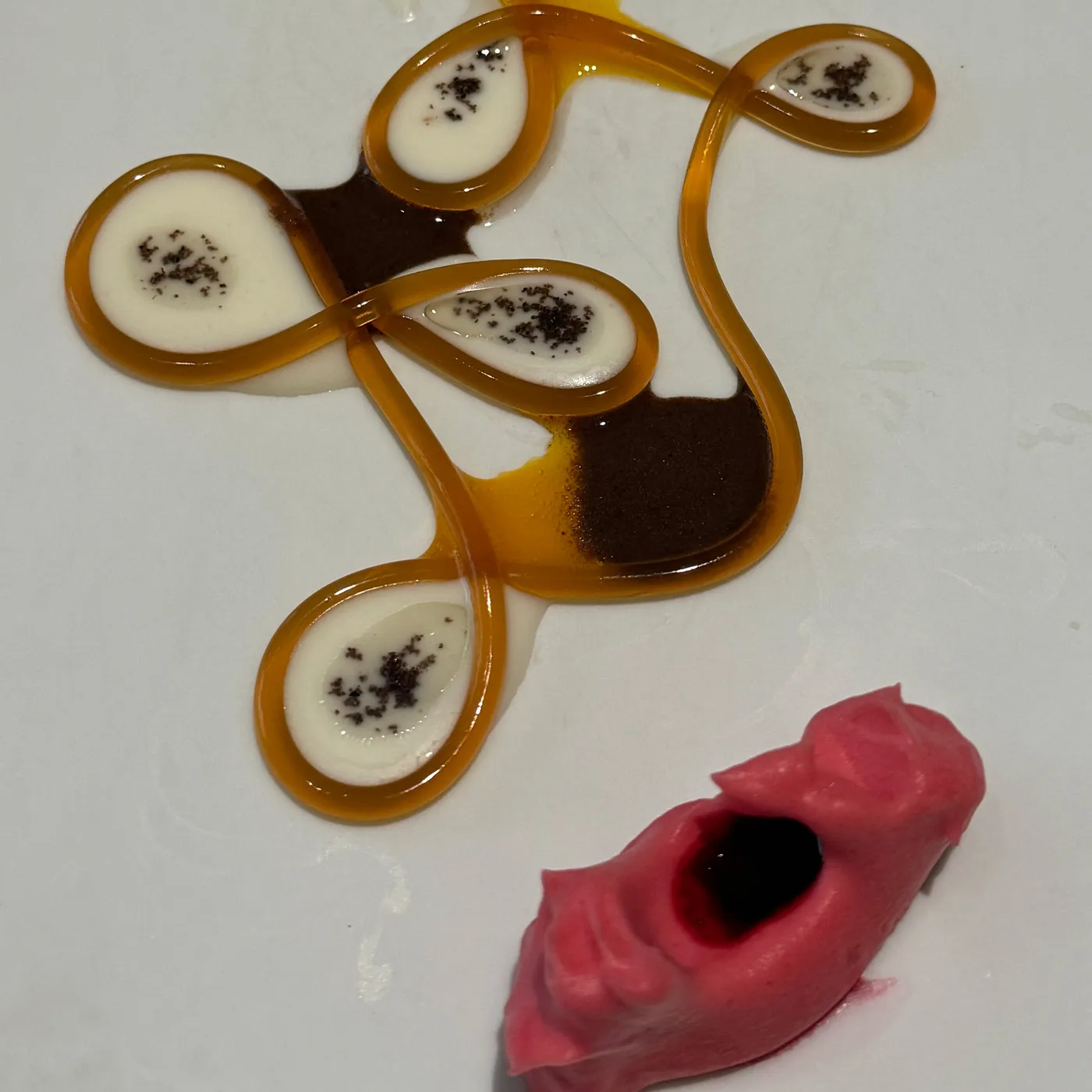
The squab breast was marinated in kōji for forty-eight hours to tenderise it, then pan-cooked with a crisp skin. Its own broth became spaghetti made from gelatin. Manchego was kept liquid with the help of sodium citrate and used as a sauce. Beetroot appeared as both meringue and reduction, with egg yolk and truffle oil completing the accompaniments. The photograph shows this part of the course.
Homemade Cider Smoked on the Spot
Preparations began at the table while we were still eating the golden egg. Clarified Granny Smith apple water was combined with a little apple spirit and carbonated, producing the fine fizz associated with cider. Before serving, the glass was smoked with oak. The apple drink accompanied the next course of microwave-made snacks, taking us from the savoury dishes towards the desserts.
Assortment of Microwaved Snacks
Four snacks were presented on a mirror: Roquefort, crisp Parmesan with a sphere of pesto, a hollow walnut bubble, and a microwave-cooked Parmesan foam with Modena vinegar. Different techniques produced their contrasting textures, all using the microwave. The mirror had a purpose, too. We usually watch the faces of the people eating with us; here, we could watch our own expressions as we tasted each bite.
Dealcoholised Wine
We went down to the cellar to taste two wines and hear about the restaurant’s work with dealcoholisation, developed in 2021 using a Girovap. Removing the alcohol changed the wine into another product, while retaining elements of its aroma and flavour. The idea was to explore what remained recognisable after such a significant part of the original wine had been taken away.
Rose Water
Back at the table, a few drops of rose water were placed on our hands, to be rubbed in and smelled like a fragrance. Before dessert, we paused to pay attention to an aroma on its own. It introduced the floral part of the meal and the tray of chocolate rings that followed.
Engagement Rings
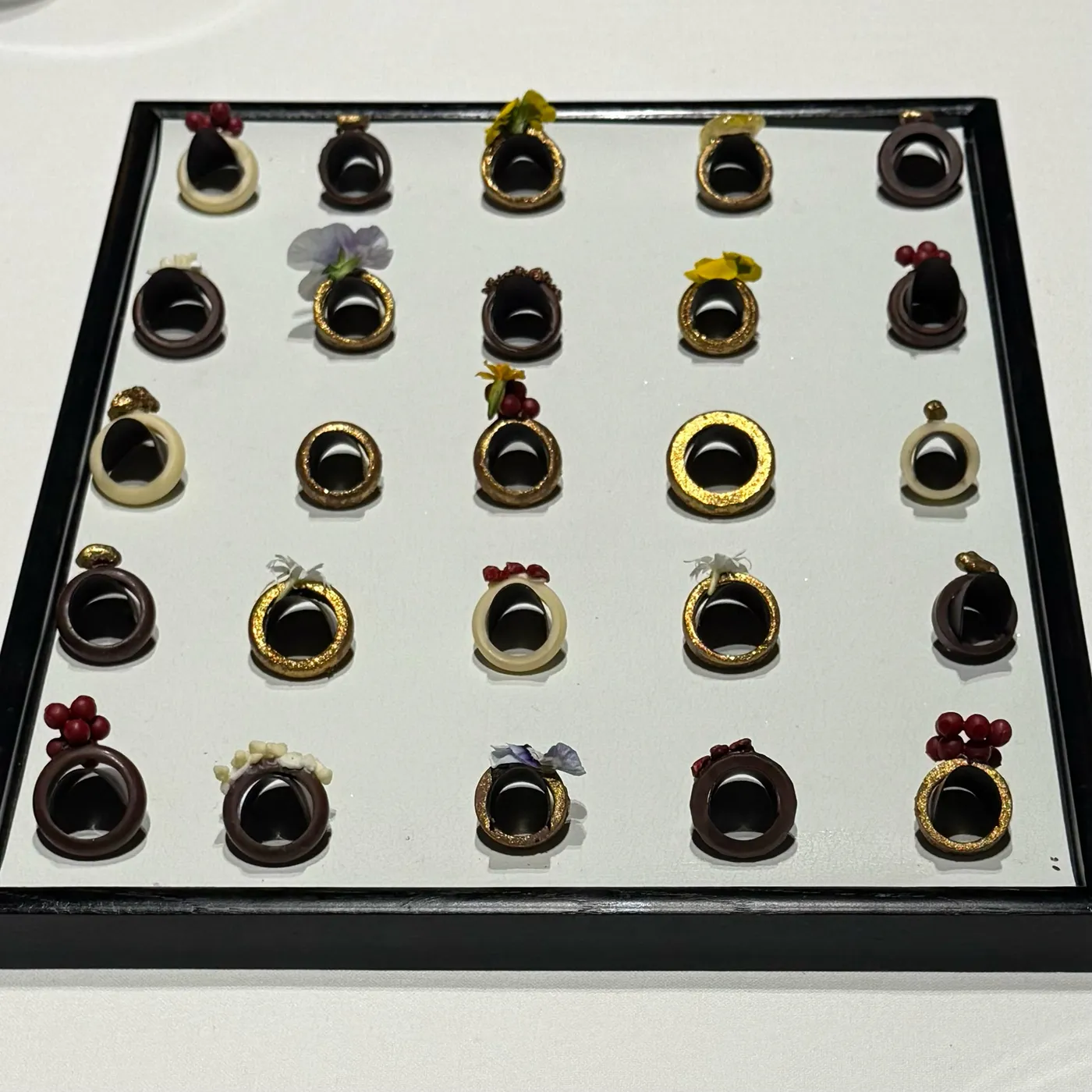
A tray of chocolate rings was placed in the middle of the table. Decorated with flowers, nuts and pieces of biscuit, they were there for us to choose and eat. The gesture expressed the restaurant’s commitment to its guests, its team and gastronomy. Each person chose the ring that appealed to them.
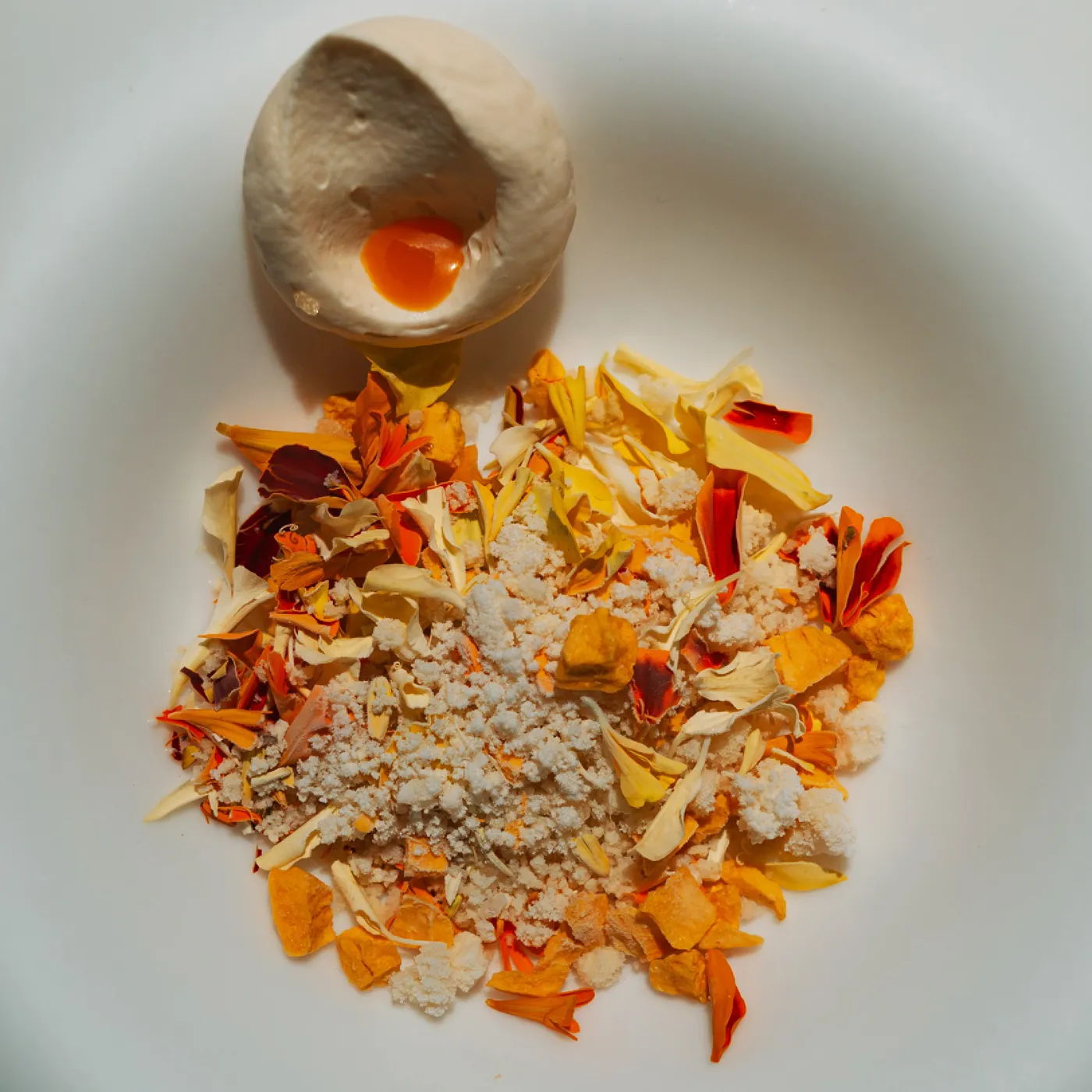
Flower Explosion
A frozen elderflower cream, made using elderflower vinegar, was reduced to a cold powder. More than twenty different flowers were chilled with liquid nitrogen so they became crisp, then combined with fresh pollen and popping candy. Honey parfait and mandarin reduction were served alongside. Sweetness, acidity, flowers and small crackles came together in a dessert built around both aroma and texture.
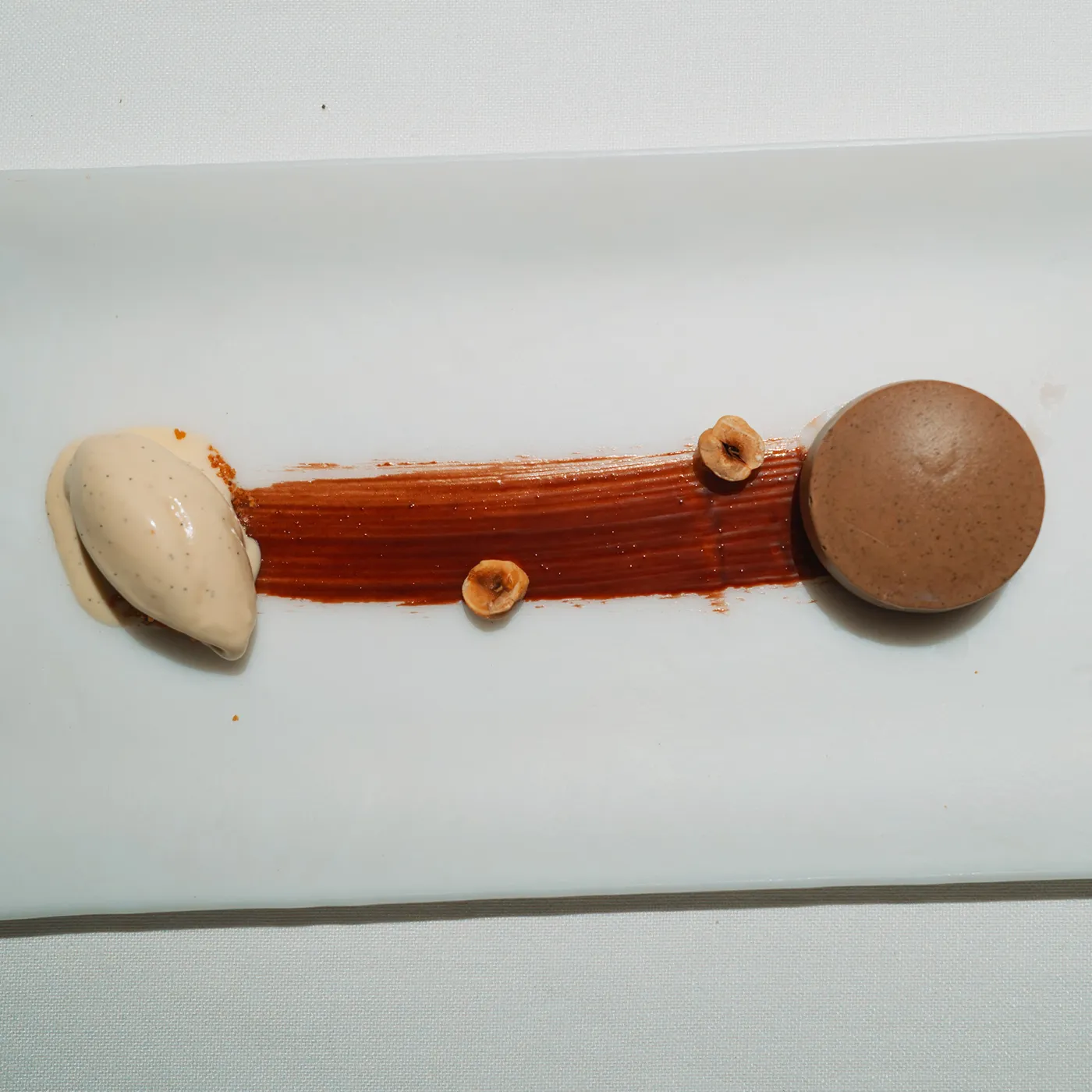
Nixtamalised Chocolate and Hazelnut Coulant with Smoked Whisky Vanilla Ice Cream
A chocolate disc enclosed a hazelnut ganache. Pectin was added to the preparation, which was then treated with lime using nixtamalisation, a technique adapted here to set the outside while leaving the interior able to melt. Warmed before serving, it became a coulant with a liquid centre. The accompanying ice cream combined a vanilla custard base with smoked whisky. This technique was developed in 2024.
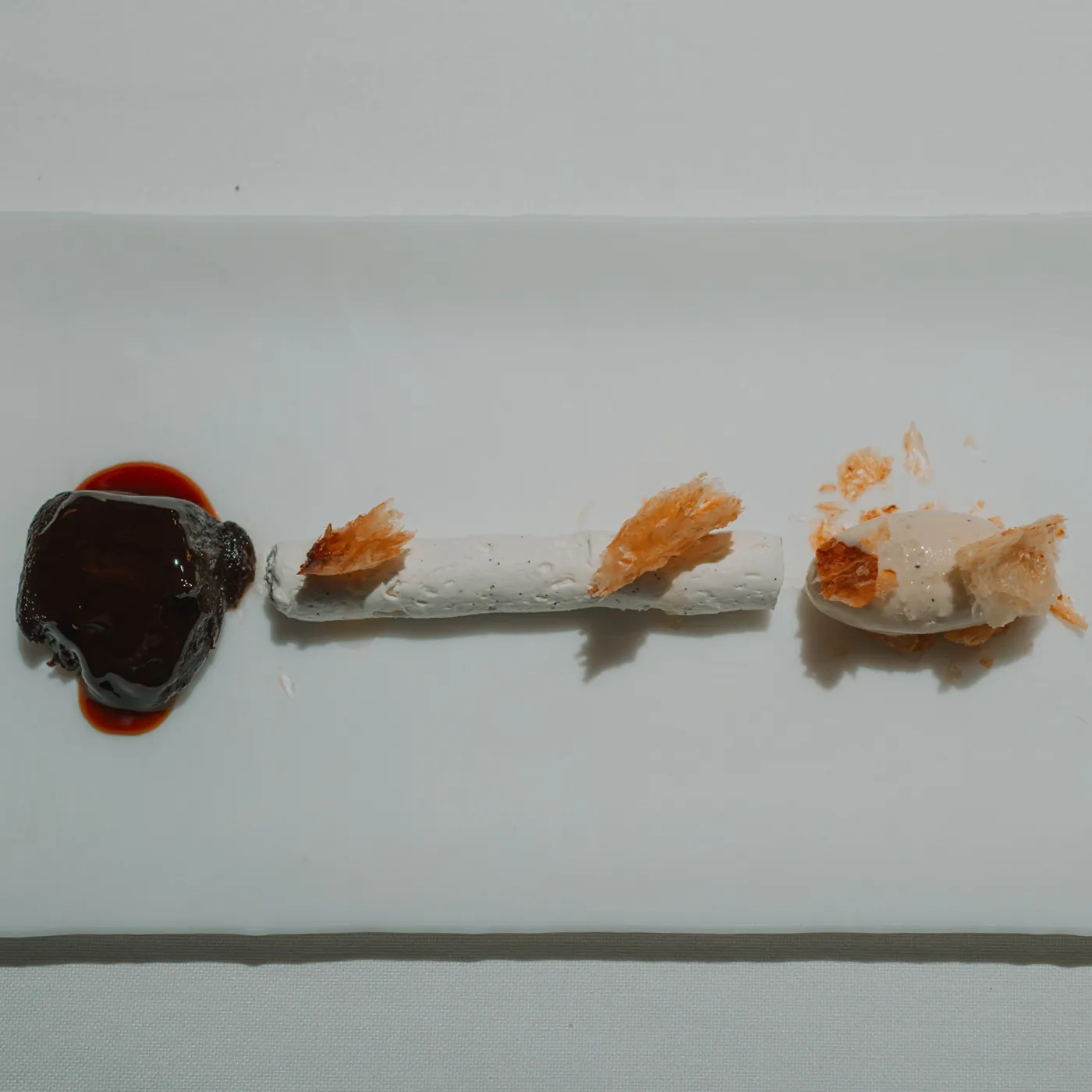
Black Apple with Noisette Butter Ice Cream and Flourless Puff Pastry
A Golden apple was vacuum-packed and kept at sixty degrees for sixty days. It darkened and softened, developing caramelised and balsamic notes while retaining some freshness. Served warm with its own juices, it was accompanied by vanilla cream, ice cream and pieces of caramelised flourless puff pastry. The pastry used the same technique as the truffle coca earlier in the meal, returning here in a sweet preparation.
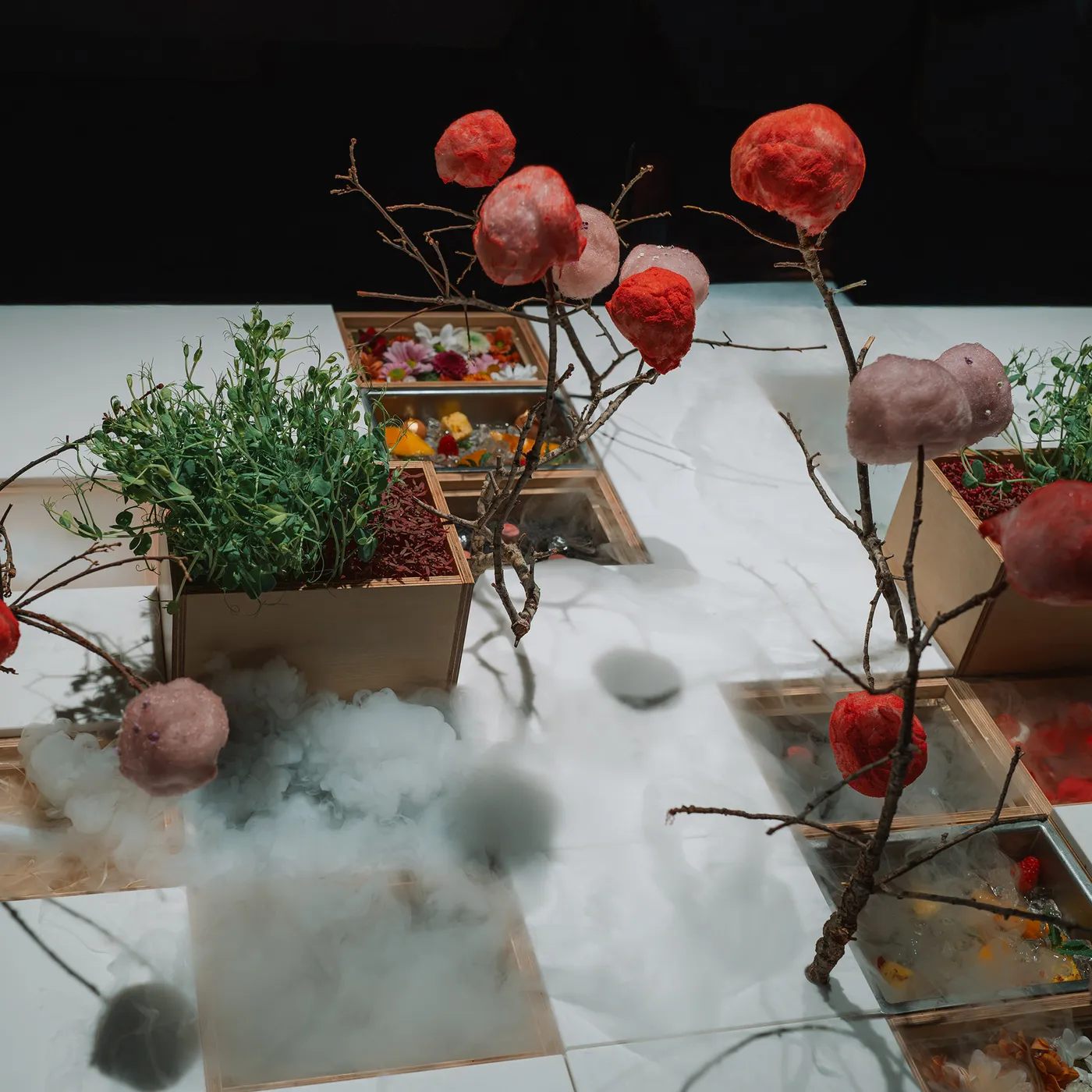
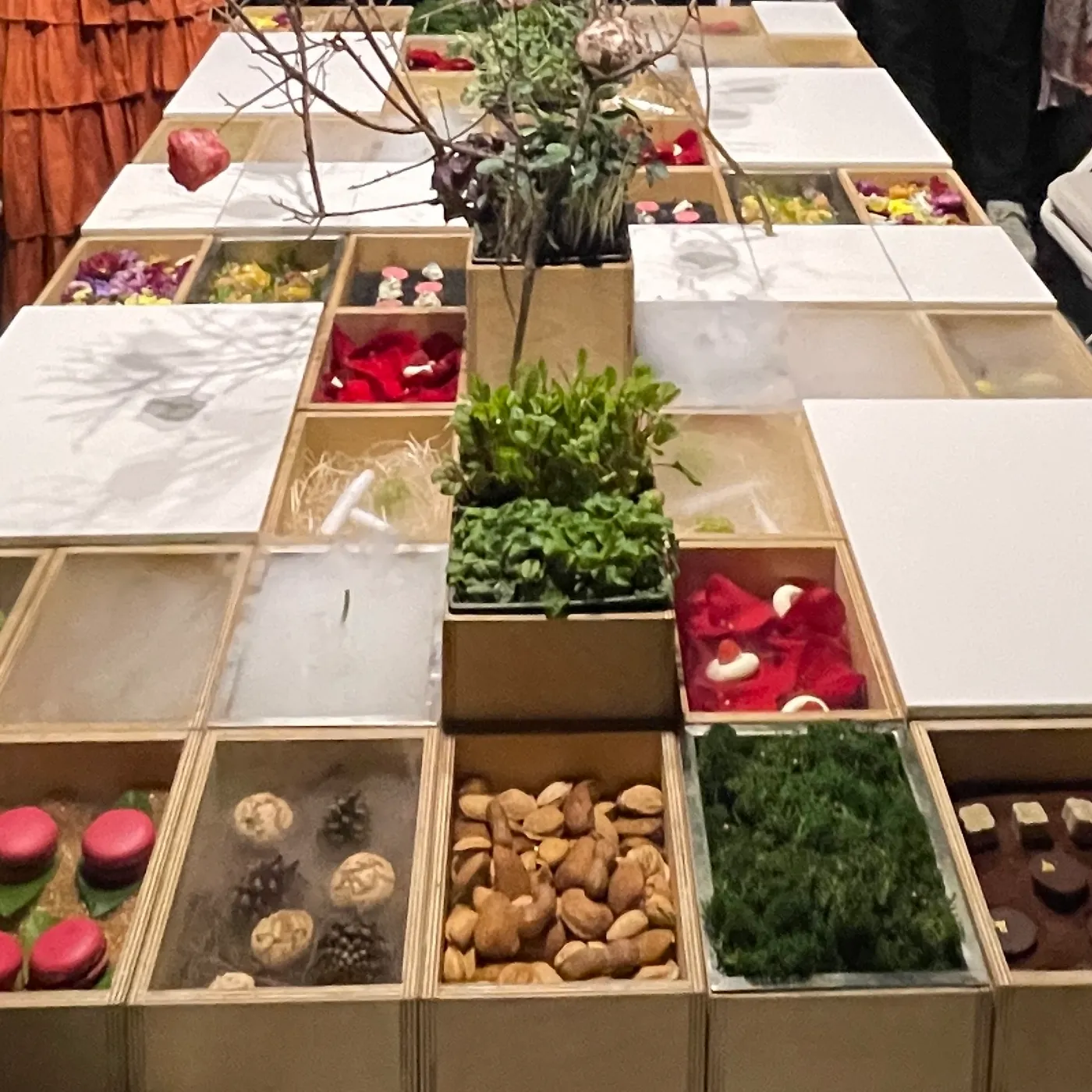
The Living Table from Disfrutar & TABLE M#01 by Merche Alcalá
The table we had been eating around became the final part of the meal. The Living Table grew from an idea brought to the restaurant by designer Merche Alcalá of Barcelona’s Studio MA, developed together with the Disfrutar team. The photographs show something of its landscape of sweets, flowers and plants. We will leave the workings of the table unexplained, just as the team does for guests who have yet to sit down.
What we drank
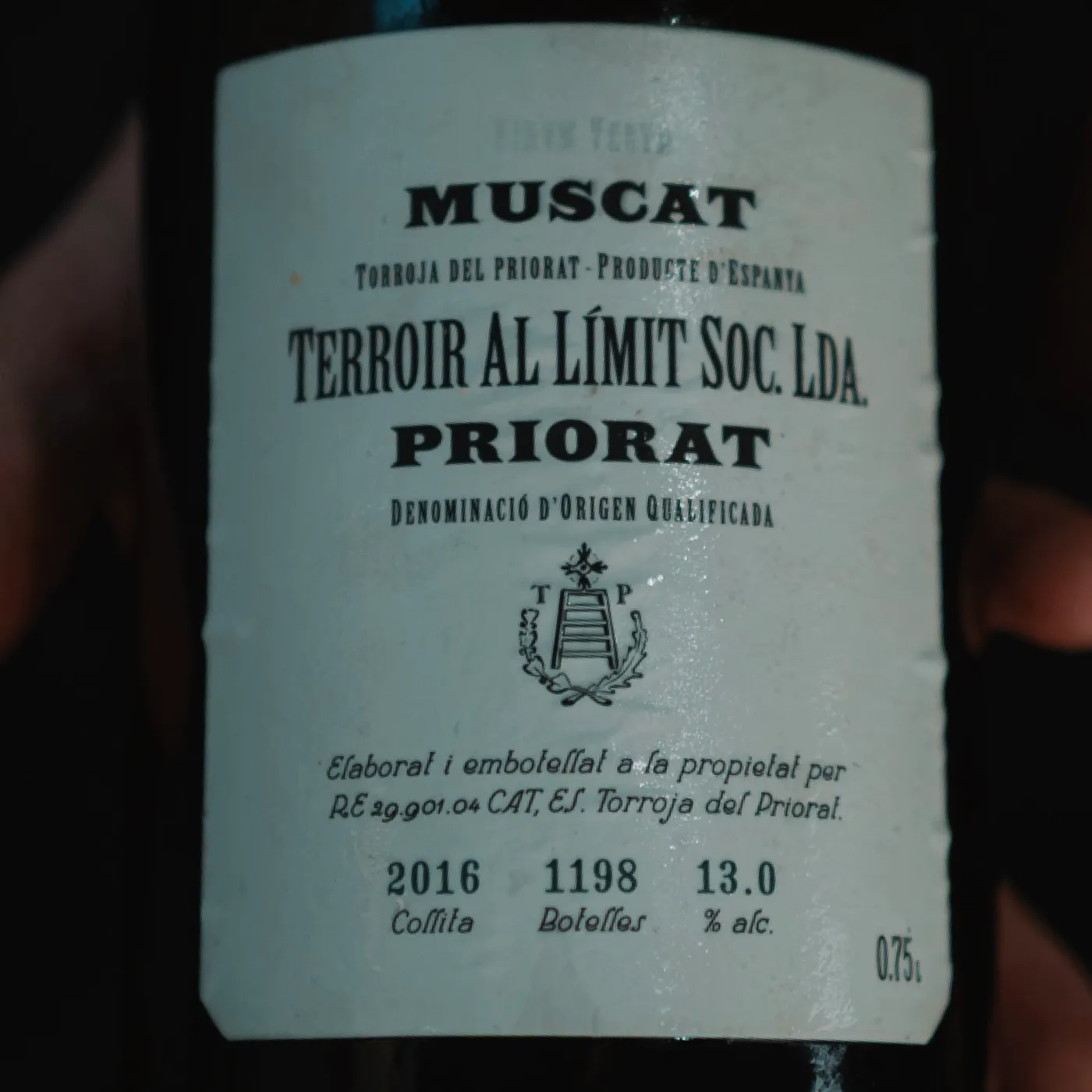
Terroir al Límit — Muscat 2016
Dominik Huber’s Muscat comes from Priorat, a region more often associated with powerful reds. Made entirely from Muscat of Alexandria, it gives this aromatic Mediterranean grape a place of its own. Our 2016 bottle belonged to a small production of just 1,198 bottles, with the label recording thirteen percent alcohol.
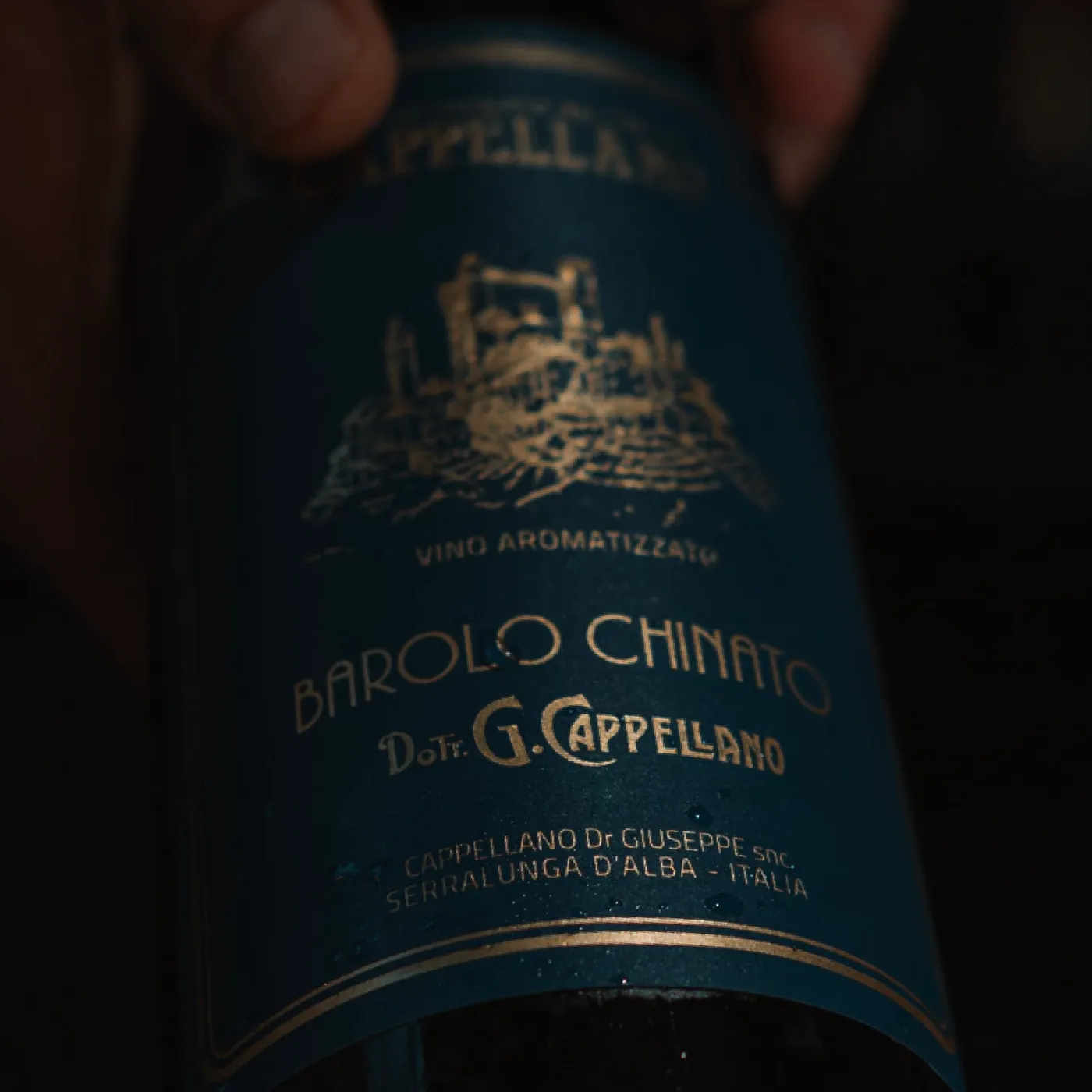
Cappellano — Barolo Chinato
The Cappellano family’s pharmacist ancestor, Giuseppe, created this recipe in the nineteenth century. Aged Barolo is infused with cinchona bark and a secret mixture of herbs and spices, then sweetened and fortified. The result brings bitterness and sweetness together in a wine traditionally enjoyed slowly, with an affinity for chocolate.
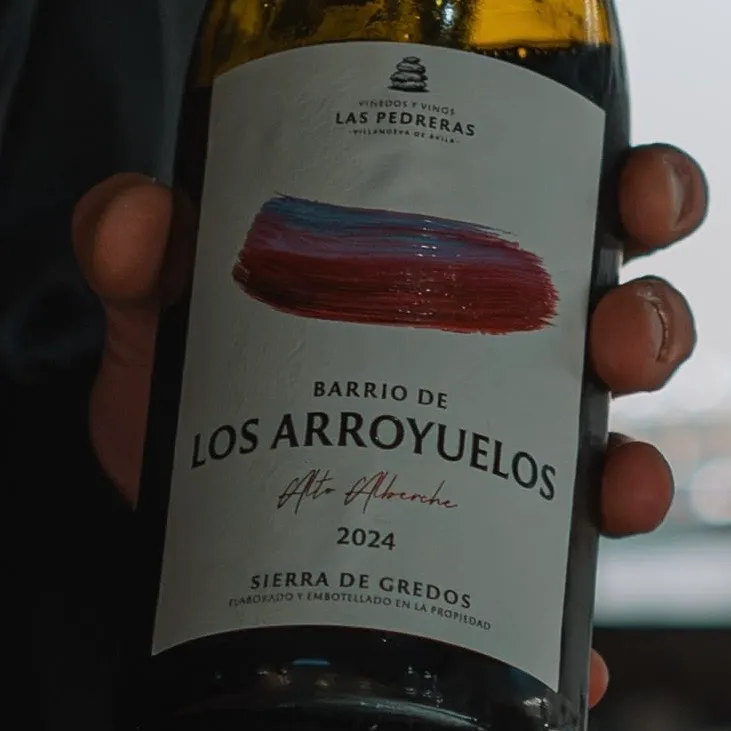
Las Pedreras — Barrio de Los Arroyuelos 2024
Bárbara Requejo and Guzmán Sánchez work with old Garnacha vines in the Alto Alberche valley, on the Ávila side of the Gredos mountains. This 2024 brings together small plots rooted in decomposed granite. Gentle ageing in used oak and steel keeps the emphasis on red fruit, mountain herbs and freshness.
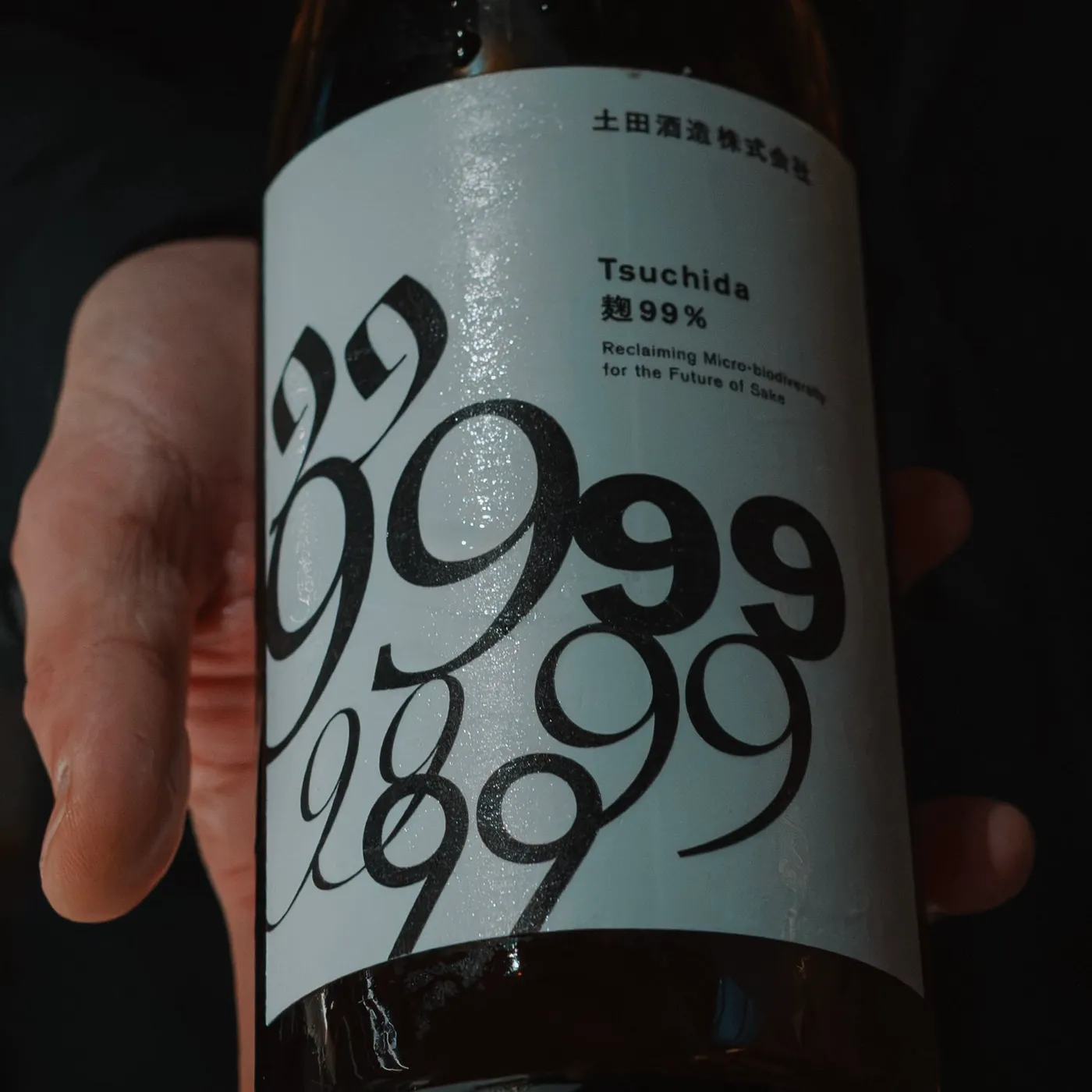
Tsuchida — Kōji 99%
The number on this sake refers to kōji: ninety-nine percent of its rice has been cultivated with the mould that makes fermentation possible. Most sake uses around twenty percent. Brewed in Gunma using the traditional kimoto method, Tsuchida 99 has a rich, sweet character, balanced by acidity and savoury depth.
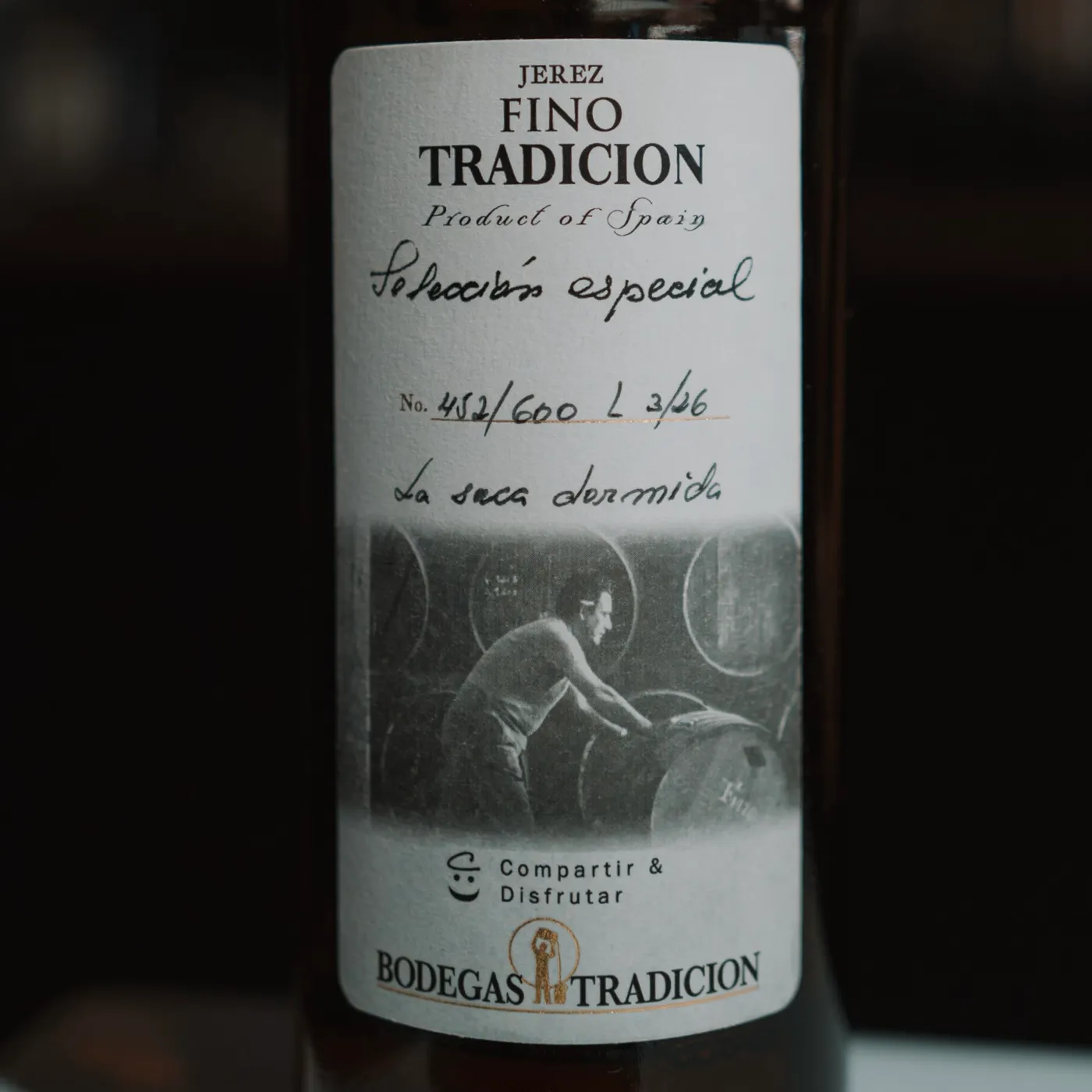
Bodegas Tradición — Fino “La Saca Dormida”
This special Fino carries both Compartir and Disfrutar on its label. Our bottle was numbered 452 of just 600. Made from Palomino and aged beneath flor, the living layer of yeast that protects the wine, it belongs to Jerez’s dry, savoury tradition. A special selection, bottled as La Saca Dormida.
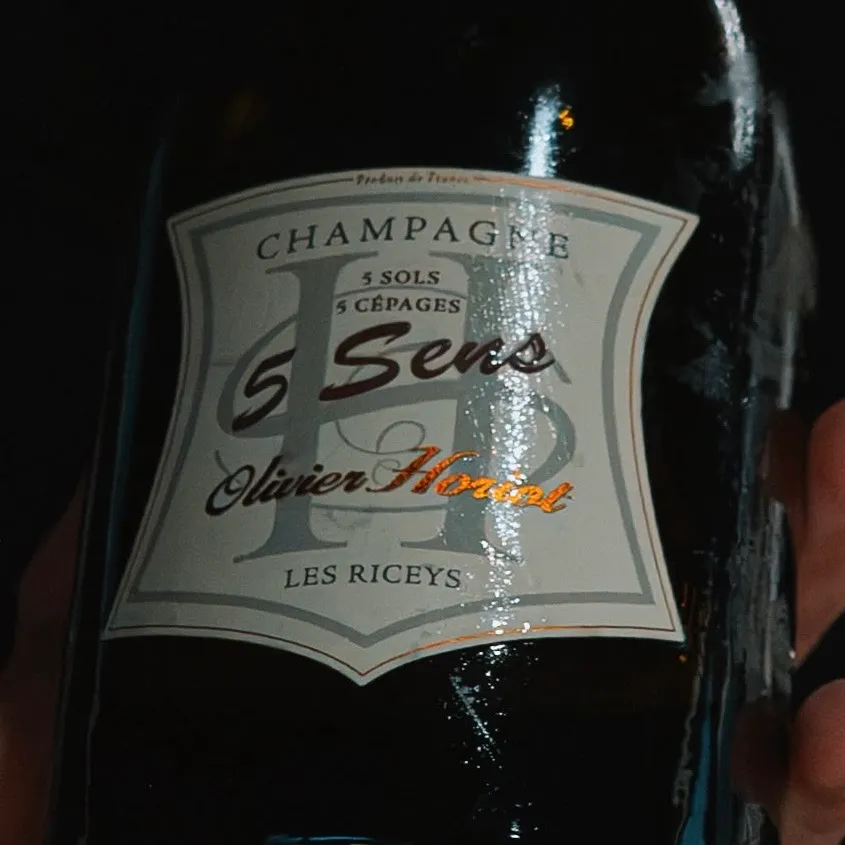
Olivier Horiot — “5 Sens” Champagne
Five grapes, five soils: Olivier Horiot’s Champagne brings together Chardonnay, Pinot Noir, Meunier, Pinot Blanc and the rarer Arbane. Each is vinified separately before blending. From Les Riceys, in the southern Aube, this is a reminder that Champagne’s diversity extends beyond its three familiar grapes, even within a single village.
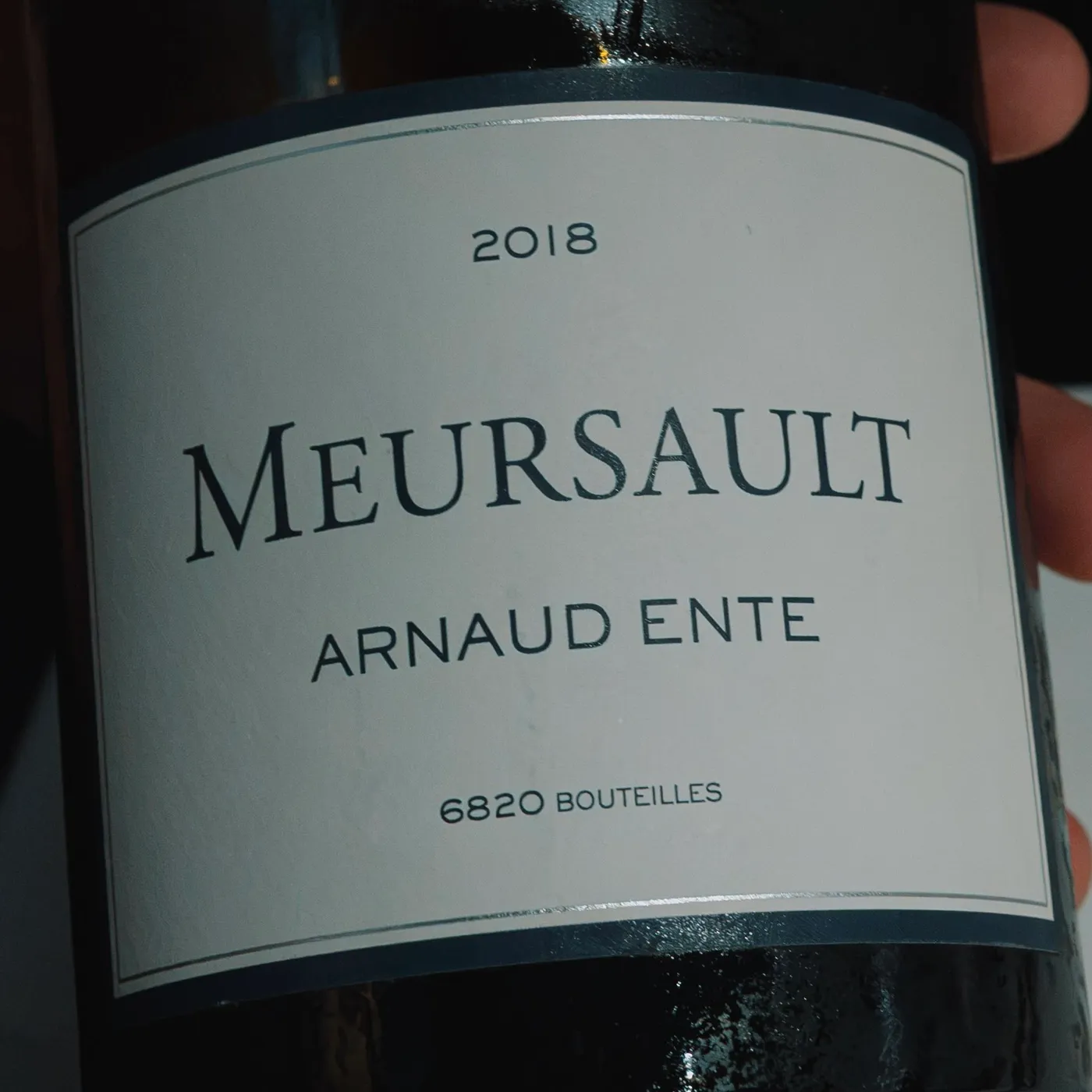
Arnaud Ente — Meursault 2018
Arnaud Ente’s 2018 Meursault is Chardonnay from Burgundy’s Côte de Beaune. He and Marie-Odile built their small domaine around family vineyards, taking responsibility for them in 1992. This is the village wine, rather than a named premier cru. The label records a production of 6,820 bottles for this particular vintage.
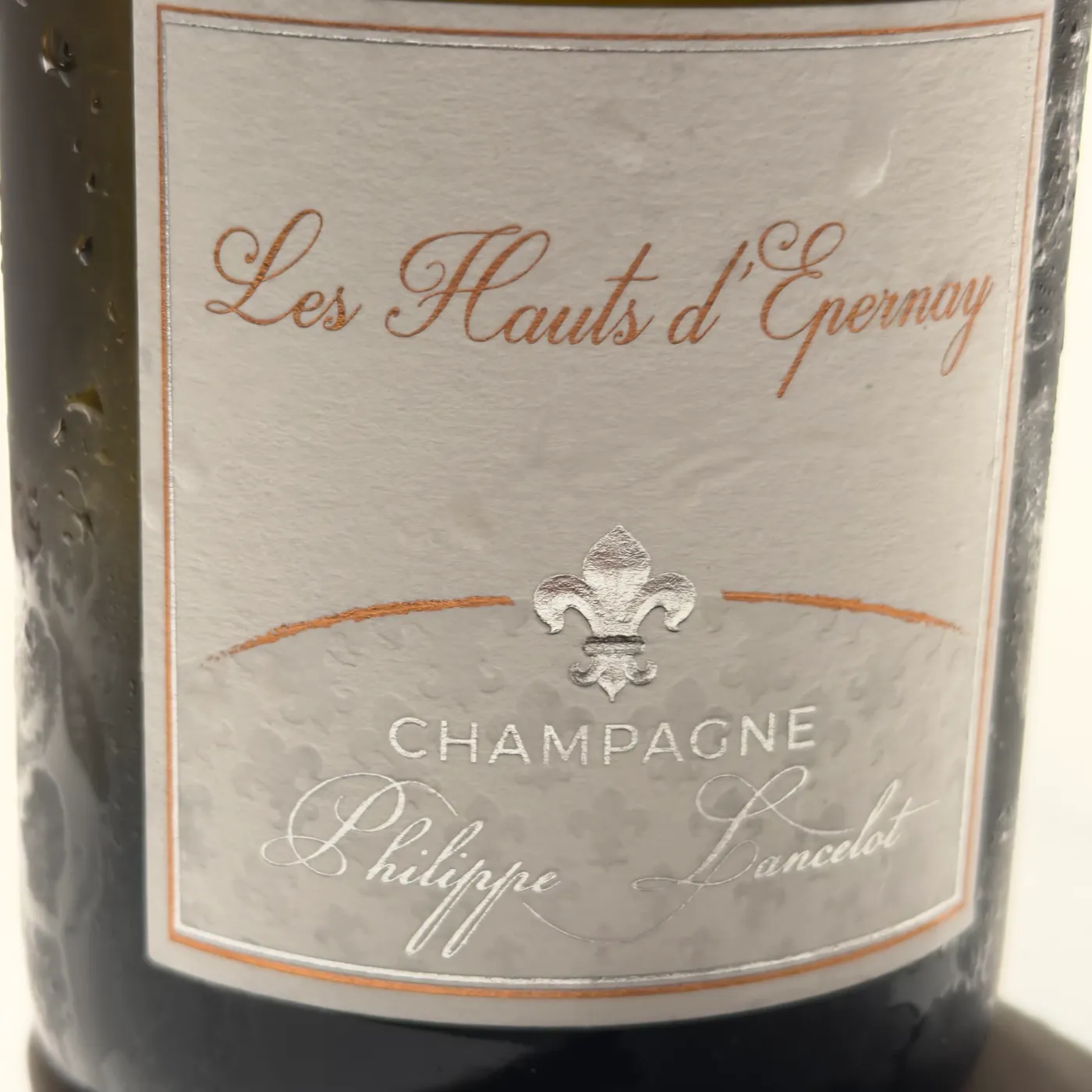
Philippe Lancelot — “Les Hauts d’Épernay” Champagne
Philippe Lancelot’s Les Hauts d’Épernay brings together Chardonnay, Pinot Noir and Meunier from the slopes above Épernay. His work begins with biodynamic farming and continues with a restrained approach in the cellar. Bottled as Extra Brut, the cuvée leaves little sweetness to soften the character of its fruit and place.
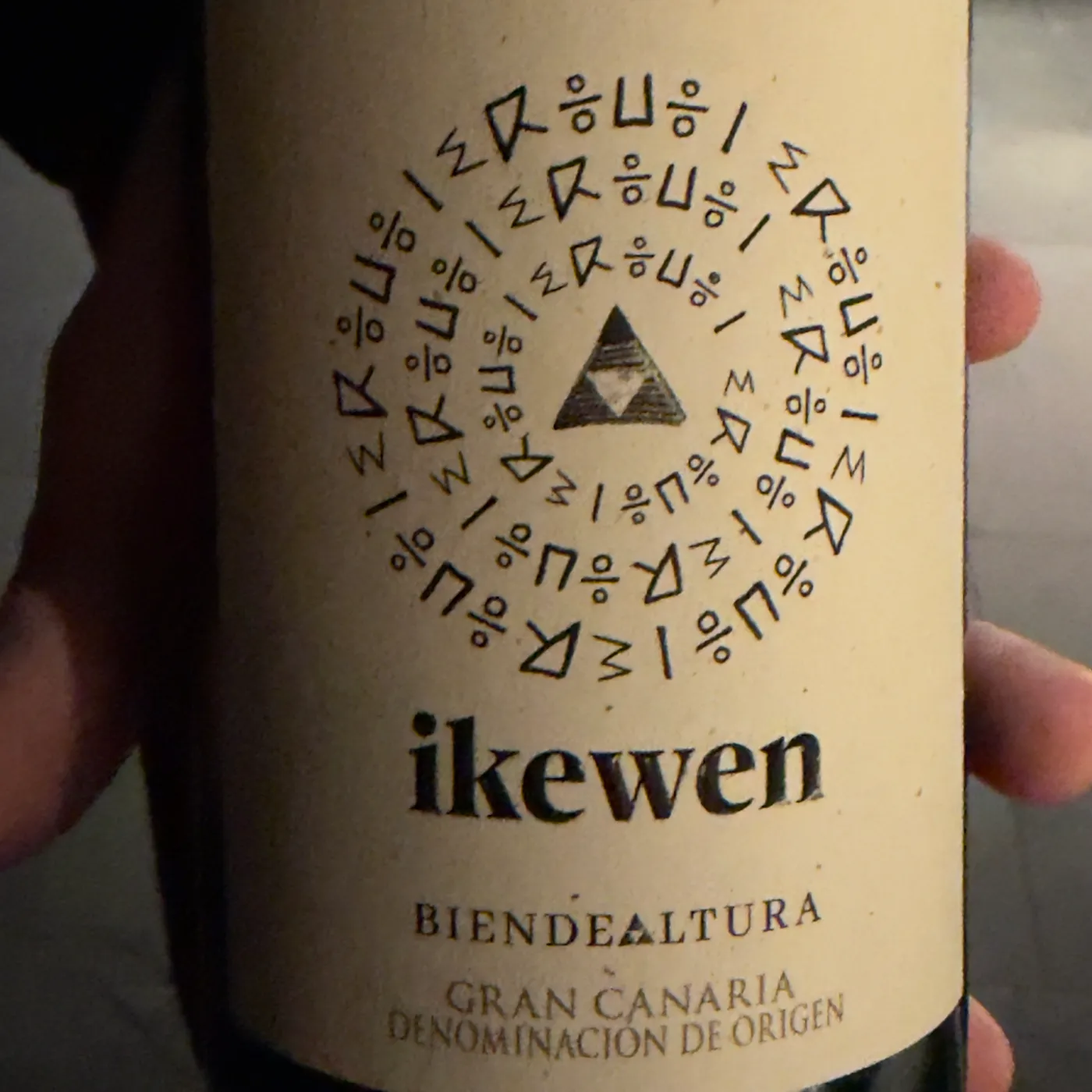
Bien de Altura — “Ikewen”
Carmelo Peña’s Ikewen comes from the high vineyards around San Mateo on Gran Canaria, where Atlantic trade winds temper the island’s warmth. Listán Negro, Listán Prieto and local white varieties grow together in volcanic soils. Its name means ‘origin’, a tribute to the family whose support helped him begin it.