Desde 1911
Wed, Oct 21, 2026
Desde 1911, Madrid
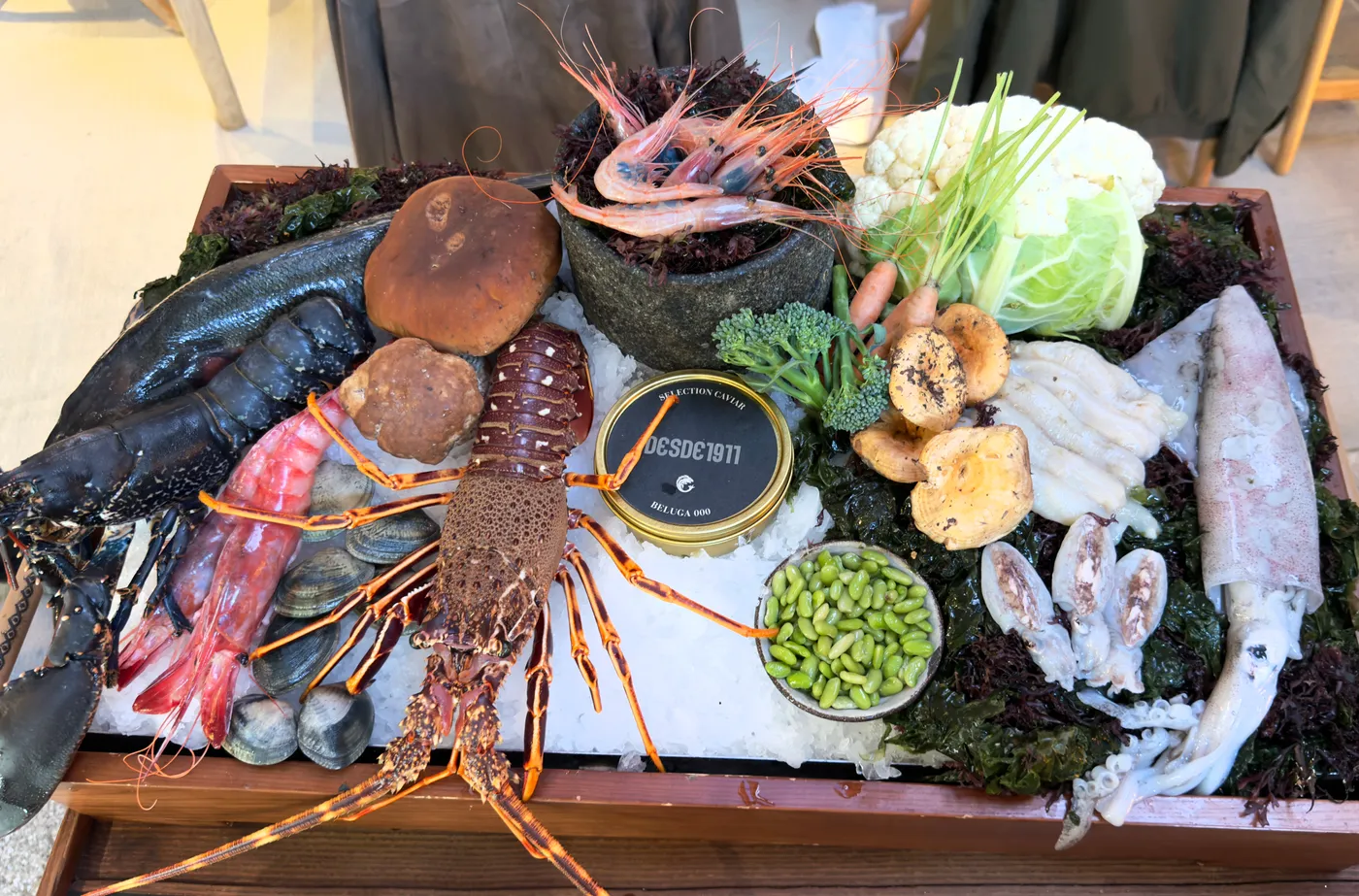
This is where I want to begin our lunch at Desde 1911: fish and shellfish on ice, with mushrooms and vegetables alongside. Before the finished dishes, a look at what the kitchen had to work with.
Behind Desde 1911 is Pescaderías Coruñesas, the historic seafood business founded in 1911 that gives the restaurant its name. The García Azpíroz family brings that long relationship with the sea into a restaurant where the menu follows the catch and the season.
Chef Diego Murciego works with those ingredients using, among other techniques, embers and a wood-fired oven. His explanations show how much thought goes into deciding what each preparation needs.
Our lunch was fantastic. And when we reached the cheeses, restaurant manager Abel Valverde gave us another reason to stay at the table. His pleasure in sharing his selection deserves a place in this story too.
Diego, Abel and sommelier Kevin Loughlin Ramírez have helped us remember the meal properly. Their explanations are woven into the photographs below, preserving how the dishes were made, the cheeses Abel chose and the thinking behind Kevin’s wines.
I’m glad we have their words alongside the pictures.
Our Menu
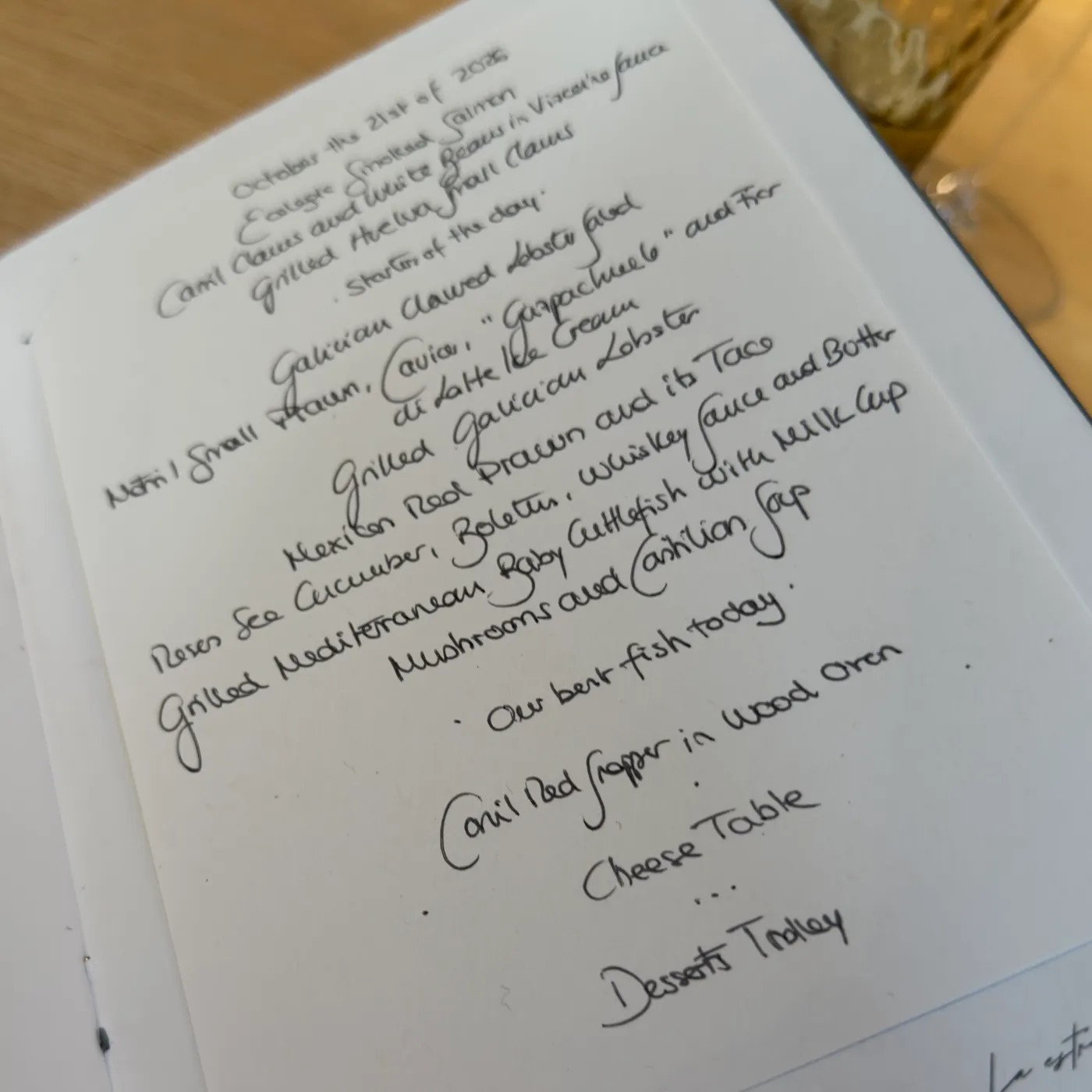
The handwritten menu for our lunch, following the seafood and autumn ingredients available that day.
What we ate
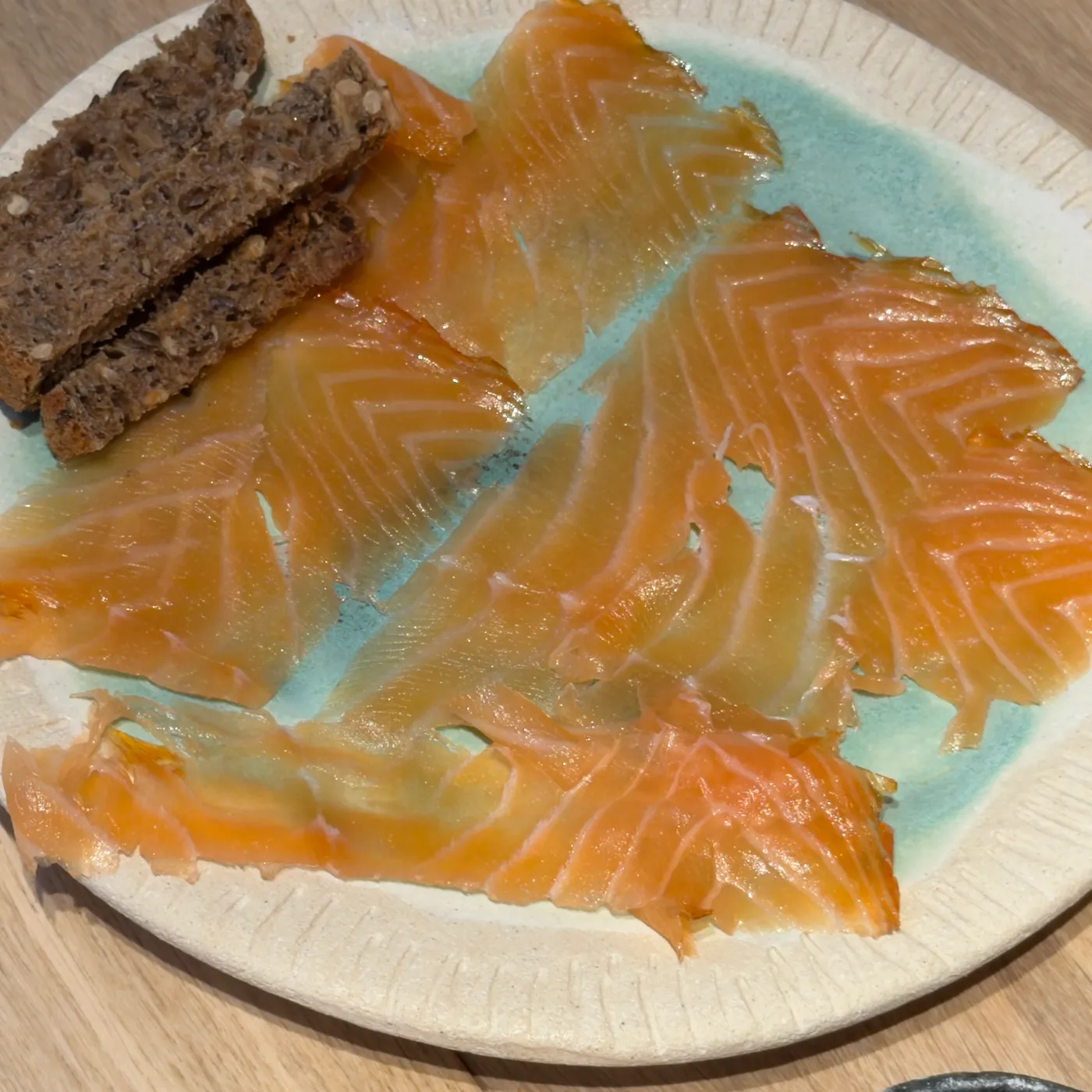
Smoked Salmon
Thinly sliced smoked salmon, with bread alongside.
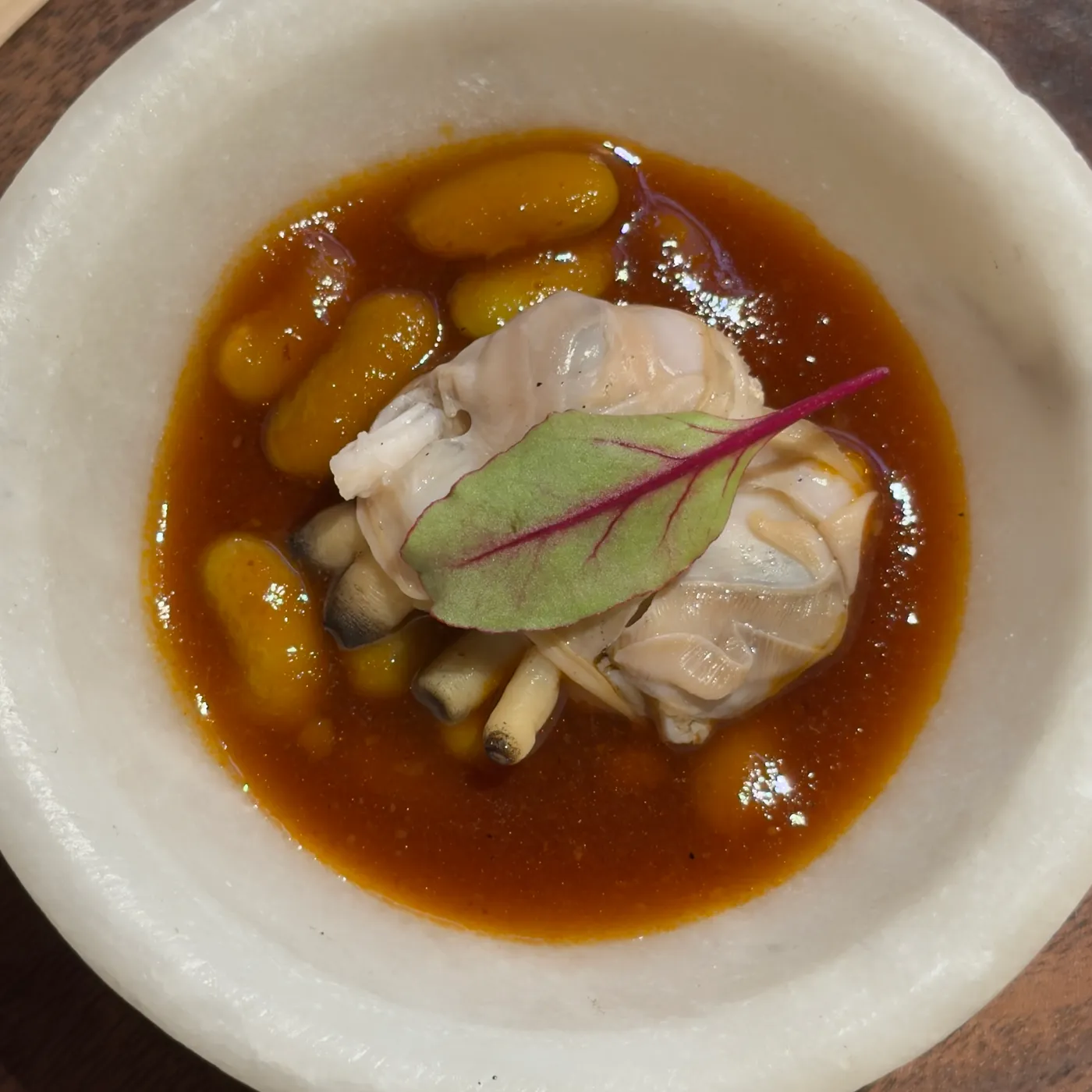
Verdinas with Galician Clams
With the weather turning cooler, Diego prepared verdinas, small green beans, with Galician fine clams.
The sauce is his version of a Basque salsa vizcaína. There is plenty of onion, piquillo peppers confited for six hours, and pimiento choricero. Pig’s trotter stock gives the stew body.
The beans and clams come together in a dish made for the beginning of autumn.
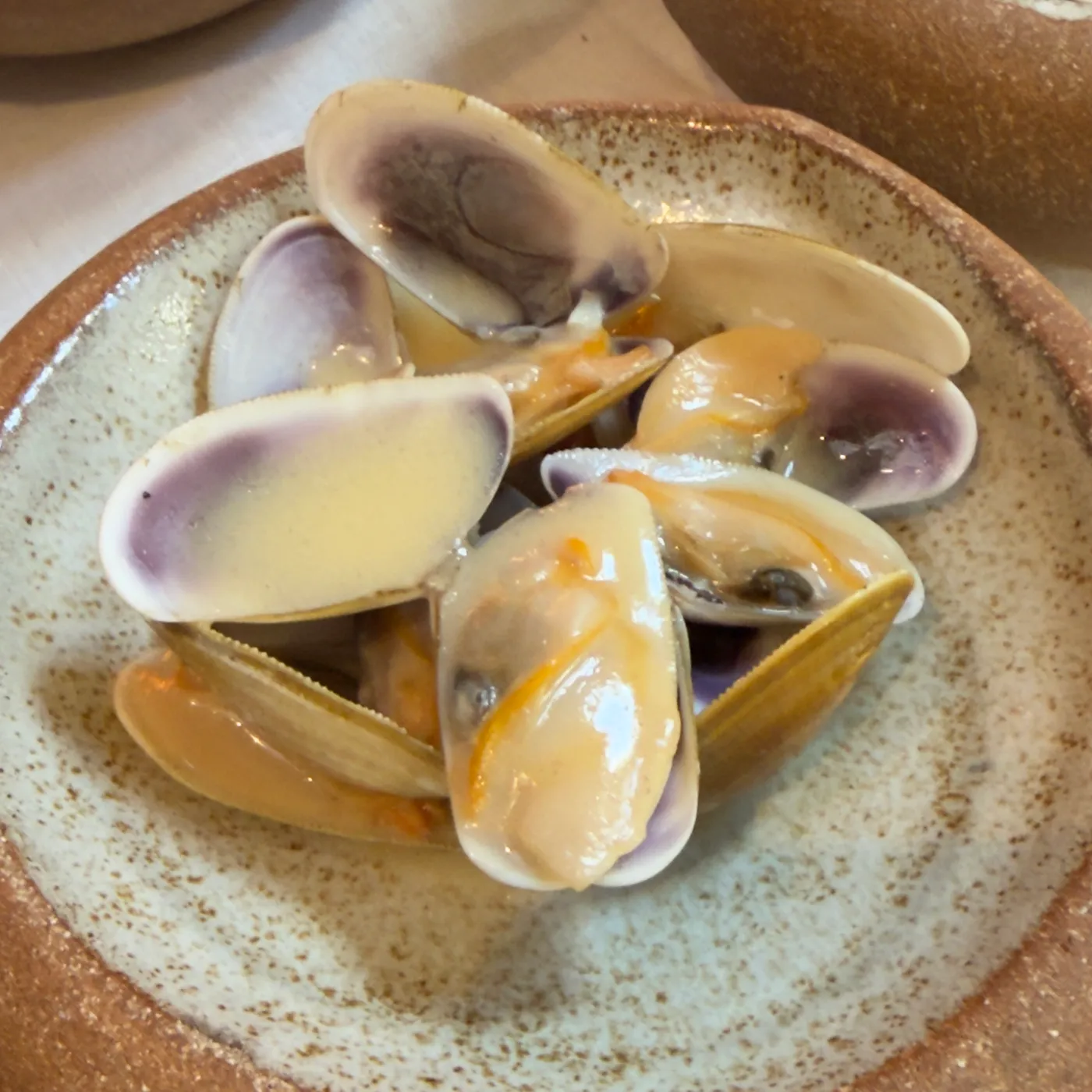
Grilled Coquinas from Huelva
Coquinas from Huelva, grilled and served in their shells.
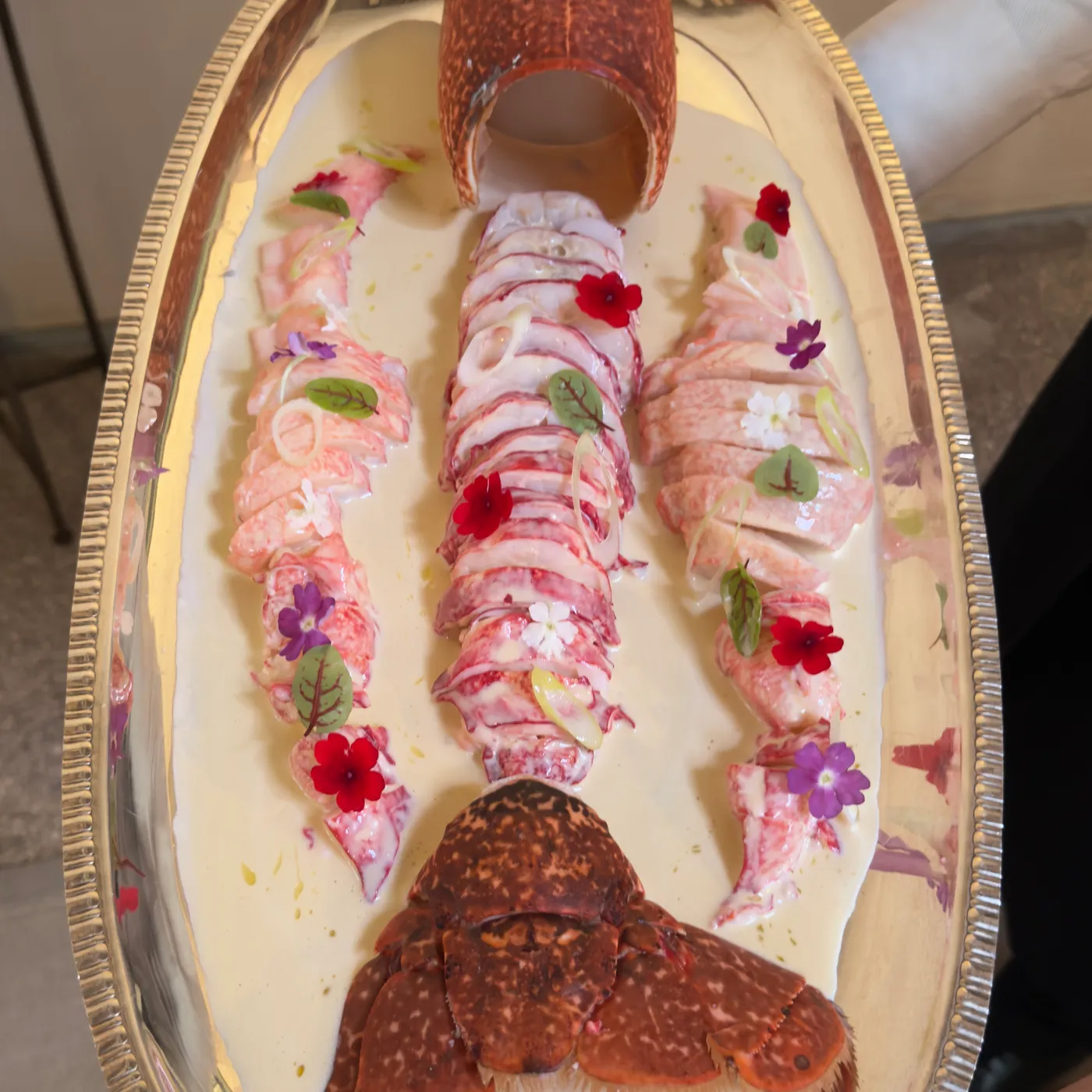
The Lobster Salpicón
This lobster salpicón has been part of Desde 1911’s menu since the restaurant opened.
For a group like ours, Diego prepares it with a large lobster and presents the meat on a platter with its shell. The one served at our lunch weighed between 2.5 and 3 kilograms.
The presentation makes an entrance. The preparation is deliberately restrained.
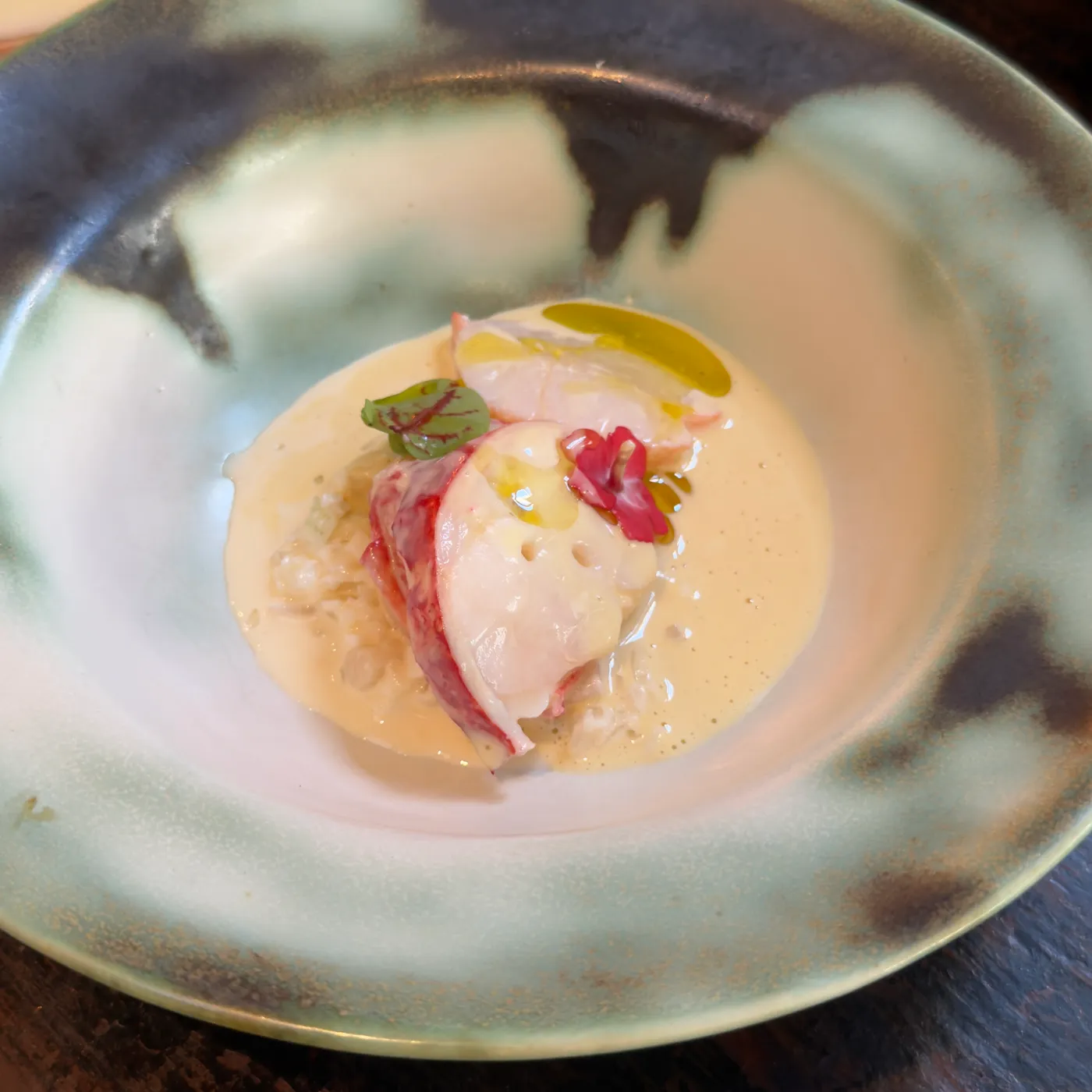
Our Serving of Lobster Salpicón
Diego explained that he wants to leave the lobster’s flavour as undisturbed as possible.
The light vinaigrette combines Chardonnay vinegar, cider vinegar, the lobster’s own coral and a little egg yolk to hold it together.
Underneath is the meat picked from the legs and small claws, with spring onion and egg white.
Very little added, with every part of the lobster put to use.
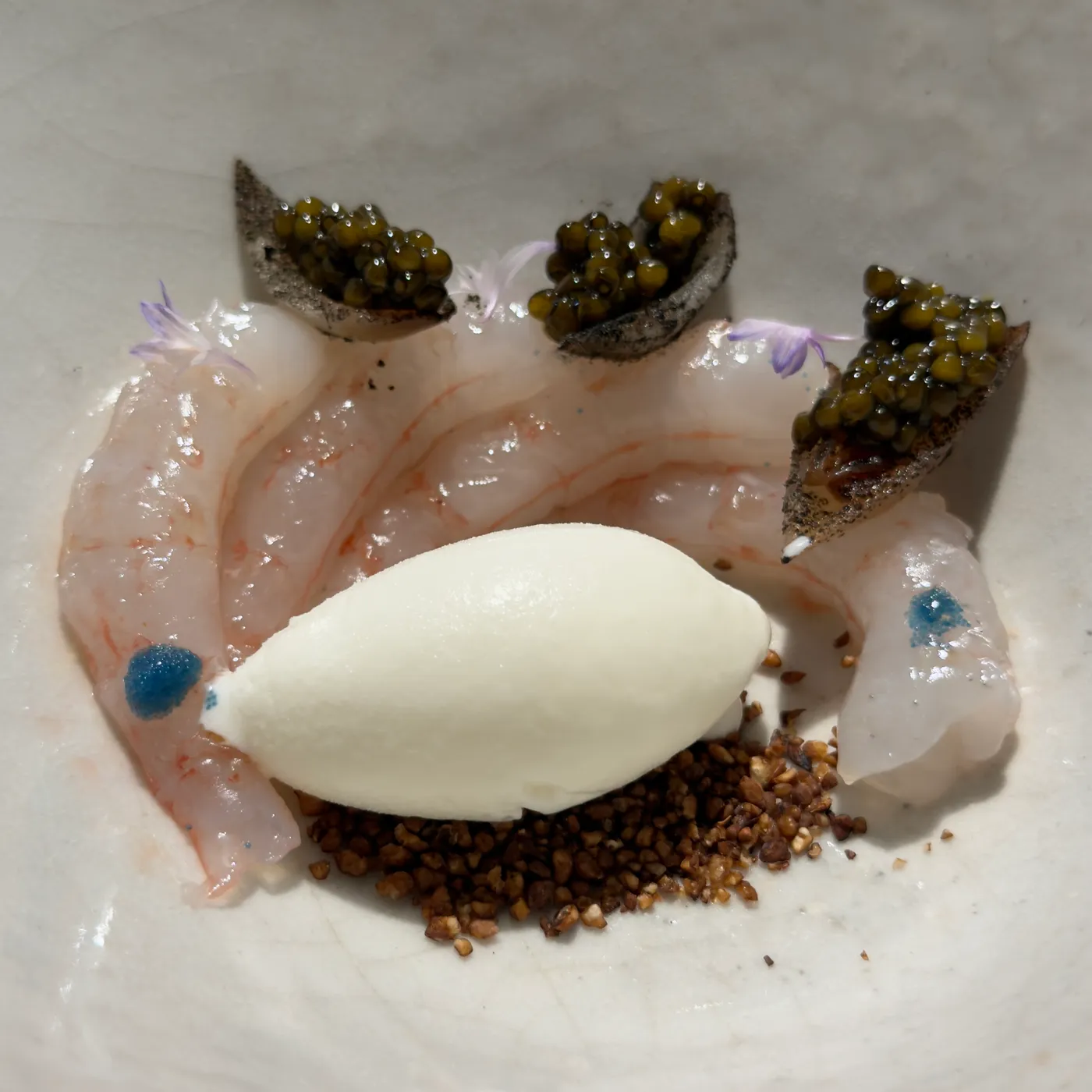
Motril Quisquillas, Gazpachuelo and Caviar
Diego likes to serve these small prawns from Motril raw because of their sweetness.
Their accompaniment takes its starting point from gazpachuelo, Málaga’s mayonnaise-based soup. His version uses hake collagen and an oil infused with ginger, lemongrass and lime leaf, with miso added.
Oscietra caviar brings a saline contrast. For our lunch, he also added fior di latte ice cream, made with mozzarella brought from Italy, to refresh the dish.
There is quite a lot behind this delicate-looking plate.
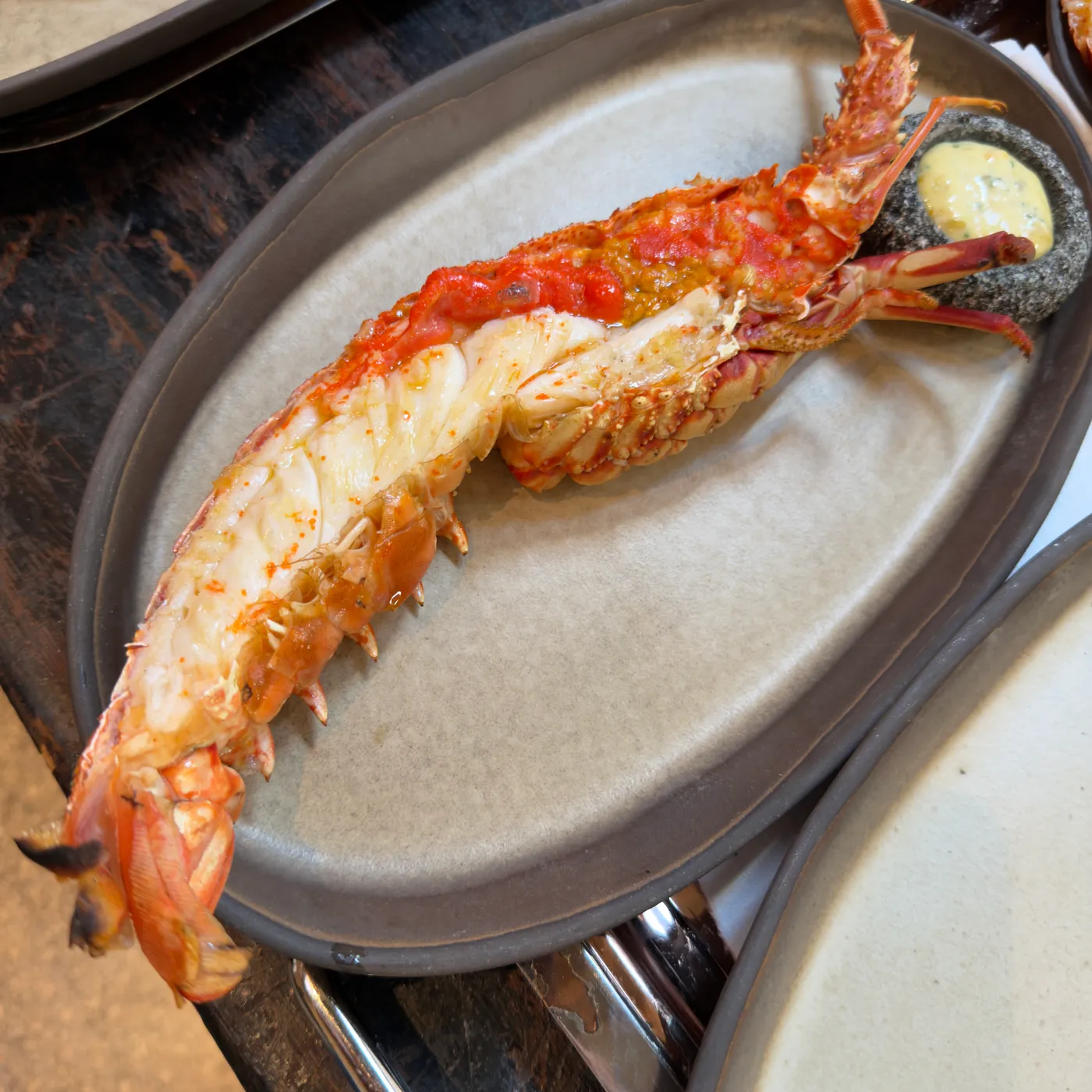
Grilled Galician Spiny Lobster
A different lobster, and a different preparation.
These Galician spiny lobsters weighed around 600 grams each. Diego gives them a preliminary cooking before finishing them over the embers, allowing him to control the cooking point more precisely.
Alongside is his own tartare sauce, with wasabi, spring onion, chives and cooked egg yolk.
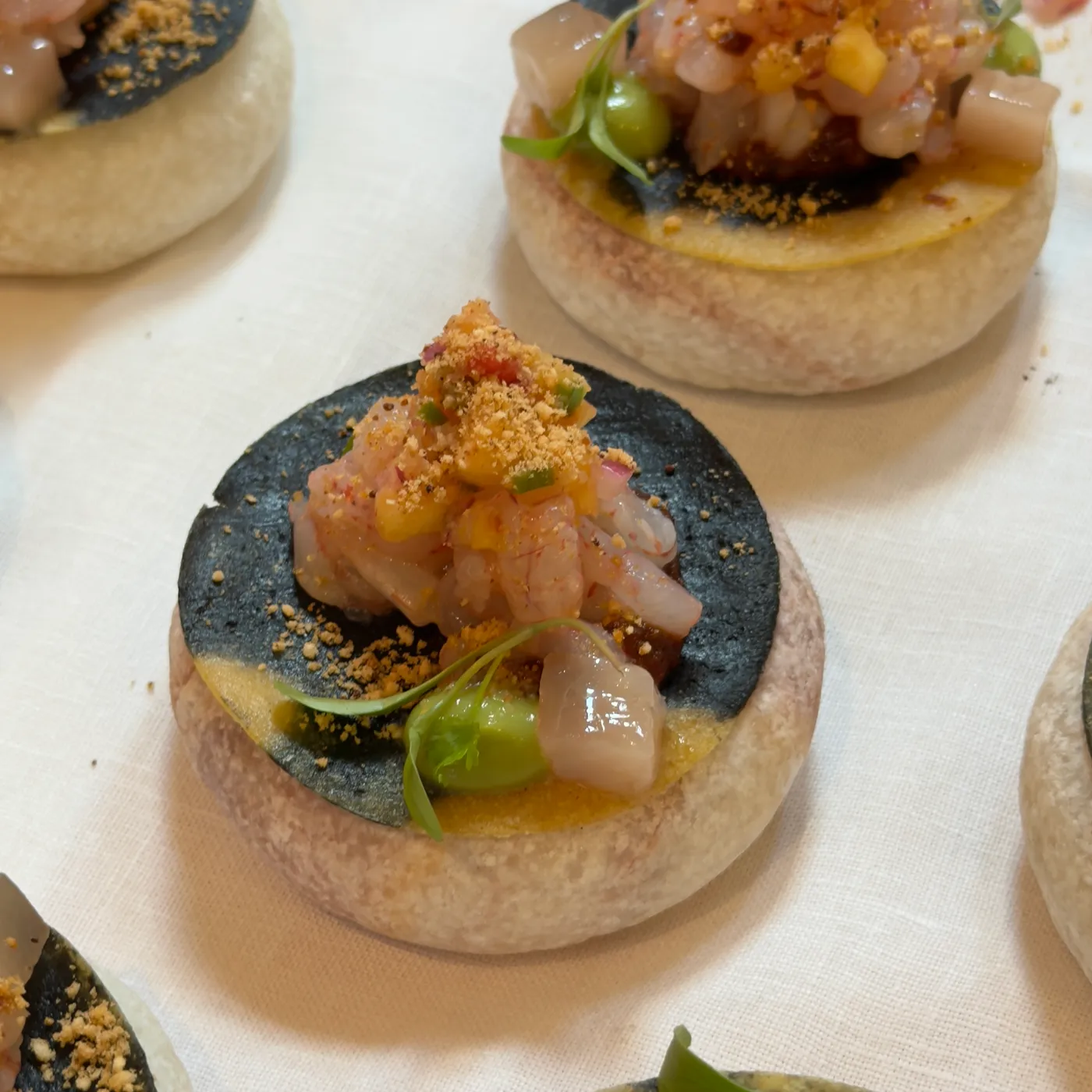
Gambusí Taco
For this two-part prawn course, Diego looked towards Mexico.
The taco holds raw gambusí, a small red prawn, with sofrito, a tomatillo-and-avocado emulsion and pico de gallo.
Small cubes of pork jowl add a salty touch.
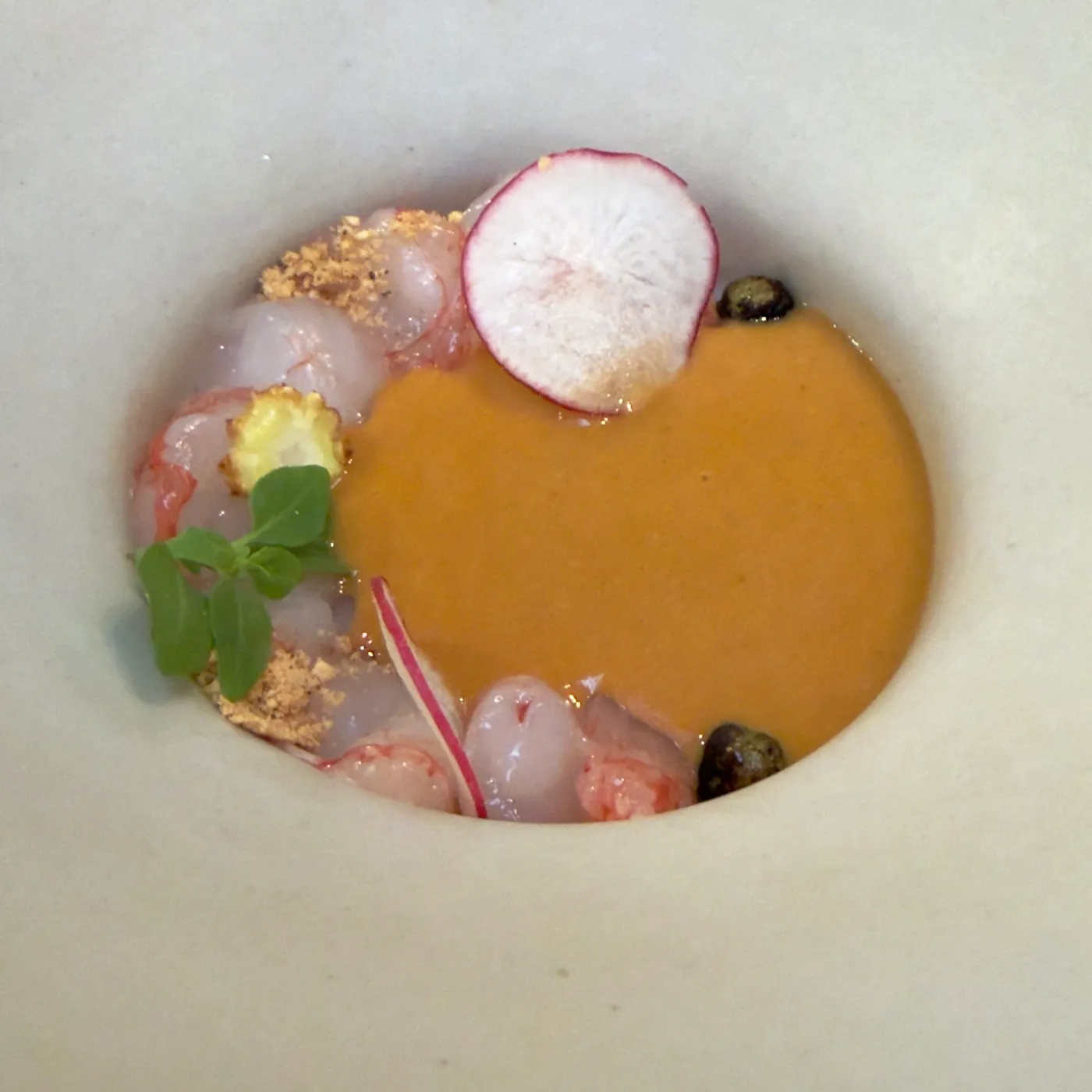
Palamós Red Prawn with a Mexican-Inspired Soup
The larger red prawn comes from Palamós and is also served raw.
Its soup begins with a stock of fire-charred vegetables. Diego adds a sofrito with green tomatillo, chorizo, plenty of onion and mezcal.
Fried corn tortillas help give the soup body and flavour.
The bowl and the taco belong together, using two sizes of prawn in preparations connected by the same Mexican inspiration.
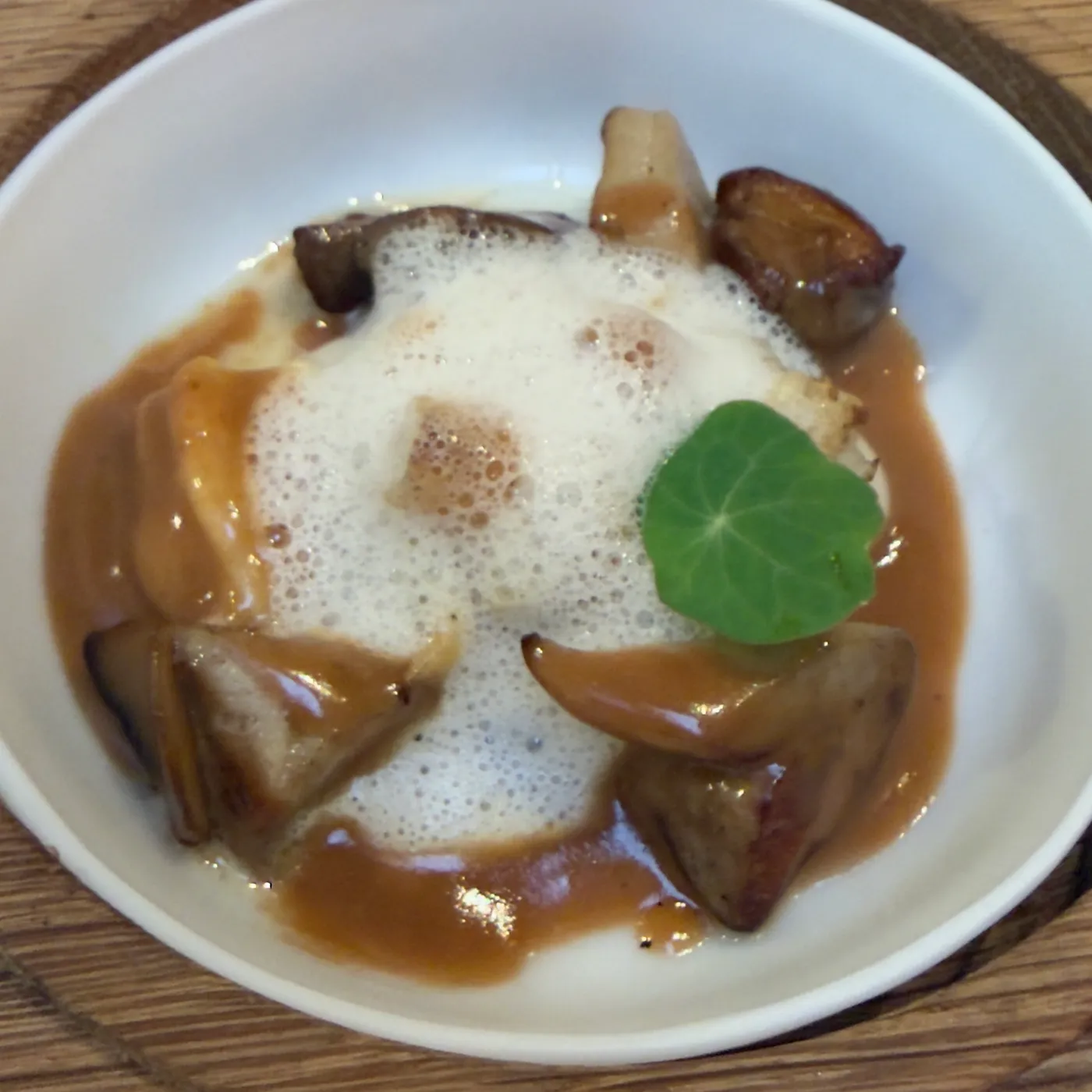
Roses Espardeñas, Chestnuts and Boletus
Espardeñas, the edible muscles of sea cucumbers, came from Roses.
For their accompaniments, Diego turned to what was beginning to arrive with autumn. Chestnuts became a purée with plenty of butter. The boletus mushrooms were confited and then finished over the embers.
The whisky sauce contains shallot, green peppercorns, reduced whisky and cream, demi-glace and skate collagen.
To finish, a foam of goat’s butter and white truffle. The butter comes through the restaurant’s cheese suppliers, a small connection between Diego’s kitchen and Abel’s selection.
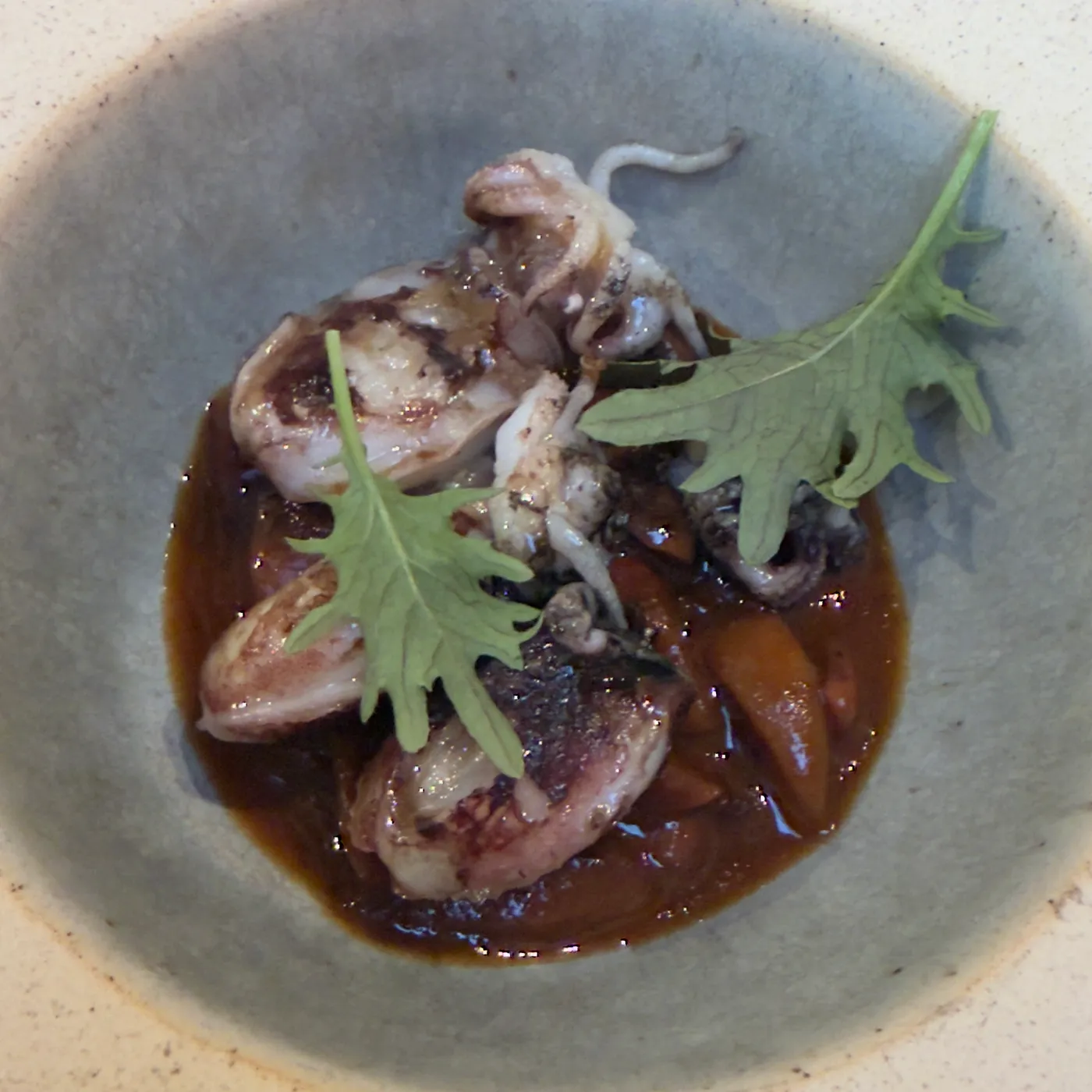
Sopa Castellana with Mediterranean Baby Cuttlefish
This dish is Diego’s nod to Manolo de la Osa and his sopa castellana.
Diego’s version leaves out the bread. Its base combines poultry stock, tendon jus, smoked blood sausage and plenty of onion.
Garlic enters in three forms: whole charred cloves, roasted garlic purée and, at the end, raw garlic to complete the flavour.
For our lunch, he added a stew of níscalos, the milk cap mushrooms coming into season, and grilled Mediterranean baby cuttlefish.
His own version of mar y montaña, bringing the sea and the land together.
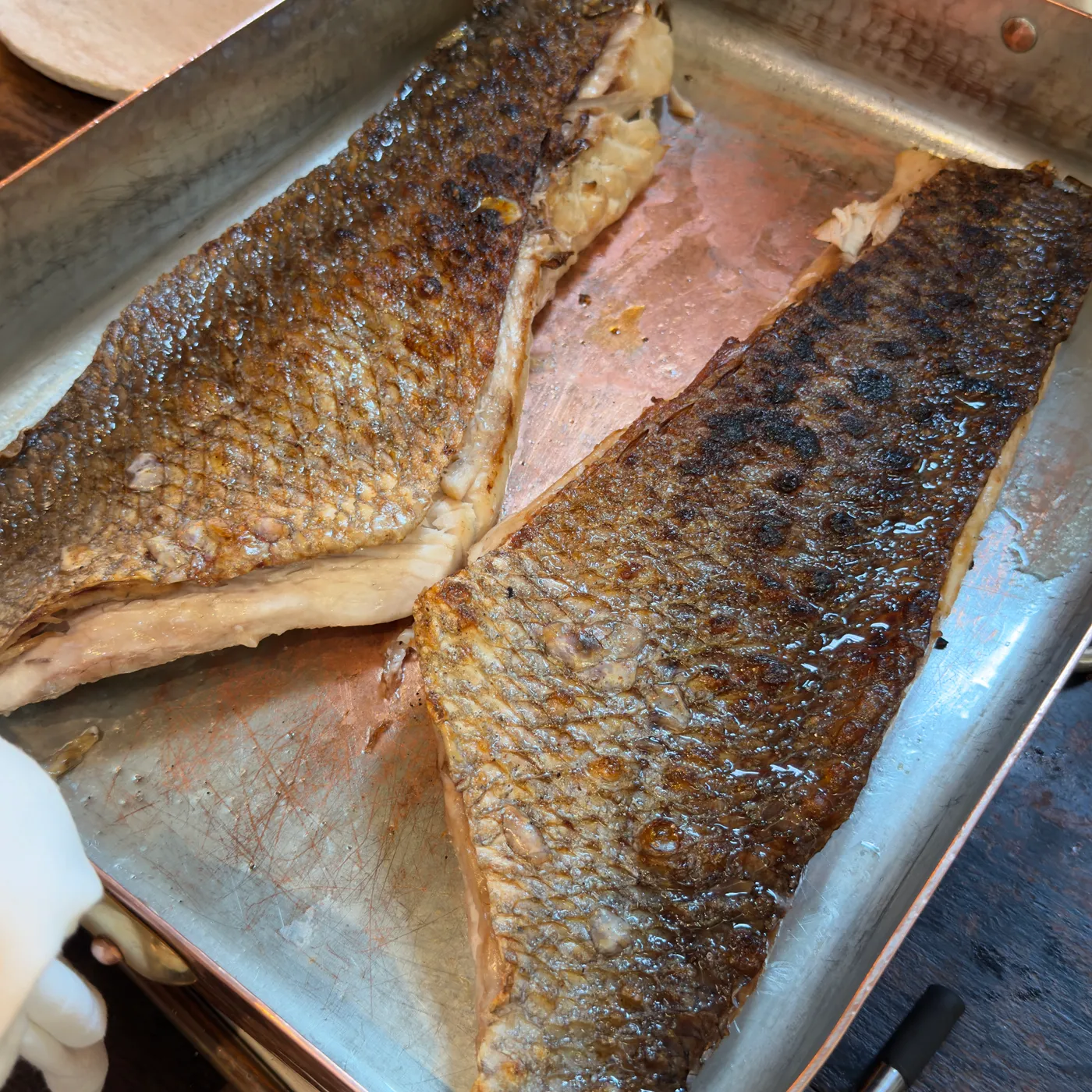
The Snapper from Conil
Our final fish, presented as two grilled halves before serving.
Diego works with snapper from Conil weighing between 8 and 10 kilograms. The fish spends five to seven days in the restaurant’s maturation chamber before being seared over the embers and finished in the wood-fired oven.
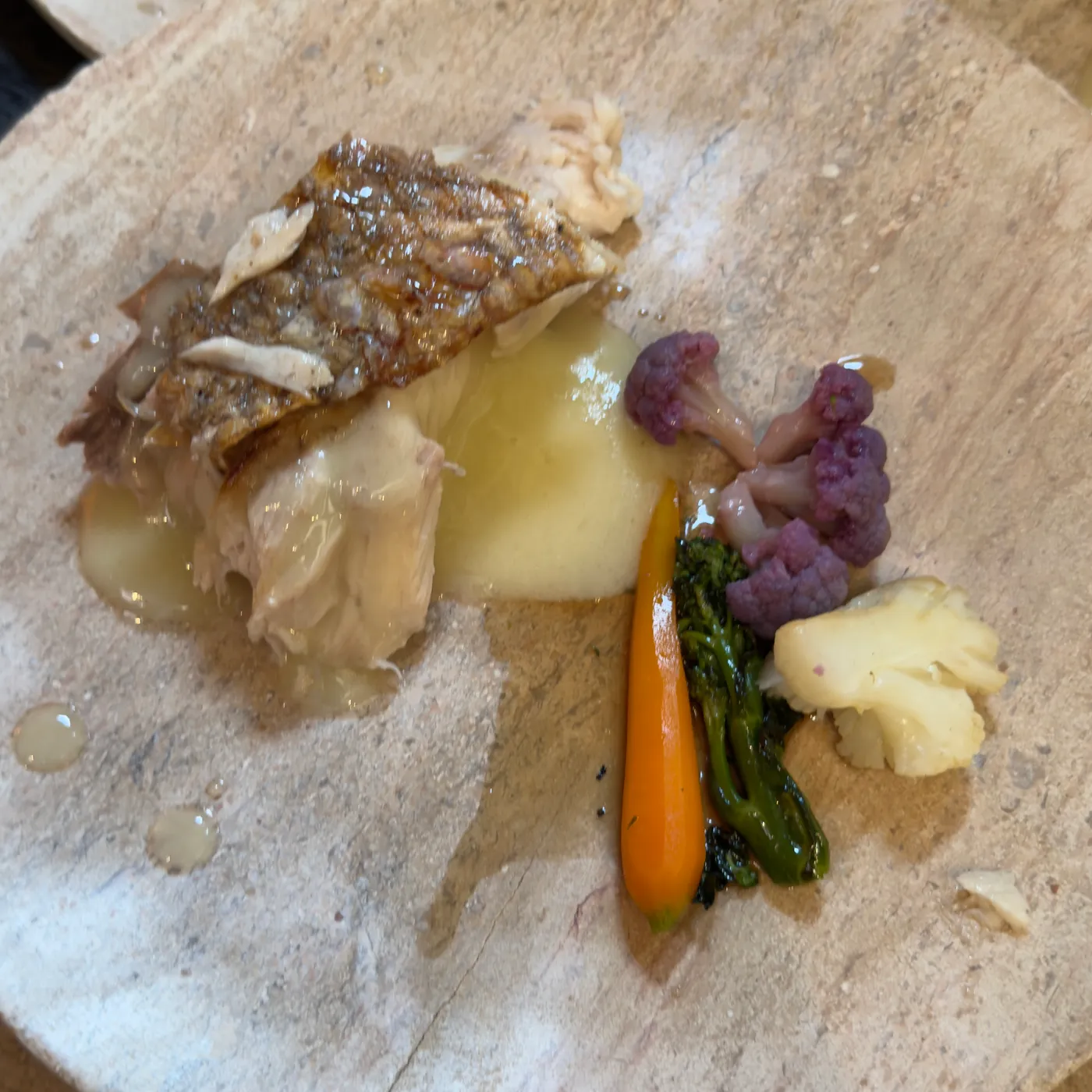
Our Serving of Snapper
The fish’s cooking juices are collected and combined with garlic oil for a bilbaína-style dressing, with vegetables alongside.
After explaining the preparation, Diego ended simply: “Nothing more.”
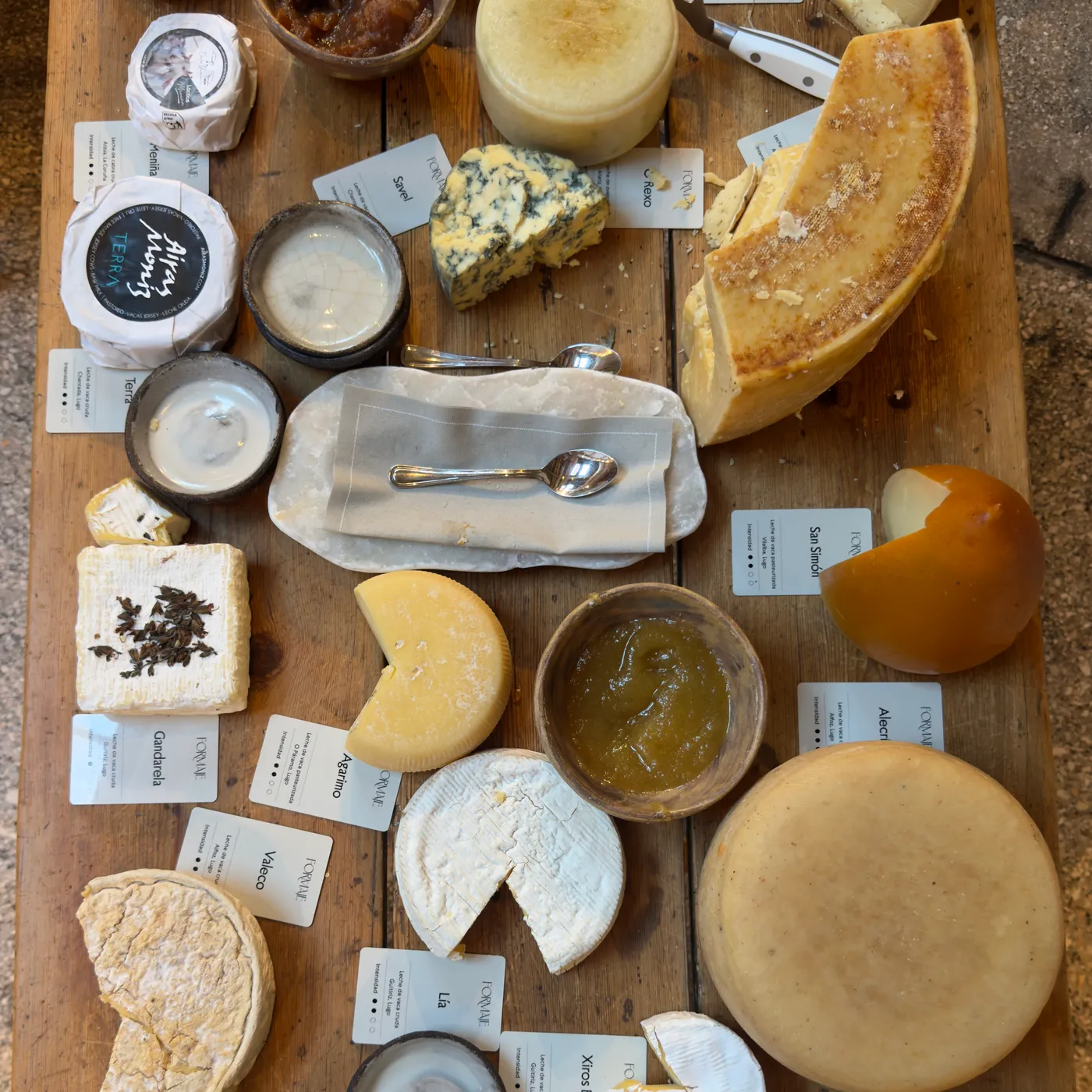
Desde 1911’s Cheese Board
A look at Desde 1911’s cheese board.
Our own tasting selection, chosen and explained by Abel, follows.
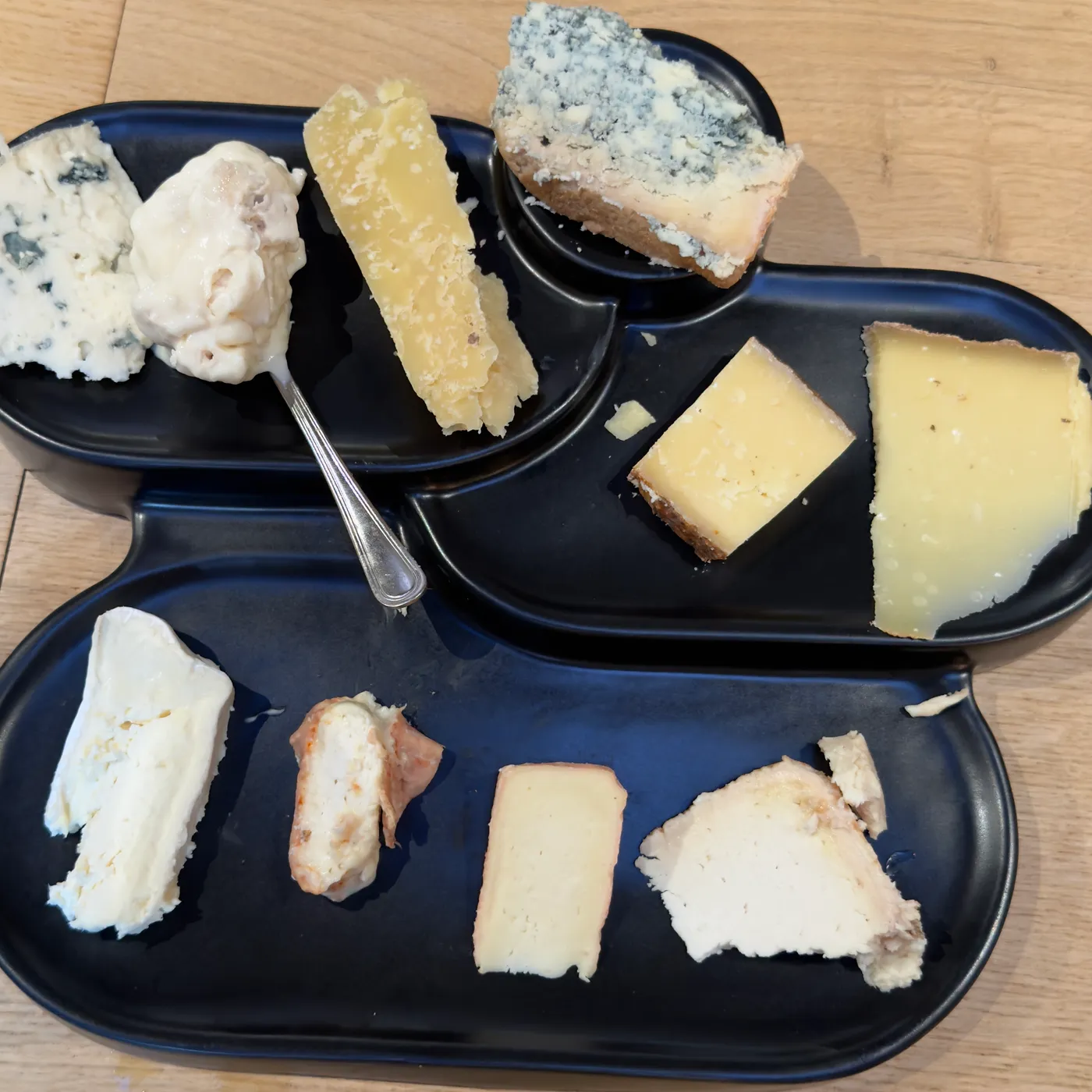
Our Cheese Selection, with Abel Valverde
Abel put together ten cheeses for us: four soft cheeses, three aged cheeses and three blues. Starting at the bottom right, this is how he guided us through the plate.
We began with Brillat-Savarin, a French triple-cream cheese with a white bloomed rind. Next came Guaral from Valladolid, a creamy goat’s cheese with a little acidity and a coating of pimentón, the Spanish red-pepper seasoning.
Then Munster, the strong French cheese Abel described as one of his favourites. Espadán, a goat’s cheese from Castellón with a rind treated with virgin olive oil, completed the first group.
For the aged cheeses, Abel chose a special 38-month Comté from Marcel Petite, followed by Mahón from Menorca, aged for two years. The third was Galmesán, made with local Galician cow’s milk in a Parmesan-inspired style.
We finished with three blues. First, Tosi Gorgonzola Dolce, which Abel introduced as a limited “Gold” edition. Then a blue from Rogue Creamery in Oregon, before finishing with Cabrales from El Teyedu.
Abel left this traditional shepherd’s cheese until last, describing it as one of Spain’s most powerful cheeses.
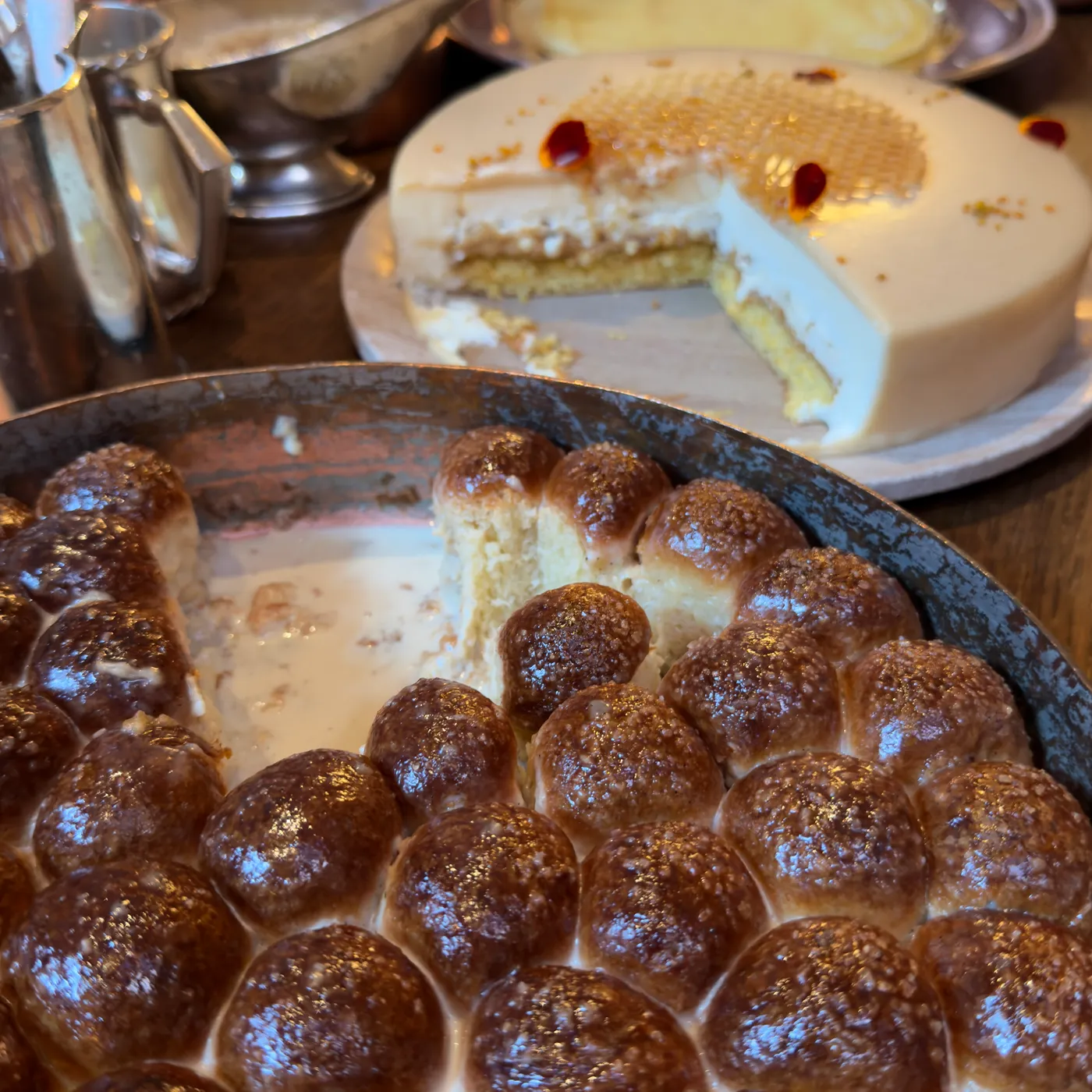
Desserts
Baba au rhum, with cake alongside, to finish our lunch.
What we drank
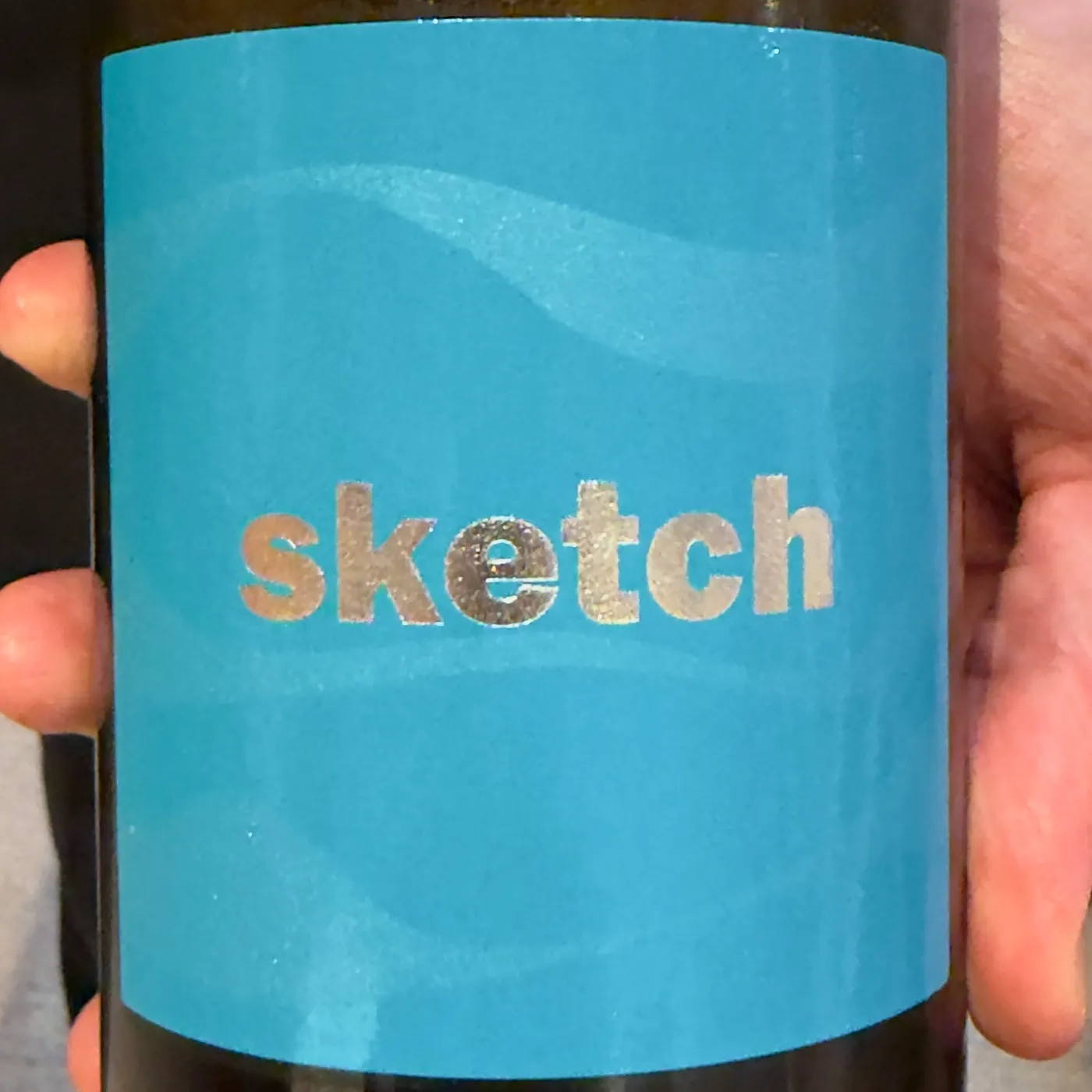
Sketch, Raúl Pérez | Albariño, Galicia
The wines, with Kevin Loughlin Ramírez
Kevin’s choices took us from an Atlantic Albariño to a fuller white Rioja and, finally, a red from Bierzo.
He talked us through the vineyards and the winemaking, explaining what he wanted us to notice in each glass.
We began with Sketch, an Albariño from vineyards close to the Atlantic in Rías Baixas.
Kevin drew our attention to its salinity and crispness, qualities that connect the wine to this stretch of the Galician coast.
It spends around a year in barrel. As Kevin explained, Pérez uses the wood to allow the wine to develop while keeping overt oak flavour in the background.
He also told us about the early underwater-ageing experiments associated with Sketch. An intriguing part of its history, although its maritime character begins in the vineyard.
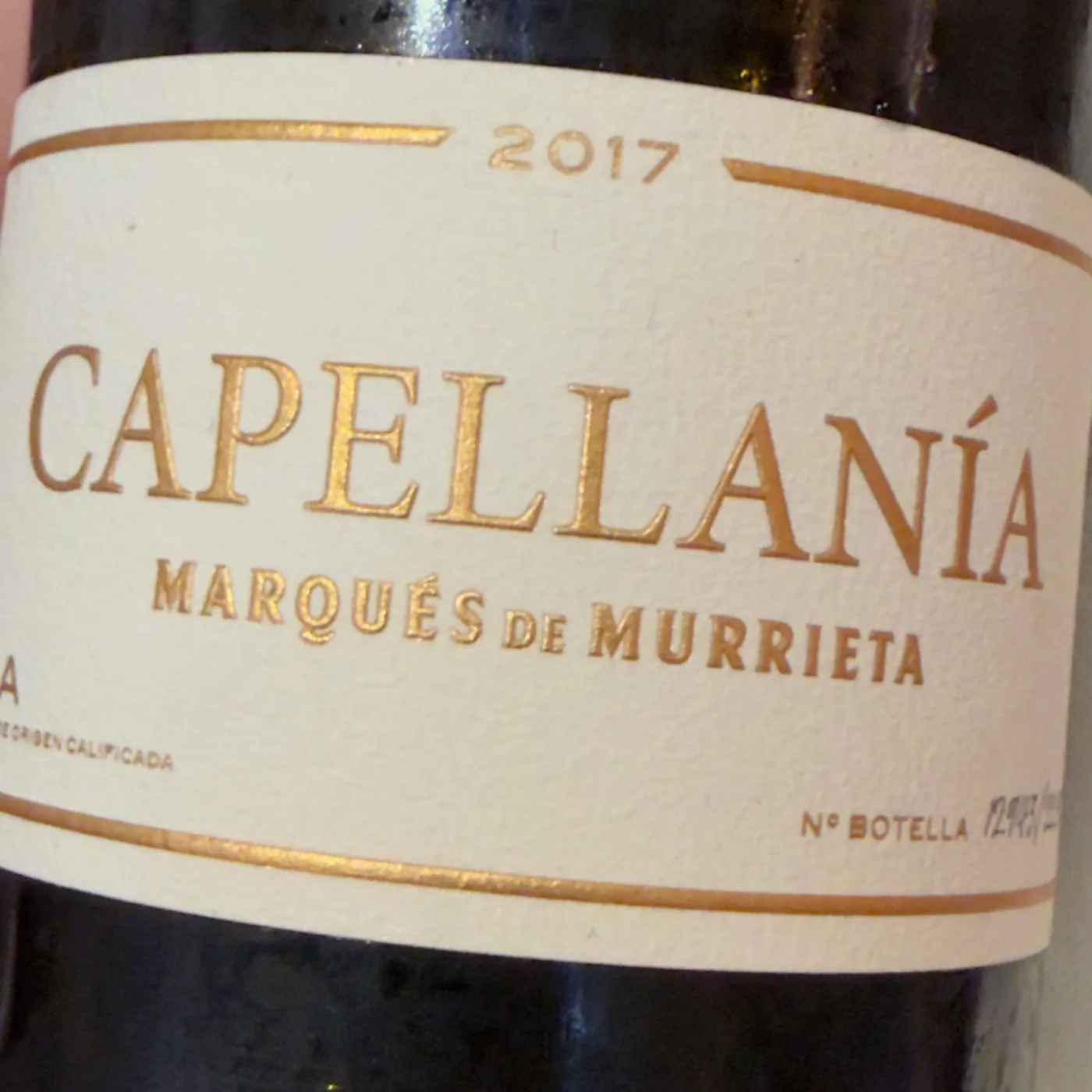
Capellanía 2017, Marqués de Murrieta | Viura, Rioja
Next came Capellanía 2017, a fuller white Rioja made entirely from Viura.
This vintage spent 24 months in new French oak barrels.
Here, Kevin explained, the oak was more apparent. He described the wine’s greater weight and gently oxidative character, a different expression from the freshness and salinity of our opening Albariño.
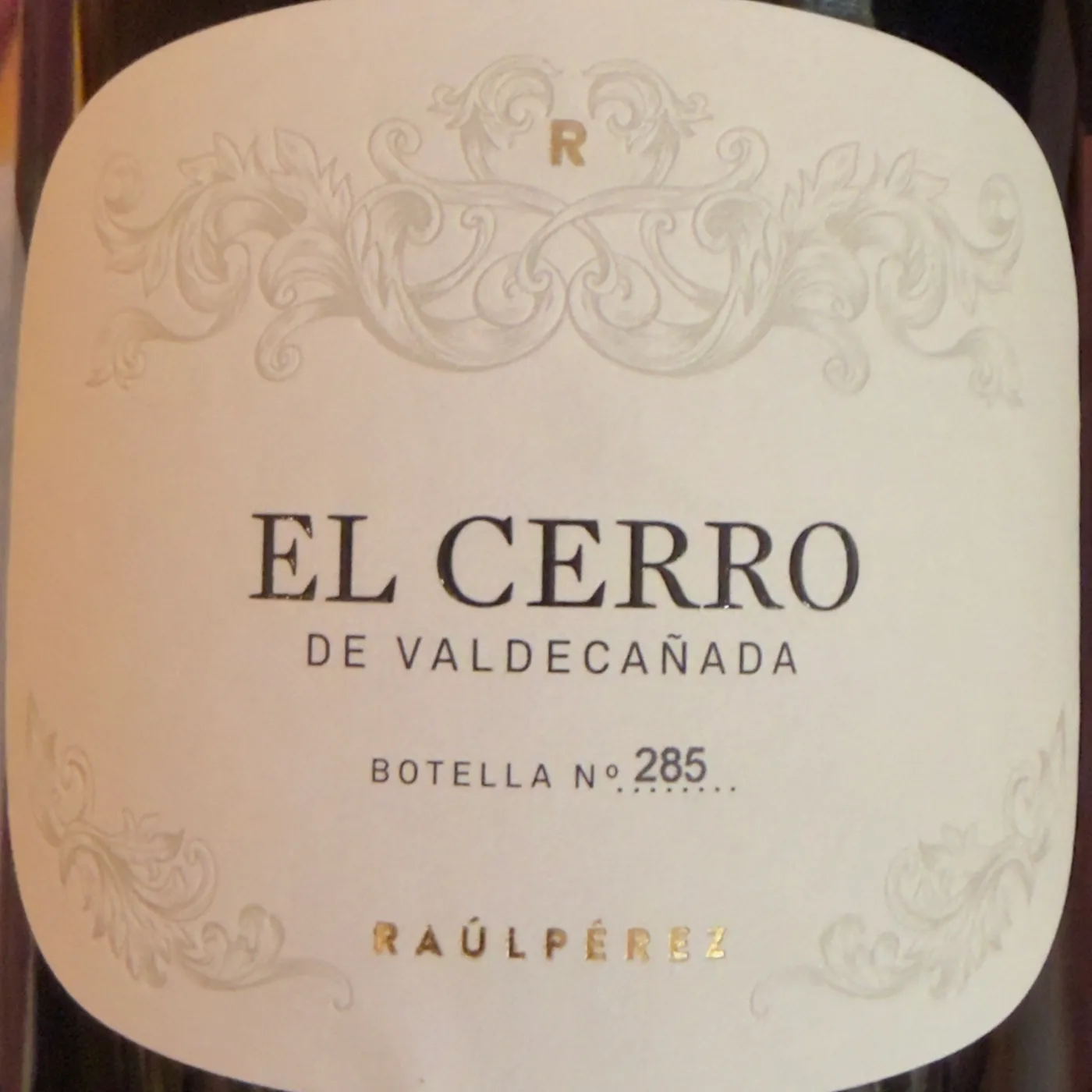
El Cerro de Valdecañada, Raúl Pérez | Mencía-led red, Bierzo
Our final wine brought us back to Raúl Pérez, this time in his home region of Bierzo.
El Cerro is a small vineyard at around 800 metres. Kevin explained Pérez’s respect for its old mixed plantings, where Mencía grows alongside other local varieties.
He returned to the role of oak: allowing gradual contact with oxygen so the wine can develop, while keeping the grapes and their place of origin clear.
That respect for the vineyard was what Kevin wanted us to notice.